Up to 1 lakh jobs and four plants could be hit in a major overhaul.
Key Highlights
- Volkswagen is reportedly considering up to 100,000 job cuts.
- The restructuring plan may include the closure of four plants in Germany.
- Proposed cuts would go beyond the company’s existing plan to reduce 50,000 jobs.
- The overhaul could affect nearly 15% of Volkswagen’s global workforce.
- The company is also considering a 15% reduction in planned investments over the next five years.
- Volkswagen may separate its core passenger car brand and parts business into standalone entities.
- The works council and IG Metall union have vowed to oppose plant closures and deeper job cuts.
Berlin, June 26, 2026: Volkswagen Group is reportedly considering one of the biggest restructuring exercises in its history, with plans that could involve up to 100,000 job cuts, the closure of four manufacturing plants in Germany and a reduction in future investments.
According to reports, the proposal is still awaiting board approval and forms part of a broader strategy by Chief Executive Oliver Blume to streamline operations and improve profitability.
The proposed revamp would go significantly beyond Volkswagen’s existing restructuring plan, which already aimed to cut 50,000 jobs. If approved, the new measures could impact nearly 15 per cent of the company’s global workforce.
Four Plants May Be Affected
Reports suggest production could eventually be phased out at Volkswagen’s Hanover, Zwickau and Emden plants, as well as Audi’s Neckarsulm facility, once current vehicle programmes come to an end.
The company is also said to be examining the possibility of carving out its core VW passenger car business and parts division into separate standalone entities as part of the restructuring effort.
Investment Plans May Be Cut
Volkswagen is reportedly considering reducing planned capital expenditure by 15 per cent, bringing total investments to just over €130 billion over the next five years.
The possible spending cut reflects pressure on the company from multiple fronts, including:
- rising costs linked to the transition to electric vehicles,
- strong competition from Chinese EV manufacturers,
- pressure from US tariffs,
- and broader global economic uncertainty.
Pressure on Profitability
CEO Oliver Blume has repeatedly stressed the need to sharpen Volkswagen’s focus on its core automotive business and improve margins.
The restructuring is seen as an attempt to make the company leaner and more competitive at a time when traditional carmakers are facing a difficult transition toward electric mobility, changing consumer demand and higher operational costs.
Workers’ Union Opposes Plan
Volkswagen has reportedly declined to comment directly on the internal proposals, but said the group must go through “far-reaching change”.
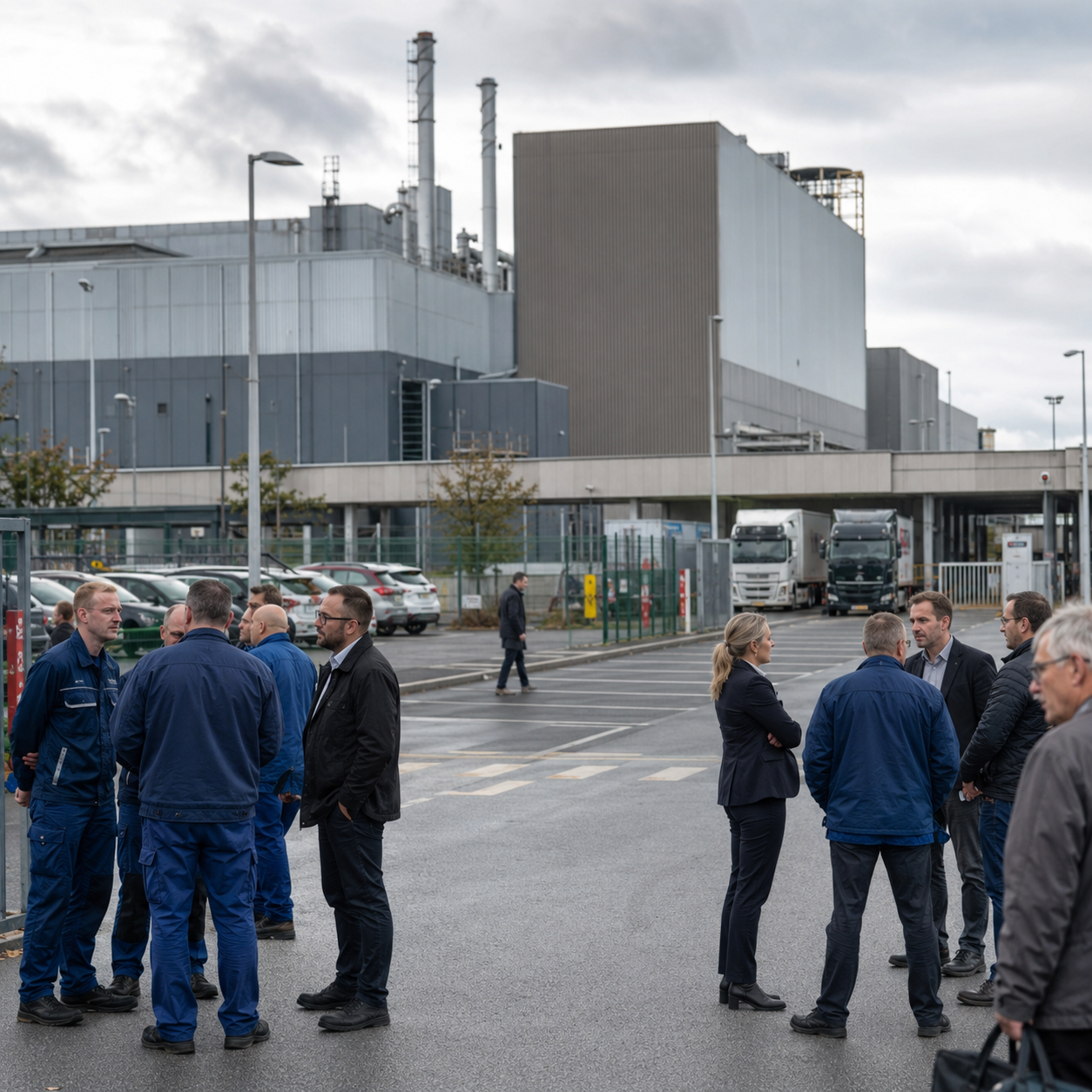
However, the company’s works council and powerful labour union IG Metall have strongly opposed any attempt to close plants or push through deeper job cuts.
Their resistance could make negotiations difficult if the restructuring plan moves forward.