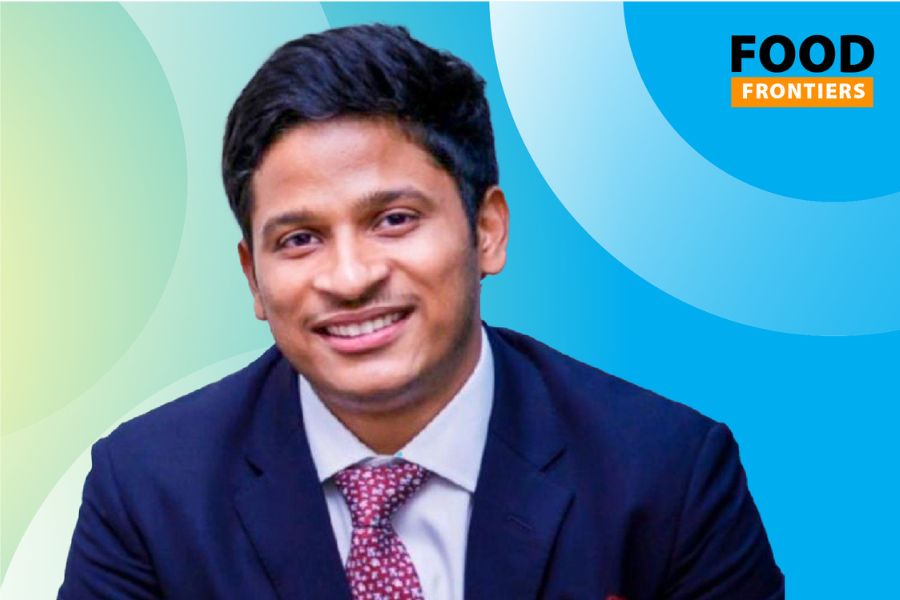
Green-friendly farming with hydroponics

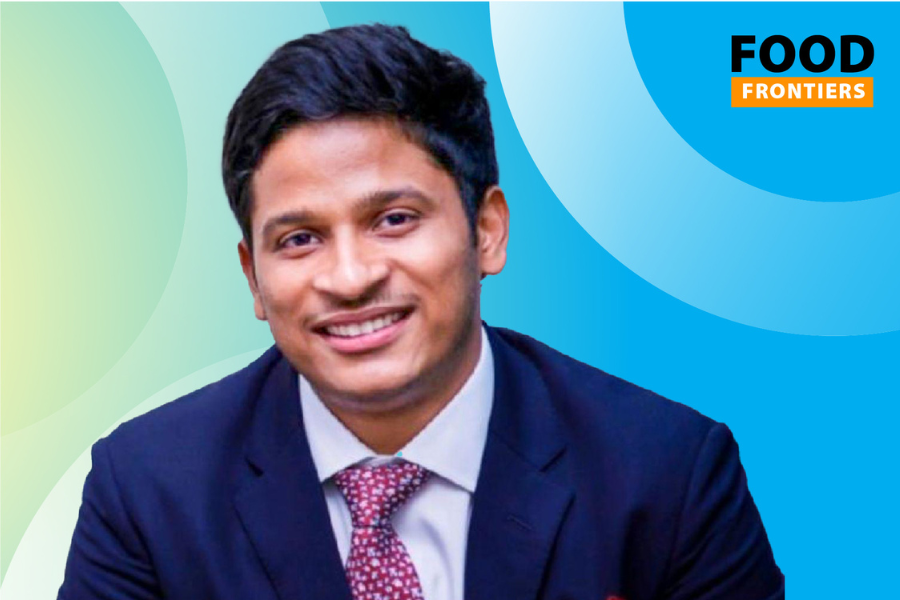
In this episode of Food Frontiers, we spoke with Mr. Sandeep Reddy, founder of Kamala Farms, a trailblazer in sustainable farming through hydroponics. By tackling challenges such as land scarcity, labor shortages, and inconsistent produce quality, Kamala Farms has successfully set up over 40 hydroponic farms, transforming modern agriculture.

Mr. Reddy shared his vision for hydroponics, highlighting its ability to boost productivity, conserve resources, and drive urban farming initiatives. With a commitment to cost-effective innovation and sustainability, Kamala Farms is reshaping farming practices in India and making strides on the global stage.
kamalafarms_tpci

IBT: Every great venture has an origin story. What sparked the idea for Kamala Farms, and was there a defining moment that convinced you to dive into hydroponics?

Sandeep Reddy: The idea for Kamala Farms came from exploring the agriculture sector to understand its main challenges. I realized three big problems. First, while land is available, it’s often too expensive because of real estate and other factors, making it hard to use for farming. Second, there’s a labor shortage, which has been an issue for the past five years and is only getting worse. This made it clear that we needed a method of farming that’s less labor-intensive but still gives good or even better output.

The third issue was the quality of produce. For example, if you look at tomatoes in the market, they often lack uniform quality, and what looks good isn’t always the best. Quality is very important, and I wanted to solve that. Considering all these factors, hydroponics stood out as a great solution. It uses less land, needs less labor, and delivers consistent, high-quality produce. Since then, we’ve helped set up hydroponics systems for more than 40 farms, and we’re excited to keep expanding this approach.

IBT: Hydroponics is gaining momentum globally. What do you think is the “aha moment” for most farmers or businesses that pushes them to consider this method over traditional farming?

Sandeep Reddy: The “aha moment” for farmers and businesses considering hydroponics often comes down to three key factors. First, hydroponics allows year-round production. Farmers can grow and supply produce continuously, matching demand without being limited by seasons. This ensures consistent income and helps them cater to larger markets with fewer resources.

Second, hydroponics significantly boosts productivity. A farmer using just one acre of land with hydroponic technology can achieve yields comparable to 7–10 acres of traditional farming. This not only increases their output but also improves their income and standard of living, which is crucial for supporting the nation’s agriculture-driven economy.

Finally, water efficiency is a game-changer. With freshwater resources depleting in many areas, hydroponics offers a sustainable solution by using 90% less water compared to traditional methods. This makes it a vital option for farmers in regions facing water scarcity, enabling them to maintain or even increase production while conserving resources. These three factors together make hydroponics an appealing and practical choice for modern farming.

IBT: Every new idea faces resistance. What are the biggest myths about hydroponic farming you’ve had to bust, and how have you tackled skepticism or misinformation?

Sandeep Reddy: Like any emerging industry, hydroponics faced its share of skepticism, especially during its early phase in India around 2016–2017. One common myth was the high cost of setting up and operating hydroponic systems. To tackle this, we focused on reducing infrastructure costs by 30–35%. My background in construction management and civil engineering helped us identify ways to optimize materials and design.

Another misconception was that hydroponics always requires expensive temperature control systems. By tweaking the structural design, we created better natural temperature regulation, significantly cutting operational costs. These changes not only addressed cost concerns but also made hydroponics more accessible and practical for farmers and businesses.

By addressing these myths with practical solutions, we’ve been able to build trust and position hydroponics as a sustainable, cost-effective alternative to traditional farming. This approach continues to drive our progress and the industry’s growth.

IBT: If you could pitch one transformative idea to policymakers to supercharge the hydroponics movement, what would it be, and why?

Sandeep Reddy: If I were to pitch one transformative idea, it would be for policymakers to simplify access to subsidies and create targeted awareness campaigns for hydroponics. While there are existing schemes like those by NABARD, the process to avail these benefits is often complex and discouraging for many individuals. Agriculture needs a dedicated window for ease of access, similar to how policies support multinational companies setting up infrastructure.

Awareness campaigns led by the government could play a vital role in building trust and reaching a wider audience. While individual efforts like training programs and workshops are helpful, they cannot match the scale and reach of government-led initiatives, which can impact 98–99% of farmers.

Additionally, policy changes should focus on supporting small-scale hydroponic setups, such as half-acre or one-acre farms, and encouraging greenhouse farmers to transition to hydroponics. Shifting from greenhouse farming to hydroponics is more cost-effective than starting from scratch, making it a practical step for many farmers. Tailored policies around this transformation could significantly lower entry barriers, enabling broader adoption and accelerating the hydroponics movement.

IBT: How do you see Kamala Farms contributing to urban farming and promoting greener cities? Additionally, given that you’ve primarily worked in the southern region, how do you plan to expand your reach across other parts of India?

Sandeep Reddy: We began as a South India-based company but quickly expanded our operations to other regions, including the North and Central parts of India. While we haven’t extensively ventured into Eastern India yet, we’re optimistic about exploring opportunities there soon. Our focus has always been on fostering sustainable growth, and urban farming is a key part of this.

Urban farming has tremendous potential to transform cities, and we’ve started contributing by exploring innovative ways to make it accessible and impactful. However, broader adoption requires initiatives not just from companies like ours but also from other sectors, particularly real estate. Real estate developers, for instance, could integrate rooftop farming or dedicate open spaces within their projects to agriculture. Initially, greenhouse farming could be encouraged as a stepping stone toward hydroponics, which offers higher productivity and efficiency.

We are working to reduce carbon footprints and enhance urban farming systems, especially in regions like Delhi, where pollution and the demand for fresh produce are critical concerns. By collaborating with stakeholders and exploring untapped areas, we aim to make urban spaces greener and contribute meaningfully to sustainable farming practices.

IBT: What’s your vision for Kamala Farms over the next decade? Are there plans to introduce hydroponic innovations or scale into new regions or sectors?

Sandeep Reddy: Our vision for the next five years focuses on making farming more cost-effective and accessible. We aim to further reduce costs by identifying unnecessary accessories, using refurbished structures, and offering alternative solutions. This approach not only minimizes expenses but also promotes sustainability by repurposing unused resources.

We are expanding our footprint across India and have recently ventured into international markets, including the US and UAE. Within India, we prioritize maximizing government subsidies to make farming viable for everyone. A key area of focus is enhancing the shelf life of farm produce. For instance, by integrating solar dryers, farmers can preserve crops like tomatoes for up to three years, enabling them to sell during favorable market conditions. This value addition ensures better economic returns and reduces wastage.

Our commitment lies in empowering farmers with innovative solutions that improve productivity and profitability, and we are confident in achieving this vision.

IBT: For budding agripreneurs who want to explore hydroponics, what advice would you offer to help them get started on the right foot?

Sandeep Reddy: One key piece of advice I often share is to have a well-structured business plan. Outline your goals for the next five years and break them down into manageable time frames like quarters and months. This approach helps you stay focused while adapting to changes along the way. Change is inevitable, so embrace it, and implement change management when necessary to align with your long-term vision.

Design your business model with sustainability and value addition in mind. For instance, consider strategies to enhance the shelf life of your produce, as this ensures stability and market adaptability. Exploring export opportunities is another crucial step, as there is significant global demand for high-quality produce. High-value outputs attract better opportunities, so positioning yourself in this segment can lead to success.

Ultimately, having a clear vision and thinking on a larger scale will provide clarity and drive. Stay adaptable, aim for quality, and continually explore ways to add value—this mindset is key to building a successful career in any field.


Mr. Sandeep Reddy, an agritech innovator and entrepreneur, is the Chief Sales Officer at Kayne Bio Sciences Ltd. and co-founder of Kamala Farms, a venture revolutionizing sustainable agriculture through hydroponics. With a strong foundation in civil engineering and urban infrastructure management, his transition from construction to agribusiness exemplifies visionary leadership.

Under his guidance, Kamala Farms has established a 5-acre hydroponic farm in Hyderabad, implemented over 40 hydroponic setups across India, and trained over 2,000 students, inspiring sustainable farming ventures while reducing water consumption and carbon emissions.


Previous Post
Next Post

Most Recent Posts

  • All Post
  • 8th Pay Commission
  • Aadhar
  • Aditya Birla Capital
  • Advertising Standards
  • Affordable Housing
  • Agriculture
  • Agriculture & Food
  • AI in Healthcare
  • AI Technology
  • Airlines
  • alcohol industry
  • Android
  • APEDA
  • Apple
  • Artificial Intelligence
  • Ashwini Vaishnaw
  • Asset Management
  • Atmanirbhar Bharat
  • Audio Devices
  • Audio Products
  • Auto Industry
  • Automobile
  • Automobiles
  • Automotive
  • Automotive Industry
  • Aviation
  • Bain Healthcare Report 2026
  • Bank
  • Banking
  • Banking Technology
  • Battery Industry
  • Beverage Industry
  • Beverages
  • Bihar
  • biotechnology
  • Bitcoin
  • BMW Group India
  • Brand Insight
  • BRICS
  • Bullion Market
  • Business
  • Business & Economy
  • Business & Trade
  • Business Leadership Post COVID-19
  • Business News
  • Business Terminology
  • Business Utilities
  • Buyback
  • Capital Goods
  • Capital Markets
  • CarsBusiness
  • CBIC
  • CCI
  • Child Investment
  • China
  • China technology news
  • Citizen Services
  • Clean Energy
  • Clean Technology
  • Cloud Computing
  • coal
  • Commerce
  • Commerce and Industry
  • Commercial Real Estate
  • Commercial Vehicles
  • Commodities
  • Communications
  • Companies
  • Competition Law
  • Compliance
  • Computer Accessories
  • connected cars
  • Consumer Affairs
  • Consumer Electronics
  • Consumer Finance
  • Consumer Goods
  • Consumer Health
  • Consumer Markets
  • Consumer News
  • Consumer Protection,
  • Consumer Rights
  • Consumer Spending
  • Consumer Trends
  • Content Creation
  • Copper
  • Corporate
  • corporate affairs
  • Corporate Earnings
  • Corporate Governance
  • Corporate News
  • Corporate Social Responsibility
  • Cost of Living
  • Country
  • CRED
  • Credit Cards
  • CREDIT RATING
  • Crude Oil
  • Cryptocurrency
  • CSR
  • Culture
  • Currency
  • Customs Duty
  • Cyber Security
  • Cybersecurity
  • Dairy Industry
  • Data & Analytics
  • Defence
  • Delhi Government
  • Delhi-NCR
  • Demographics
  • Derivatives
  • DGCA
  • DGFT
  • DigiLocker
  • Digital Assets
  • Digital Economy
  • Digital Health India
  • Digital Identity
  • Digital India
  • Digital Infrastructure
  • Digital passport for robots
  • Digital Payments
  • Digital Platforms
  • digital services
  • Diplomacy
  • Dixon Technologies
  • DPIIT
  • E Commerce
  • E-commerce
  • E-Governance
  • Ease of Doing Business
  • Economic Growth
  • Economy
  • Edible Oil Industry
  • Editor Choice
  • EdTech
  • Education
  • Electric Mobility
  • Electric Vehicles
  • Electronics
  • Employment
  • ENERGY
  • Engineering
  • Entertainment
  • Environment
  • EPFO
  • Ethanol Economy
  • EV Industry
  • EV Technology
  • Exports
  • EXTER
  • Farmers
  • Fashion
  • FINANCE
  • Finance Ministry,
  • Financial Marketing
  • Financial Markets
  • Financial News
  • Financial Planning
  • Financial Results
  • Financial Services
  • Fintech
  • FnTech
  • Food & Beverage
  • Food & Beverages
  • Food Exports
  • Food Industry
  • Food Manufacturing
  • Food Processing
  • Food Regulations
  • food safety
  • Foreign Exchange
  • Foreign Investment
  • Foreign Policy
  • Foreign Trade
  • Forex Reserves
  • fssai
  • FTA
  • Fuel
  • Fuel Prices
  • Future Energy
  • Gadgets
  • Gadgets & Apps
  • Gaming
  • GDP
  • Generative AI Healthcare
  • Geopolitics
  • GI Products
  • Global Brand Alliance
  • Global Economy
  • Global Markets
  • Global Politics
  • Global Tech
  • Global Trade Policy
  • Global Trends\
  • Gold
  • Gold Market
  • Gold Prices
  • Gols & Silver
  • Government
  • Government & Policy
  • Government Affairs
  • Government Bonds
  • Government Data
  • Government Initiatives
  • Government Policy
  • Government Policy & Regulation
  • Government Scheme
  • Government Schemes
  • Government Services
  • Green Energy
  • Green Mobility
  • GroupGlobal
  • GST
  • GST Council
  • GST Counsil
  • Hair Care
  • Hardware
  • Hatchback Segment
  • Health Supplements,
  • Horticulture
  • Housing
  • HSBC
  • Human Resources
  • humanoid robot market
  • Hyundai
  • IBT Infographics
  • iinvestment
  • Imports & Exports
  • Income Tax
  • India
  • India Auto Market
  • India Business News
  • India Inc
  • India News
  • India Retail
  • India-Canada Relations
  • India-China
  • India-Japan Relations
  • India-Russia Relations
  • India-South Korea Relations
  • India-US Relations
  • Indian Economy
  • Indian Navy
  • Industrial Pollution
  • Inflation
  • Infra
  • Infrastructure
  • Innovation
  • Instagram
  • Insurance
  • international
  • International Affairs
  • International Cooperation
  • International Relations
  • International Trade
  • Internet & Connectivity
  • Internet Policy
  • Internet Regulation
  • Interview
  • Investing
  • Investment News
  • Investments
  • iPhone News
  • IPO
  • IT Industry
  • Jewellery
  • Jio Platforms
  • JioBlackRock
  • Jobs & Careers
  • Joint Ventures
  • Kim Kardashian
  • Labour
  • Latest
  • Launches
  • Leadership
  • Leaderspeak
  • Lending
  • Lifestyle
  • Lifestyle Tech
  • List
  • Loans & Credit
  • Local News
  • Logistics
  • LPG
  • Luxury Cars
  • Machinery
  • Macroeconomics
  • Macroeconomy
  • maharashtra
  • Maharashtra News
  • Make in India
  • Makhana
  • Managed Workspaces
  • Manufacturing
  • Market Outlook
  • Markets
  • Maruti Suzuki
  • Mergers & Acquisitions
  • Meta
  • Microsoft
  • Middle East
  • Mobile Apps
  • Mobile Industry
  • Mobile Launch
  • Mobility
  • Monetary Policy
  • Monsoon
  • MoSPI
  • MSME
  • Mutual Funds
  • Nano Tech
  • National
  • National news
  • NEET 2026
  • NewsElectric
  • NewsTata
  • NPCI
  • NPS Vatsalya
  • Office Market
  • Oil & Gas
  • Oil and Gas
  • Others
  • OTT
  • Packaged Drinking Water
  • Packaged Foods
  • Packaging Industry
  • Packaging Innovation
  • Passenger Vehicles
  • Paytm
  • Pension & Retirement
  • Pensions
  • Personal Care
  • Personal Finance
  • Perspectives
  • Petroleum
  • PFRDA
  • Pharmaceuticals
  • PM Modi
  • PMAY-G
  • PMAY-U
  • PMAY,
  • PMI
  • policy
  • Population
  • PORTS
  • Positive News
  • PPF
  • Precious Metals
  • Pricing
  • Product Labeling
  • Product Labelling
  • Product Launch
  • Property Market
  • PSU
  • PSU Banks
  • Public Health
  • Public Policy
  • Public Safety
  • Public Sector
  • Public Services
  • Public Welfare
  • Quarterly Results
  • Railways
  • Rajasthan
  • Raksha Bandhan
  • Raksha Bandhan Gifts
  • Rare Earths
  • Ratings Agencies
  • RBI
  • Real Estate & Realty Sector
  • Recycling
  • Regulation
  • Regulatory Action
  • Regulatory Affairs
  • Regulatory Updates
  • REIT
  • Reliance Industries
  • Renewable Energy
  • RERA
  • Research
  • Retail
  • Retirement Planning
  • Road Infrastructure
  • Robotics & Automation
  • robotics standards
  • Rupee
  • Rural Development
  • Rural Housing
  • SAIL
  • Salaries
  • Samsung
  • Savings
  • Science & Technology
  • Sebi
  • Security
  • Semiconductor
  • Semiconductors
  • Services Sector,
  • SHIPPING
  • Silver Prices
  • Skill Development
  • Skills Development
  • Small Business
  • Smart Devices
  • Smart Home
  • Smart Mobility
  • Smartphones
  • Social Impact
  • Social Media
  • Society
  • Software Development
  • Solar Energy
  • Space Technology
  • Startups
  • Statistics
  • Steel Industry
  • Stock Market
  • stocks
  • streaming
  • Sugar Industry
  • Sukanya Samriddhi Yojana
  • Sustainability
  • SUV
  • Tamil Nadu Pollution Board
  • Tariffs
  • Tariffs & Duties
  • Tata Group
  • Tata Motors
  • Tata Sons
  • Tax Planning
  • Taxation
  • Tech
  • Tech Branding
  • Technology
  • Telecom & Technology
  • Telecom Industry
  • Top Story
  • Tourism
  • Trade
  • Trade Agreement
  • Trade Basket
  • Trade Partner
  • Trade Policy,
  • Transportation
  • Travel
  • Trending
  • Two-Wheelers
  • UIDAI
  • UPI
  • Urban Development
  • US-Iran Conflict Economic Impact
  • US–India Relations
  • Uttar Pradesh
  • Vaccines
  • VehiclesLuxury
  • vivo
  • Wastewater Management
  • Water Quality,
  • Wealth Management
  • Wearables
  • Wellness
  • WhatsApp
  • Wheat
  • Workplace
  • World
  • World News
  • Worldview
  • Yamaha
  • zLead Slider
    •   Back
    • Healthcare
    • Auto
    • Fmcg
    • Hospitality
    •   Back
    • Cash Crop
    • Organic
    • New Era Agri
    • Processed Food
    •   Back
    • Construction
    • Power
    • Mining
    • Telecom
    •   Back
    • ENERGY
    •   Back
    • Export/Import
    • Trade Deal
    • Trade Fair
    •   Back
    • Policies
    • Industry
    • Finance
    •   Back
    • Others technology
    • Mobile phone
    • Gadgets
    •   Back
    • Manufacturing
    • Services
    • Startup

India Business & Trade is a national media platform decoding the ideas, decisions and shifts shaping India’s growth story—across plicy, business, global commerce and a rapidly evolving marketplace.

Reach Us

India Business & Trade
M-62, Saket, New Delhi-110064, India

Subscribe To Newsletter

Stay ahead in the dynamic world of trade and commerce with India Business & Trade’s weekly newsletter.

Copyright © 2026 India Business & Trade. All Rights Reserved


Fatal error: Uncaught TypeError: Unsupported operand types: string * int in /var/www/sites/indiabusinesstrade.in/wp-content/plugins/royal-elementor-addons/admin/includes/wpr-templates-modal-popups.php:192 Stack trace: #0 /var/www/sites/indiabusinesstrade.in/wp-content/plugins/royal-elementor-addons/admin/includes/wpr-templates-modal-popups.php(128): WprAddons\Admin\Includes\WPR_Templates_Modal_Popups::get_template_settings() #1 /var/www/sites/indiabusinesstrade.in/wp-content/plugins/royal-elementor-addons/admin/includes/wpr-templates-modal-popups.php(106): WprAddons\Admin\Includes\WPR_Templates_Modal_Popups::render_popup_content() #2 /var/www/sites/indiabusinesstrade.in/wp-content/plugins/royal-elementor-addons/admin/includes/wpr-templates-modal-popups.php(64): WprAddons\Admin\Includes\WPR_Templates_Modal_Popups::display_popups_by_location() #3 /var/www/sites/indiabusinesstrade.in/wp-includes/class-wp-hook.php(341): WprAddons\Admin\Includes\WPR_Templates_Modal_Popups->render_popups() #4 /var/www/sites/indiabusinesstrade.in/wp-includes/class-wp-hook.php(365): WP_Hook->apply_filters() #5 /var/www/sites/indiabusinesstrade.in/wp-includes/plugin.php(522): WP_Hook->do_action() #6 /var/www/sites/indiabusinesstrade.in/wp-includes/general-template.php(3224): do_action() #7 /var/www/sites/indiabusinesstrade.in/wp-content/plugins/royal-elementor-addons/admin/templates/wpr-canvas.php(64): wp_footer() #8 /var/www/sites/indiabusinesstrade.in/wp-includes/template-loader.php(132): include('...') #9 /var/www/sites/indiabusinesstrade.in/wp-blog-header.php(19): require_once('...') #10 /var/www/sites/indiabusinesstrade.in/index.php(17): require('...') #11 {main} thrown in /var/www/sites/indiabusinesstrade.in/wp-content/plugins/royal-elementor-addons/admin/includes/wpr-templates-modal-popups.php on line 192