Green hydrogen economy: Towards a resilient future

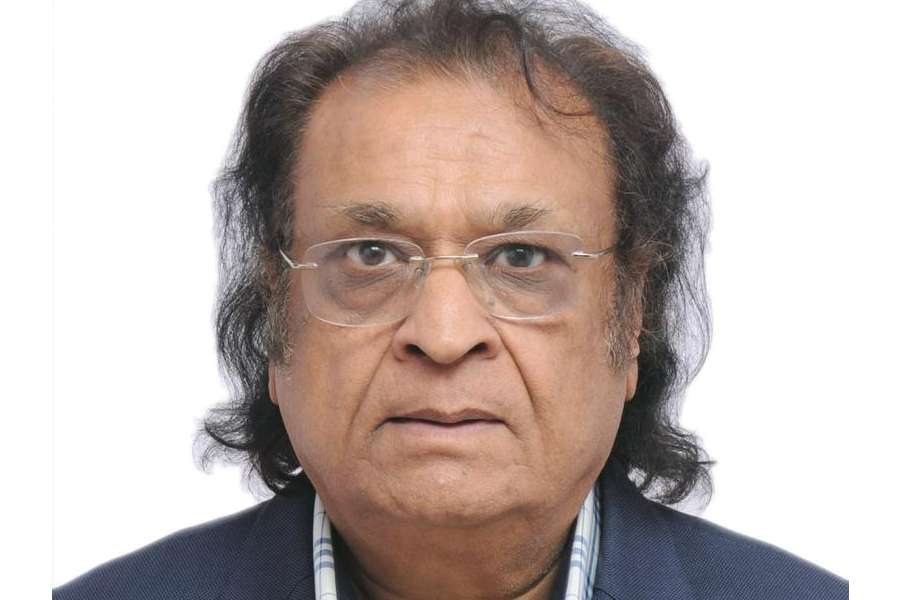
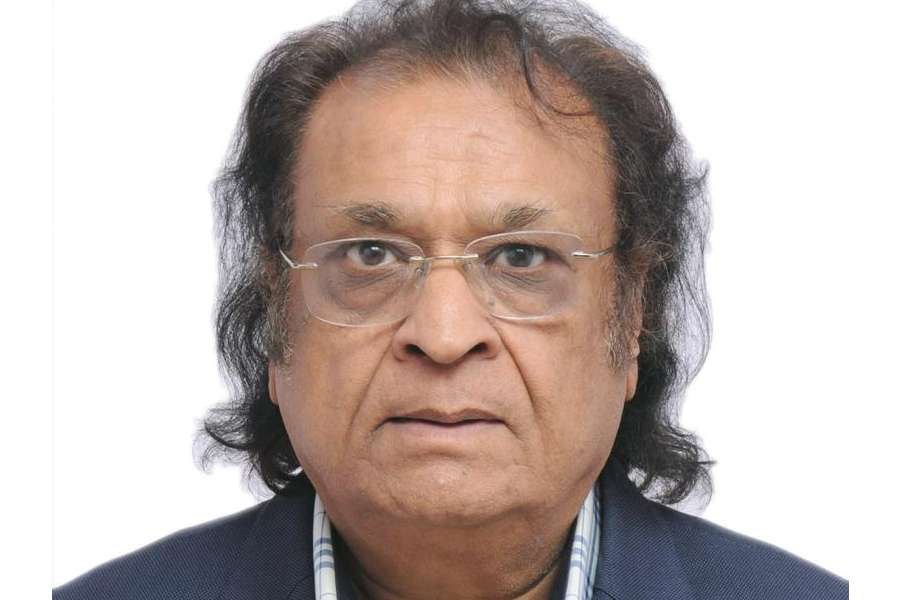
Dr. J.P. Gupta opines that India’s drive to green energy transition by embracing green hydrogen is a key to a future-proof economy. He adds that the development of this industry is mainly dependent on the production, storage, and transport technologies identified in many sectors with lessons to be gained from LNG export. However, funding will be critical to developing the green hydrogen value chain in the country.
TPCI_Green_Hydrogen_JP_Gupta

Decarbonization of the global economy holds several benefits, as it is getting increasingly obvious that all crises are interlinked and we need to deal with them holistically. Recent studies have reflected upon the rising public concerns with regard to the climate crisis and the increasing need to address the knowledge gap around the rising global temperatures, which have a global impact, including infectious diseases like the coronavirus.

There will be a huge thrust given to net zero-emission by the world’s top carbon emitters – the US and China. What is going to happen, consequently, is that it will accelerate the decarbonization of the world. That creates a tremendous opportunity for clean energy players to up their game. Green hydrogen, particularly, is one technology that is being conceived the world over as a pathbreaker in driving an economy towards net-zero carbon emissions. India, too, has started treading on this pathway to decarbonize development.

Any pathway assumes a proactive policy role in creating incentives that would encourage the private sector to co-invest (with the government) in building the green hydrogen economy, infrastructure and supply chain. The time is now ripe for implementing hydrogen as a key part of the energy system in the country. India’s ambition to look at green energy transition as a part of holistic societal development is promising. A mission-driven economy is a future-proof economy. 

Hydrogen Technologies

Hydrogen can be an ideal green fuel, considering it is the universe’s most abundant element. Hydrogen energy is extremely adaptable, as it may be utilized as a gas or a liquid, transformed into fuel, power or heat, and produced in a variety of ways. Natural gas, coal, and oil are now the primary sources of energy for industrial operations, accounting for over 20% of world emissions. The industry must enhance energy efficiency in order to reduce emissions.

Hydrogen produced from electrolysis using renewable-driven energy sources, such as solar or wind, is known as ‘green hydrogen’. The rapidly declining cost of renewable has been a motivation for the growing interest in green hydrogen. Hydrogen is a new and viable alternative to fossil fuels, with a well-established market and a full value chain in place. 

The core components of hydrogen technology are readily available for scaling up the hydrogen industry. This is critical to reducing costs to build green hydrogen economy. Electrolyzers and fuel cells have been in active use for a century. In Norway, Nel Hydrogen (formerly Norsk Hydro) had the world’s most significant hydrogen production as early as 1927. Norway is, thus, one of the pioneers in the development of essential components in hydrogen production and the handling of hydrogen. In recent years, Fuel Cell technology has started to become competitive in price, e.g. conventional engines running on fossil fuels. For water electrolysis, learning effects and economies of scale will result in CAPEX cost reductions of 60% in the Net Zero Emissions by 2030 compared to 2020. Production cost reductions hinge on lowering the cost of low-carbon electricity, as electricity accounts for 50-85% of total production costs, depending on the electricity source and region. 

Hydrogen Storage

Hydrogen’s energy content by volume is low. One kilogram of hydrogen takes about 11 m3 at ambient temperature and atmospheric pressure. Consequently, for storing hydrogen gas, it needs the reduction of a large volume requiring high pressures, low temperatures or chemical processes.

Hydrogen gas or liquid can be stored physically. Physical state methods constitute compressed (high-pressure), liquid (cryogenic), and cryo-compressed tanks. Alternatively, materials can be used for storing hydrogen as well. This process consists of either chemical storage (absorption within the material) or physisorption (absorption on the material surface). Chemical storage includes materials such as ammonia (NH3), metal hydrides, formic acid, carbohydrates, synthetic hydrocarbons, and liquid organic hydrogen carriers (LOHC), while porous materials like carbon, zeolites, complex hydrides, metal/ covalent organic frameworks do so by absorption processes. 

Priority industrial applications

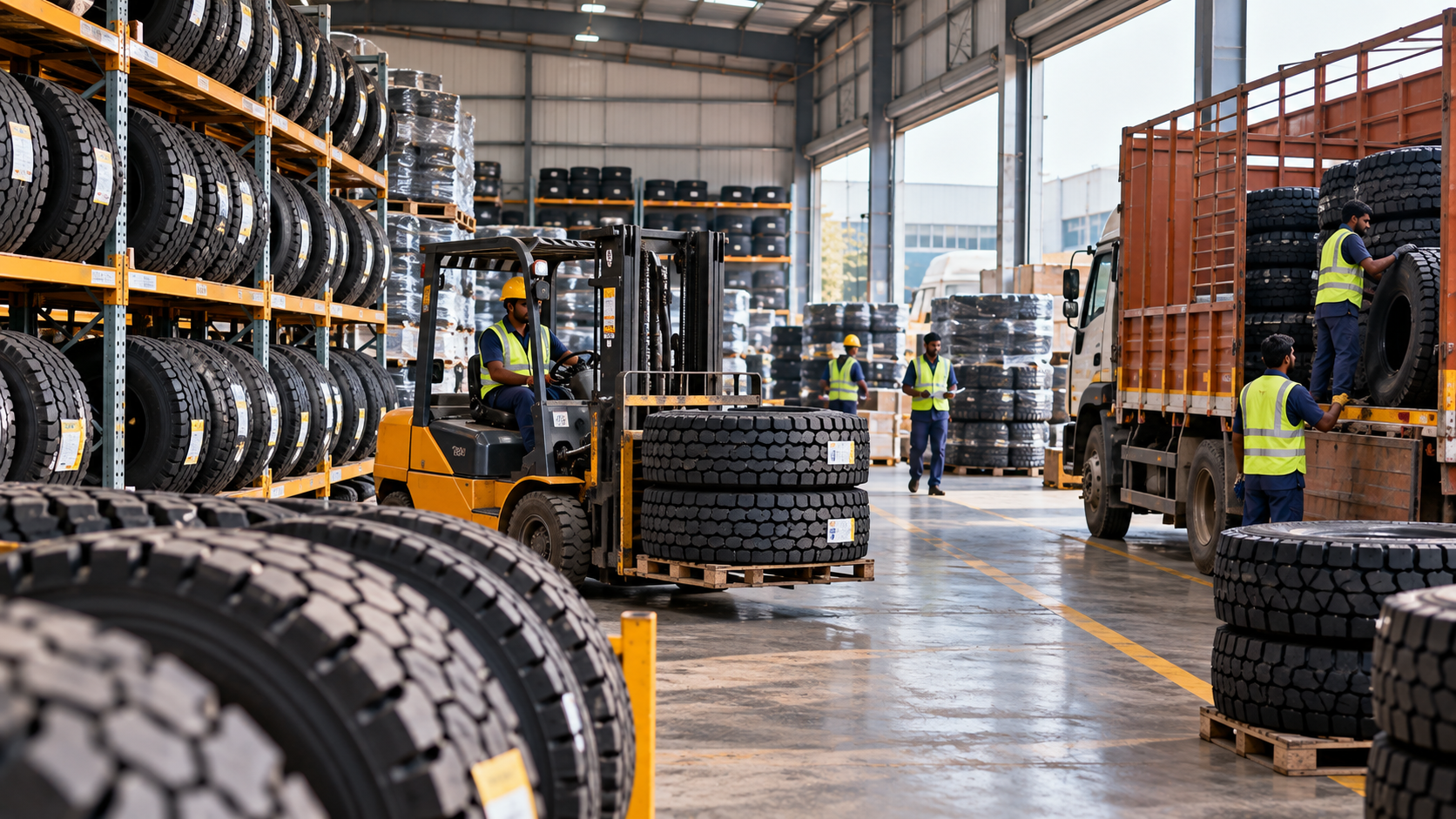
Storage becomes important when one looks at a very important application of hydrogen – transportation. Transportation and distribution of hydrogen is a very important step in the use and implementation of the hydrogen economy. Transportation of hydrogen can be done in its gas or liquid form. Hydrogen gas can be transported via pipelines like natural gas, by high-pressure tube trailers where compressed hydrogen transporting can be done by trucks, railcars and ships. In its liquid state, hydrogen can also be transported by trucks and ships in cryogenic tanks. Transporting primary energy like ethanol, methanol, biomass, LOHC, ammonia or solid hydrogen storage is another alternative to produce hydrogen at the point of use.

At present, in India, the fertilizer industry consumes a large amount of natural gas. This is used to produce ammonia, the central intermediary for providing nitrogen in all nitrogen-containing fertilizers. Significant changes are required to reduce emissions from the ammonia production process further. This could be made possible by ensuring that the hydrogen feedstock used for fertilizers is produced using renewable electricity to manufacture green hydrogen (green ammonia). 

Methanol is readily available across emerging and developed markets, making it attractive for locations with no/less hydrogen infrastructure and safety capabilities. It is currently primarily produced from natural gas, and its two-stage process requires hydrogen production. The average plant produces 5,000 tonnes per day, at a yearly hydrogen consumption of 266,104 tonnes. Key industrial players include Methanex and Sabic. In India, methanol is imported and is generally produced from a carbon source. 

Refining is the most immediate source of potential industrial demand for green hydrogen. A typical annual requirement of hydrogen at a refinery might range from 7,200 tonnes to 108,800 tonnes. This requirement can increase up to 288,000 tonnes per year for new and complex large-scale refineries.

Synthesizing hydrogen with carbon to make methane is one of the largest areas of interest. Synthetic methane is very interesting as it allows for the continued use of present natural gas infrastructure and avoids replacing existing natural gas assets. This will have potential advantages, such as making the production of synthetic methane at larger scales and across a broader range of locations easier than biogas. 

Funding

Exporting hydrogen represents a critical opportunity for India. Demand for imported hydrogen in China, Japan, South Korea and Singapore is estimated to be 3.8 million tonnes in 2030 (US$ 6.95 billion). Due to India’s geographic location, it can play a vital role in the export market. The development of this industry is mainly dependent on production, storage, and transport technologies identified in many sectors, with lessons to be gained from LNG exports. However, funding will be critical to developing the green hydrogen economy in the country.

Availability of funds with banks, institutions and private funding is not a big challenge as there is a decent amount of liquidity available in the system. However, due to viability challenges on account of the higher cost of production as compared to conventional fossil fuel sources, there is no incentive or encouragement to the private sector to come forward and make an investment in green hydrogen value chain, unless the public sector support comes beforehand in the following forms:

  • Extending direct or indirect subsidies on the Investments made in producing equipment specially on manufacturing of Electrolysers and in the entire value chain of H2 namely production, storage and transportation. 
  • Fiscal incentives rewarding the use of GH2 in the Industrial sector, in the form of GST concession.
  • Income Tax Exemption for the companies replacing Grey H2 with Green H2.
  • Supporting the nascent market for Fuel Cell electric vehicle FCEV by providing direct subsidies to the users.
  • Use of public system to guarantee the origin of H2 produced to inform the buyer that H2 is green/low carbon.
  • Subsidy for use of Green H2 linked to carbon allowance.
  • To incentivize the use of Green H2 by developing a market for trading of emissions credits.
  • To regulate the price of electricity required for production of Green H2, Price at different source and at end use should be minimum.
  • Development of the Green Bond market.

The author is Chairman, Environmental Impact Assessment, Ministry of Environment, Forests & Climate Change, Government of India. Views expressed are personal. Usual disclaimers apply.


Previous Post
Next Post

Most Recent Posts

  • All Post
  • 8th Pay Commission
  • Aadhar
  • Aditya Birla Capital
  • Advertising Standards
  • Affordable Housing
  • Agriculture
  • Agriculture & Food
  • AI in Healthcare
  • AI Technology
  • Airlines
  • alcohol industry
  • Android
  • APEDA
  • Apple
  • Artificial Intelligence
  • Ashwini Vaishnaw
  • Asset Management
  • Atmanirbhar Bharat
  • Audio Devices
  • Audio Products
  • Auto Industry
  • Automobile
  • Automobiles
  • Automotive
  • Automotive Industry
  • Aviation
  • Bain Healthcare Report 2026
  • Bank
  • Banking
  • Banking Technology
  • Battery Industry
  • Beverage Industry
  • Beverages
  • Bihar
  • biotechnology
  • Bitcoin
  • BMW Group India
  • Brand Insight
  • BRICS
  • Bullion Market
  • Business
  • Business & Economy
  • Business & Trade
  • Business Leadership Post COVID-19
  • Business News
  • Business Terminology
  • Business Utilities
  • Buyback
  • Capital Goods
  • Capital Markets
  • CarsBusiness
  • CBIC
  • CCI
  • chemicals
  • Child Investment
  • China
  • China technology news
  • Citizen Services
  • Clean Energy
  • Clean Technology
  • Cloud Computing
  • coal
  • Commerce
  • Commerce and Industry
  • Commercial Real Estate
  • Commercial Vehicles
  • Commodities
  • Communications
  • Companies
  • Competition Law
  • Compliance
  • Computer Accessories
  • connected cars
  • Consumer
  • Consumer Affairs
  • Consumer Electronics
  • Consumer Finance
  • Consumer Goods
  • Consumer Health
  • Consumer Markets
  • Consumer News
  • Consumer Protection,
  • Consumer Rights
  • Consumer Spending
  • Consumer Trends
  • Content Creation
  • Copper
  • Corporate
  • corporate affairs
  • Corporate Earnings
  • Corporate Governance
  • Corporate News
  • Corporate Social Responsibility
  • Cost of Living
  • Country
  • CRED
  • Credit Cards
  • CREDIT RATING
  • Crude Oil
  • Cryptocurrency
  • CSR
  • Culture
  • Currency
  • Customs Duty
  • Cyber Security
  • Cybersecurity
  • Dairy Industry
  • Data & Analytics
  • Defence
  • Delhi Government
  • Delhi-NCR
  • Demographics
  • Derivatives
  • DGCA
  • DGFT
  • DigiLocker
  • Digital Assets
  • Digital Economy
  • Digital Health India
  • Digital Identity
  • Digital India
  • Digital Infrastructure
  • Digital passport for robots
  • Digital Payments
  • Digital Platforms
  • digital services
  • Diplomacy
  • Dixon Technologies
  • DPIIT
  • E Commerce
  • E-commerce
  • E-Governance
  • Ease of Doing Business
  • Economic Growth
  • Economy
  • Edible Oil Industry
  • Editor Choice
  • EdTech
  • Education
  • Electric Mobility
  • Electric Vehicles
  • Electronics
  • Employment
  • ENERGY
  • Engineering
  • Entertainment
  • Environment
  • EPFO
  • Ethanol Economy
  • EV Industry
  • EV Technology
  • Exports
  • EXTER
  • Farmers
  • Fashion
  • FINANCE
  • Finance Ministry,
  • Financial Marketing
  • Financial Markets
  • Financial News
  • Financial Planning
  • Financial Results
  • Financial Services
  • Fintech
  • FnTech
  • Food & Beverage
  • Food & Beverages
  • Food Exports
  • Food Industry
  • Food Manufacturing
  • Food Processing
  • Food Regulations
  • food safety
  • Foreign Exchange
  • Foreign Investment
  • Foreign Policy
  • Foreign Trade
  • Forex Reserves
  • fssai
  • FTA
  • Fuel
  • Fuel Prices
  • Future Energy
  • Gadgets
  • Gadgets & Apps
  • Gaming
  • GDP
  • Generative AI Healthcare
  • Geopolitics
  • GI Products
  • Global Brand Alliance
  • Global Economy
  • Global Markets
  • Global Politics
  • Global Tech
  • Global Trade Policy
  • Global Trends\
  • Gold
  • Gold Market
  • Gold Prices
  • Gols & Silver
  • Government
  • Government & Policy
  • Government Affairs
  • Government Bonds
  • Government Data
  • Government Initiatives
  • Government Policy
  • Government Policy & Regulation
  • Government Scheme
  • Government Schemes
  • Government Services
  • Green Energy
  • Green Mobility
  • GroupGlobal
  • GST
  • GST Council
  • GST Counsil
  • Hair Care
  • Hardware
  • Hatchback Segment
  • Health Supplements,
  • Horticulture
  • Housing
  • HSBC
  • Human Resources
  • humanoid robot market
  • Hyundai
  • IBT Infographics
  • iinvestment
  • Imports & Exports
  • Income Tax
  • India
  • India Auto Market
  • India Business News
  • India Inc
  • India News
  • India Retail
  • India-Canada Relations
  • India-China
  • India-Japan Relations
  • India-Russia Relations
  • India-South Korea Relations
  • India-US Relations
  • Indian Economy
  • Indian Navy
  • Industrial Pollution
  • Inflation
  • Infra
  • Infrastructure
  • Innovation
  • Instagram
  • Insurance
  • international
  • International Affairs
  • International Cooperation
  • International Relations
  • International Trade
  • Internet & Connectivity
  • Internet Policy
  • Internet Regulation
  • Interview
  • Investing
  • Investment News
  • Investments
  • iPhone News
  • IPO
  • IT Industry
  • Jewellery
  • Jio Platforms
  • JioBlackRock
  • Jobs & Careers
  • Joint Ventures
  • Kim Kardashian
  • Labour
  • Latest
  • Launches
  • Leadership
  • Leaderspeak
  • Lending
  • Lifestyle
  • Lifestyle Tech
  • List
  • Loans & Credit
  • Local News
  • Logistics
  • LPG
  • Luxury Cars
  • Machinery
  • Macroeconomics
  • Macroeconomy
  • maharashtra
  • Maharashtra News
  • Make in India
  • Makhana
  • Manufacturing
  • Market Outlook
  • Markets
  • Maruti Suzuki
  • Mergers & Acquisitions
  • Meta
  • Microsoft
  • Middle East
  • Mobile Apps
  • Mobile Industry
  • Mobile Launch
  • Mobility
  • Monetary Policy
  • Monsoon
  • MoSPI
  • MSME
  • Mutual Funds
  • Nano Tech
  • National
  • National news
  • NEET 2026
  • NewsElectric
  • NewsTata
  • NPCI
  • NPS Vatsalya
  • Office Market
  • Oil & Gas
  • Oil and Gas
  • Others
  • OTT
  • Packaged Drinking Water
  • Packaged Foods
  • Packaging Industry
  • Packaging Innovation
  • Passenger Vehicles
  • Paytm
  • Pension & Retirement
  • Pensions
  • Personal Care
  • Personal Finance
  • Perspectives
  • Petroleum
  • PFRDA
  • Pharmaceuticals
  • PM Modi
  • PMAY-G
  • PMAY-U
  • PMAY,
  • PMI
  • policy
  • Population
  • PORTS
  • Positive News
  • PPF
  • Precious Metals
  • Pricing
  • Product Labeling
  • Product Labelling
  • Product Launch
  • Property Market
  • PSU
  • PSU Banks
  • Public Health
  • Public Policy
  • Public Safety
  • Public Sector
  • Public Services
  • Public Welfare
  • Quarterly Results
  • Railways
  • Rajasthan
  • Raksha Bandhan
  • Raksha Bandhan Gifts
  • Rare Earths
  • RBI
  • Real Estate & Realty Sector
  • Recycling
  • Regulation
  • Regulatory Action
  • Regulatory Affairs
  • Regulatory Updates
  • REIT
  • Reliance Industries
  • Renewable Energy
  • RERA
  • Research
  • Retail
  • Retirement Planning
  • Road Infrastructure
  • Robotics & Automation
  • robotics standards
  • Rupee
  • Rural Development
  • Rural Housing
  • SAIL
  • Salaries
  • Samsung
  • Savings
  • Science & Technology
  • Sebi
  • Security
  • Semiconductor
  • Services Sector,
  • SHIPPING
  • Silver Prices
  • Skill Development
  • Skills Development
  • Small Business
  • Smart Devices
  • Smart Home
  • Smart Mobility
  • Smartphones
  • Social Impact
  • Social Media
  • Society
  • Software Development
  • Solar Energy
  • Space Technology
  • Startups
  • Statistics
  • Steel Industry
  • Stock Market
  • stocks
  • streaming
  • Sugar Industry
  • Sukanya Samriddhi Yojana
  • Sustainability
  • SUV
  • Tamil Nadu Pollution Board
  • Tariffs
  • Tariffs & Duties
  • Tata Group
  • Tata Motors
  • Tata Sons
  • Tax Planning
  • Taxation
  • Tech
  • Tech Branding
  • Technology
  • Telecom & Technology
  • Telecom Industry
  • Top Story
  • Tourism
  • Trade
  • Trade Agreement
  • Trade Basket
  • Trade Partner
  • Trade Policy,
  • Transportation
  • Travel
  • Trending
  • Two-Wheelers
  • UIDAI
  • UPI
  • Urban Development
  • US-Iran Conflict Economic Impact
  • US–India Relations
  • Uttar Pradesh
  • VehiclesLuxury
  • vivo
  • Wastewater Management
  • Water Quality,
  • Wealth Management
  • Wearables
  • Wellness
  • WhatsApp
  • Wheat
  • Workplace
  • World
  • World News
  • Worldview
  • Yamaha
  • zLead Slider
    •   Back
    • Healthcare
    • Auto
    • Fmcg
    • Hospitality
    •   Back
    • Cash Crop
    • Organic
    • New Era Agri
    • Processed Food
    •   Back
    • Construction
    • Power
    • Mining
    • Telecom
    •   Back
    • ENERGY
    •   Back
    • Export/Import
    • Trade Deal
    • Trade Fair
    •   Back
    • Policies
    • Industry
    • Finance
    •   Back
    • Others technology
    • Mobile phone
    • Gadgets
    •   Back
    • Manufacturing
    • Services
    • Startup

India Business & Trade is a national media platform decoding the ideas, decisions and shifts shaping India’s growth story—across plicy, business, global commerce and a rapidly evolving marketplace.

Reach Us

India Business & Trade
M-62, Saket, New Delhi-110064, India

Subscribe To Newsletter

Stay ahead in the dynamic world of trade and commerce with India Business & Trade’s weekly newsletter.

Copyright © 2026 India Business & Trade. All Rights Reserved