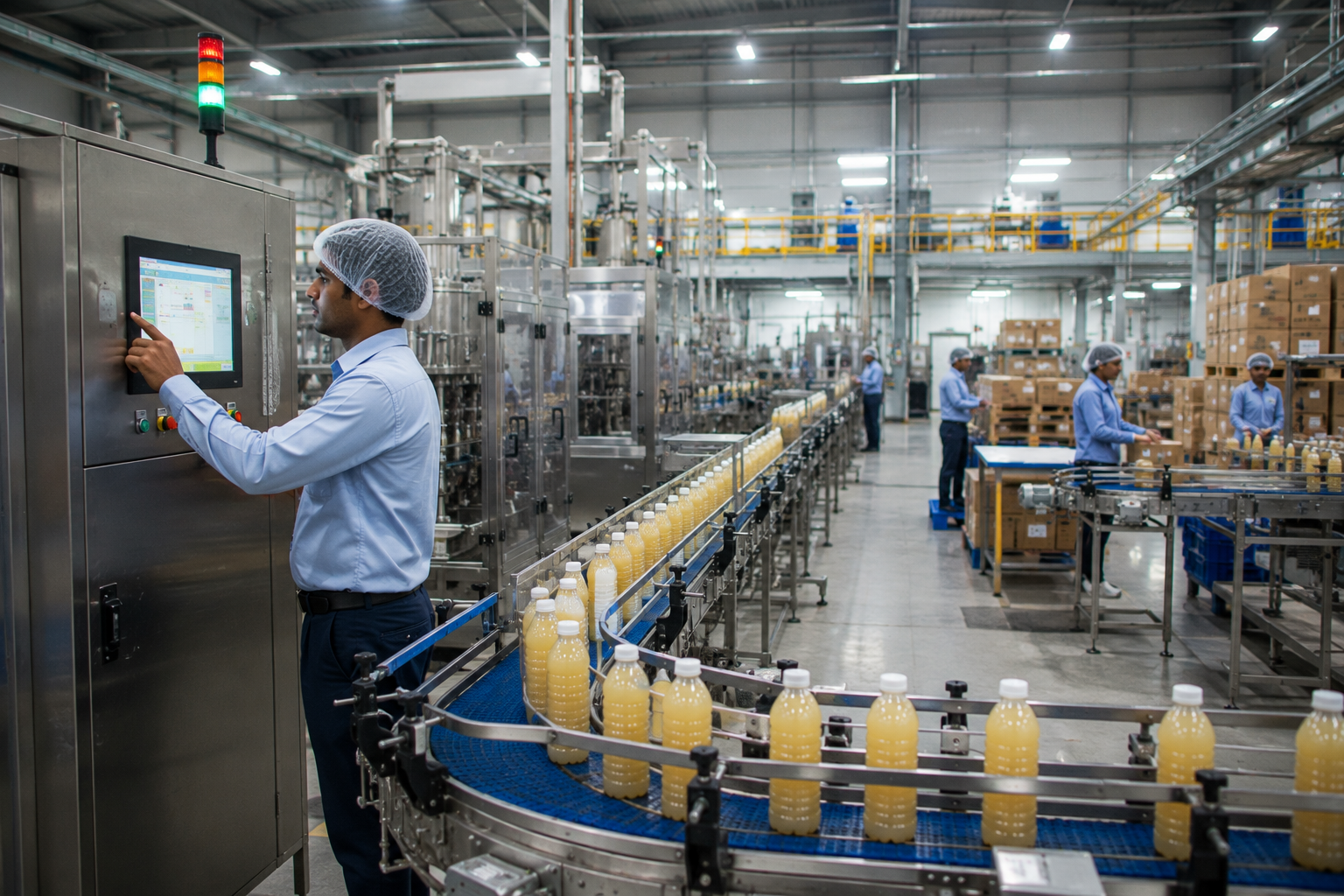
Annual reports show lower employee headcount at HUL and Dabur, while most leading FMCG companies increased median remuneration in FY26.
Key Highlights
- Hindustan Unilever and Dabur reduced their permanent workforce during FY26.
- HUL’s employee count fell from 6,604 to 5,898, while Dabur’s declined from 5,343 to 4,770.
- Tata Consumer Products, Marico and Nestlé India expanded or maintained their workforce.
- Median employee remuneration increased across major FMCG companies, ranging from 6.08% to 12.1%.
- Experts attribute workforce optimization to greater adoption of automation, AI and digital technologies.
New Delhi: India’s leading fast-moving consumer goods (FMCG) companies reported mixed trends in workforce numbers during FY26, with Hindustan Unilever Ltd. (HUL) and Dabur reducing permanent employee headcount even as most companies increased median employee remuneration.
According to annual report disclosures, HUL’s permanent workforce declined to 5,898 employees as of March 31, 2026, compared with 6,604 a year earlier. The company reported a 6.08% increase in median employee remuneration during FY26, lower than the 8.39% rise recorded in the previous financial year.
Dabur also reported a reduction in permanent employees, with headcount falling to 4,770 from 5,343 in FY25. However, the company increased median employee remuneration by 7.7%, compared with a 6% increase in the previous year.
In contrast, Nestlé India, Marico and Tata Consumer Products Ltd. (TCPL) strengthened their workforce during the fiscal year.
Nestlé India’s total employee strength increased slightly to 8,680, while permanent employees stood at 8,382. The company reported a 7.3% increase in median remuneration.
Marico expanded its permanent workforce to 1,983 employees from 1,908 a year earlier. Its median employee remuneration rose 6.33%, reaching ₹14.44 lakh during FY26.
Tata Consumer Products recorded the highest median salary increase among major FMCG companies at 12.1%. Its permanent employee strength rose to 4,558, up from 4,079 in the previous financial year.
Industry experts said FMCG companies are increasingly investing in automation, artificial intelligence, digital analytics, warehouse automation and integrated enterprise systems to improve operational efficiency, allowing them to streamline workforce requirements while enhancing productivity.
The disclosures were made under Section 197(12) of the Companies Act, 2013, which requires listed companies to report employee remuneration trends and permanent workforce numbers in their annual reports.