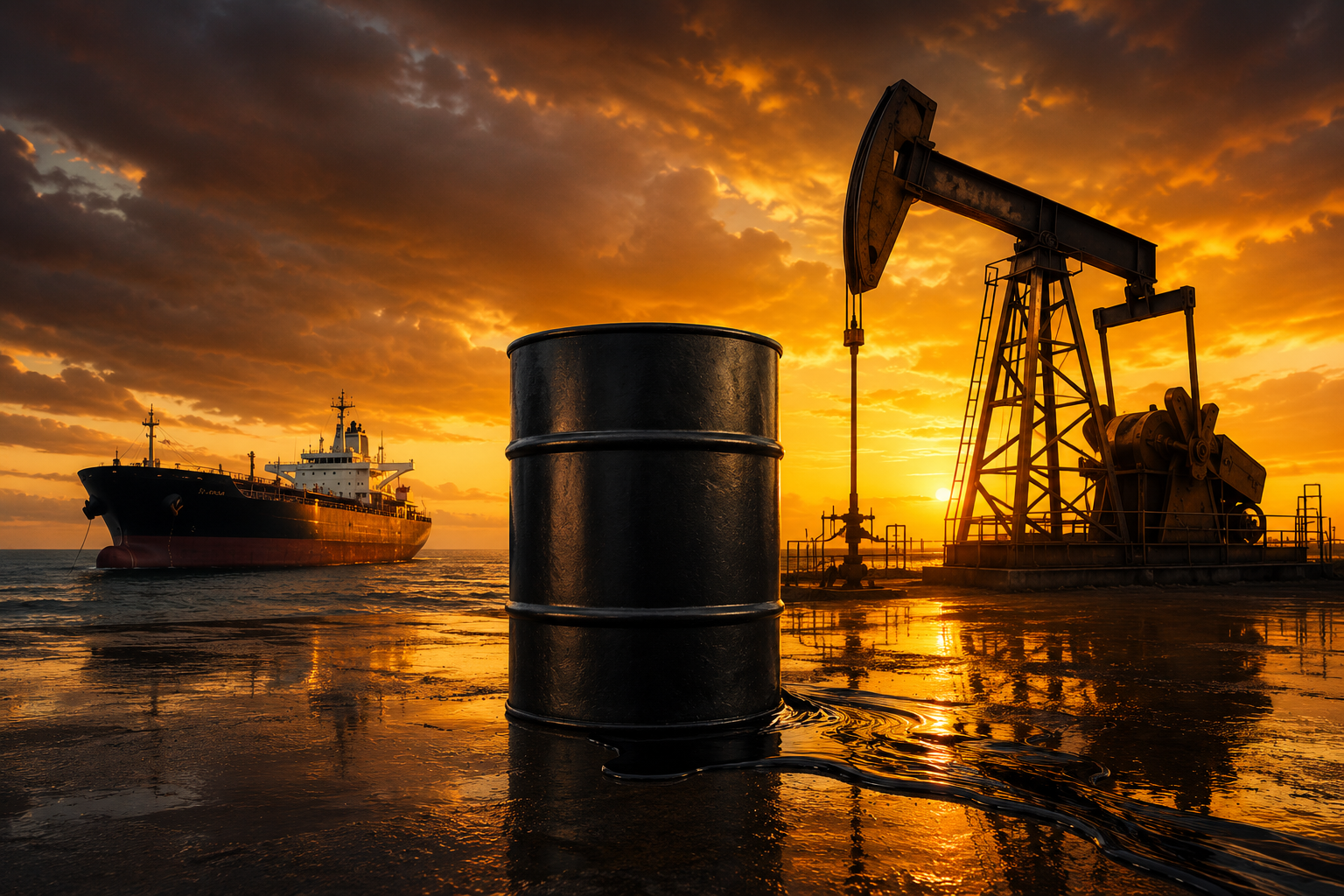
Brent crude climbed close to $80 a barrel after fresh US-Iran tensions reignited supply concerns. A prolonged conflict could increase India’s oil import bill and fuel inflationary pressures.
Key Highlights
- Brent crude surged over 4% to nearly $80 per barrel, while WTI also jumped above $74 per barrel.
- Fresh military escalation between the US and Iran has raised fears over global oil supplies.
- Uncertainty around shipping through the Strait of Hormuz is driving crude prices higher.
- Higher crude prices could increase India’s oil import bill and put pressure on the rupee.
- If prices remain elevated, petrol, diesel and transportation costs could eventually rise.
- Prolonged geopolitical tensions may also add to inflation and increase costs across industries.
New Delhi: Global crude oil prices jumped sharply on Monday as escalating tensions between the United States and Iran renewed concerns over energy supplies from West Asia. Brent crude rose more than 4% to around $79.17 per barrel, nearing the important $80 mark, while US benchmark WTI crude climbed to around $74.40 per barrel.
The latest rally follows a series of military developments between the two countries that have heightened fears of supply disruptions. Market sentiment has also been affected by uncertainty surrounding the Strait of Hormuz, one of the world’s busiest oil shipping routes through which a significant share of global crude exports passes.
Any disruption in this strategic waterway can immediately impact global oil markets, prompting traders to push prices higher over concerns about supply shortages. Although shipping continues through the region, geopolitical uncertainty has increased risk premiums in international crude prices.
For India, which imports nearly 85% of its crude oil requirements, sustained higher oil prices could create multiple economic challenges. A rise in global crude prices directly increases the country’s import bill, requiring more foreign exchange to purchase oil. This can also put pressure on the Indian rupee if elevated prices continue for an extended period.
Higher crude prices may eventually affect domestic fuel prices, depending on international market trends and the pricing decisions of oil marketing companies. If petrol and diesel prices rise, transportation costs increase, leading to higher prices for goods and services across the economy. This could add to inflation and reduce household purchasing power.
The impact extends beyond consumers. Industries that depend heavily on fuel, including aviation, logistics, manufacturing and chemicals, could face higher operating costs, potentially affecting profitability and product pricing.
India has previously experienced similar challenges during periods of prolonged geopolitical tensions in West Asia. However, domestic fuel price increases have often been moderated through government measures and pricing strategies adopted by oil marketing companies.
Meanwhile, India continues to advocate dialogue and diplomatic efforts to ease tensions in the region. A stable geopolitical environment remains crucial for maintaining uninterrupted energy supplies and keeping global crude prices under control.
Market participants will closely monitor further developments in the US-Iran situation, as any escalation could push crude prices beyond the $80-per-barrel level and increase pressure on oil-importing economies such as India.