Russian crude purchases jumped 34% month-on-month, making India the second-largest buyer after China.
Key Highlights
- India’s Russian crude oil imports rose 34% month-on-month in June 2026, reaching a record high.
- India purchased €4.5 billion worth of Russian crude, accounting for 83% of its Russian fossil fuel imports.
- Total Russian fossil fuel imports by India stood at €5.5 billion during the month.
- Deliveries to Reliance’s Jamnagar refinery increased 150%, while IOC’s Paradip refinery imports rose 126%.
- India remained Russia’s second-largest buyer of fossil fuels after China, according to CREA.
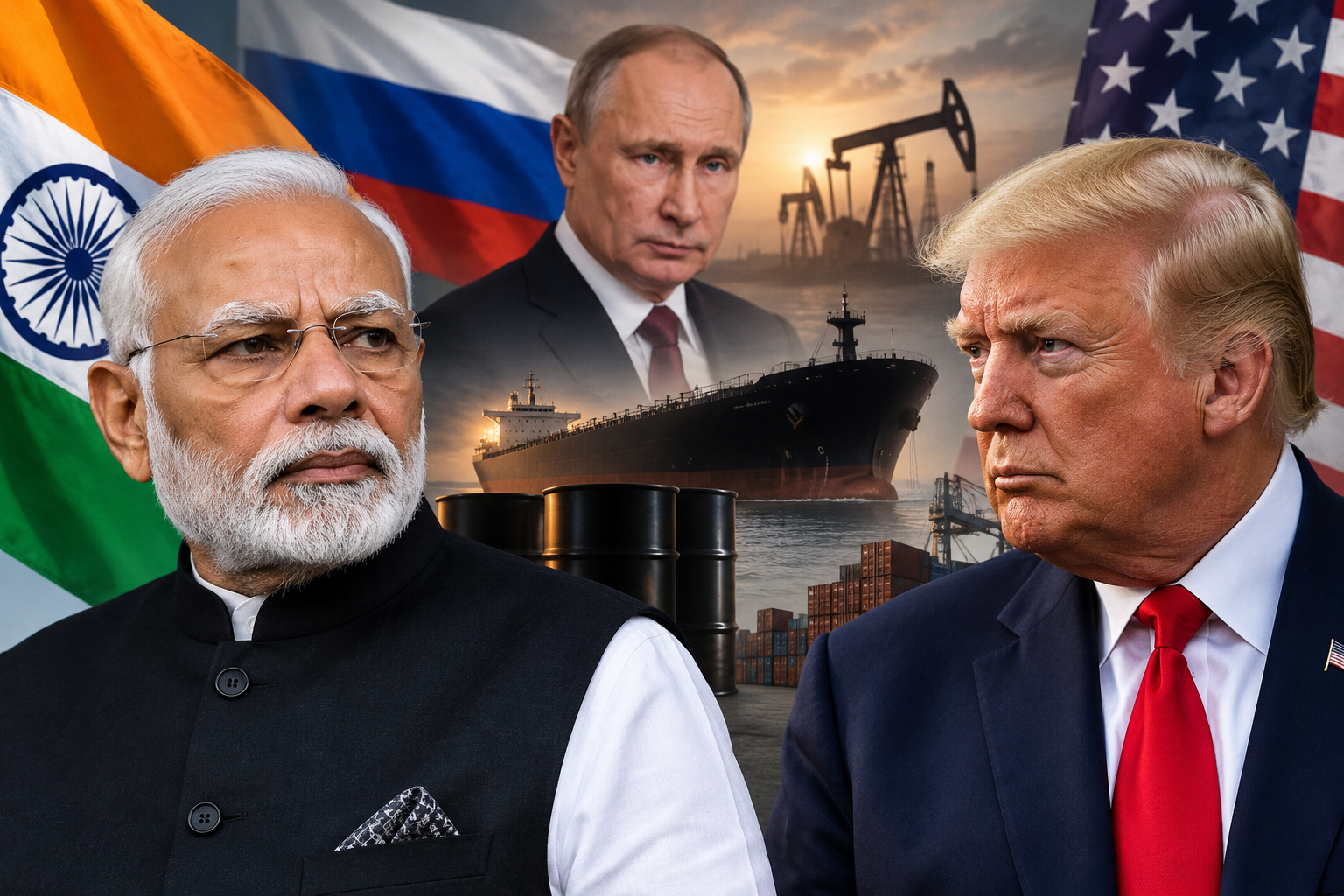
New Delhi: India’s imports of Russian crude oil climbed to a record high in June 2026, increasing 34% from the previous month despite a decline in Russia’s overall oil export revenues, according to a report by the Centre for Research on Energy and Clean Air (CREA).
The report said India purchased €4.5 billion worth of Russian crude during June, representing 83% of its total Russian fossil fuel imports of €5.5 billion. This made India the second-largest importer of Russian fossil fuels after China.
The increase came as India’s overall crude oil imports rose 5.4% month-on-month, with several major refineries significantly increasing purchases of Russian crude.
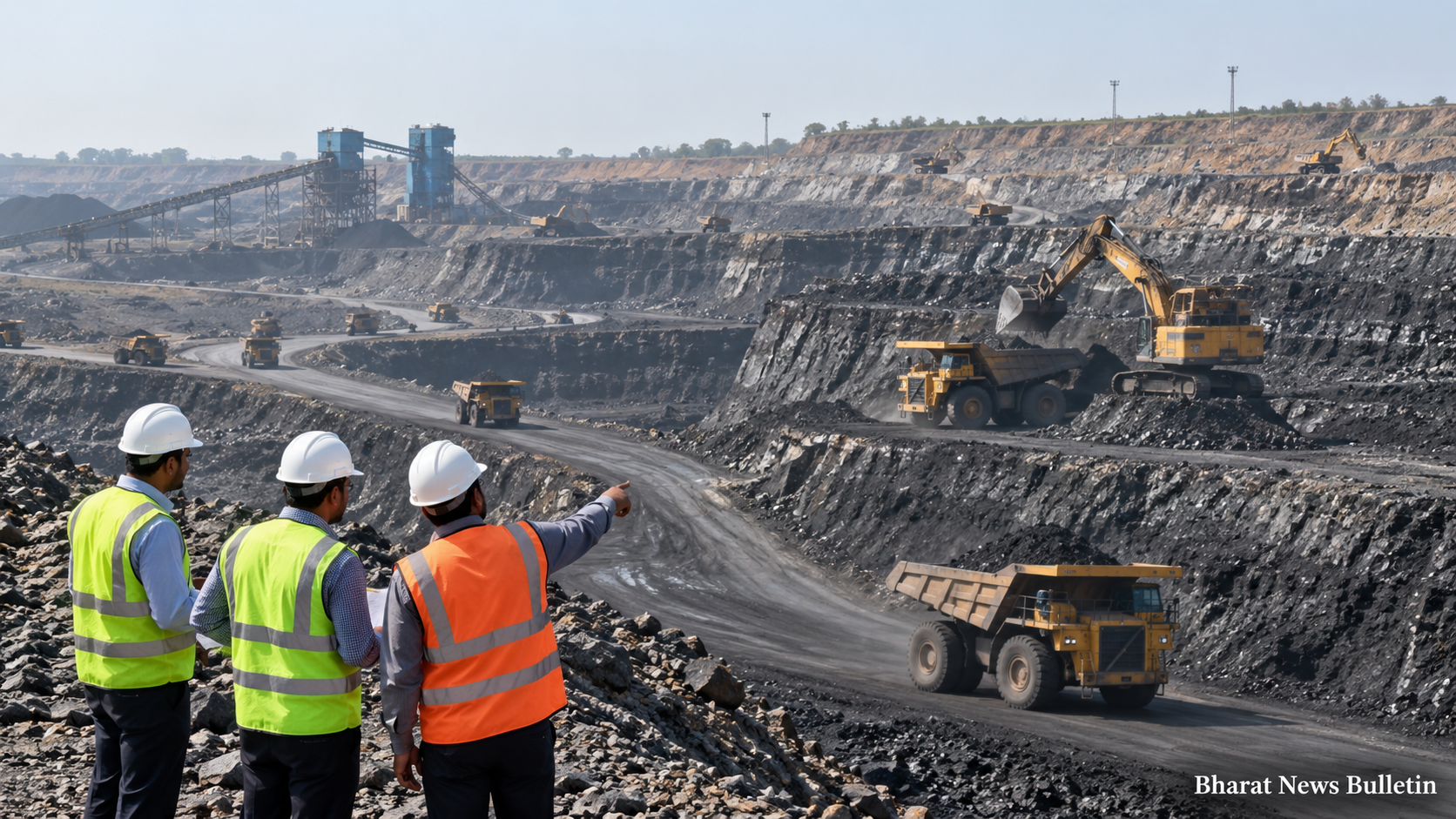
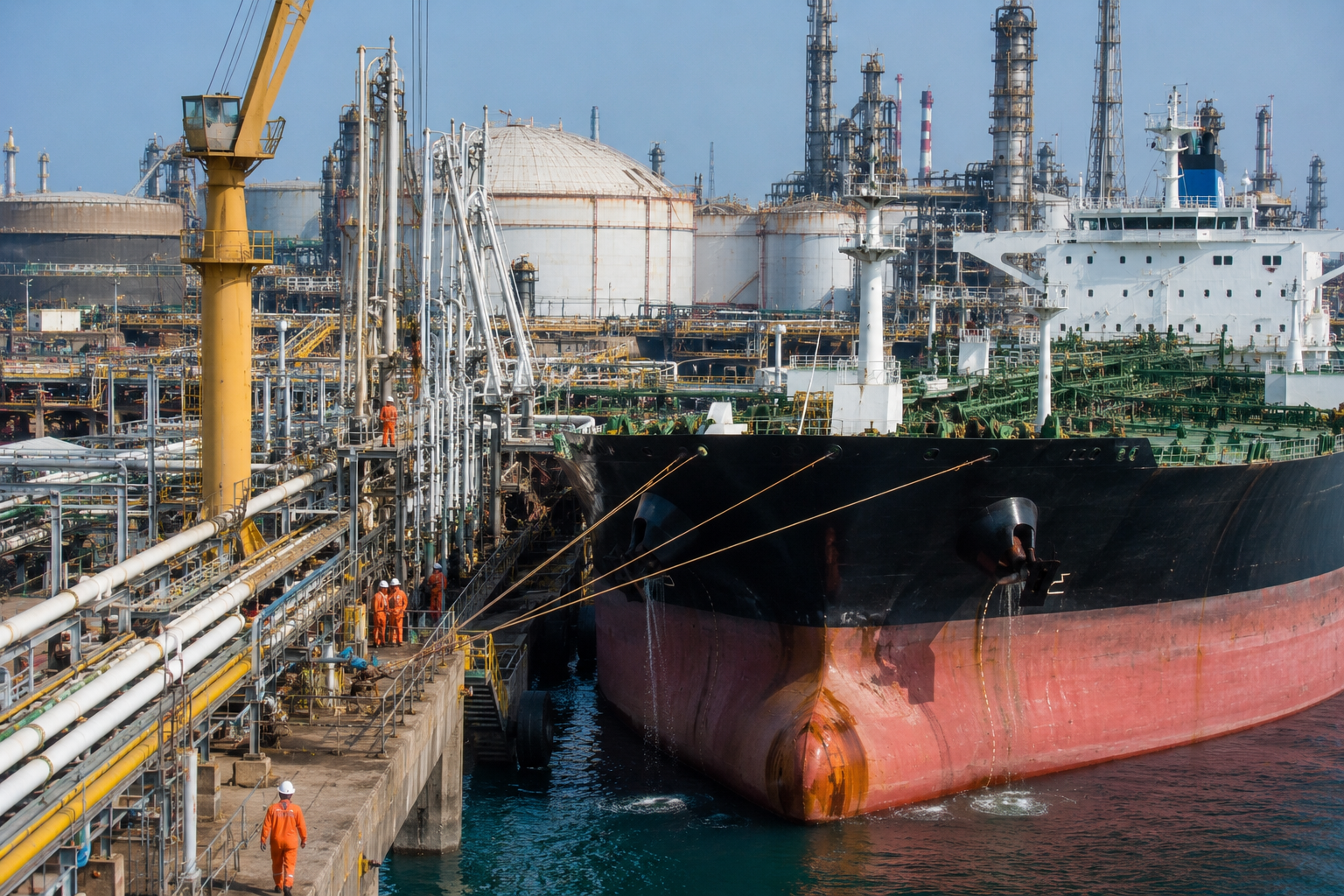
According to CREA, crude deliveries to Reliance Industries’ Jamnagar refinery surged 150% compared with May, while imports at Indian Oil Corporation’s Paradip refinery rose 126%. BPCL’s Kochi refinery and Nayara Energy’s Vadinar refinery also recorded increases of 83% and 45%, respectively.
The higher demand from India contributed to a 14% increase in Russia’s crude export volumes during June. However, Russia’s crude oil export revenues declined 8% month-on-month to €348 million per day, reflecting lower global crude prices.
Despite higher export volumes, Russia’s overall fossil fuel export revenues fell due to softer energy prices, CREA noted.
The report also highlighted India’s continued role in refining Russian crude and exporting petroleum products to international markets, reinforcing the country’s importance in global energy supply chains.