Refinery Exports Fill Russia Supply Gap
New Delhi, September 6, 2026: India has emerged as an increasingly important supplier of diesel to Europe, accounting for around 60 per cent of diesel volumes transiting the Bab-el-Mandeb route to the region in August, according to energy and freight analytics firm Vortexa.
Around 2 lakh barrels per day of diesel and gasoil transited the Bab-el-Mandeb in August on vessels heading towards Europe. Indian refineries supplied approximately 60 per cent of that volume as European buyers sought alternatives amid constrained Russian exports.
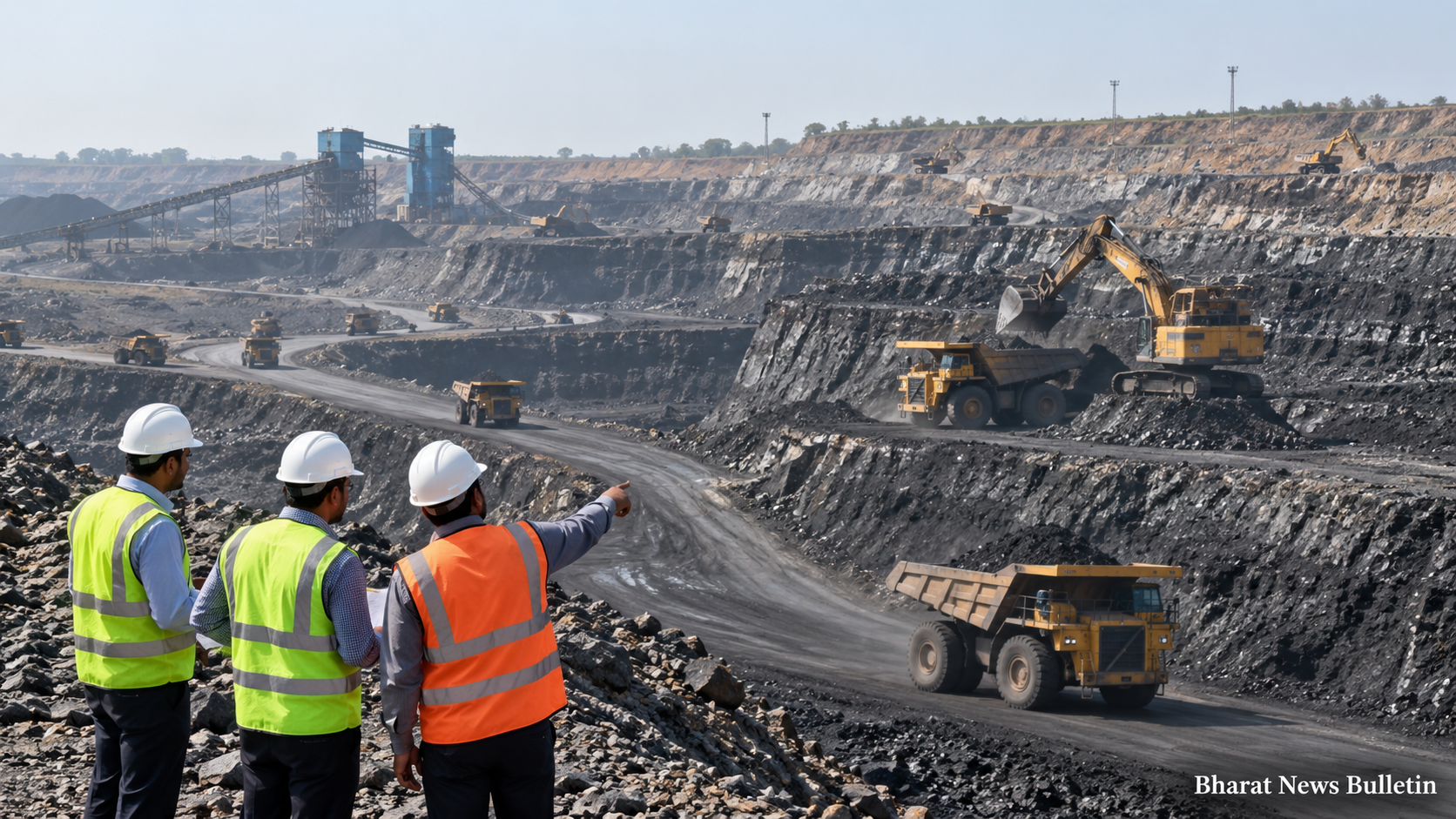
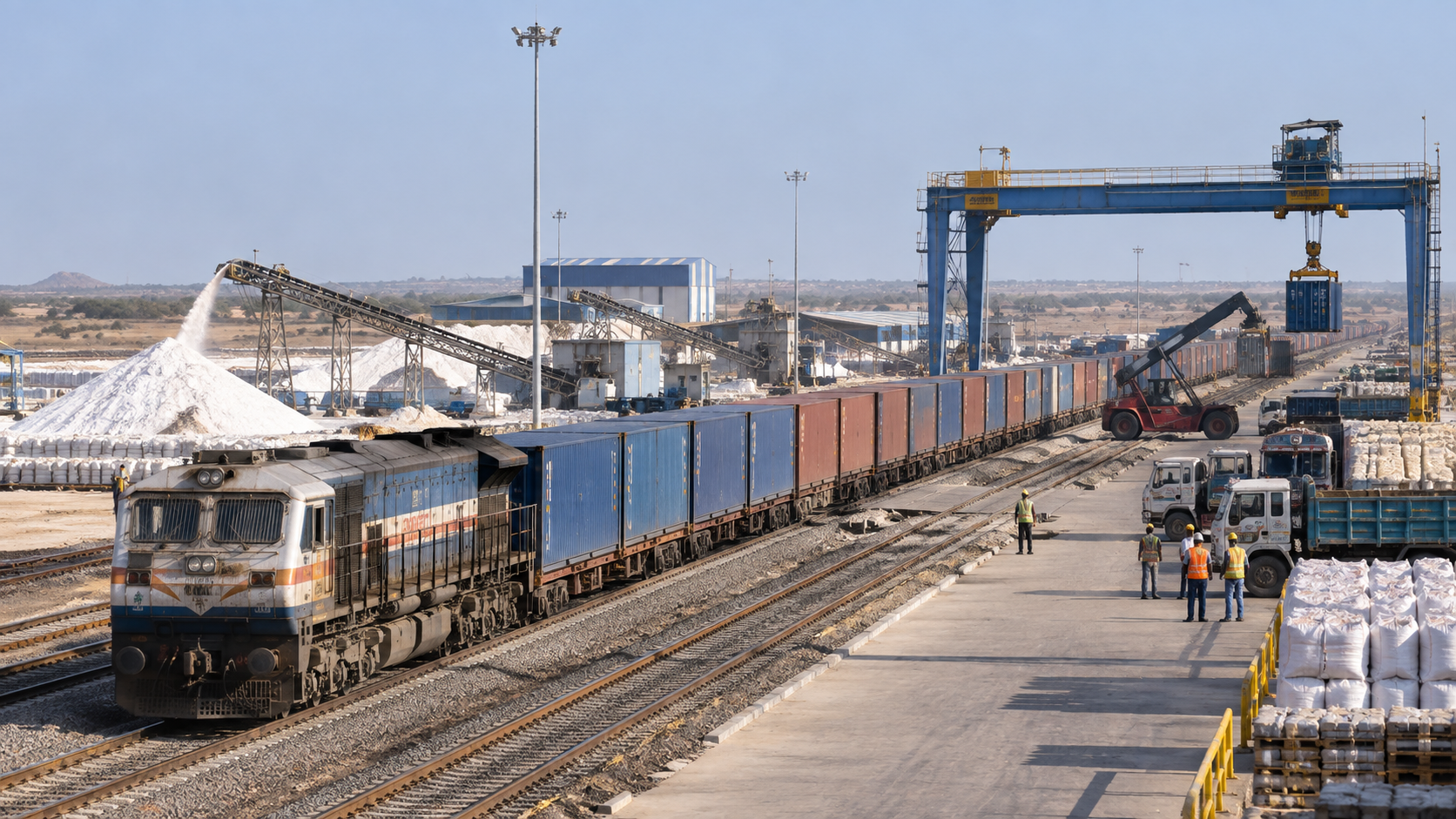
India is the world’s fourth-largest refining country, with installed capacity of around 258.1 million tonnes per year. During 2025-26, India exported approximately 61.5 million tonnes of petroleum products, making it one of the world’s major refined-product exporters.
However, maintaining these flows could become challenging as crude supplies into India have tightened. Crude and condensate arrivals fell to around 3.8 million barrels per day in August, compared with 4.8 million barrels per day a year earlier.
Russian diesel exports have remained sharply below historical levels. Vortexa estimated Russia’s seaborne diesel and gasoil exports at around 1.5 lakh barrels per day during the first 25 days of August, significantly below the previous year and the five-year seasonal average.
Ukrainian drone attacks have also disrupted Russian refining and export infrastructure. An attack on the Perm refinery reportedly left only around 28 per cent of its crude distillation capacity operational.
The US remains another major supplier to Europe, accounting for around half of the region’s seaborne diesel imports from outside Europe in August. However, US shipments declined during the second half of the month, increasing pressure on other suppliers.
India is therefore becoming increasingly important for Europe’s eastern diesel supply routes at a time when Russian exports remain depressed and US shipments are showing signs of weakening.
The situation is particularly significant ahead of Europe’s winter demand period. Low inventories and scheduled refinery maintenance could leave the European market with limited room to absorb further supply disruptions.