Premium Demand Meets Value Shopping
New Delhi, September 6, 2026: India’s e-commerce and quick commerce platforms are preparing for a strong festive shopping season, with analysts expecting healthy growth in transaction value despite more measured volume growth. Consumers are showing a mixed spending pattern, with demand for premium products existing alongside strong bargain-hunting among value-conscious shoppers.
Quick commerce is also expanding beyond groceries into categories such as fashion, electronics and beauty. Counterpoint Research analyst Shubham Nimkar expects the festive season to remain healthy in value terms, although higher prices are likely to make consumers more selective. Premium consumer electronics could perform well, while smartphone buyers may increasingly wait for major online sales events as memory costs push device prices higher.
Research consultancy Infisum expects India’s e-commerce market to rise from USD 125 billion in 2024 to USD 345 billion by 2030, representing an annual growth rate of 18.4 per cent. Online shopping could account for 10-12 per cent of India’s retail spending by the end of the decade, serving an estimated 420-440 million shoppers.
The festive opportunity is also spreading rapidly across non-metro markets. Snapdeal said more than 80 per cent of its sales come from non-metro regions, while Meesho reported that 73 per cent of its Rakhi orders originated from non-metro markets. Infisum found that 66 per cent of new direct-to-consumer orders now come from Tier II and Tier III cities.
Industry players also expect festive demand to begin earlier rather than remain concentrated around Diwali. Fynd reported that D2C Diwali GMV increased 47 per cent year-on-year in 2025, compared with 34 per cent growth in 2024, and expects Diwali GMV growth of 35-40 per cent in 2026.
Artificial intelligence is becoming another important driver of online shopping. Platforms are increasingly using AI for personalised recommendations, image-based searches, trend identification and conversational commerce. Snapdeal said 76 per cent of its orders are now influenced by AI in some form.
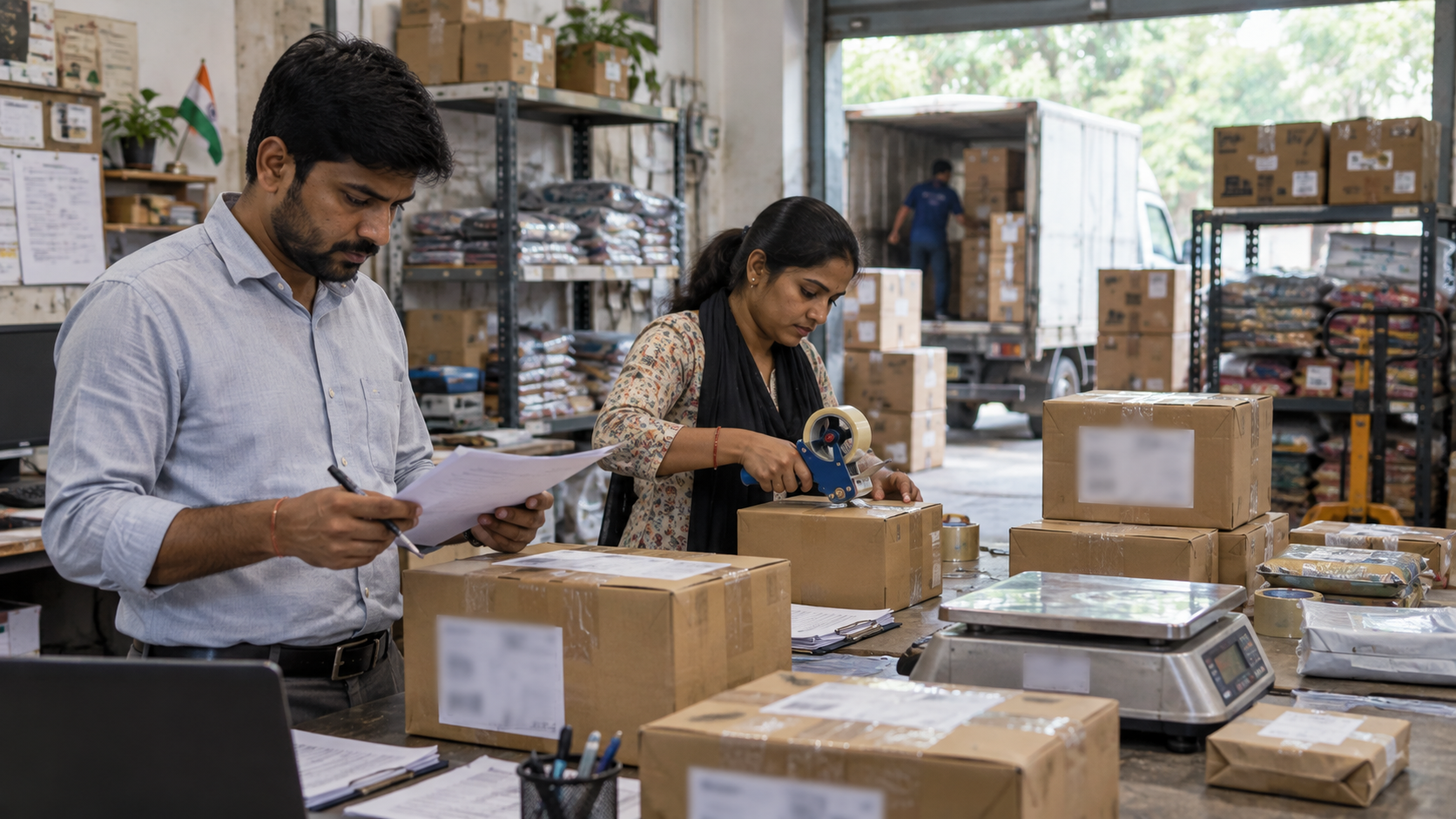
The festive season is also expected to generate significant employment. Amazon India has created more than 1.6 lakh seasonal work opportunities, while Meesho expects to enable more than 10 lakh indirect seasonal jobs across sellers and logistics partners.
Overall, India’s festive shopping season is expected to benefit from rising digital adoption, expanding quick commerce, strong non-metro demand and AI-driven discovery. However, higher prices and cautious consumers could keep volume growth more moderate.