India is exploring a strategic partnership with Russia’s Rosneft to study rare earth reserves in Siberia, aiming to reduce dependence on China for critical minerals.
Key Highlights:
- India is in talks with Russia’s Rosneft on rare earth mineral cooperation.
- Study of Siberia’s rare earth reserves is being considered.
- Move aims to reduce dependence on Chinese supplies.
- Rare earth minerals are critical for EVs, defence and electronics.
- Rosneft recently acquired a major rare earth project in Siberia.
- India and Russia agreed to strengthen critical minerals cooperation.
- Technology partnerships have also been initiated with Indian institutions.
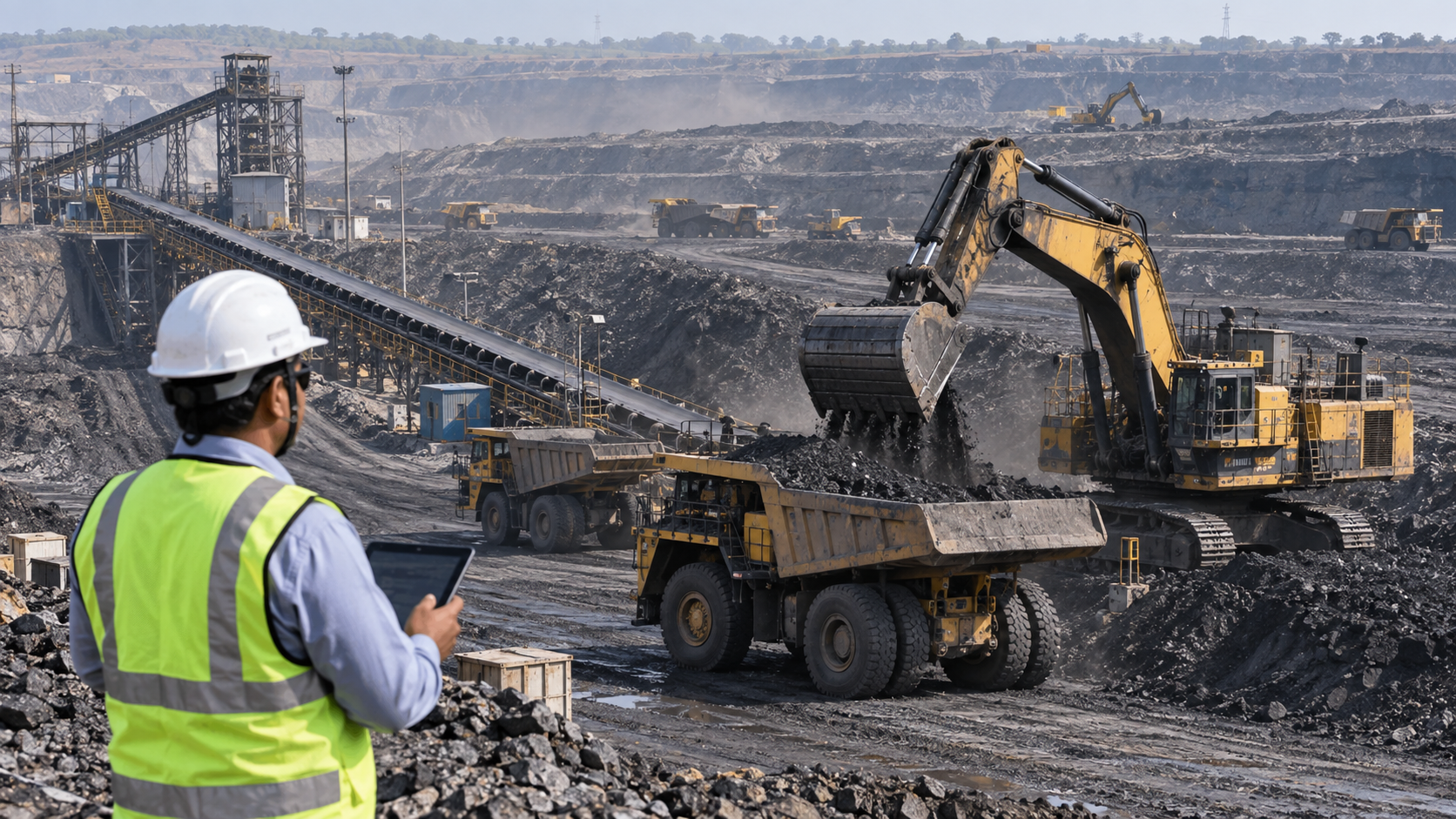
New Delhi, June 20: India is moving to strengthen its access to critical minerals by exploring a partnership with Russian energy giant Rosneft to study rare earth reserves in Siberia. The initiative is part of a broader effort to diversify supply chains and reduce dependence on China, which dominates the global rare earth market.
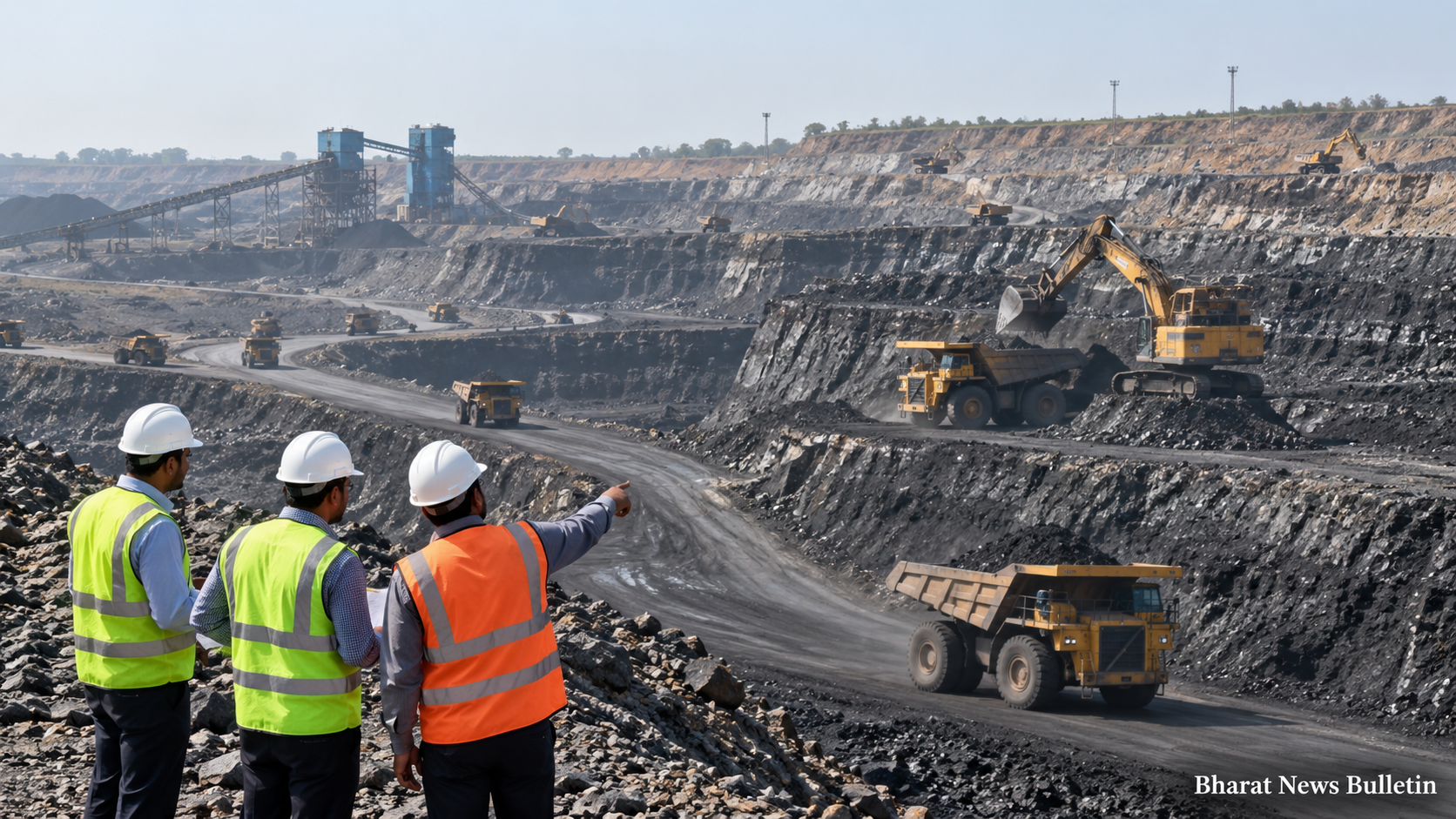
Government sources indicate that discussions are underway with Rosneft, Russia’s second-largest company by market value, regarding the assessment of rare earth deposits in the Tomtor region of Siberia. The area is considered one of Russia’s most significant rare earth resource hubs and has gained strategic importance following Rosneft’s acquisition of the project.
Rare earth elements are essential components in electric vehicles, semiconductors, defence equipment, renewable energy systems and advanced electronics. Concerns over supply security increased after China tightened export controls on certain rare earth-related products and technologies, prompting countries to seek alternative sourcing options.
The proposed collaboration follows agreements reached during the India-Russia Annual Summit, where both countries committed to expanding cooperation in critical minerals and advanced resource technologies. Industry experts believe access to Russian reserves could help India build a more resilient supply chain for high-tech manufacturing and clean energy sectors.
In parallel, Russia’s research organisation Giredmet has signed agreements with Indian partners, including Nexon Geochem and TEXMiN at IIT-ISM Dhanbad, to collaborate on rare earth processing technologies and the development of neodymium-iron-boron (NdFeB) permanent magnets. These technologies are vital for electric mobility, wind energy and defence applications.
If the partnership progresses successfully, India could gain a reliable alternative source of rare earth materials, supporting its ambitions in electric vehicles, semiconductor manufacturing and strategic industries while reducing long-term supply risks linked to a single dominant supplier.