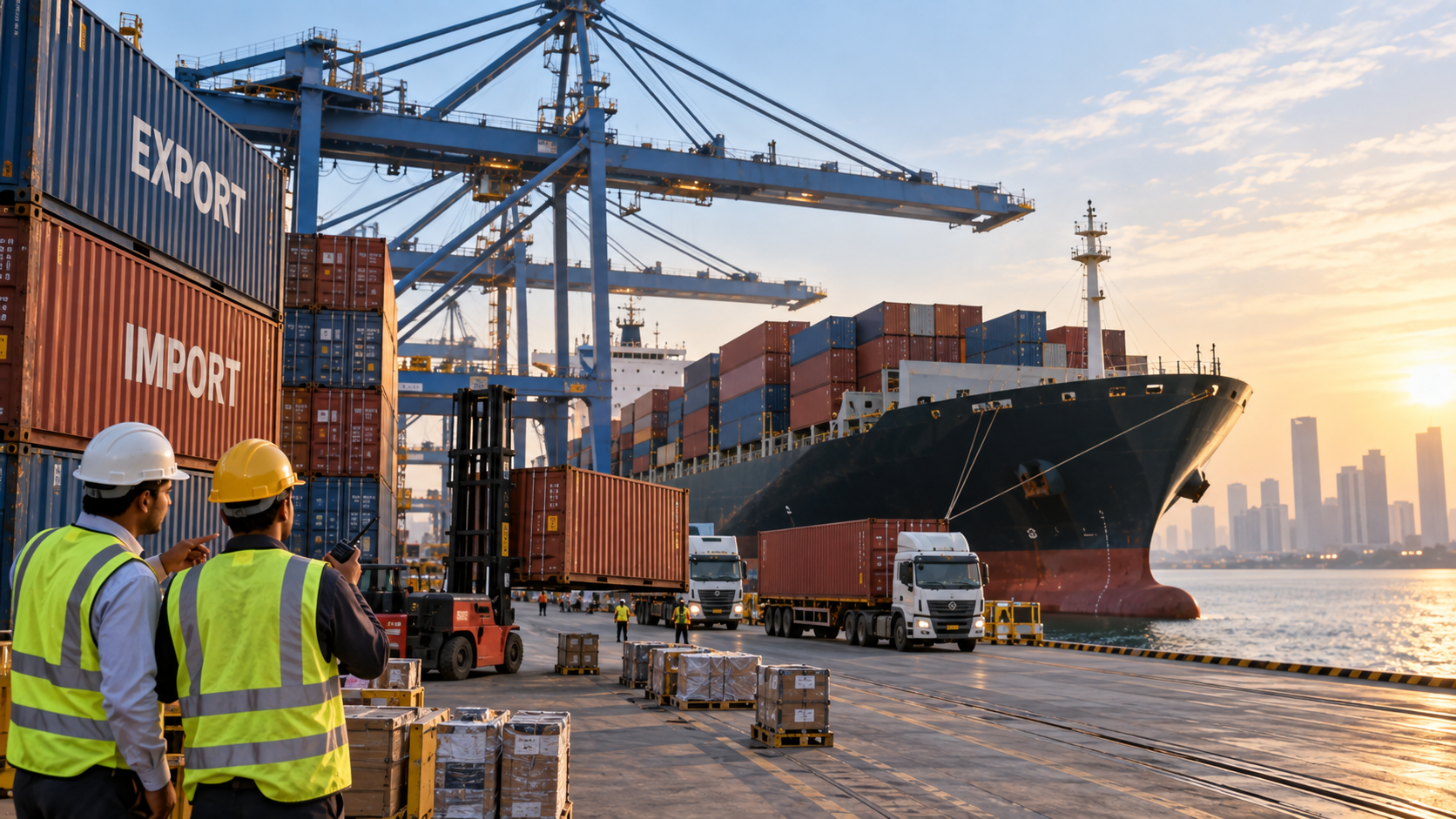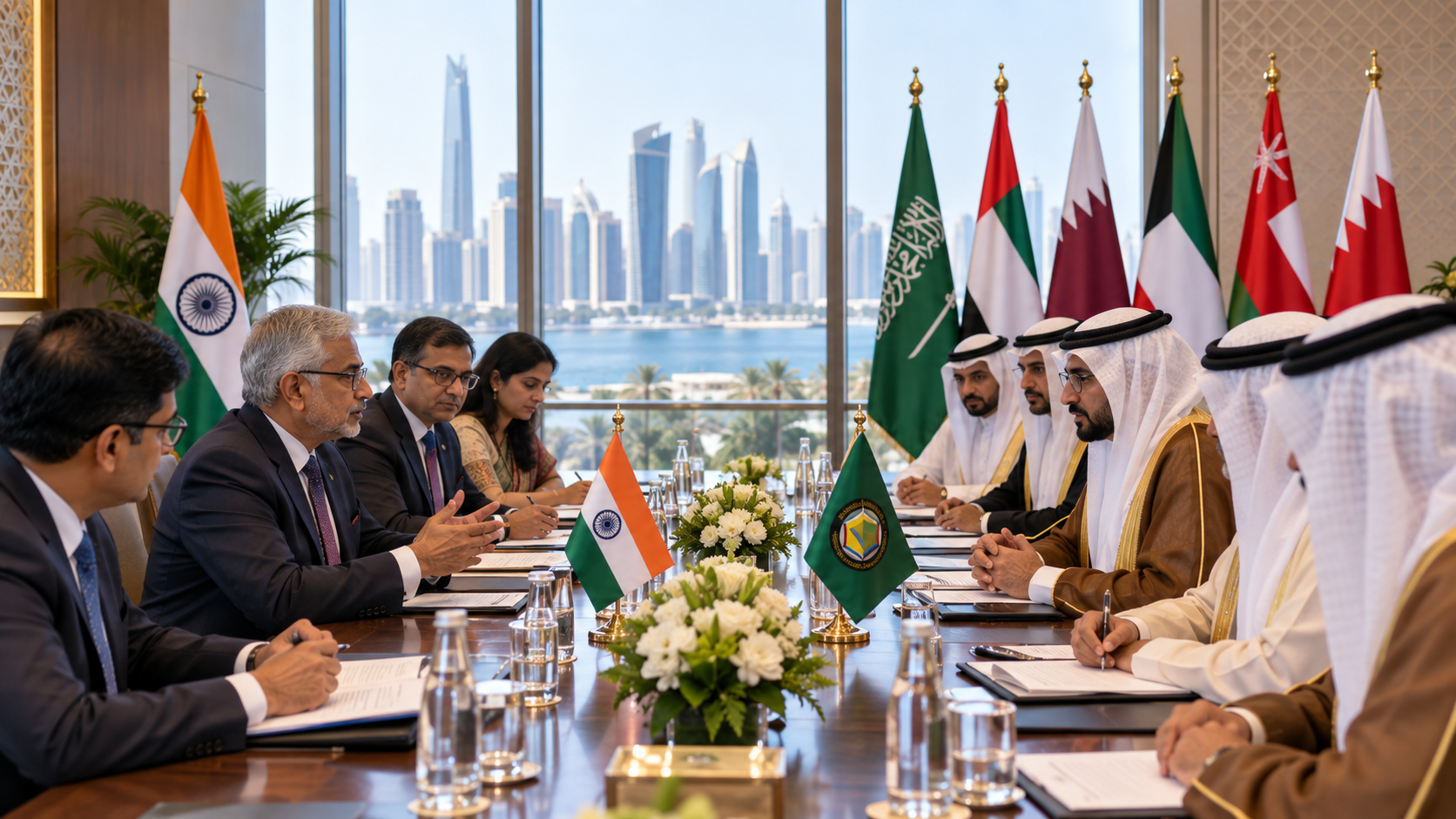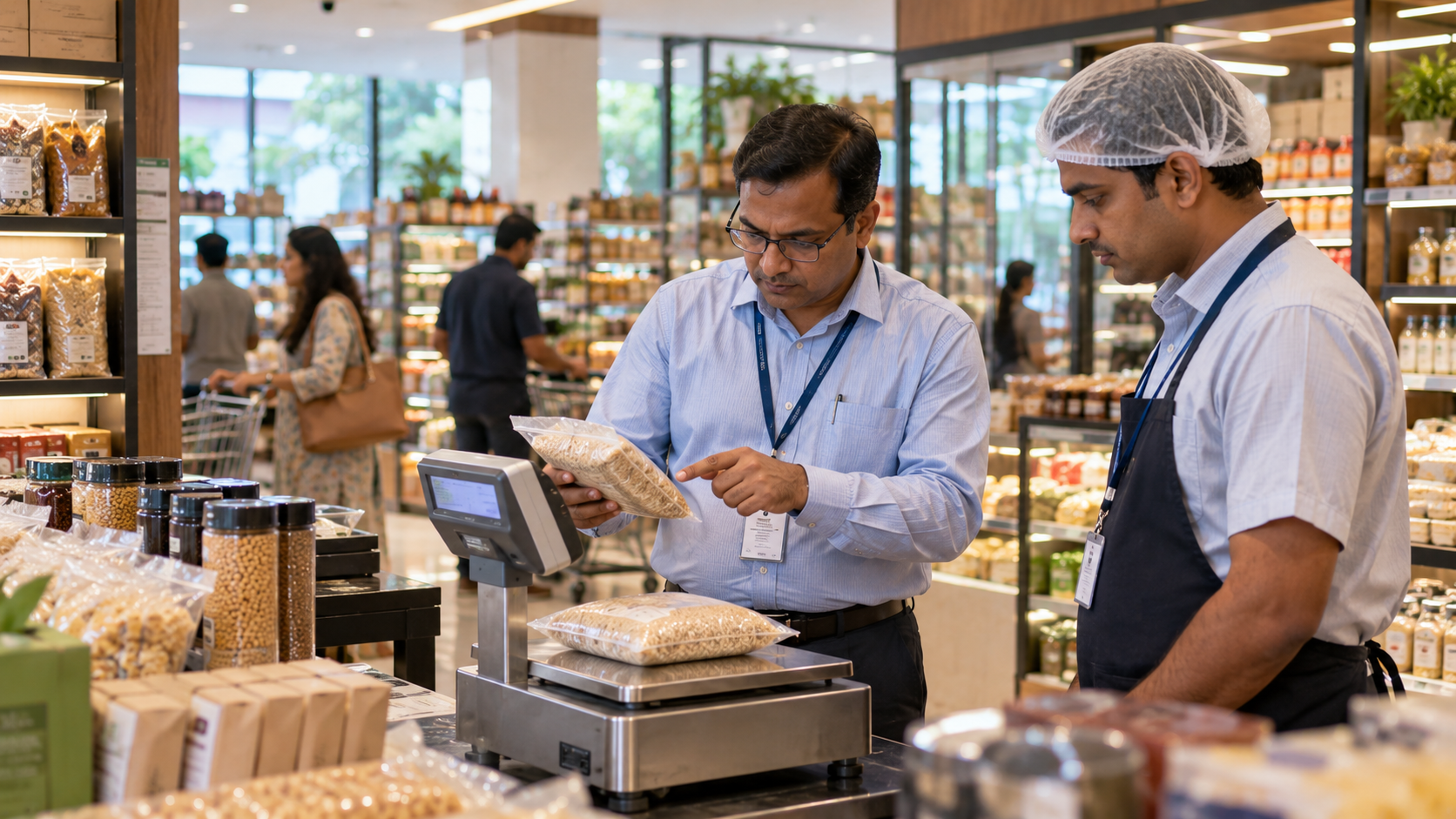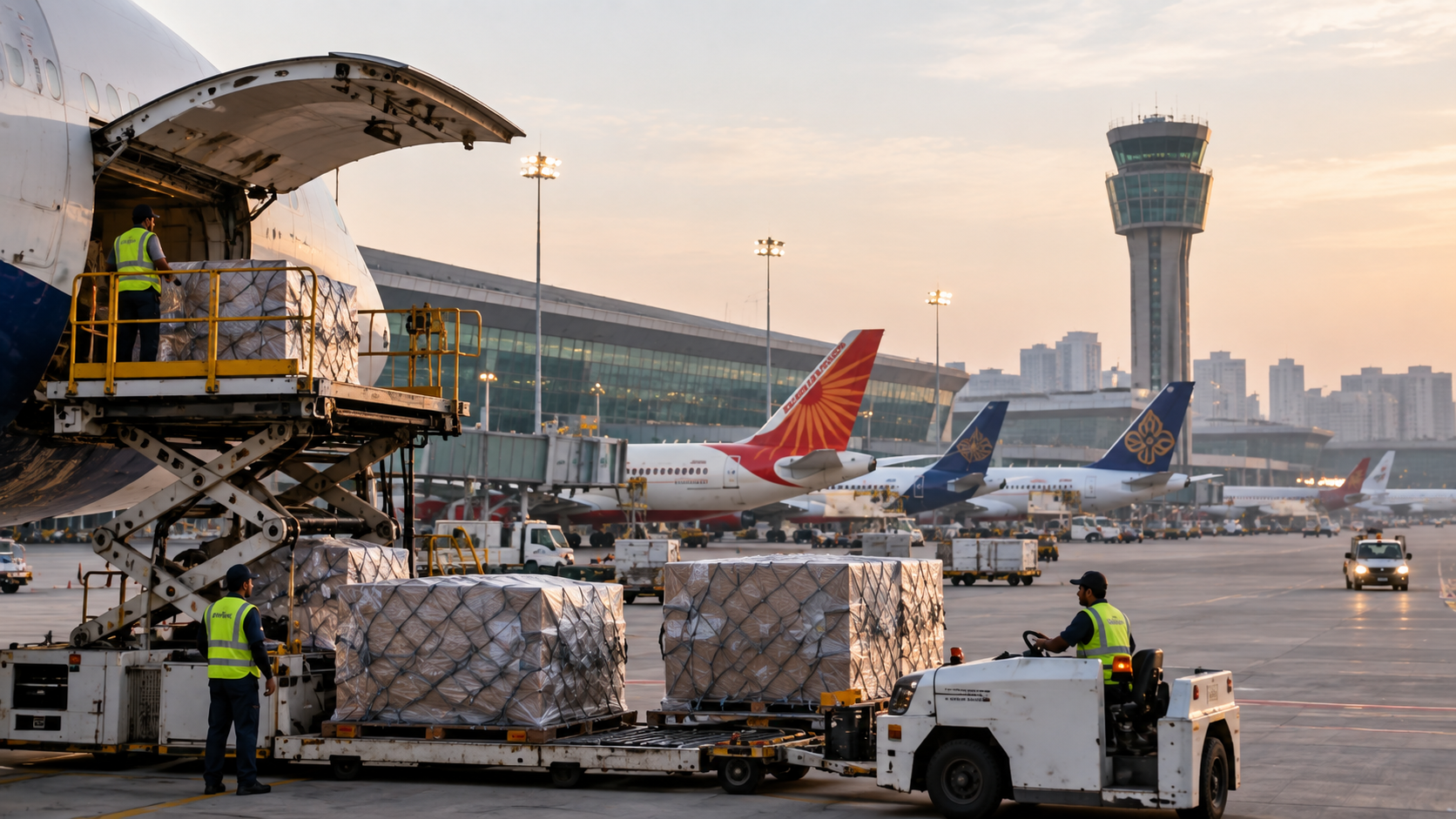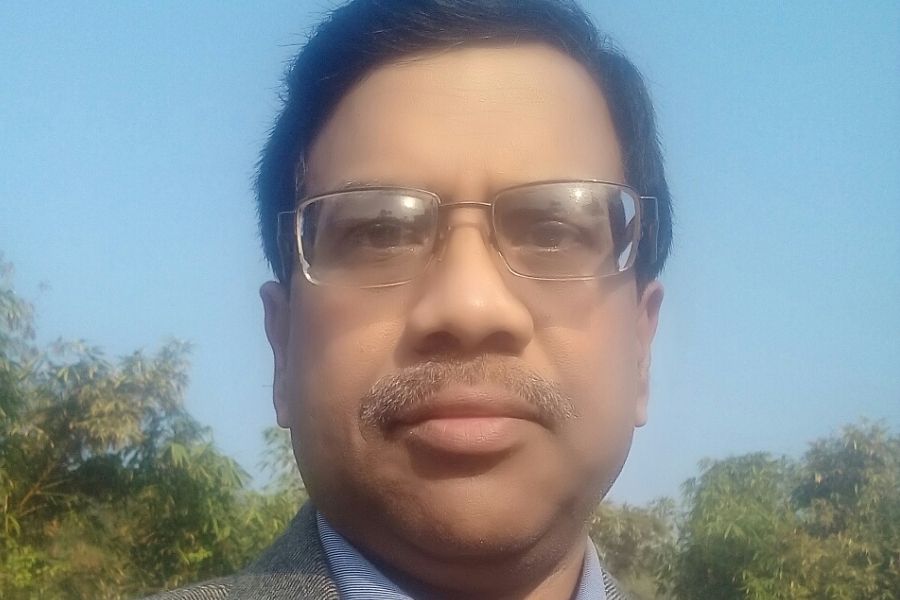
Dr. Basanta K. Sahu, IIFT, agrees that the dynamics of trade have drastically changed and COVID-19 presents an opportunity to explore new trade partners, markets and products. India should explore new markets, particularly in Africa and Southeast Asia through favourable trade agreements. Also, India’s production advantages in food products provide an excellent opportunity to diversify its agricultural trade basket.
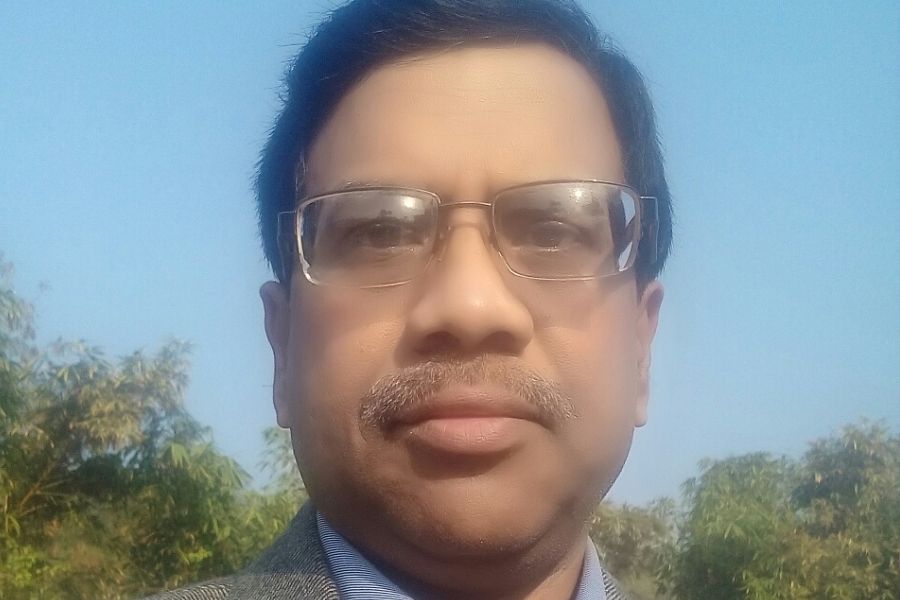
IBT: In your view, what has/have been the most defining and transformative impact(s) of the COVID-19 pandemic on global trade, which could potentially be more long term in nature?
Dr. Basanta Sahu: The impact of COVID-19 has permeated across all sectors and countries alike. It has left its imprints on the global economy, trade, employment & investment. Some typical macroeconomic variables can be used to gauge its impact – production, consumption, exchange, investment, climate, trade flow. At a global level, institutions like the WTO and World Bank are predicting around 10% dip in international trade due to COVID-19 this year. It will have huge adverse impact on individual economies.
If you take the region as a whole, perhaps from the trade perspective, Asia is much better than US and Europe, because decline in important export sectors is much lower compared to percentage decline in trade in US and Europe. However, the situation at the country level is particularly very bad for India as compared to other countries.
IBT: According to some industry bodies, COVID-19 will create a trend toward a more fragmented and protectionist global economy, with higher restrictions on trade, investment and technology transfers. How is this expected to impact trade dynamics and economic growth across developed and developing nations?
Dr. Basanta Sahu: Be it developed nations or developing ones, global trade is restricted these days. This is because many countries have now become more protectionist using both tariff and non-tariff measures, given their dismal domestic economic conditions. India has also followed the cue as an obvious reaction to this unprecedented crisis, which unlike before like the 2008 crisis, has the whole world within its grip. The drop in indicators like GDP, employment, investment & trade is much steeper this time.
However, while countries can put trade restrictions on a few strategic commodities, trade cannot be altogether halted because remember, trade and economic growth are very closely linked. If trade is restricted, it has an impact on the GDP growth, and that has an impact on employment, investment, income, consumption and everything else. Trade is the reason for not just growth, but also for employment & investment. Therefore, countries must focus on reviving global trade instead and at the earliest.
Another point worth noting is growing globalization of production and markets. Earlier, most things were produced at one location; but now it is no more viable to do so. Instead, it’s more economical to reduce the cost of production by distributing production to different locations. That’s why most nations are trading in intermediaries these days. So, if trade in inputs/intermediary goods is limited, it can have an impact on the domestic production system, exports & hence the global supply chains. This will have repercussions for economies across the world.
IBT: What factors will determine the relative pace of trade recovery across exporting countries. How do you view India’s post-COVID export performance (till September), potential and challenges in the coming quarters vis-a-vis other major developing countries?
Dr. Basanta Sahu: Trade recovery was a challenge prior to the pandemic too. But coronavirus has made it even more difficult and urgent. The recovery will be aided by domestic policy responses and global negotiations. International coordination is very important in the former case. But at the national level, early improvement production, consumption and exchange are integral to revival. COVID-19 has impacted production both from supply site and input supply since raw materials are imported. As far as consumption is concerned, many people have lost their jobs, their income is not there so their disposable income is very low. They are either postponing their present consumption or they are reducing their normal consumption. So, consumption rationalization is there in many cases. Coming to exchange, it is affected largely because most of our markets are down, supply chain disrupted. Unless these domestic production systems & domestic consumption improve, domestic & international exchange won’t do well. In order for this to happen, there are few sectors which should be given priority and should be focused on. However, markets should be allowed to function freely.
IBT: Recent WTO projections about the decline in global trade by 9.2% over its April projection of 12.9% shows optimism but the trade was mainly driven by healthcare and Covid-19 products. Which other product categories do you see driving trade growth as countries recover from the impact of lockdowns and why?
Dr. Basanta Sahu: No country can afford to ignore trade, but how much time it will take to recover is difficult to say. Investors might be risk averse when it comes to investing their capital these days. To address this, the government can assure and create a level playing field for these activities to happen. But unless investors, producers and supply side players are not assured, they will not put in their money.
As far as trade in medical and pharmaceutical products is concerned, these are essentials. When there is an urgency or emergency, you cannot say it is market driven; you can say it’s driven by unforeseen factors and prices. But that needs to be corrected by the market and trade expansion.
It is difficult to identify which sectors are priority sectors for boosting trade. But from the Indian perspective agricultural and allied activities are doing well. So, there is a possibility of high value food exports because of India’s surplus production of food and other variety of agri-products. Labour intensive manufacturing sectors like construction, textile and handicrafts could also have bright export prospects. MSMEs have a lot of potential. However, the problem with MSMEs is until the market is not settled, nobody will come and invest or start their production. Lastly, some services like financial business and IT services can also be explored.
IBT: Given the rising protectionism and lack of consensus, can we expect a more decisive shift to the bilateral/regional trade engagements? Given past experience, how should India adapt its approach to FTAs going forward and which partners should be prioritized?
Dr. Basanta Sahu: The dynamics of trade have drastically changed and COVID-19 presents an opportunity to explore new trade partners, markets and products as well. India should explore new markets, particularly in Africa and Southeast Asia. This is because East African countries and Southeast Asian countries are very receptive to non-Chinese trading partners. India should leverage its experience of RCEP to draw favourable trade deals with them. This trade policy initiative should be designed remove the export restrictions & to liberalise imports, particularly imports of inputs. India has scope to participate in the larger forum of trade groups. It can explore PTAs with multiple players.
IBT: What impact will the countries resorting to shortening their supply chains and making domestically-oriented policies have on operations of MNCs and consumers across the globe?
Dr. Basanta Sahu: If Aatma Nirbhar initiative is meant to replace imports , then it will affect India’s trade perspective and growth. Foreign investors will be attracted to India only if they have an overall supportive ecosystem. At the same time, if domestic producers & suppliers are not competitive enough in international markets, their long-term survival is uncertain. Being self-reliant may be beneficial in the short run, but if all economies become self-reliant, there won’t be any trade. However, at the same time, the economy cannot be completely open; certain crucial sectors need to be regulated strategically.
IBT: India’s growth in economy and trade in pre-pandemic period has been compared with nations like Vietnam and Bangladesh. What factors have driven these countries to improve their performance in international trade?
Dr. Basanta Sahu: It is true that Bangladesh is doing much better than India, economically and socially. Vietnam was languishing as a socialist country few decades ago but emerged as one of the high growth economies mainly due to change in its economic, trade and investment environment. Even pre-pandemic, companies that we thought will come to India, have ended up in Vietnam, Indonesia and Philippines. India’s main problem is that we have been unable to maintain that liberal attitude or spirit of ease of doing business.
Bangladesh is more structurally organised now than India, particularly in the trade sector. They are more open and reformed, which is a driver for high growth. In fact, India’s economic growth rate now is much lower than that of Bangladesh, albeit on a higher base. One factor driving this is demographics. Around 30 years back, the fertility rate in Bangladesh was at 6%, while India was at 4.8%. They have now reduced to 2%, while India is still at 2.48%. Moreover, a high proportion of Bangladesh’s population is working group population. The higher labour force is making labour costs more attractive for FDI. This is particularly true for textiles, where 44 lakh people are employed, out of which 70% are women. They are doing much better than India on empowerment of women. On the other hand surplus labour has moved out and is sending remittances from abroad. Both factors have been helpful for Bangladesh’s economy.
Vietnam was in a dire state before its doi moi reforms in 1986. They have been able to unleash strong export-led growth in the past decade. They have leveraged multi-modal logistics and ports much better with their extensive coastline. Vietnam’s trade reforms are admirable – their preferential and free trade agreements have been well executed, including the Comprehensive and Progressive Agreement for Trans-Pacific Partnership (CPTPP). Vietnam is now a socialist market-oriented economy. Labour laws are so flexible, and it help the labour engage in a variety of export-oriented sectors.
IBT: Globally, countries are panicking on food security and hoarding food products. Being a leading food producer with a surplus, what opportunities does this provide India and how should it leverage the same?
Dr. Basanta Sahu: India was one of the largest producers of agricultural products, so it is naturally a leading exporter of these commodities. India should leverage its surplus production of food and agri-products and augment its exports further. Since most of its exports are centred around cereals, India should also boost exports of some high value agricultural products. The ongoing crisis & the bumper crop output due to a good monsoon present an excellent opportunity to do so. African or Asian countries can be tapped for the same.
Dr. Basanta K. Sahu is a Faculty in Economics Division, Indian Institute of Foreign Trade (IIFT), New Delhi. Views expressed are personal.