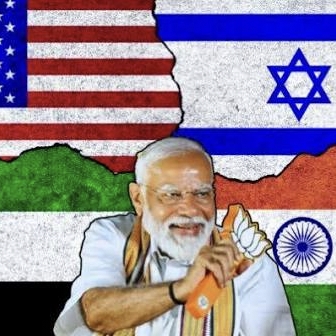
Reopening of Strait of Hormuz expected to lower energy costs, ease inflation pressures and strengthen growth prospects
Highlights
- Peace agreement ends months of conflict and restores stability in West Asia.
- Reopening of the Strait of Hormuz expected to stabilize global oil and gas supplies.
- India likely to benefit from lower energy import costs and reduced inflation risks.
- Iran claims strategic victory, while the United States hails a diplomatic breakthrough.
- Israel raises concerns over the agreement’s long-term effectiveness.
New Delhi, June 15
The end of the Iran conflict following a newly brokered peace agreement has brought significant economic relief for India, which had faced mounting energy and trade pressures during the prolonged crisis in West Asia.
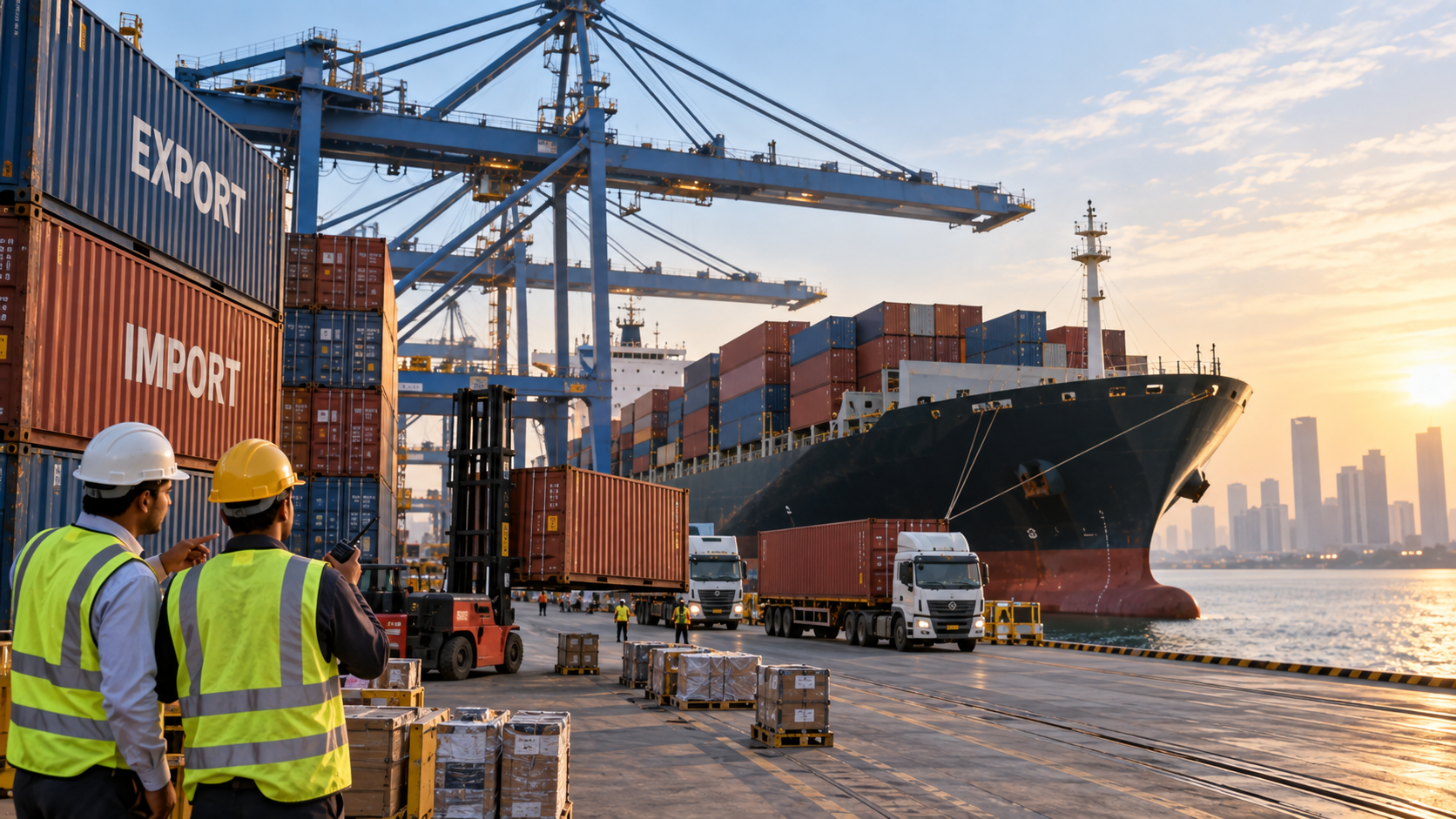
The conflict exposed India’s heavy dependence on the region for its energy needs. India sources nearly 50 per cent of its crude oil imports from West Asia, along with around 70 per cent of its liquefied petroleum gas (LPG) supplies and nearly 90 per cent of its liquefied natural gas (LNG) imports. Disruptions to shipping routes through the Gulf, particularly concerns over access to the Strait of Hormuz, had sharply increased India’s energy import costs and heightened inflationary pressures.
Economists believe the reopening of the Strait of Hormuz and the restoration of normal maritime traffic will help stabilize global energy markets. Lower oil and gas prices are expected to ease pressure on India’s import bill, support the rupee and improve the country’s growth outlook in the coming months.
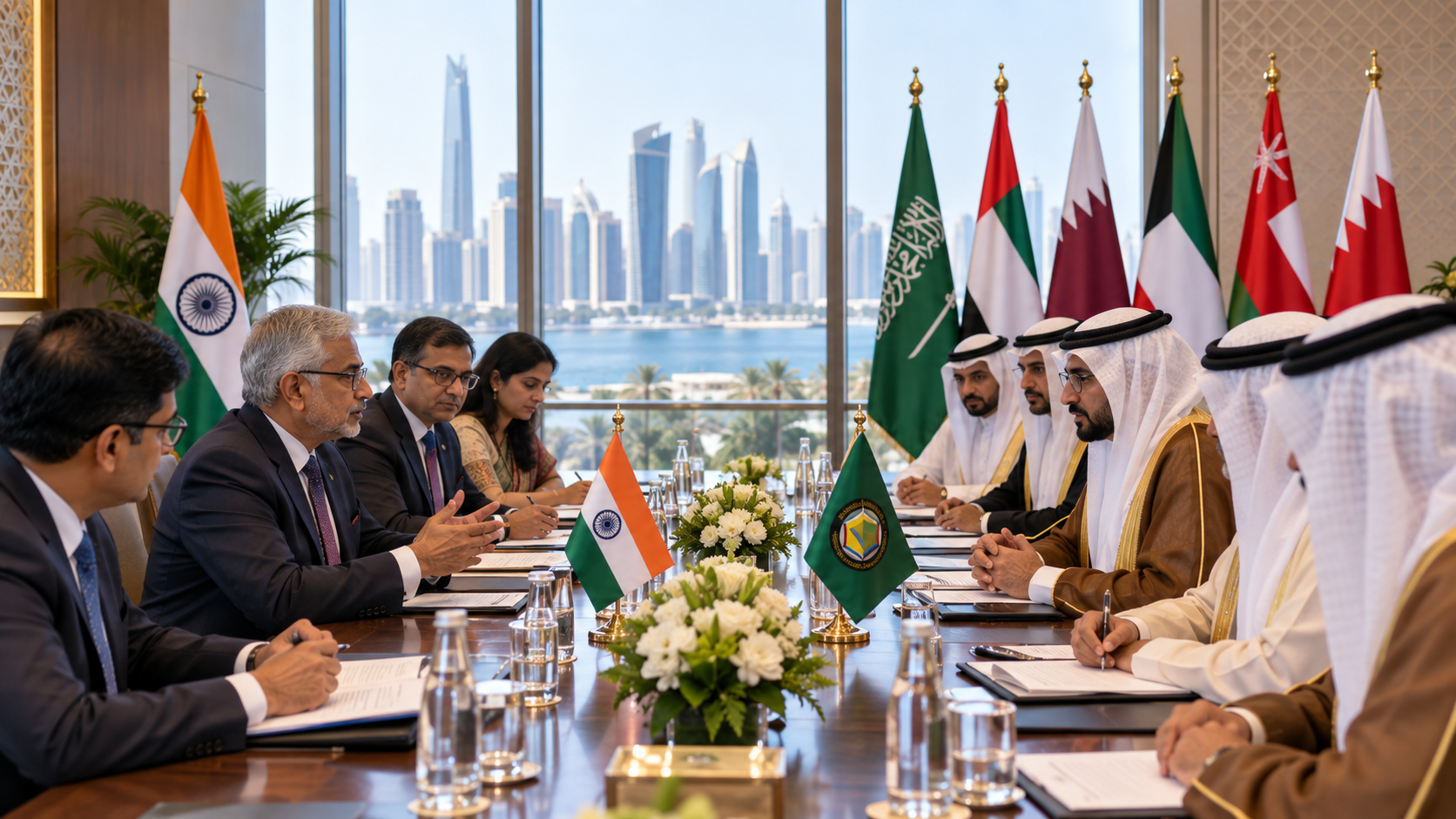
The agreement has also been welcomed by Indian industry, which had expressed concerns over rising fuel costs, supply chain disruptions and uncertainty in international markets. Analysts said the return of stability in the region could provide a boost to investment sentiment and help moderate inflation.
The United States has described the agreement as a major diplomatic breakthrough that will restore regional stability and secure vital global energy flows. Officials in Washington argued that the deal creates an opportunity to reduce tensions and prevent further military escalation in one of the world’s most strategically important regions.
Iran, however, has portrayed the outcome as a strategic victory. Deputy Foreign Minister Kazem Gharibabadi confirmed the agreement and said Tehran had achieved its key objectives. Senior Iranian military leaders claimed the country had compelled the United States and Israel to enter negotiations by demonstrating its ability to sustain resistance and impose substantial costs on its adversaries.
Israel has reacted cautiously to the accord. Prime Minister Benjamin Netanyahu and Defence Minister Israel Katz have criticized the framework, arguing that it leaves Iran’s missile programme, regional proxy networks and nuclear capabilities largely intact. Israeli officials have also expressed opposition to the release of frozen Iranian assets and other economic concessions granted to Tehran as part of the settlement.
The differing interpretations of the agreement underscore its fragile nature and raise questions about its long-term durability. Analysts noted that for the peace framework to succeed, Washington may need to restrain actions by regional actors that could undermine the agreement and reignite tensions, threatening the stability that energy-importing nations such as India urgently require.