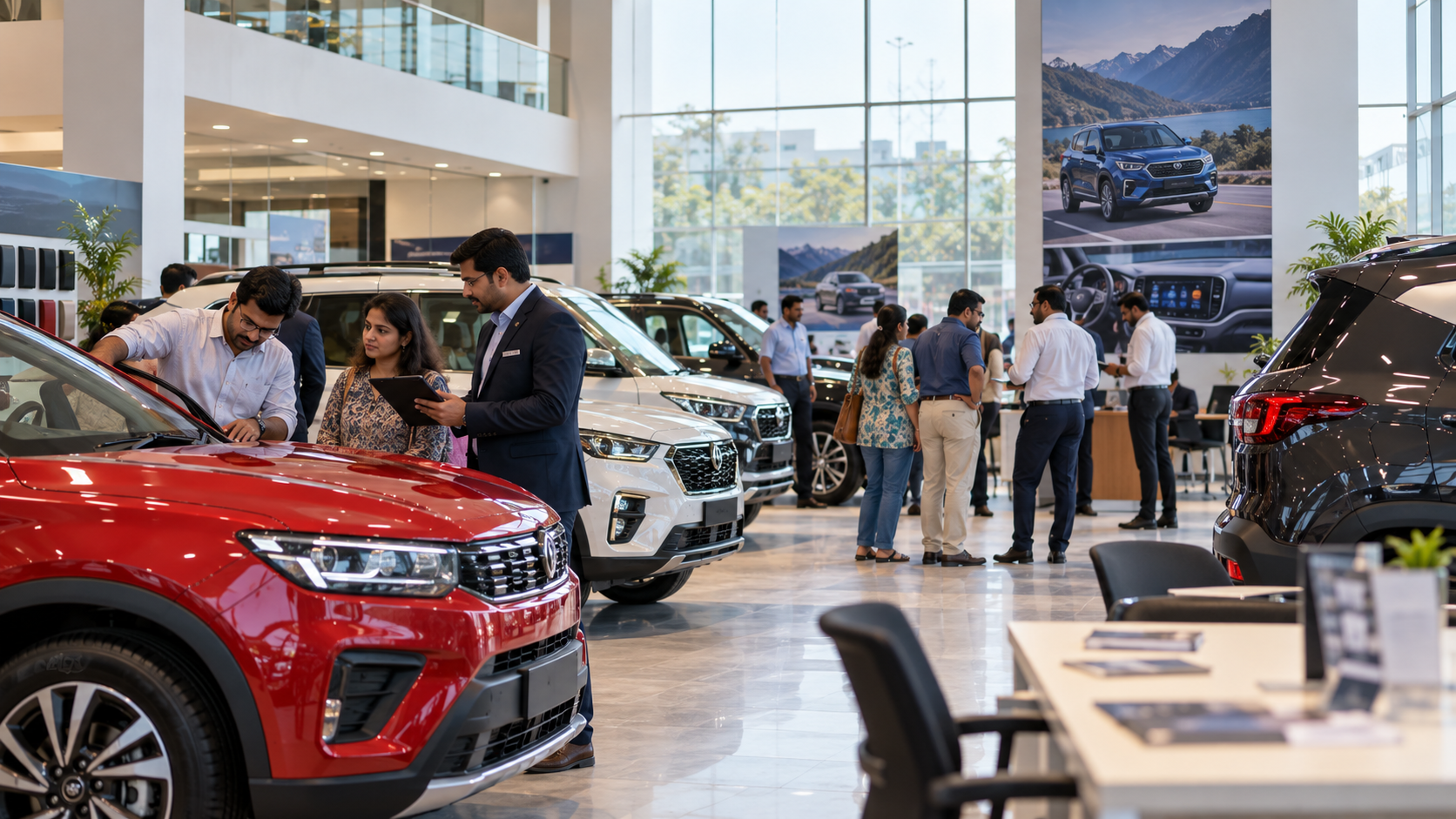
Legacy luxury carmakers are facing stronger competition in India as newer premium brands expand their presence and challenge the dominance of established names such as Mercedes-Benz, BMW and Audi.
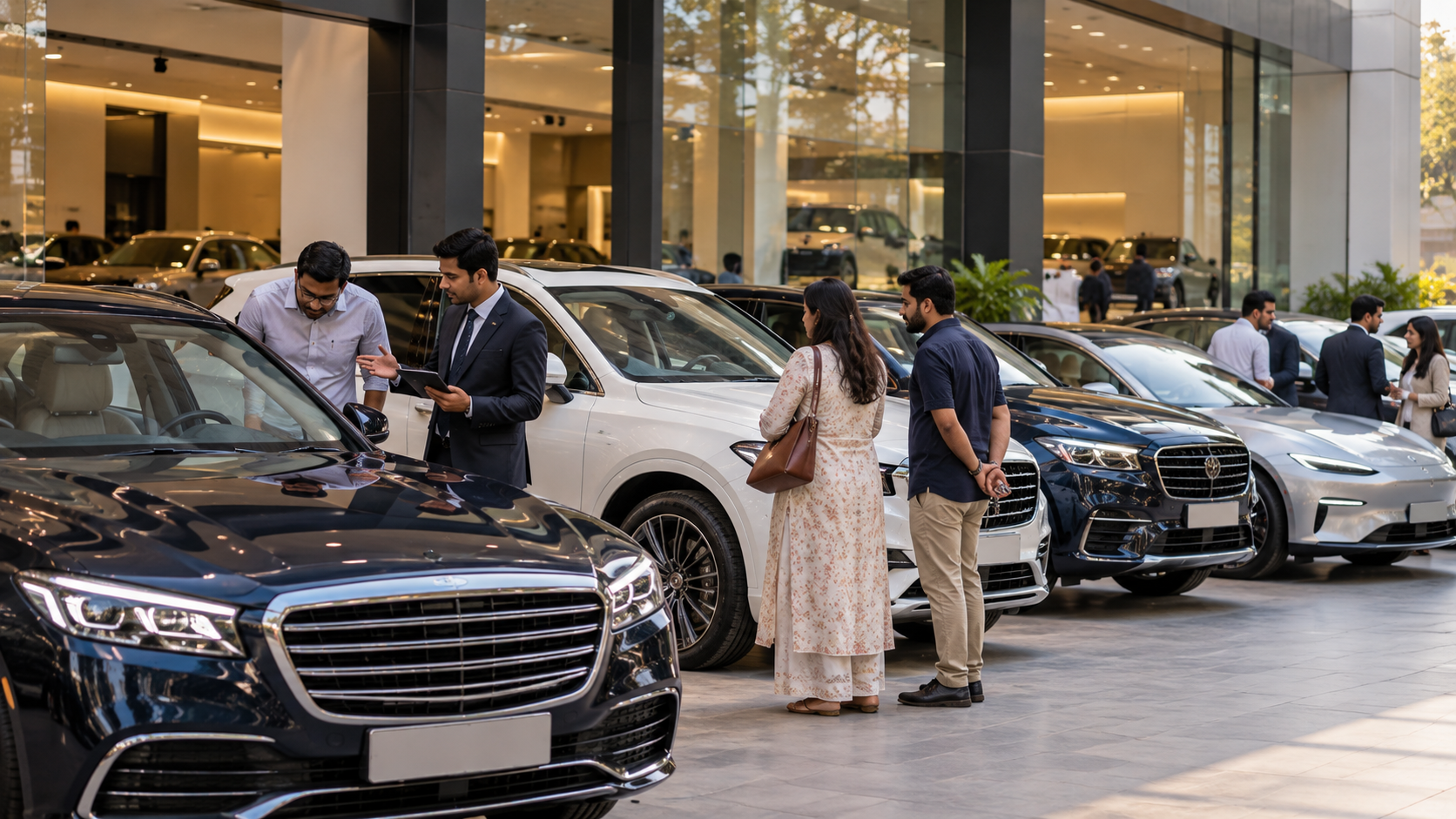
India’s luxury automobile market is becoming increasingly crowded as newer brands and premium models compete for buyers who previously gravitated primarily towards traditional European luxury marques.
According to the supplied report, Mercedes-Benz, BMW and Audi continue to have a strong presence, but their combined share of the luxury-car market has declined as competition increases.
The report’s January–August 2026 sales data shows BMW leading among the highlighted traditional luxury brands with 12,955 units, followed by Mercedes-Benz with 11,955 units and Audi with 3,797 units.
Newer premium competitors are also building meaningful volumes. Volvo recorded 2,466 units, while Tesla sold 1,053 units, according to the figures presented in the report.
The changing market is being driven partly by an expanding range of premium vehicles available to Indian consumers. Buyers who once primarily considered established German luxury brands now have alternatives across electric vehicles, premium SUVs and other high-end models.
The report notes that brands such as Toyota, Kia and MG have also introduced premium products that can potentially attract customers who might otherwise have considered vehicles from Mercedes-Benz, Audi or BMW.
This is widening competition beyond the traditional definition of the luxury-car segment. Established manufacturers are therefore competing not only with one another but also with premium offerings from a broader group of automakers.
The shift reflects a luxury and premium vehicle market where buyers have a growing selection of brands, technologies and vehicle formats to choose from.