Technology Drives Production, Logistics Transformation
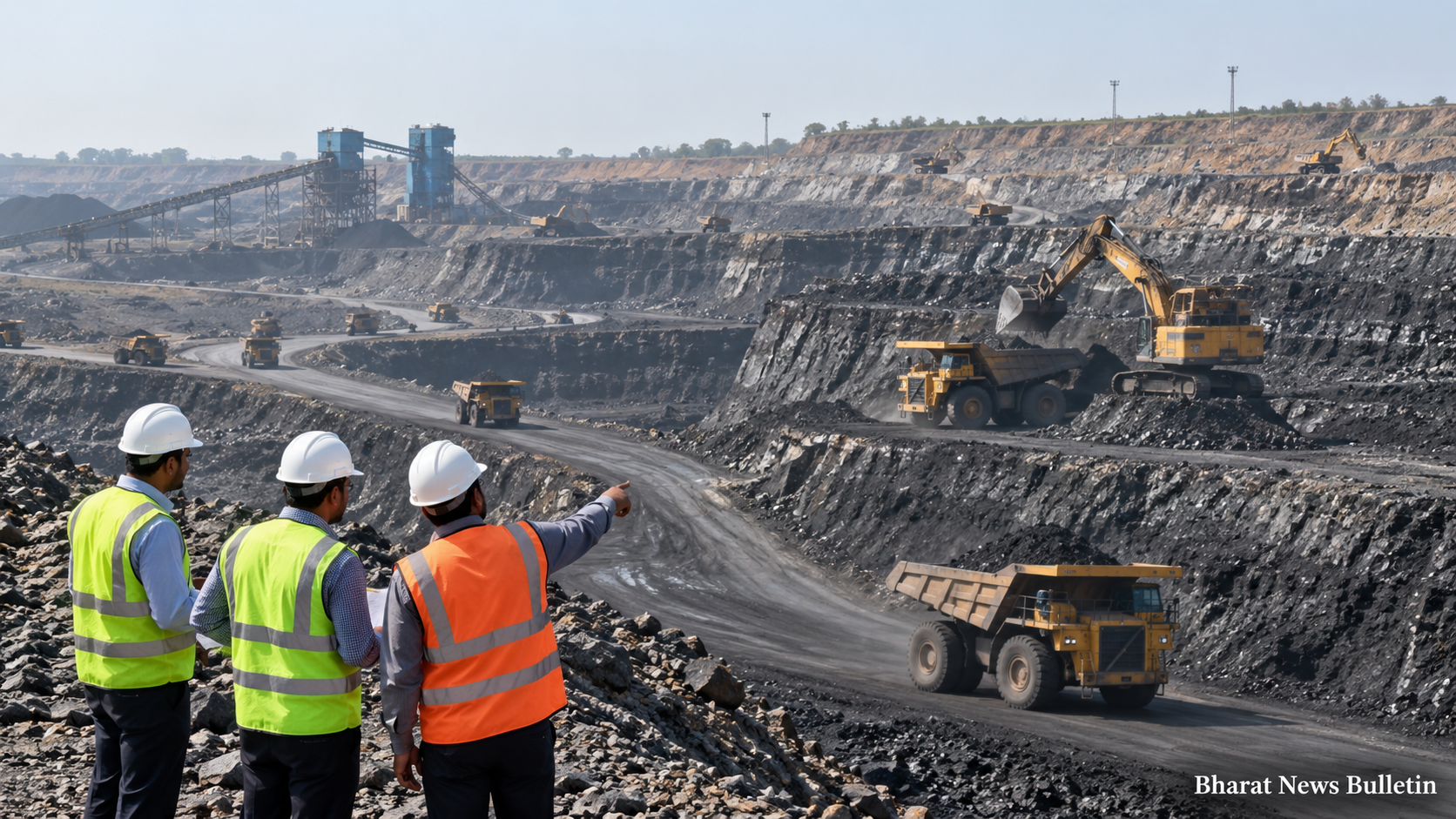
Mahanadi Coalfields Limited (MCL) has emerged as one of the strongest examples of India’s transformation in the coal sector, with the company significantly expanding production, modernising mining operations and strengthening logistics since 2014.
The Ministry of Coal, in a Press Information Bureau release issued on September 8, highlighted MCL’s transformation as part of the broader reforms undertaken in India’s coal industry. The reforms have focused on transparency, operational efficiency, technology adoption, infrastructure development and energy security.
India’s domestic coal production has crossed the landmark 1-billion-tonne level, strengthening the country’s energy security and helping reduce dependence on imported coal. MCL has played a significant role in this broader expansion.
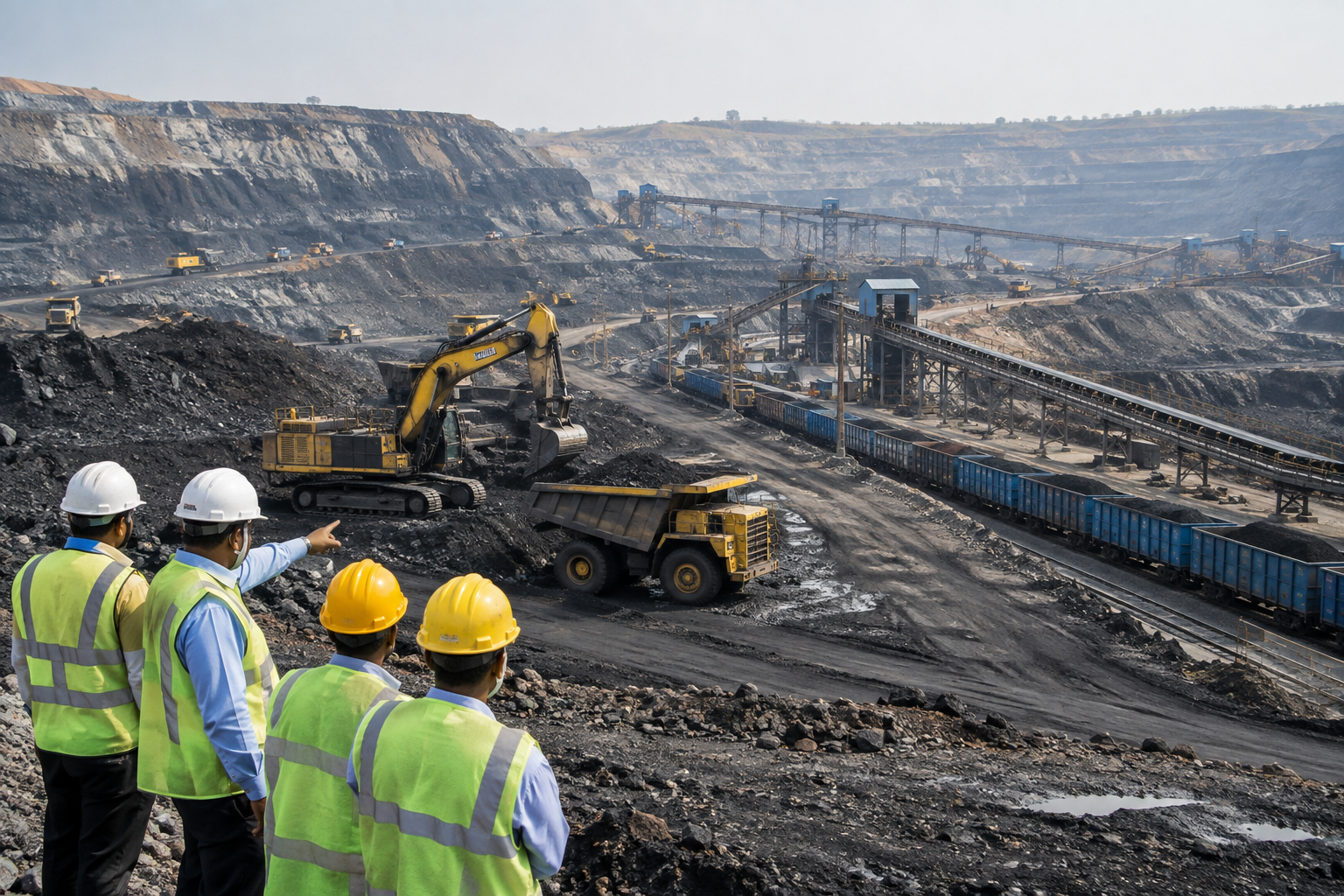
From production of just 23 million tonnes in 1992-93, MCL has grown into India’s largest coal-producing company. The company has sustained annual production and dispatch above 200 million tonnes for three consecutive years.
The pace of production growth has also accelerated. MCL recorded approximately 9% compound annual growth in production between FY2021-22 and FY2025-26, compared with a 6.7% CAGR between FY1992-93 and FY2020-21. The government attributed the stronger performance to modern mine planning, technology, infrastructure development, operational efficiency and workforce commitment.
The transformation extends beyond production volumes. MCL has reported its highest-ever profitability and remains one of the key contributors to Coal India Limited’s profits and the government exchequer.
The company also has a substantial employment and economic footprint. MCL employs more than 22,000 regular workers and over 27,000 contractual workers, while its mining operations support transportation and several allied activities in the regions where it operates.
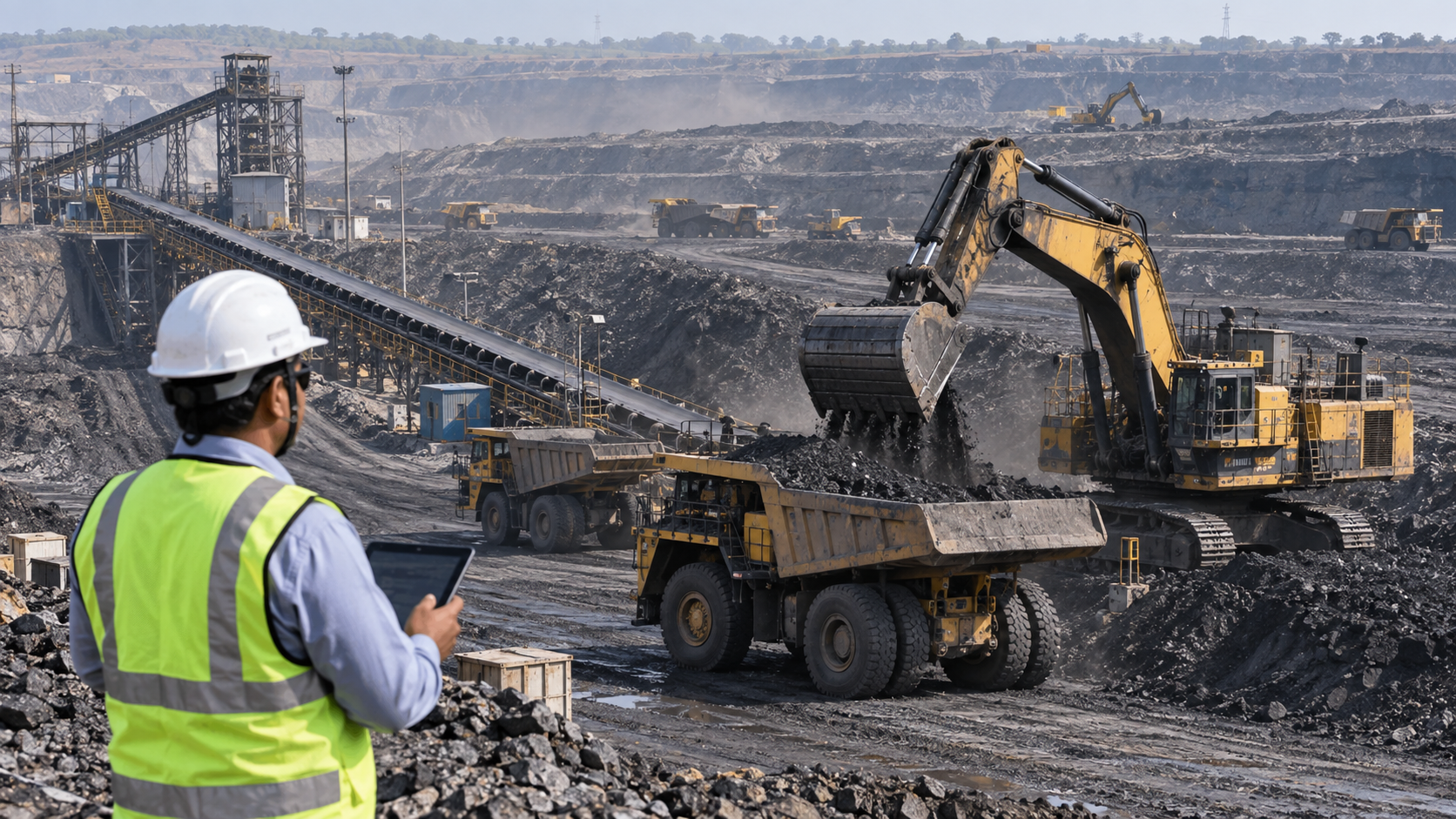
Technology has become a major component of MCL’s operating model. More than 99% of its coal production is now carried out using Surface Miner technology. The method can reduce the need for conventional drilling, blasting and crushing, while also helping lower dust and other environmental disturbances associated with mining operations.
Logistics is another major area of investment.
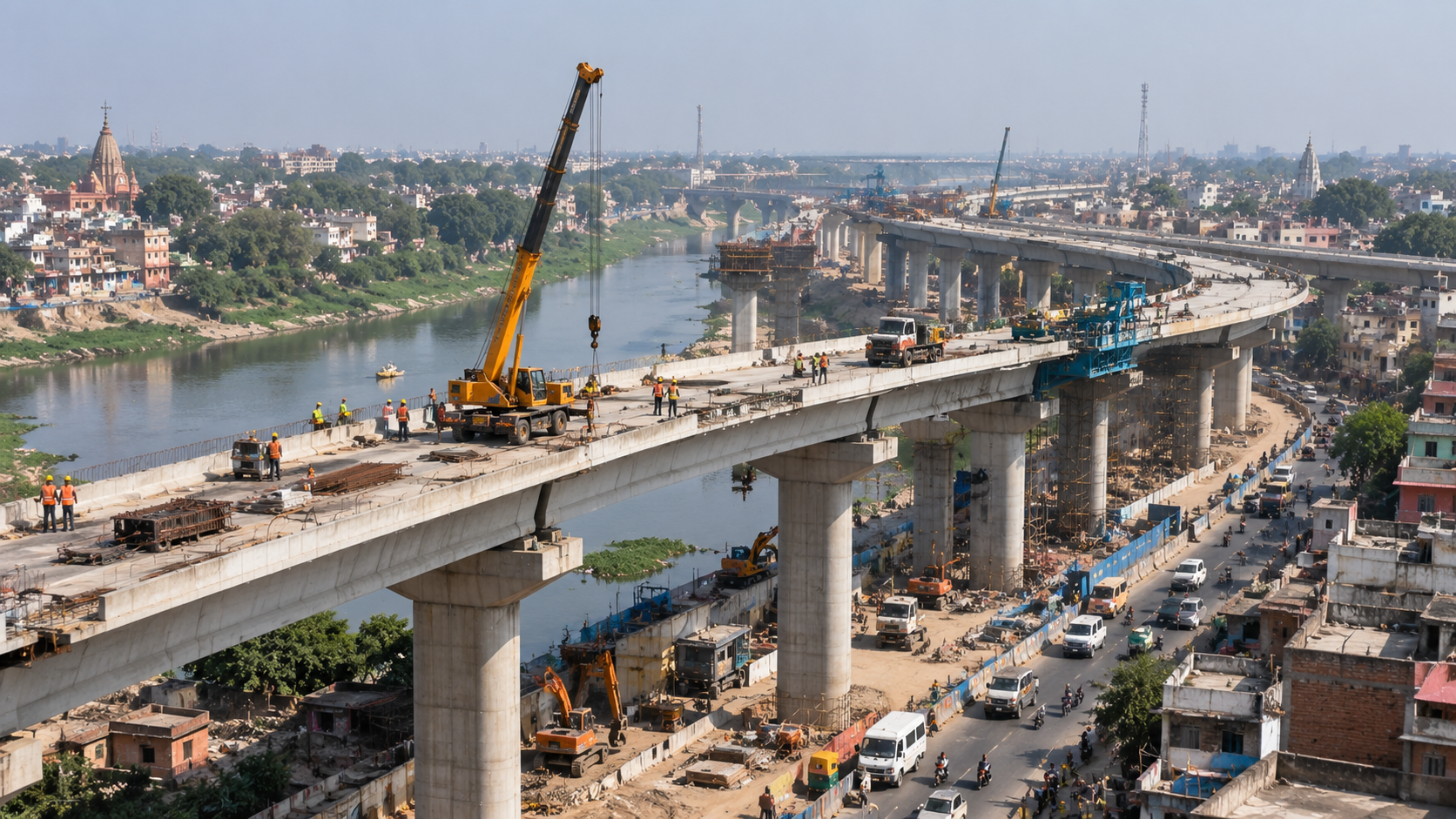
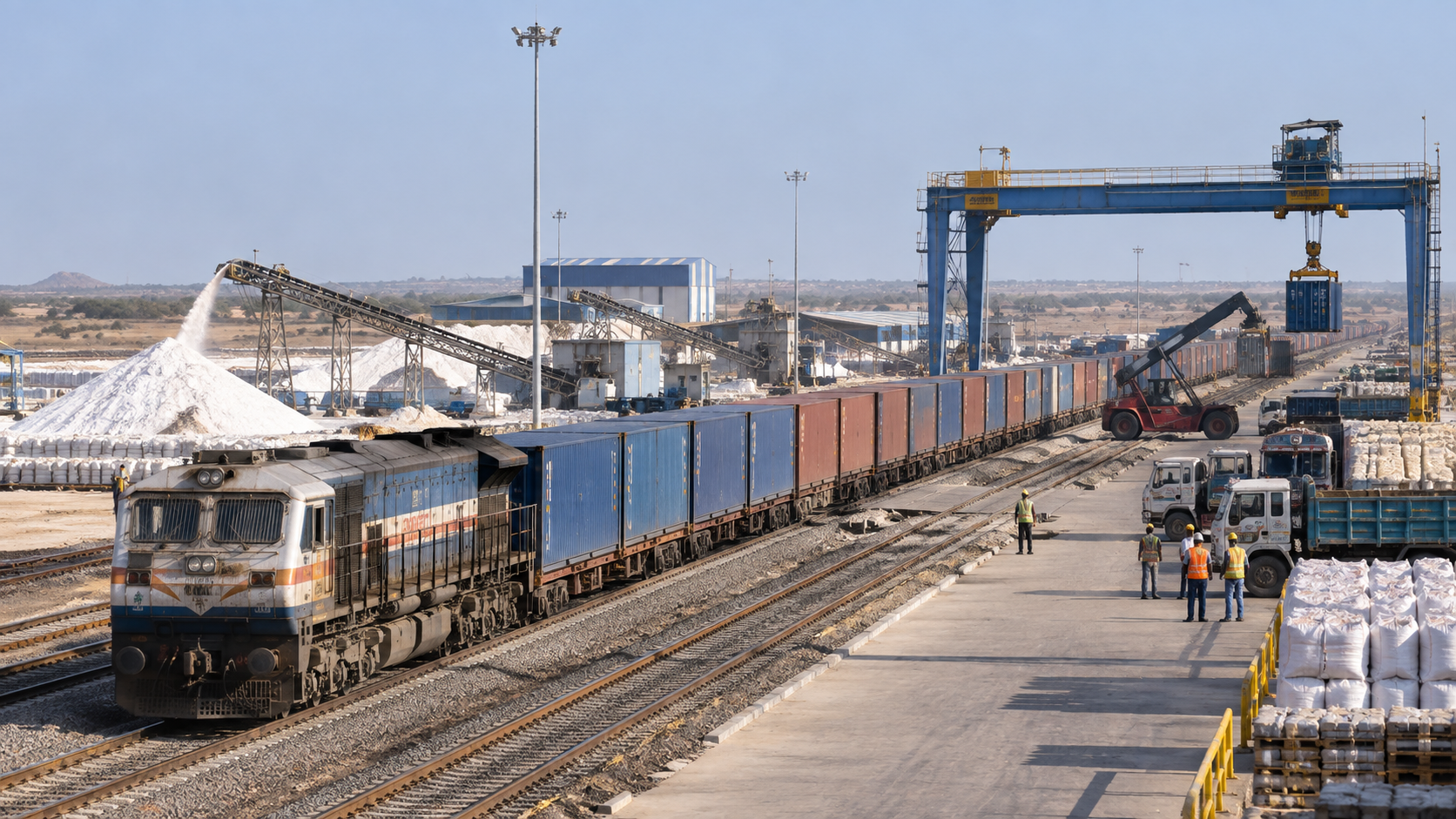
MCL is investing approximately ₹10,000 crore in 19 First Mile Connectivity projects, around ₹6,500 crore in rail infrastructure and approximately ₹2,150 crore in concrete internal transportation roads and coal corridors.
The investments are aimed at improving coal evacuation, reducing dependence on road transportation and lowering the environmental impact associated with the movement of coal. Nearly 70% of MCL’s dispatch is already undertaken through rail, according to the government.
MCL has also developed a Rail-Sea-Rail multimodal logistics system, allowing coal to be transported more efficiently to consumers in coastal regions. The system is intended to strengthen supply-chain reliability while improving the overall efficiency of coal movement.
The company’s contribution also extends beyond mining operations. MCL has expanded its corporate social responsibility activities across healthcare, education, drinking water, nutrition, sports, skill development and rural infrastructure.
Among its major social investments is the Medical College and Hospital at Talcher, developed at an investment of around ₹500 crore. The institution has also received approval for postgraduate courses, while MCL continues to provide annual financial support of approximately ₹60-80 crore.
MCL-funded CSR support has also contributed to the establishment of a government cardiac-care hospital at Jharsuguda. Other initiatives include piped drinking-water projects, support for medical institutions, schools, smart classrooms, girls’ hostels and sports infrastructure.
The company has also introduced digital systems for workforce management. Its CLAMP portal enables digital management of contractual manpower data, aimed at improving transparency and accountability.
Beyond its direct workforce, MCL says local communities benefit through employment opportunities, cooperative participation in coal loading and transportation and support for people affected by mining projects.
The company’s economic footprint has also expanded into tourism and heritage initiatives, including development around Hirakud, mine museums, waterfront projects, ropeways and mine tourism at Orient Mine in the IB Valley.
MCL currently supplies coal across 16 states to power utilities, captive and independent power plants, cement manufacturers, sponge-iron producers and other industrial consumers. Its performance therefore has implications for both India’s power sector and wider industrial activity.
The government’s assessment positions MCL’s journey as evidence that the transformation of India’s coal sector cannot be measured only by production volumes. Improvements in technology, logistics, profitability, worker welfare, environmental management and community development have become increasingly important components of the sector’s evolution.
As India continues to focus on energy security and economic growth, MCL is expected to remain an important part of the domestic coal supply chain. The company’s investments in technology and transportation infrastructure could further improve its ability to produce and deliver coal efficiently while reducing some of the environmental and logistical challenges associated with conventional mining and transportation.