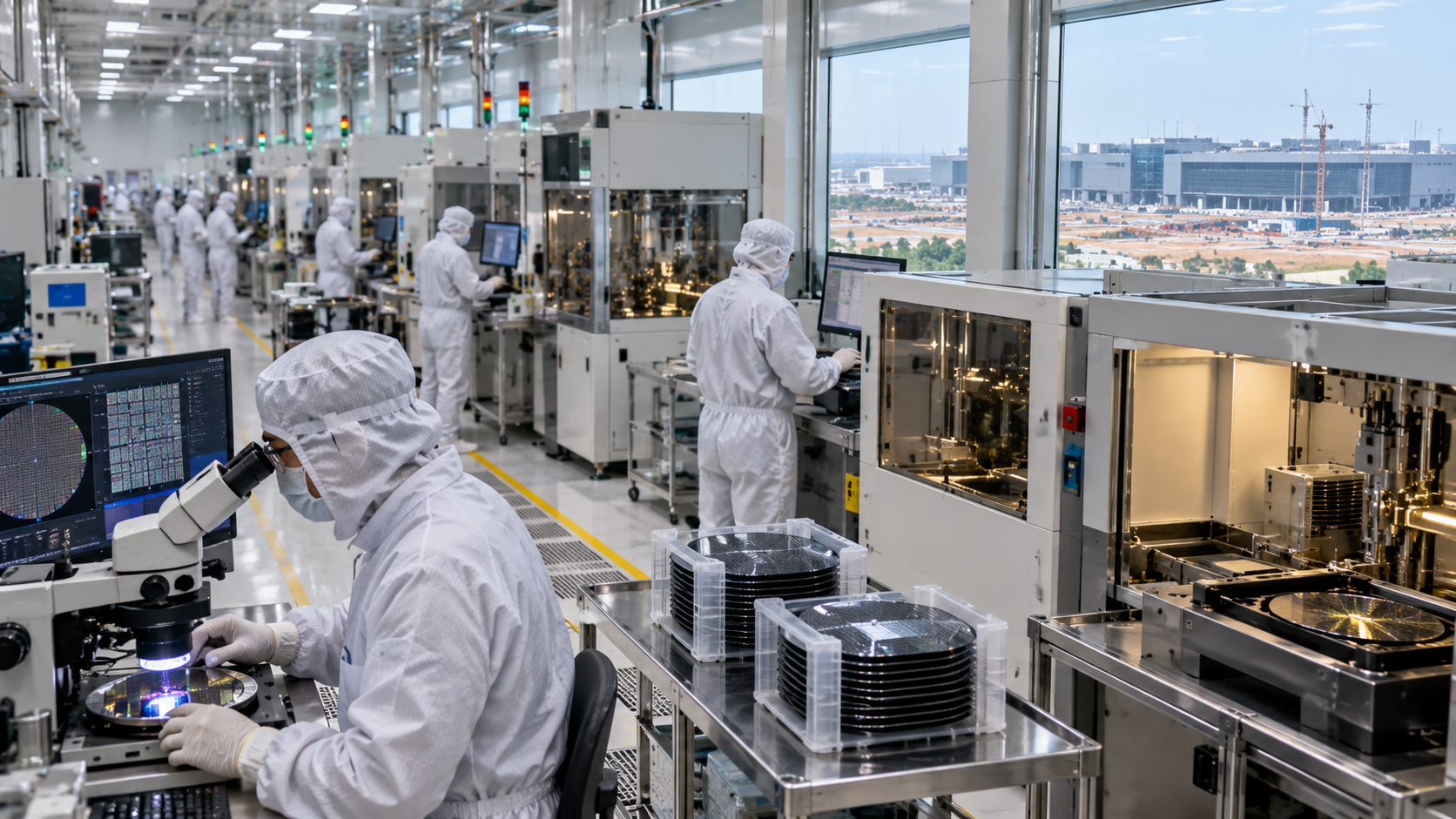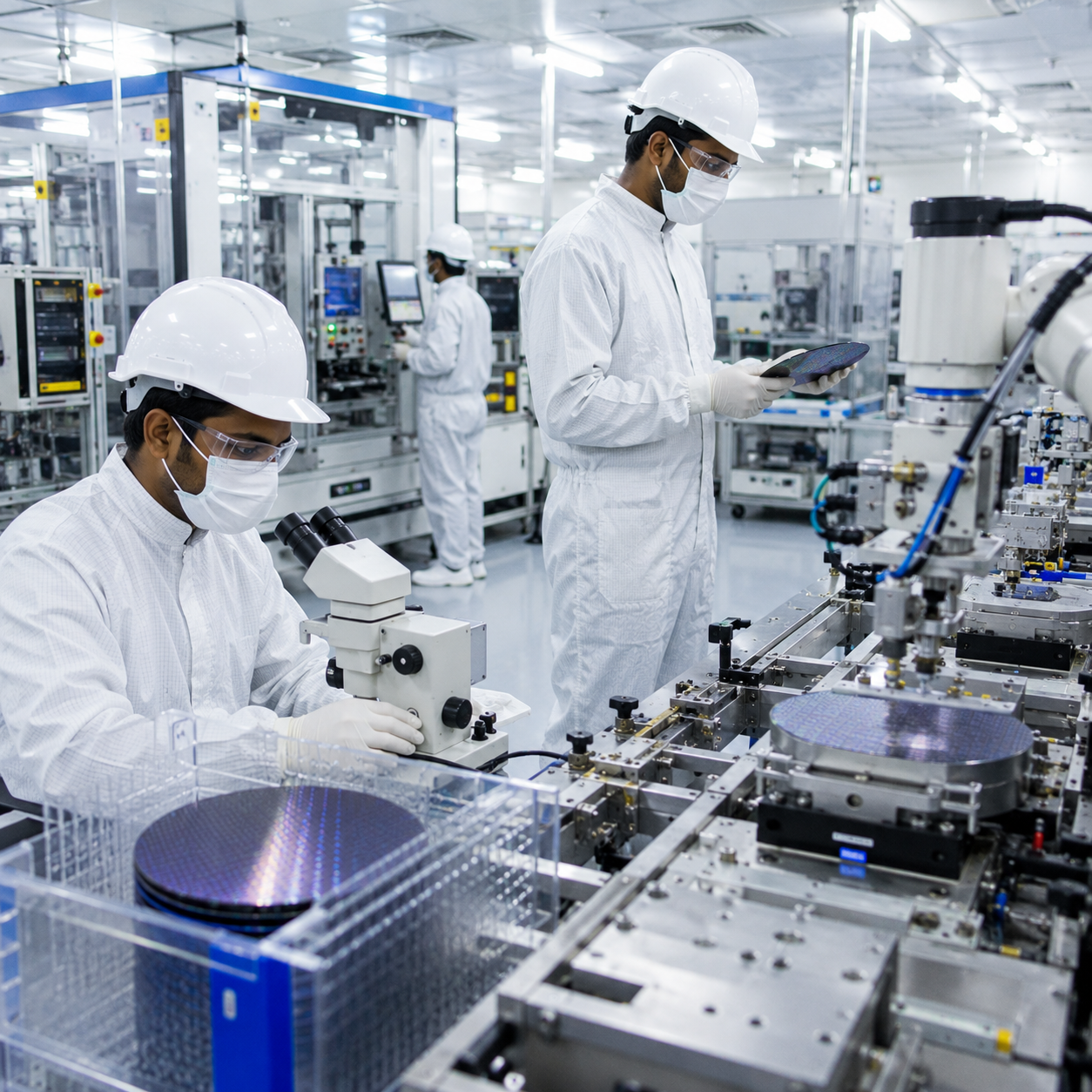
Prime Minister Narendra Modi inaugurated the CG Semi OSAT semiconductor facility in Sanand, Gujarat, marking a major milestone in India’s chip manufacturing journey and strengthening the country’s semiconductor ecosystem.
Key Highlights
- Prime Minister Narendra Modi inaugurated the CG Semi OSAT facility in Sanand, Gujarat.
- Facility marks India’s third major semiconductor packaging plant under the Semicon India programme.
- Commercial chip packaging has officially commenced at the facility.
- Plant currently has the capacity to produce 200 million (20 crore) chips annually, with plans to scale up significantly.
- Project is a collaboration involving Indian, Japanese and Thai partners.
- PM highlighted India’s vision of building a complete semiconductor ecosystem from chip design to fabrication and packaging.
- Semiconductor sector expected to generate thousands of high-skilled jobs and strengthen India’s electronics manufacturing ecosystem.
- PM said Made in India chips will power future AI, robotics and next-generation technologies.
Sanand, Gujarat: Prime Minister Narendra Modi on Saturday inaugurated the CG Semi Outsourced Semiconductor Assembly and Test (OSAT) facility in Sanand, Gujarat, calling it a landmark achievement in India’s journey towards becoming a global semiconductor manufacturing hub.
Addressing the gathering, the Prime Minister said the inauguration reflects India’s commitment to turning ambitious goals into reality. He noted that the launch of commercial chip packaging at the facility is another major milestone under the government’s Semicon India Programme, which aims to build a robust semiconductor ecosystem in the country.
Shri Modi highlighted that the project moved rapidly from foundation stone to commercial operations. After laying the foundation in 2024, chip testing began in August 2025, and the facility has now entered commercial production. He credited the achievement to the dedication of engineers, technicians, industry partners and the state government.
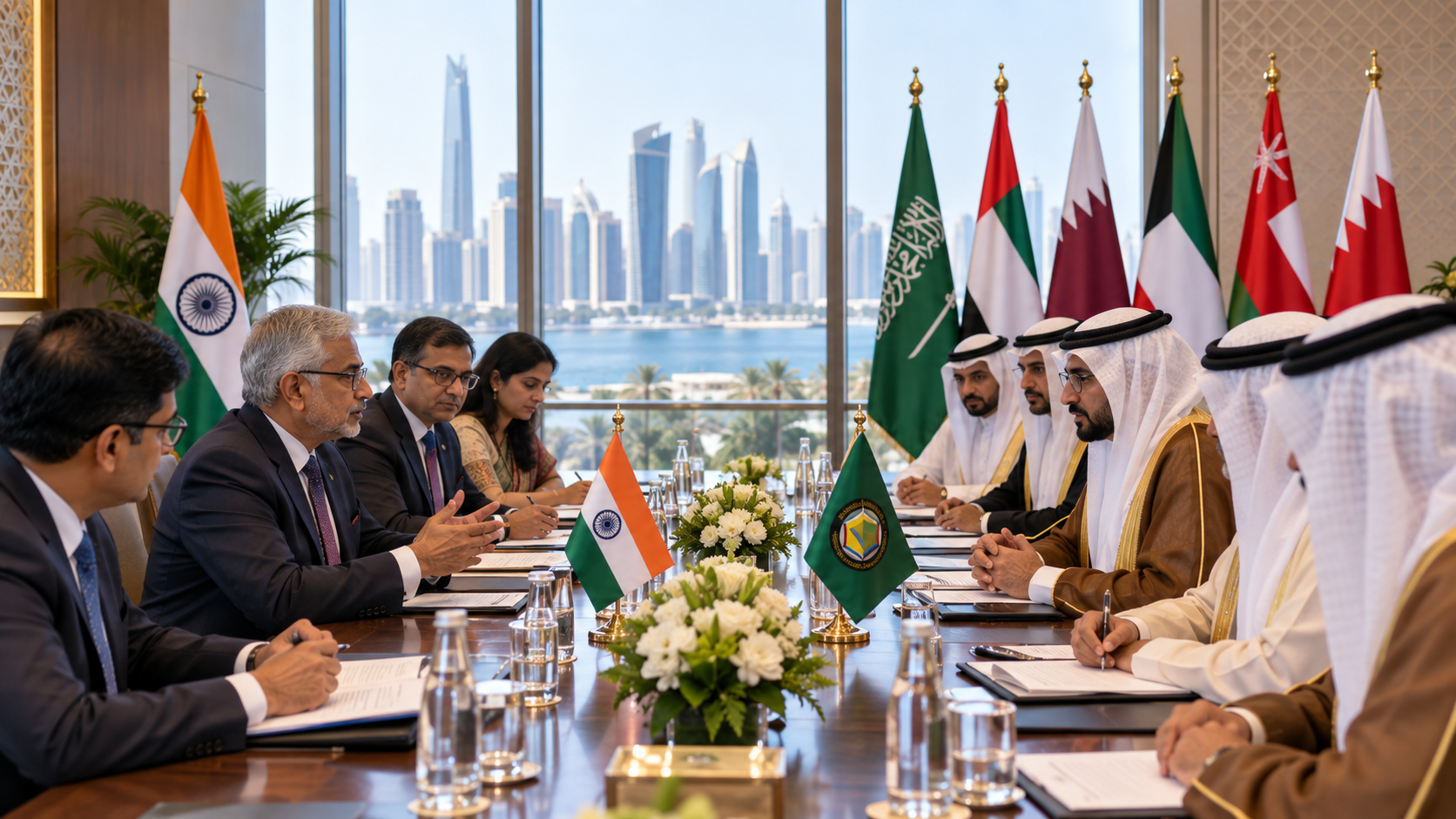
The Prime Minister described the facility as a symbol of international collaboration, bringing together Indian, Japanese and Thai partners to strengthen India’s technological capabilities. He said such partnerships will help India emerge as a trusted destination in the global semiconductor supply chain.
According to the Prime Minister, the plant has begun commercial operations with an annual production capacity of 20 crore semiconductor units, while future expansion plans aim to significantly increase production capacity over the coming years.
He emphasized that the semiconductor industry cannot grow through isolated factories alone and requires a complete ecosystem involving design centres, testing laboratories, chemical suppliers, equipment manufacturers, logistics providers and startups. Sanand, he said, is rapidly evolving into such a technology cluster alongside investments by companies including Micron and Kaynes.
Highlighting India’s electronics manufacturing success over the past decade, the Prime Minister noted that the country has become the world’s second-largest mobile phone manufacturer after achieving a massive increase in domestic production and exports. He said India is now moving beyond assembling electronic products to manufacturing critical components and semiconductors domestically.
“Our goal is to build a complete semiconductor ecosystem in India—from chip design to fabrication and packaging,” the Prime Minister said, adding that this represents the next phase of the Make in India initiative and a key step towards achieving the vision of Viksit Bharat 2047.
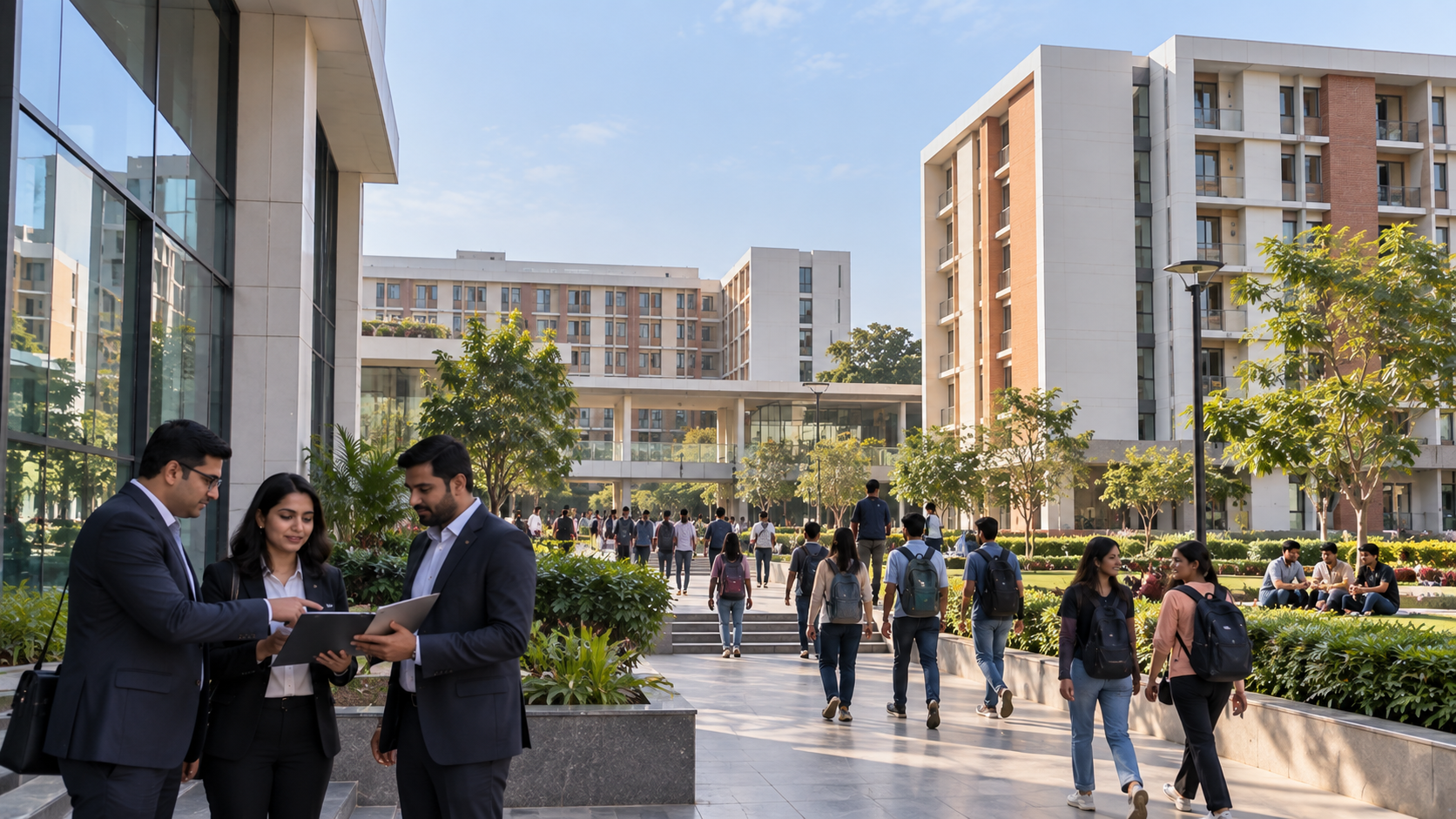
The Prime Minister also urged young professionals to prepare for opportunities in semiconductor manufacturing, artificial intelligence, robotics and advanced technologies. He highlighted that the industry would create employment across research, manufacturing, testing, design and supply chain management while enabling India’s youth to lead the next global technology revolution.
Concluding his address, Shri Modi reaffirmed the government’s commitment to strengthening India’s ease of doing business and attracting global investments, stating that the country is steadily building a world-class semiconductor ecosystem that will enhance technological self-reliance and global competitiveness.