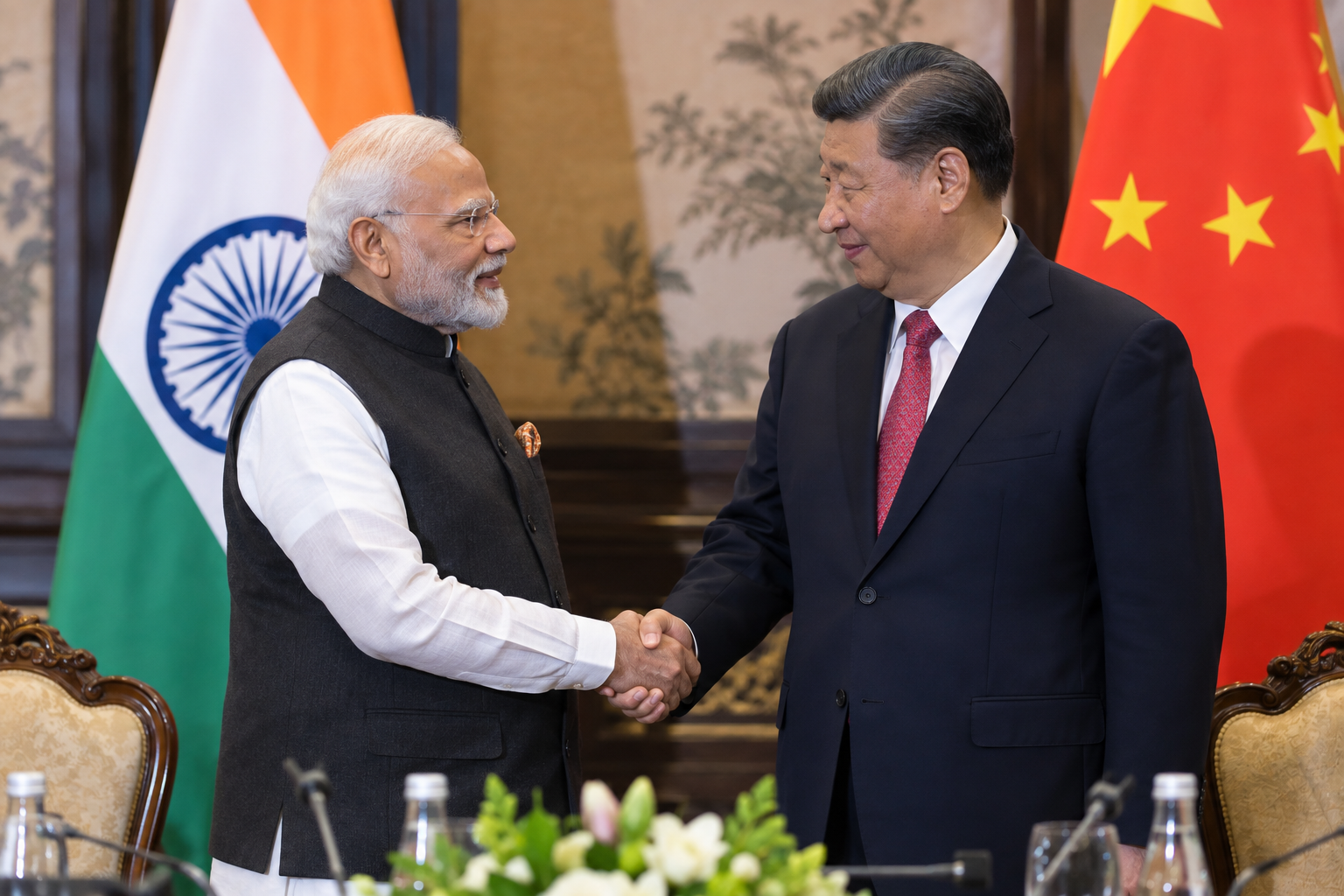
Prime Minister Narendra Modi and Chinese President Xi Jinping held bilateral talks in New Delhi on the sidelines of the BRICS Summit.
The discussions focused on stabilising India-China ties while exploring opportunities in trade, investment and wider economic cooperation.
Highlights
- PM Modi and Xi Jinping held bilateral talks in New Delhi.
- Xi is visiting India for the first time in seven years.
- Border stability, trade and investment were among the key areas of discussion.
- Modi thanked China for its cooperation during India’s BRICS chairmanship.
Prime Minister Narendra Modi and Chinese President Xi Jinping held bilateral talks in New Delhi on Saturday, with border stability, trade and investment emerging as key areas as the two Asian economies seek to put their relationship on a more stable footing.
The meeting took place on the sidelines of the BRICS Summit and came during Xi Jinping’s two-day visit to India, his first trip to the country in seven years.
Xi was received at the airport by Union Minister Jitin Prasada before meeting Prime Minister Modi.
Welcoming the Chinese President, Modi thanked Beijing for its support and cooperation during India’s BRICS chairmanship and said the meeting provided an opportunity to discuss bilateral relations and expand cooperation.
Xi said China continues to view its relationship with India from a strategic and long-term perspective. He highlighted the importance of the two countries learning from each other, supporting common development and strengthening engagement.
Trade and Investment in Focus
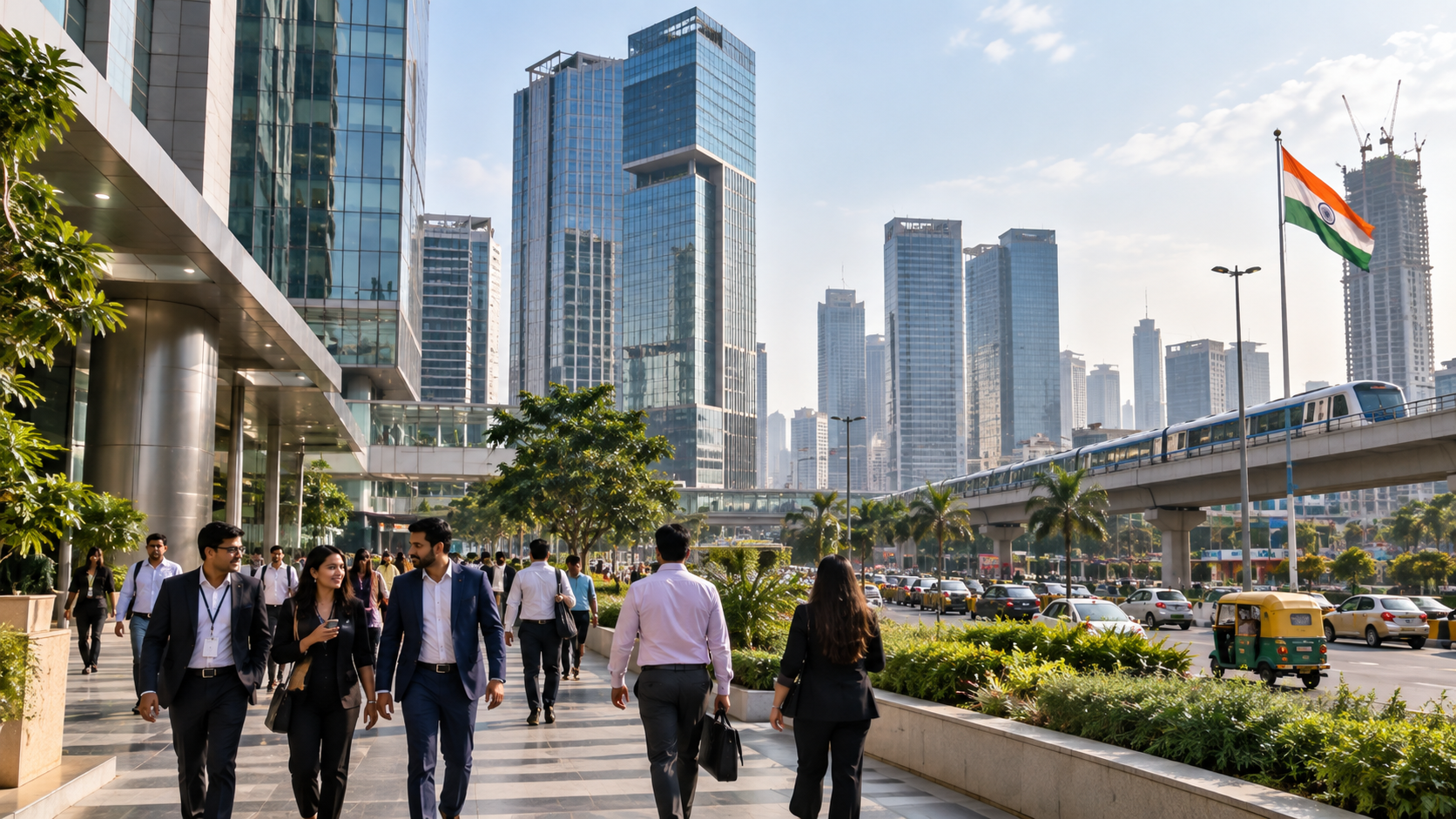
Economic ties are expected to remain an important part of the India-China relationship.
Despite political and border-related differences, China remains one of India’s major trading partners. The latest discussions could create space for both sides to explore ways to improve trade relations, encourage investment and address existing economic concerns.
Any expansion in investment ties, however, is likely to depend on the broader political environment and progress in stabilising bilateral relations.
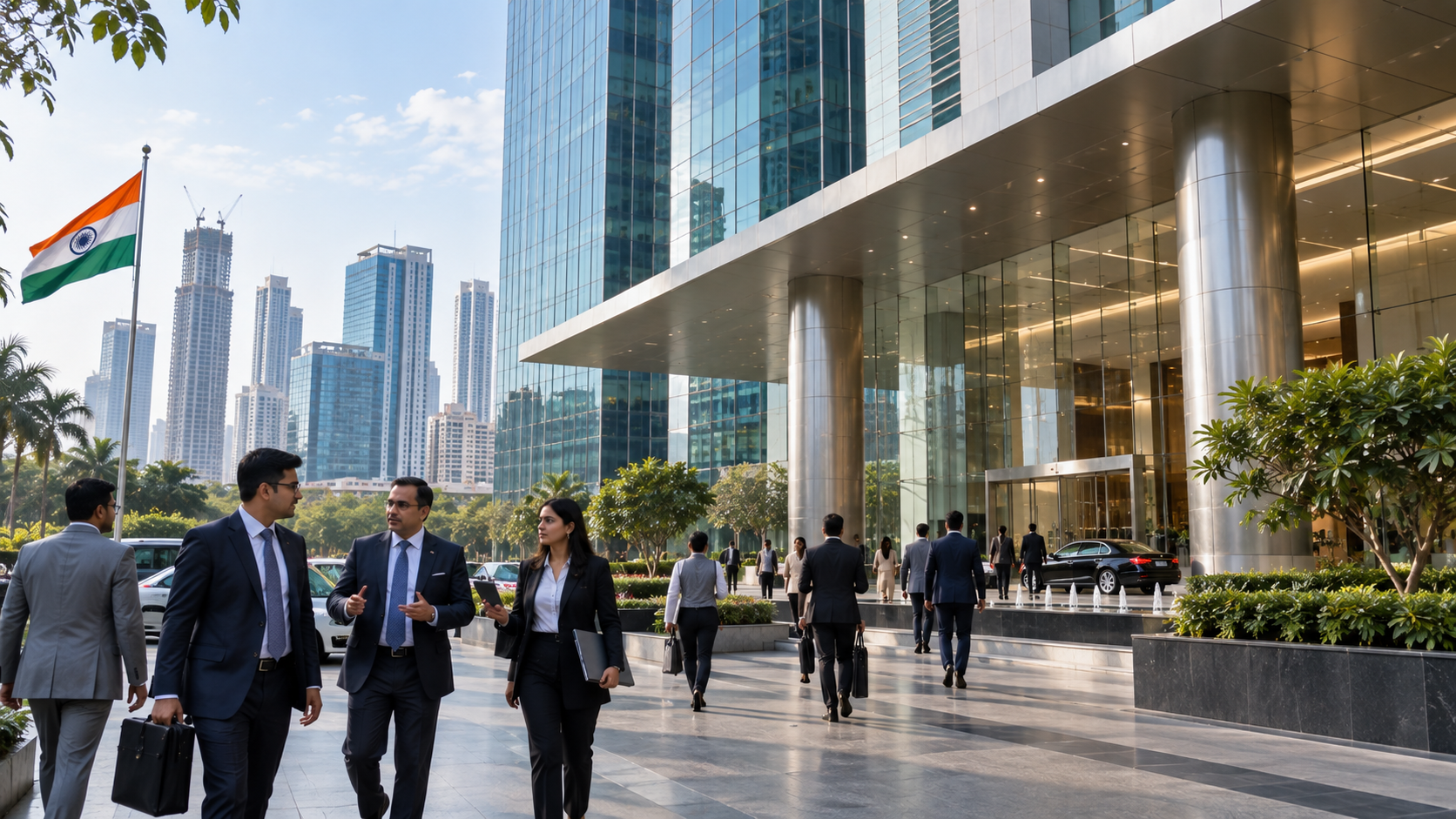
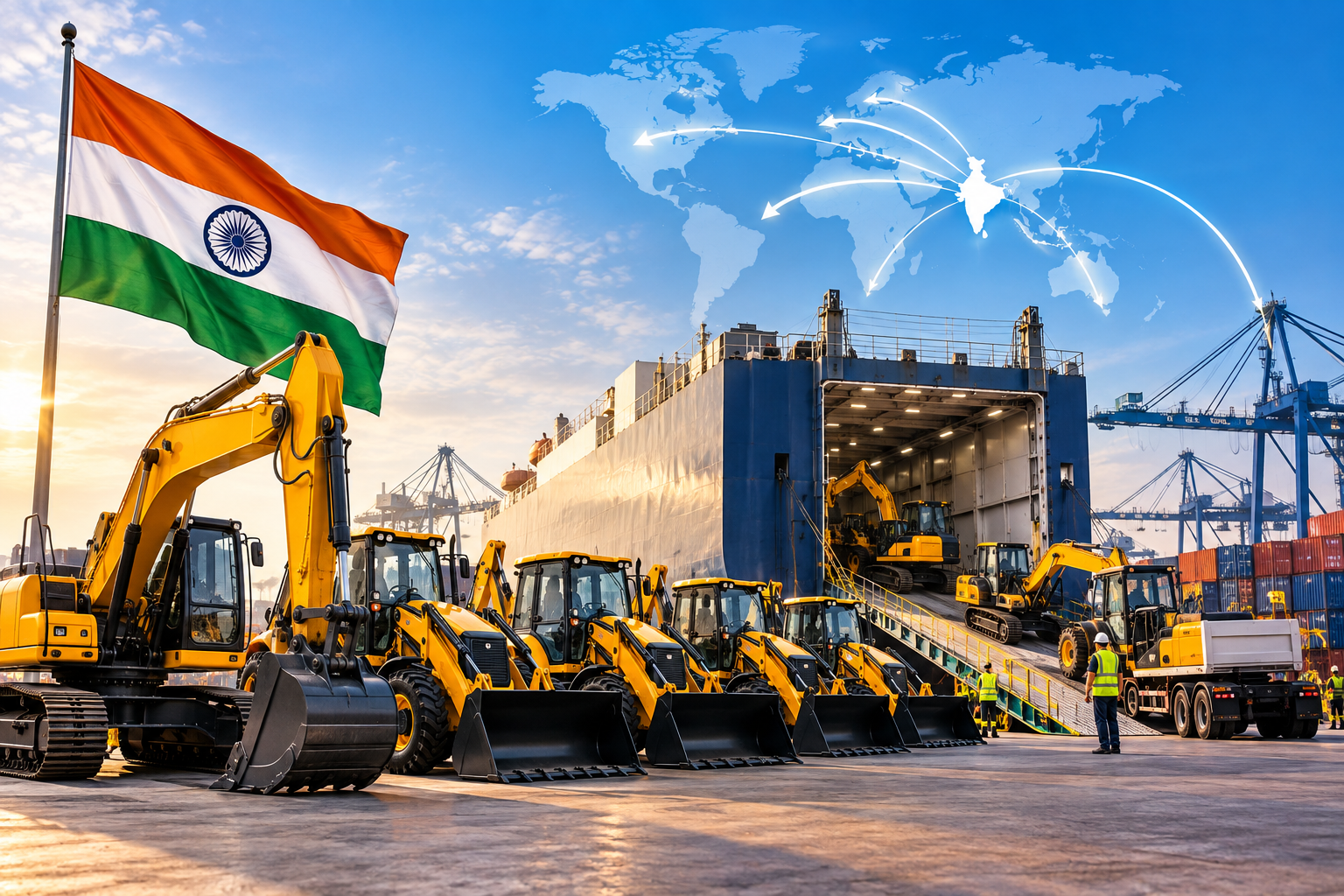
For businesses, improved India-China ties could have implications across manufacturing, electronics, supply chains, industrial equipment and other trade-intensive sectors.
Border Stability Remains Key
The Line of Actual Control continues to be one of the biggest challenges in India-China relations.
India has repeatedly maintained that peace and tranquillity along the border are essential for the overall development of bilateral ties.
China, meanwhile, has traditionally argued that the boundary dispute should not prevent cooperation in other areas.
The latest meeting is therefore being closely watched for signs of whether diplomatic engagement can translate into broader stability in relations.
Wider Economic Significance
India and China are two of the world’s largest economies and major members of the Global South.
Greater stability between the two countries could support regional trade, investment flows and supply chains while also strengthening cooperation within platforms such as BRICS.
However, meaningful progress will depend on how both countries address outstanding issues, particularly those related to the border and market access.