
India’s eight new free trade agreements have opened access to an estimated $85 billion market. Electronics, engineering goods, agriculture, gems and jewellery are among the sectors with the biggest export opportunities.
Highlights
- Eight new FTAs have opened an estimated $85 billion export opportunity.
- The agreements provide access to markets including the UK, EU, EFTA, Australia, UAE, Oman, New Zealand and Mauritius.
- Engineering goods offer the biggest opportunity at about $42 billion.
India’s recently concluded free trade agreements could create export opportunities worth around $85 billion across several key sectors, offering Indian companies greater access to major global markets.
Eight new free trade agreements have opened opportunities across the UK, European Union, EFTA, Australia, UAE, Oman, New Zealand and Mauritius, according to an analysis cited in the report.
Among sectors, engineering goods offer the largest potential opportunity, estimated at around $42 billion. Gems and jewellery follow with an opportunity of roughly $12 billion.
Electronics could benefit from an export opportunity of around $7 billion, while agriculture and textiles and apparel each have an estimated potential of about $6 billion. Pharmaceuticals account for another roughly $5 billion.
The agreements are significant because they can provide Indian exporters with better market access through tariff reductions and other trade benefits.
The report points to the European Union as a particularly important opportunity. The EU’s merchandise imports from the world are estimated at around $6.62 trillion, while India’s share is only about 1.23%, indicating considerable scope for Indian companies to expand.
Similarly, the UK imported merchandise worth around $815.6 billion from the world, while India accounted for only about 1.88%, according to the report.
The FTAs could also help Indian exporters diversify beyond existing destinations and compete more effectively with exporters from countries that already enjoy preferential access to these markets.
India’s trade agreements with Australia and the UAE have already been operational, while agreements with some other partners have been concluded or are moving through implementation stages.
The India-UAE Comprehensive Economic Partnership Agreement came into effect in May 2022. The India-Australia Economic Cooperation and Trade Agreement became operational in December 2022.
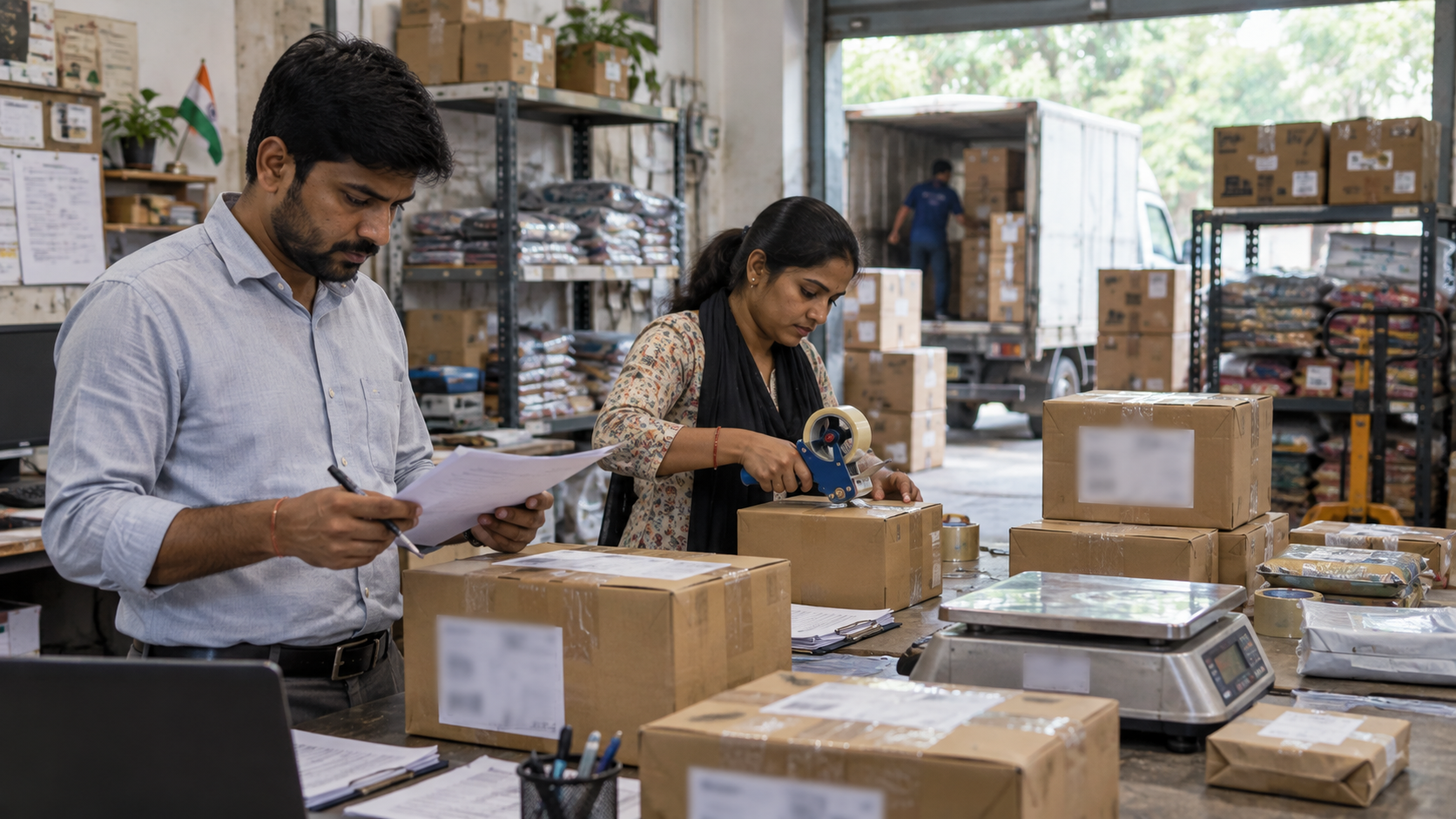
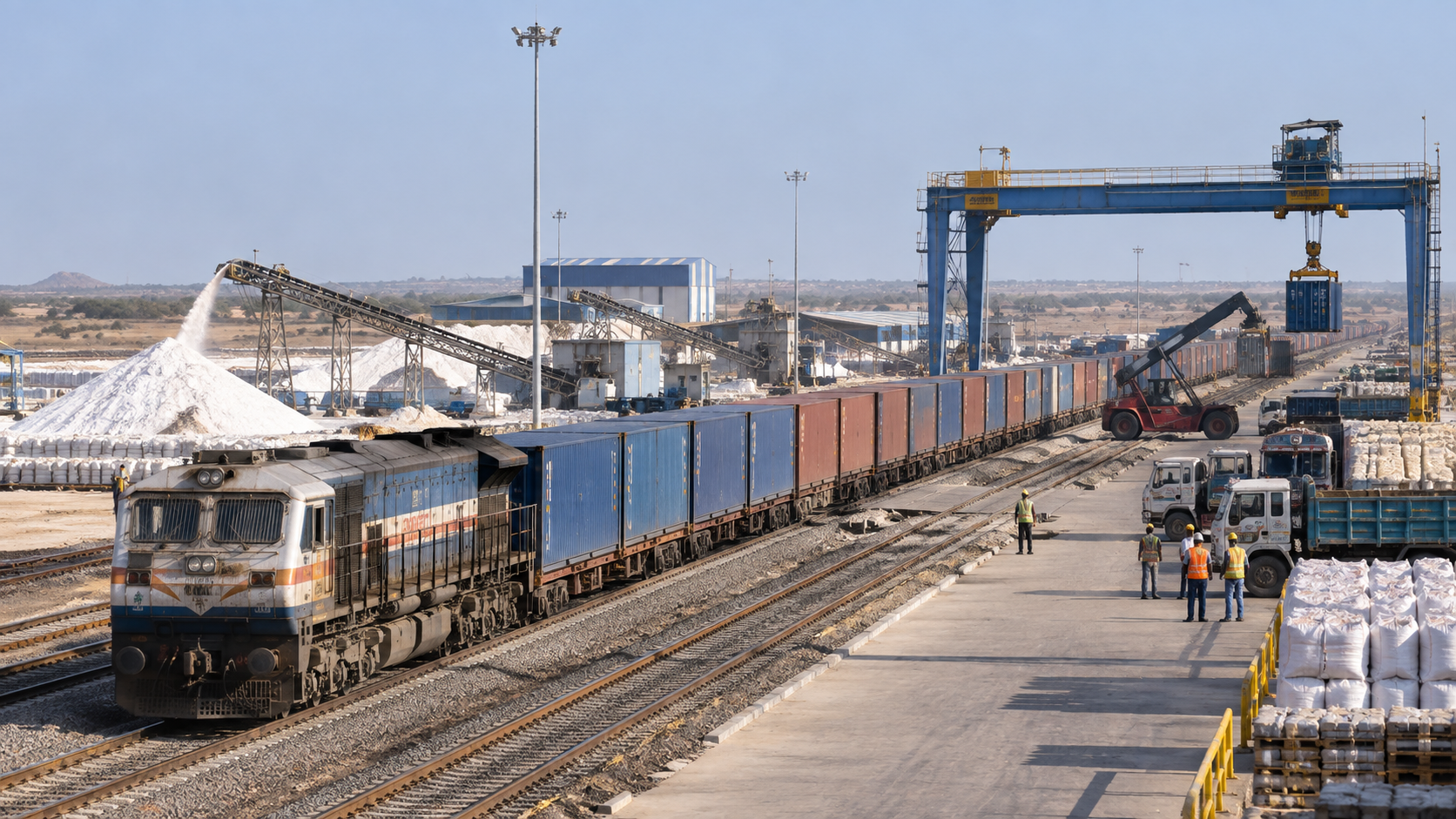
With new agreements expanding India’s trade network, exporters across manufacturing, engineering, electronics, agriculture, pharmaceuticals, textiles and gems and jewellery could be among the biggest beneficiaries.
The eventual gains, however, will depend on how effectively Indian companies use preferential tariffs, meet quality standards and expand their presence in these markets.