From the Red Fort
Key Highlights
- PM Modi set a target of 50 Indian companies entering the Fortune 500.
- He urged Indian businesses to expand their global footprint.
- Manufacturing, technology and innovation are central to the growth strategy.
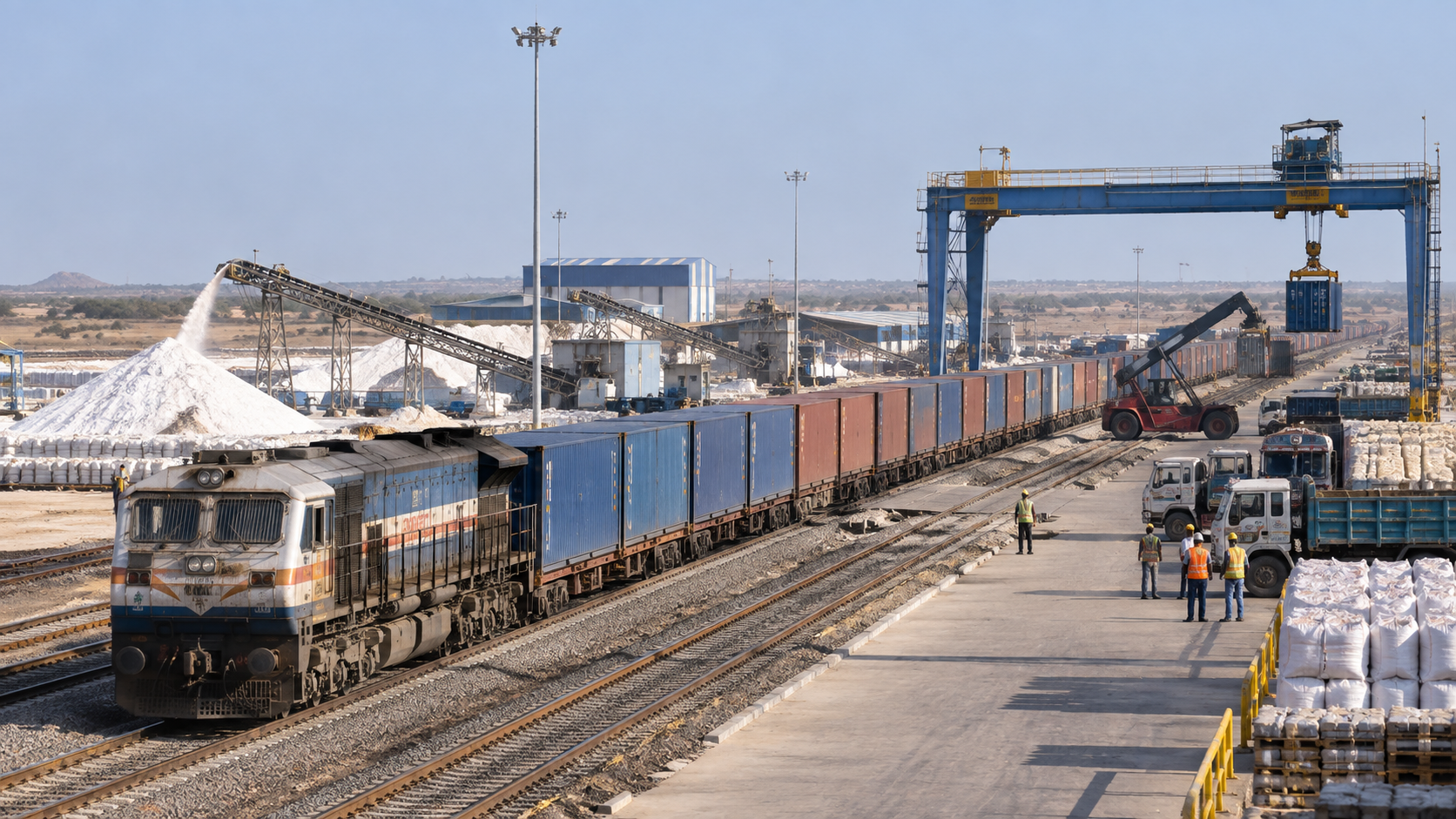
- India aims to become a trusted global supply-chain centre.
- Companies must compete globally on cost, quality and scale.
- India has concluded free trade agreements with 40 countries, according to Modi.
- The Prime Minister highlighted strong growth in electronics, mobile manufacturing and defence production.
- India is targeting major economic achievements over the next five to seven years.
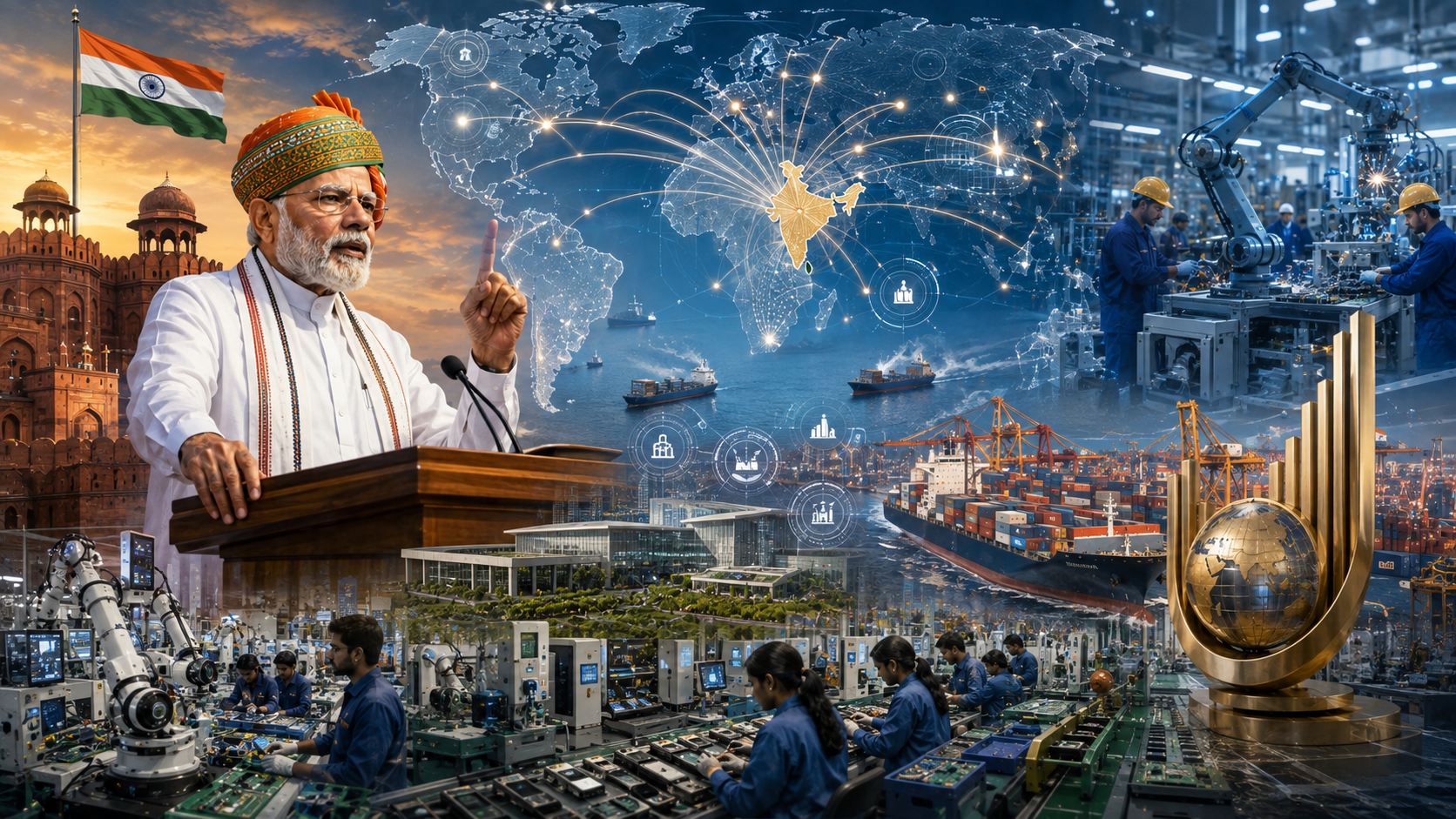
New Delhi, August 15: Prime Minister Narendra Modi on Saturday set an ambitious target of having 50 Indian companies feature in the Fortune 500, calling for businesses to move beyond India’s large domestic market and build a stronger global presence.
Addressing the nation from the Red Fort on Independence Day, Modi said India’s economic ambitions should increasingly focus on creating companies capable of competing with the world’s biggest businesses.
“Our aim should be to have 50 Indian companies in the Fortune 500,” Modi said.
The target forms part of a broader economic vision centred on manufacturing, technology, innovation, infrastructure and international trade.
India as a Global Manufacturing Hub
Manufacturing was identified as one of the key pillars under Modi’s “Shakti ki Sapt Dhara” framework, which outlines seven areas India needs to strengthen.
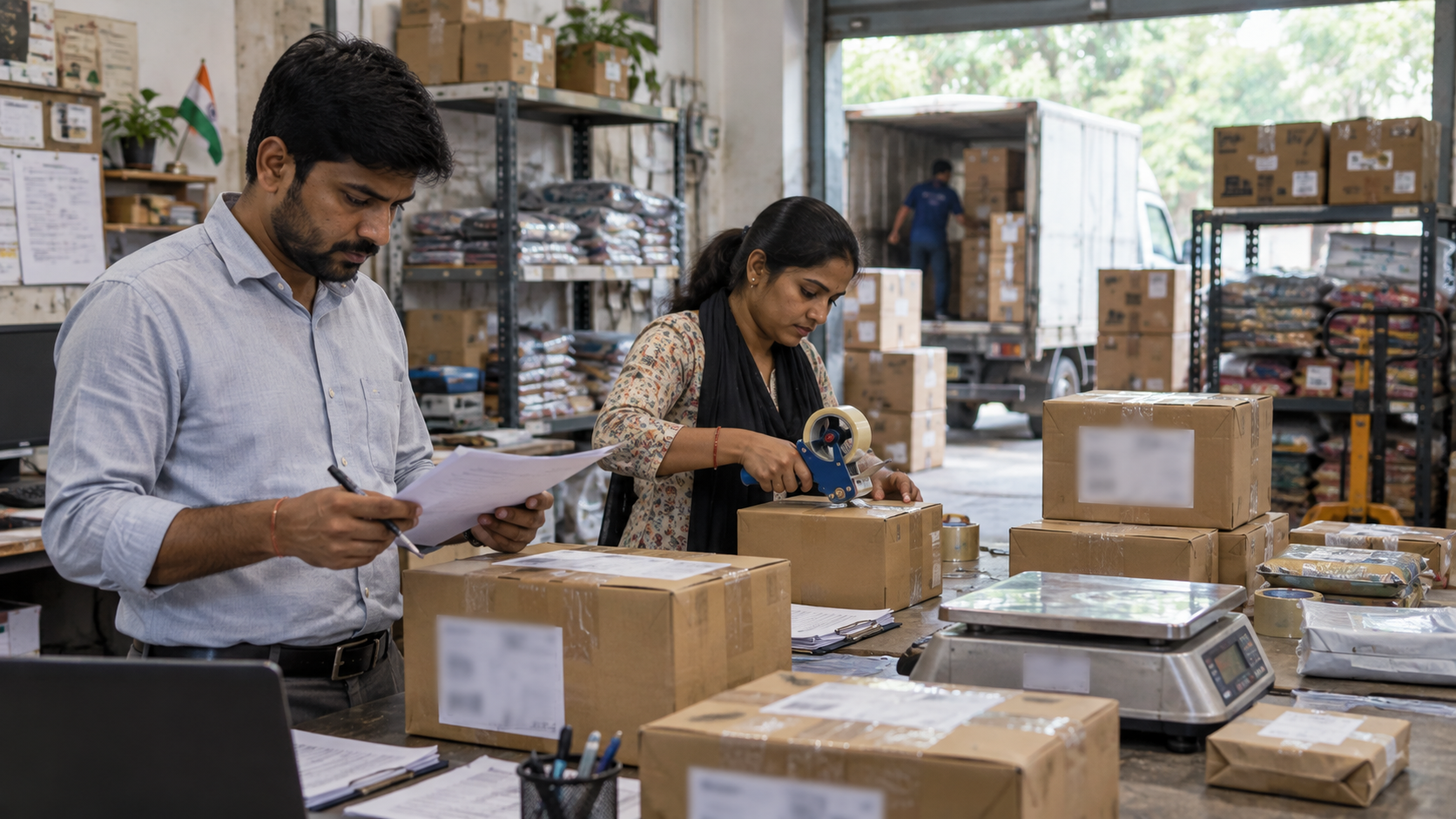
The Prime Minister said India must build complete production capabilities, ranging from small components and parts to complex finished products.
He stressed that India should develop capabilities across the entire value chain, including design and manufacturing, to establish itself as a trusted centre of global supply chains.
Indian manufacturers, he said, will need to compete internationally on three critical parameters: cost, quality and scale.
The focus is therefore shifting from producing primarily for domestic consumers to building products and capabilities that can compete in international markets.
From Make in India to Global Companies
The Fortune 500 ambition reflects an effort to transform Indian businesses from large domestic players into globally recognised corporations.
Modi said India’s young population and expanding capabilities provide an opportunity to achieve within the next five to seven years what could not be achieved during the previous five to seven decades.
Technology and innovation will also be critical to this transformation.
The Prime Minister called for India’s digital public technologies to reach countries around the world and said Made-in-India 6G technology should eventually be taken to global markets.
Manufacturing Growth Accelerates
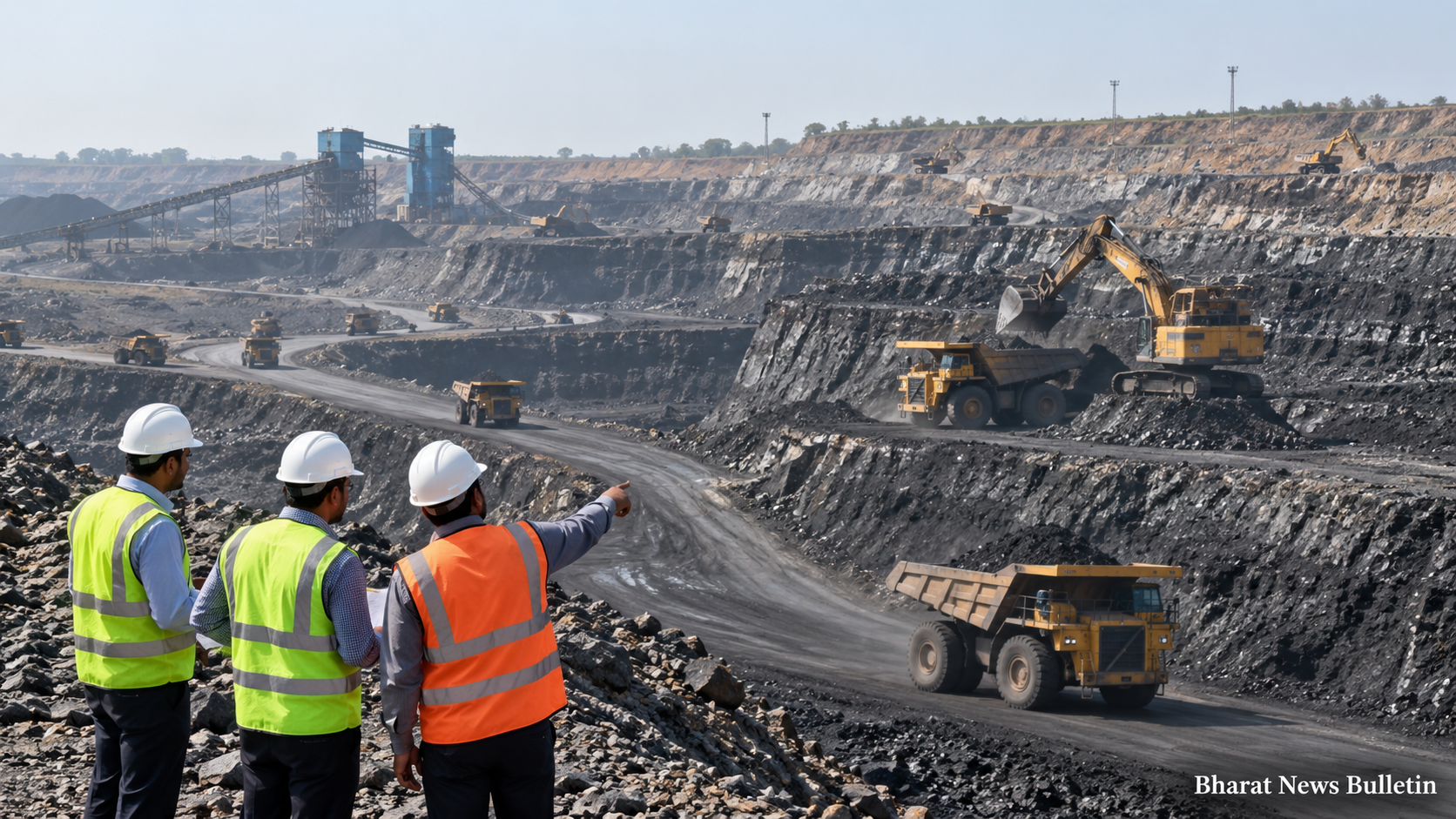
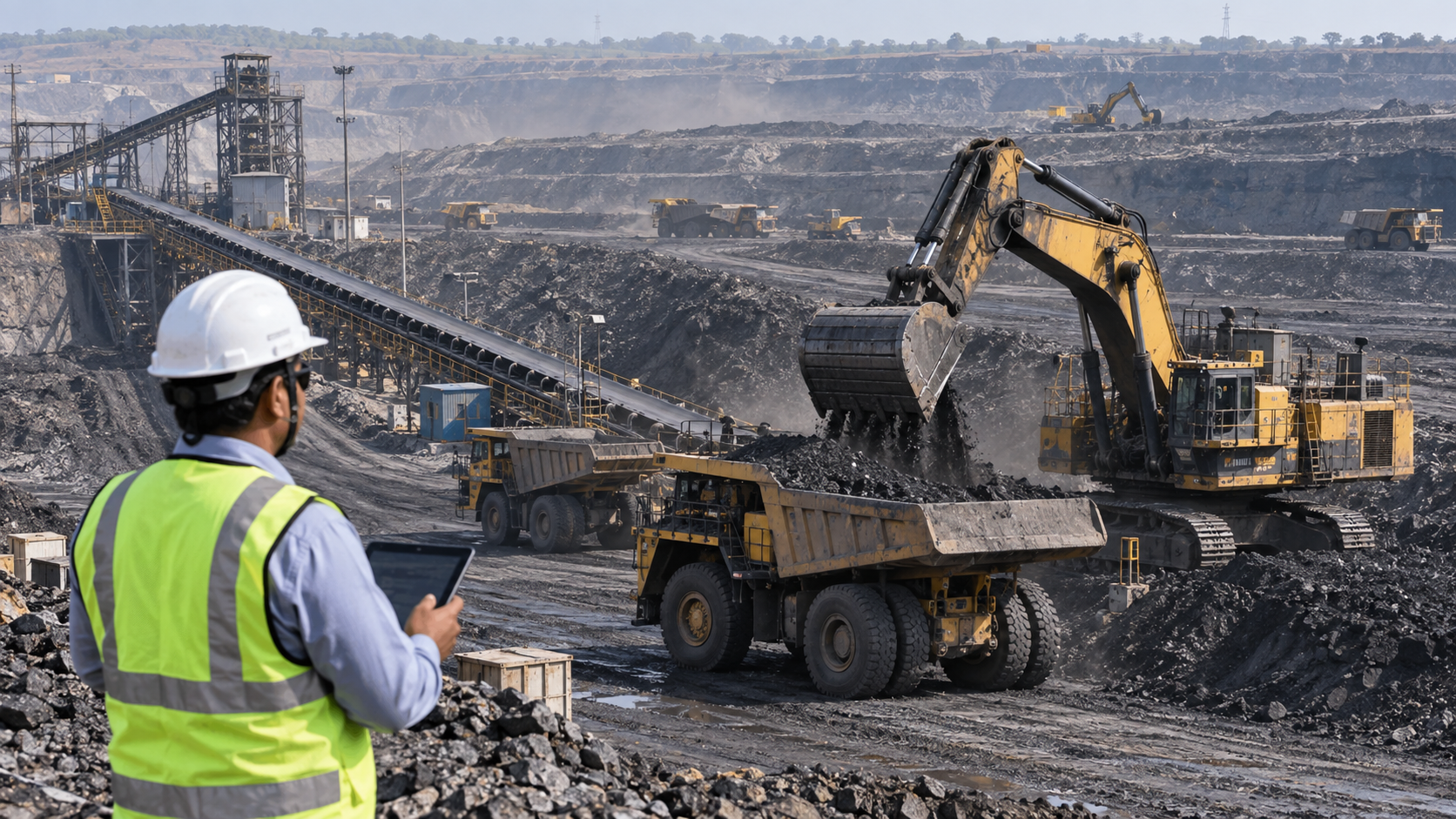
Modi highlighted the expansion of India’s manufacturing sector over the past 12 years.
According to figures cited in his address, defence production has increased nearly fourfold, electronic manufacturing has grown nearly sevenfold and mobile phone production has risen 33-fold.
The growth is being positioned as a foundation for India’s next stage of industrial expansion, with greater emphasis on domestic value addition and integration into international supply chains.
Bigger Role in Global Supply Chains
The Prime Minister’s message was that India’s manufacturing ambitions cannot be limited to assembling products or meeting domestic demand.
Instead, the country needs to build capabilities across the entire production ecosystem and emerge as a dependable supplier for global markets.
India’s growing engagement with international markets is expected to support this transition. Modi said India has concluded free trade agreements with 40 countries and that the world has increasingly recognised the country’s capabilities.
The broader strategy combines manufacturing with technology, infrastructure and innovation to strengthen India’s position in the global economy.
Seven Pillars for India’s Next Phase
Under the “Shakti ki Sapt Dhara” framework, the seven areas identified by Modi include manufacturing, agriculture and food processing, technology and innovation, Gati-Shakti, defence, the green and blue economy, and India’s soft power.
The government sees these areas as important drivers of India’s economic strength and global competitiveness.
The Fortune 500 target ultimately represents a broader ambition: to turn India’s expanding domestic capabilities into globally competitive companies and accelerate the country’s progress towards the vision of a Viksit Bharat.