Chairman Says Current Growth Could Double Bank’s Scale by 2030
Banking, SBI, Financial Services, Indian Economy, Public Sector Banks, Corporate Growth
SEO Keywords: SBI business 2030, SBI ₹200 trillion target, SBI total business, SBI Chairman CS Setty, SBI growth outlook, SBI balance sheet growth, SBI Vision 2030, public sector banks India, SBI capital ratio, Indian banking sector
Key Highlights
- SBI’s total business could reach ₹170-180 trillion and potentially ₹200 trillion by 2030.
- The bank crossed ₹100 trillion in total business during the previous financial year.
- Total business rose further to ₹110.01 trillion by the end of June 2026.
- SBI Chairman C S Setty said the bank’s scale is closely tied to India’s economic growth.
- If the economy grows 7-8 per cent, SBI’s balance sheet could expand 11-12 per cent annually.
- SBI’s Vision 2030 focuses on customers, employees, shareholders, government and regulators.
- The bank aims to maintain CET1 capital around 12 per cent and CRAR around 15 per cent through economic cycles.
- SBI wants to improve efficiency and reduce its cost-to-income ratio by 2-3 percentage points over time.
- The bank continues to support agriculture, MSMEs and the rural economy while mobilising a significant share of national savings.
News Story
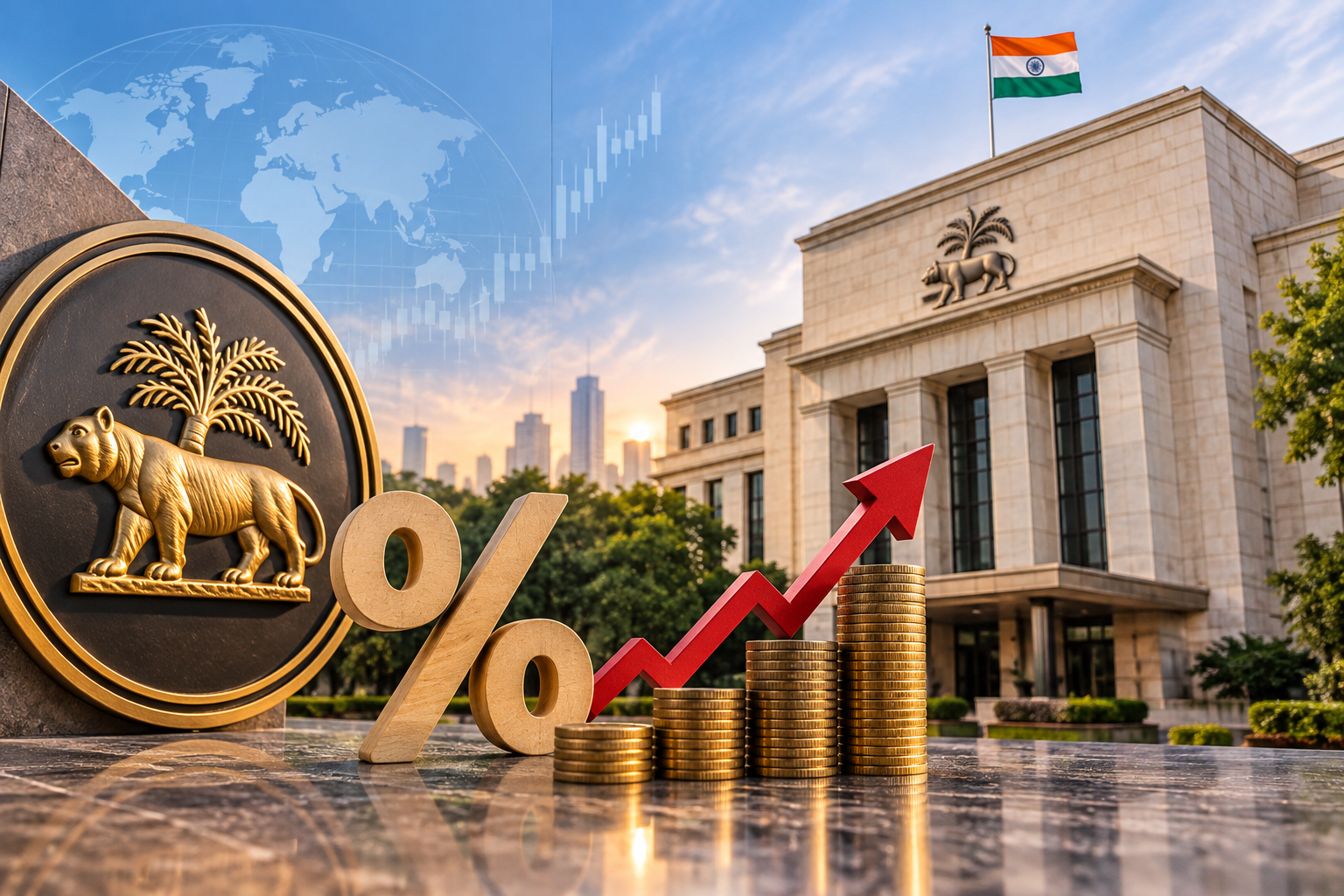
New Delhi, August 24: State Bank of India’s total business could potentially double to around ₹200 trillion by 2030 if its current growth trajectory continues, Chairman C S Setty has said, linking the bank’s future expansion closely with the broader performance of the Indian economy.
SBI, which was established on July 1, 1955, crossed ₹100 trillion in total business during the previous financial year. The figure, comprising loans and advances along with deposits, increased further to ₹110.01 trillion by the end of June 2026. Setty said the bank has not formally set ₹200 trillion as a milestone, but its present growth profile could take total business to ₹170-180 trillion and possibly ₹200 trillion by its platinum jubilee year.
Growth Tied to Indian Economy
Setty said SBI’s scale is fundamentally linked to the country’s economic momentum. If India continues to grow at around 7-8 per cent, he expects the bank’s balance sheet to expand by roughly 11-12 per cent annually.
At that pace, SBI’s balance sheet could effectively double about every six years, making a ₹200 trillion business size by 2030 a realistic possibility. The bank’s growth strategy therefore remains closely connected with credit demand, savings mobilisation and investment activity across the economy.
Vision 2030 Focus
SBI’s Vision 2030 framework focuses on four broad stakeholder groups — customers, employees, shareholders, and the government and regulators.
For customers, the emphasis is on improving service quality and experience. For employees, the bank wants to simplify processes, raise productivity and create a better working environment. For shareholders, the focus is on improving efficiency and creating sustainable value.
SBI also intends to continue supporting national priorities through lending to agriculture, MSMEs and the rural economy while maintaining its role as one of the country’s largest mobilisers of household savings.
Capital and Efficiency Priorities
On financial strength, SBI aims to maintain its Common Equity Tier 1 capital ratio at around 12 per cent and its capital-to-risk weighted assets ratio near 15 per cent through economic cycles.
The bank also plans to reduce its cost-to-income ratio by around 2-3 percentage points over time. Setty said this will need to come from higher productivity and efficiency rather than simple cost cutting, given the relatively fixed nature of many banking expenses.
Overall, SBI’s 2030 outlook combines scale, capital discipline and operating efficiency as it seeks to remain aligned with India’s long-term economic expansion.