India’s SEZ policy has not been able to link incentives with servicification to enhance the global competitiveness of manufacturing units. Subsidising services used in manufacturing for exports is a common practice followed by many countries with SEZs, as this is WTO compliant.
- The manufacturing sector is now increasingly dependent of services as an input and as an output, which helps to improve its productivity, efficiency and global competitiveness.
- The OECD-WTO Trade in Value Added (TiVA) data shows that for many products, services account for around 40% of the gross value added of manufactured goods exported.
- Host countries, which want to promote manufacturing, are now offering targeted incentives for services used in the manufacturing process to improve the competitiveness and productivity of manufacturing.
- Since logistics facilities such as proper storage and warehousing are crucial for reducing costs and improving competitiveness of the manufacturing sector, a number of countries, including India, have created the free trade and warehousing zones (FTWZs). India may examine the incentives – both fiscal and non-fiscal, offered to such zones as it revises its SEZ policy to make it WTO compliant.

The share of services in global gross domestic product (GDP) and global value chains (GVCs) has grown with the onset of the 4th Industrial Revolution and increasing servicification of manufacturing. In 2018, the services sector accounted for 64.9% of the global gross domestic product. Services are becoming an integral part of regional and GVCs. The OECD-WTO Trade in Value Added (TiVA) data shows that for many products, services account for around 40% of the gross value added of manufactured goods exported. In India, the services sector accounted for 54.77% of the gross value added in the financial year 2019-20. India is among the top ten exporters of services, and the country has created a niche for itself in exports of technology-based services and business services.
Services can be exported not only by services firms (for example, a logistics company) but also by manufacturing firms, as a value-added service accompanying the product that is exported. According to Miroudot and Cadestin (2017) such services include R&D, engineering, transport, logistics, distribution, marketing, sales, after‐sale services, IT management and back‐office support. Studies have shown that servicification of downstream manufacturing firms can lead to positive economic gains. For instance, Crozet and Milet (2015) found that French manufacturing firms, which sold services, could increase their profitability from 3.7 to 5.3% and it also led to an increase in employment. Barnard et al. (2006), found that firms that servicify receive an export premium.
The term “servicification” of manufacturing refers to the fragmentation of manufacturing production into activities such as research, marketing, and logistics. The manufacturing sector is now increasingly dependent of services as an input and as an output, which helps to improve its productivity, efficiency and global competitiveness. Now, manufacturing firms are outsourcing most of these activities in the value chain, which in turn increases the demand for service providers.
Taking a cue from some global best practices
Host countries, which want to promote manufacturing, are now offering targeted incentives for services used in the manufacturing process to improve the competitiveness and productivity of manufacturing. {There is no discipline on subsidies in services unlike in case of goods, under the World Trade Organizations (WTO’s) Agreement on Subsidies & Countervailing Measures (SCM Agreement).}
These countries provide subsidies to select exporting units or units located in special economic zones, high technology zones, etc., to compensate for high logistics costs, labour transport costs, labour training costs, salaries and wages, implementation of information technology, lease rental, advertising and marketing costs, to name a few.
For example, in Taiwan, subsidies are provided to SEZ units in supporting services industries such as legal, business planning, marketing, skill training, management services warehousing, security, technical and other support services. The Republic of Korea provides subsidies in construction facilities and support services. The Malaysia Knowledge Park offers incentives such as double deduction on the payments made for the use of services of approved research institutes.
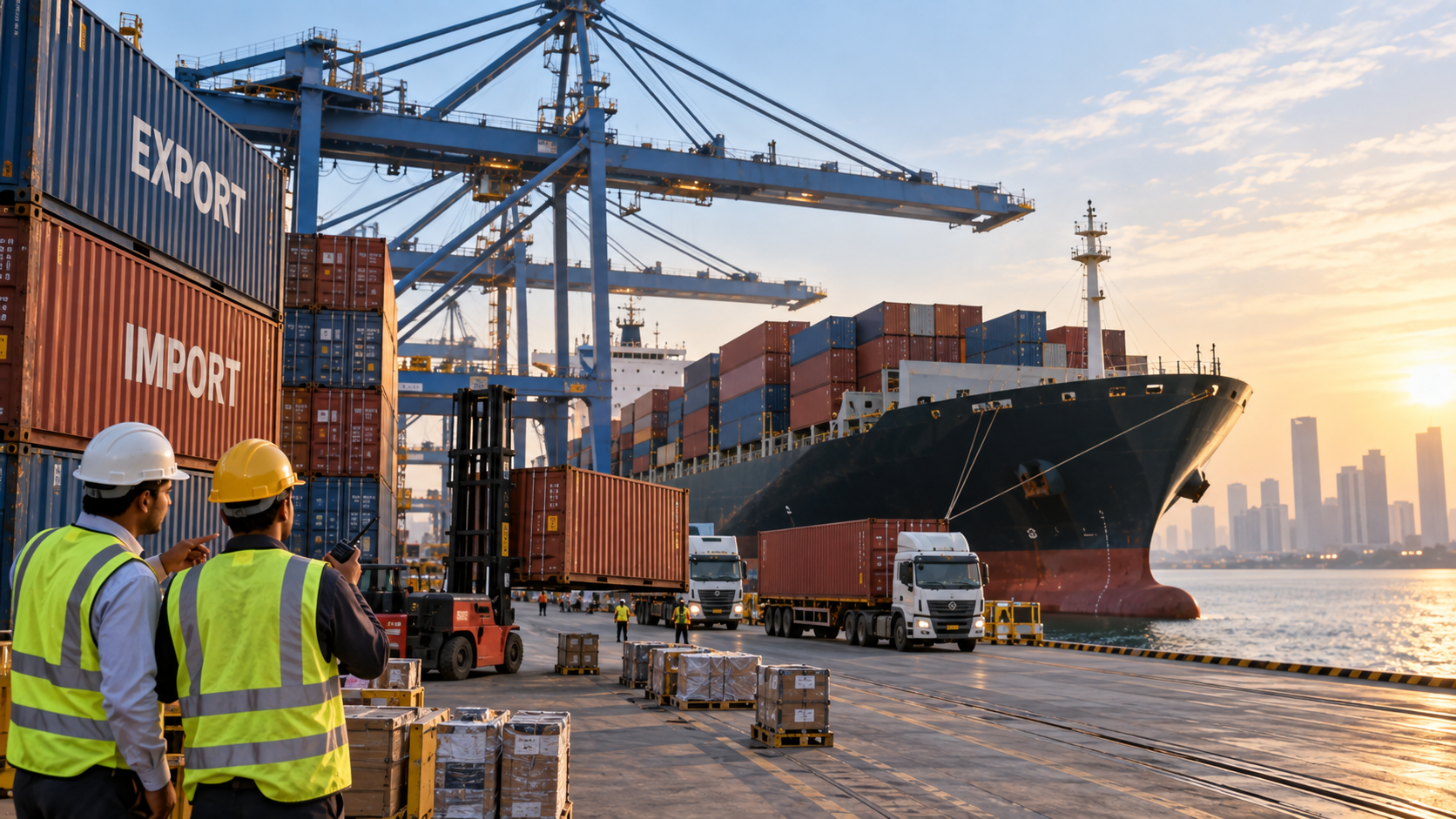
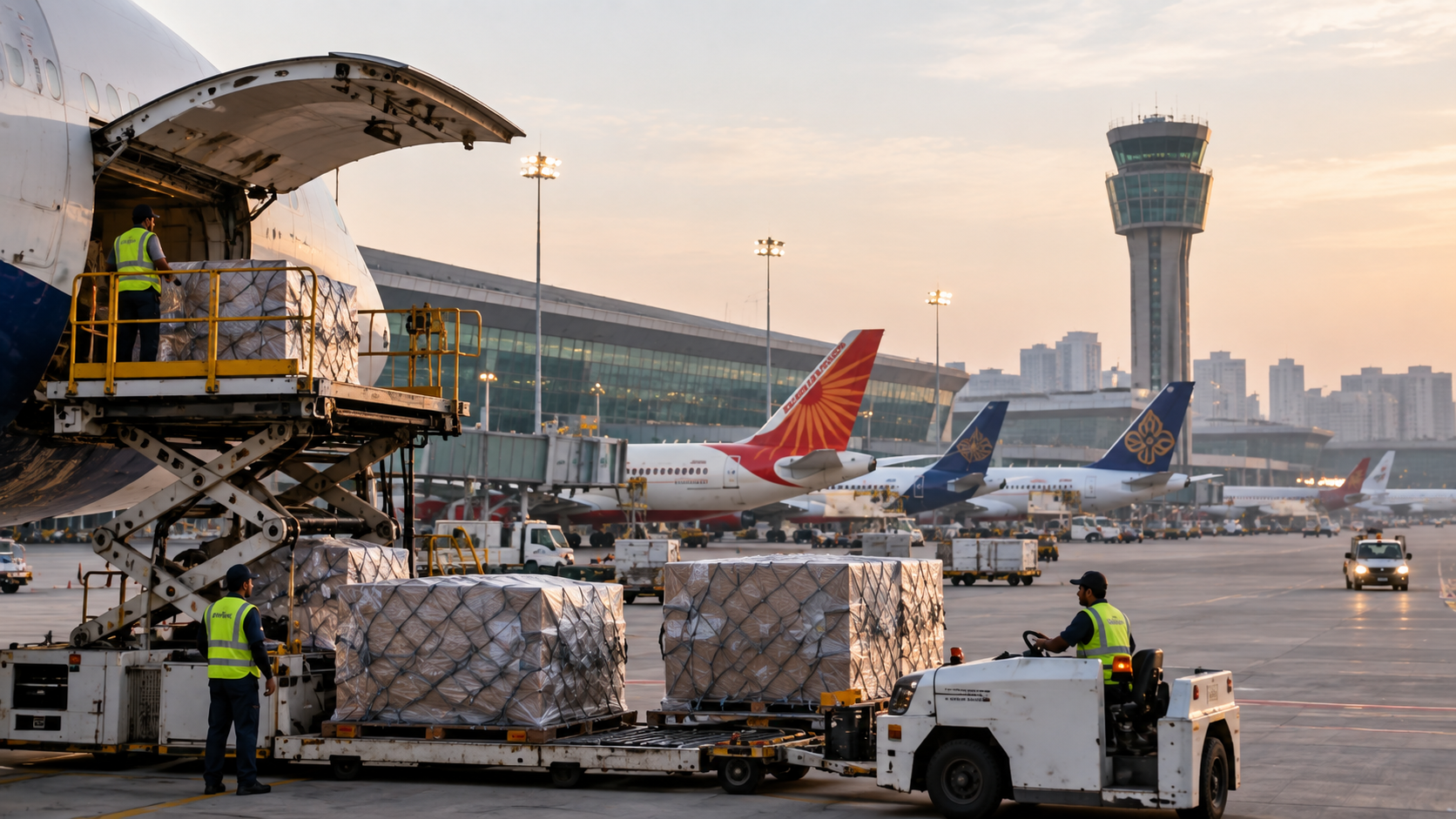
Since, logistics facilities, such as proper storage and warehousing, are crucial for reducing the cost and improving the competitiveness of the manufacturing sector, a number of countries, including India, have created free trade and warehousing zones (FTWZs), which carry out activities such as trading, warehousing and other related activities. As of 2018, the US has 262 foreign trade zones/logistics hubs and China had 15 logistics hubs. India may examine the incentives – both fiscal and non-fiscal, offered to such zones as it revises its SEZ policy to make it WTO compliant.
In addition, the zones are increasingly focusing on providing multiple services to clients. For example, the Kaohsiung SEZ in Taiwan, along with high-value manufacturing units, has designated areas for software and logistics industry. China and Russia provide business incubator support and China also has a fast-track patenting process in special economic zones. In many countries like China, the SEZs are testbeds for reforms in the services sector, which in turn, has helped improve the productivity of manufacturing.
Servicification of Manufacturing and Indian SEZs
India has one of the largest numbers of SEZs in the world. As of January 2021, there are 265 operational SEZs, which include 25 multi-product SEZs and 240 sector-specific SEZs. Total exports from Indian SEZs have increased from US$ 93.29 billion in the financial year 2018-19 to over US$ 100 billion in FY 2019-20, according to data provided by the Department of Commerce, Ministry of Commerce and Industry, Government of India. However, over 60% of Indian SEZs are in the information technology and information technology-enabled services sector, and the country is trying to attract foreign manufacturing units to its SEZs.
As of date, the Indian government is offering a range of fiscal and non-fiscal benefits (see Table 1) to SEZs, yet these zones are not very successful in attracting high-value manufacturing, or in making India an integral part of the global supply chains of multinational companies. This is because while the Indian SEZ Rules refer to servicification of manufacturing (for example see Rule 18(6) of the SEZ Rules Incorporating Amendments up to July, 2010), the policy has not been able to link incentives with servicification of manufacturing to enhance the global competitiveness of manufacturing units in SEZs. The range of non-fiscal incentives provided by India are also limited as India does not have any special visa or fast-track patent in its zones.
Table 1: Incentives offered to the Indian SEZs (as of March, 2020)
| Stage | Type of Incentives | Developer | Unit |
| During the development of SEZs | Exemptions from the following: | ||
| Fiscal | Customs duty | √ | √ |
| Goods and Services tax | √ | √ | |
| State taxes, levies and duties wherever applicable | √ | √ | |
| Non-Fiscal | Single window clearance for central and state level approvals | √ | √ |
| No license to import | √ | √ | |
| Full freedom for sub-contracting | √ | √ | |
| Other incentives | External commercial borrowings (ECB) is allowed up to US$ 500 million a year without restriction. For developers of an SEZ, the ECB channel may be availed after receiving government approval, and only for providing infrastructure facilities in the zone. However, ECB is not permissible for development of integrated township and commercial real estate within the SEZ. | ||
Note: * Sunset Clause for Developers has become effective from April 1, 2017
The current requirements to claim incentives under the SEZ policy are not compliant with the rules under the WTO’s SCM Agreement. The benefits to SEZ units are conditional upon the fulfilment of the mandatory requirement of being positive net foreign exchange earners (NFE is calculated on a cumulative basis in a block of five years), which is export-linked and therefore a prohibited subsidy under the WTO’s SCM Agreement. Importing countries can impose countervailing duties on such exports. The United States (US) took India to the WTO Dispute Settlement Body over the prohibited subsidies given under the SEZ policy and India lost the case in October 2019. Subsequently, India is now trying to redesign the SEZ package for SEZs.
What should be the right incentive?
When the US raised the case in the WTO, the Department of Commerce, Ministry of Commerce and Industry, engaged in extensive consultation with multiple stakeholders to redraft incentives and requirements for incentives under the policy. A high-level committee led by Baba Kalyani was constituted in 2018 to examine and review India’s SEZ policy, with a specific emphasis on making the policy WTO compliant.
This committee has called for the creation of separate development frameworks for manufacturing and services SEZs on account of the different operational requirements and enablers of the two sectors. Further, given that the WTO is yet to design a subsidy discipline for the services sector and over 60% of Indian SEZs are in the IT/ITeS sector, such demarcation will help India to continue to incentivize services SEZs. However, the committee could not specify what kind of incentives can be given to manufacturing units in SEZs, given the growing servicification of manufacturing.
In this context, India can learn from the experiences of countries like China, Republic of Korea, Taiwan, and some of the ASEAN member states like Vietnam in designing subsidies for services, which are inputs into manufacturing and/or can help to improve the competitiveness of manufacturing; for example, help to lower the costs of logistics and transportation.
In India the logistics cost is around 13% of the GDP. This is a key factor rendering Indian products to be expensive and non-competitive. A portion of logistics costs for exporters in SEZs can be compensated through subsidies for transportation or storage. As India is trying to attract high value manufacturing in SEZs, training and skill upgradation will entail costs and part of such costs for units can be subsidised.
In many countries exporters are exempted from payments of taxes on the exported goods and services and the domestic taxes/duties paid on inputs or are reimbursed these taxes post exports. In India, the single goods and services tax, GST has tried to refund back to the exporters’ taxes paid on inputs. However, in practice these refunds take unduly long time to be actually received by the exporters.
Manufacturing units in SEZs can be given subsidies to offset part of the cost of electricity, logistics, R&D, IT, marketing and sales, and workers training and all such costs, which account for a significant part of manufacturing costs. The aim is to reduce cost of manufacturing by subsidising services used in manufacturing for exports, which is a common practice followed by many countries with SEZs as this is WTO compliant. If India designs such WTO smart subsidies, SEZs will be able to attract manufacturing units and can be an engine of inclusive growth, high-value manufacturing and exports. India can also use its SEZs as testbed for reforms in the services sector.
Dr Arpita Mukherjee is a Professor at ICRIER. She has several years of experience in policy-oriented research, working closely with the Government of India and policymakers in the EU, US, ASEAN and in East Asian countries. She has conducted studies for international organizations such as ADB, ADBI, ASEAN Secretariat, FCO (UK), Italian Trade Commission, Konrad-Adenauer Stiftung (KAS), OECD, Taipei Economic and Cultural Centre (TECC), UNCTAD and the WTO and Indian industry associations such as NASSCOM, FICCI, IBA, IDSA and EICI. Her research is a key contributor to India’s negotiating strategies in the WTO and bilateral agreements.
Sunil Rallan is Chairman and Managing Director, Chennai Free Trade Zone. The authors can be contacted at arpita@icrier.res.in and sunilrallan@gmail.com. Views expressed are personal.