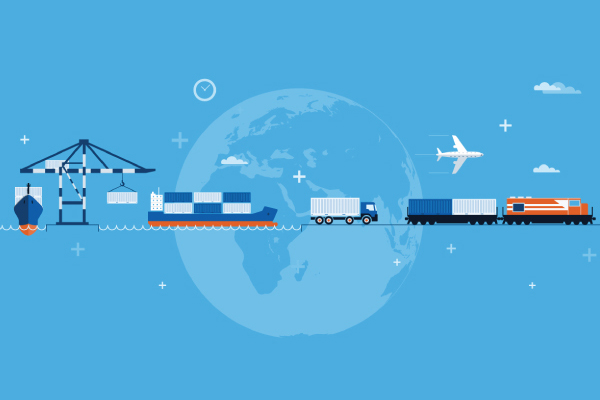
Global Value Chains: A critical focus area post-COVID

Strengthening India’s backward linkages in global value chains is critical to improve domestic value addition, especially in high-end manufactured products. Similarly, India’s forward integration is weak with developed markets like US and EU, an issue that needs to be urgently addressed.

• Global value chains bring a plethora of opportunities, making them an integral part of policy making. From internationalization of manufacturing an end product to providing an eclectic range of products for consumers under similar segment, trade through GVCs is continuously proliferating.
• From 2005 to 2015, India’s share in GVCs has reduced from 16.6% to 14.8%. Now, this reflects that the usage of Indian inputs for all foreign country’s exports aggregated, has in fact fallen marginally. Interesting point to observe here will be to analyse, how much individual economy depends on Indian inputs for their exports.
• According to the forward participation in GVC, India’s position seems weak as integration with developed economies is minimal. Only 0.4% of Indian products are further processed and exported from EU. Similar is the case with USA, UK, South Korea and Japan. In the case of ASEAN, with which we have trade agreements, the share of Indian inputs remains 0.7% in ASEAN’s exports.
• Higher backward GVC participation indicates that the economy is the hub of either a specific range of manufactured products (semi-skilled/skilled) or providing technical services. If India’s backward GVC participation needs to be assuaged, first step is to increase our imports of raw or intermediary products, add value and export. This is exactly what Japan and South Korea did five decades back.
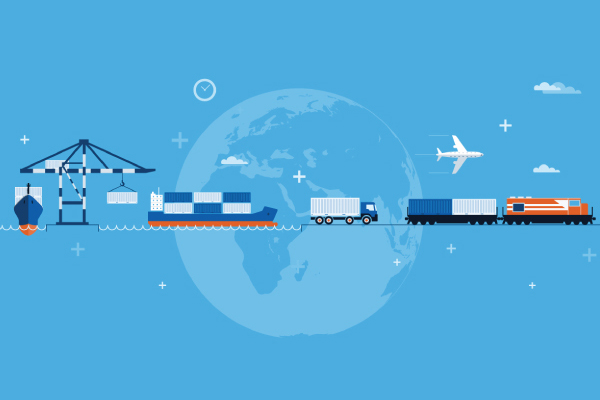
Global Value Chains

Global trade is a highly dynamic arena, which depends on multiple parameters and is highly volatile. From prices to protectionism, global trade has been subject to discussion and debate, especially the conflict of interests between developing and developed economies respectively. This clash is ongoing since the formation of GATT, as developed or industrial economies traditionally dominated international trade. But with the advancement of technology, rising incomes across the globe and reduction in poverty, trade needs a new lens to view and analyse. Issues which were relevant even a decade back seem obsolete, when it comes to policy making for global trade in contemporary times.

One of the imperative routes is global value chains, which bring a plethora of opportunities and is an integral part of policy making. From internationalization of manufacturing an end product to providing an eclectic range of products for consumers in every segment, trade through GVCs is continuously proliferating. Currently, approximately three fourth of global trade is directly happening through GVCs, which is close to US$ 13.5 trillion. This data point in itself explains the significance of participating in GVCs. In this article, we will be comparing India’s GVC participation with major economies having dominance in GVCs, using parameters like domestic value added in foreign final demand.

India’s share in GVCs

To begin with, let’s see how important are Indian inputs in a foreign country’s exports. In other words, how much are other countries dependent on Indian products for their further exports? This parameter is known as forward participation in GVCs. From 2005 to 2015, which is the year for which latest figures are available, the share reduced from 16.6% to 14.8%. Now, this reflects that the usage of Indian inputs for all foreign country’s exports aggregated, has plummeted marginally. It is interesting to note  how much an individual economy depends on Indian inputs for their exports.

Table 1: Forward participation in GVCs: Domestic value added in foreign exports as a share of gross exports, by foreign exporting country (for India)

Source: Calculations based on OECD database, figures in %

According to the forward participation in GVC, India’s position seems weak as integration with developed economies is minimal. Only 0.4% of Indian products are further processed and exported from EU. Similar is the case with US, UK, South Korea and Japan. In the case of ASEAN, with which we have a trade agreement, the share of Indian inputs remains 0.7% in ASEAN’s exports. We have trade agreement with Japan and South Korea as well but the figures are lesser than in case of said multilateral trade agreement. Majority of ASEAN nations are either LDCs (least developed nation) or developing nations with comparable technological advancement. India’s weak forward participation in GVCs could be justified by two possible reasons. First, all products exported by India are utilized for final consumption in the destined economy. Secondly, India’s exports are limited to few countries (excluding developed economies) with meagre export diversification. Now the first reason is more germane in India’s scenario as India significantly exports to developed nations like USA, Japan or EU nations.

Also let’s have a look at India’s backward GVC participation rate. Basically, individual economies participate in global value chains by importing foreign inputs to produce the goods and services they export (backward GVC participation). From 2005 to 2015, the said parameter remained sluggish at 18.8% and 19.1% respectively. Singapore’s backward participation in GVC remained at 41%, Thailand at 33.7%, Viet Nam at 44% and South Korea at 32.6% in 2015. Even ASEAN has 30% of backward GVC participation.

GVC’s Twin Engine

Now, higher backward GVC participation indicates that the economy is the hub/eccentric point of either manufacturing specific range of products (semi-skilled/skilled) or providing technical services. Current trade policies of India focus on manufacturing high end consumer products like electronics and pharma. If India’s backward GVC participation needs to be assuaged, the first step required will be to increase our imports of raw or intermediary products from foreign nation, add value and export. This is exactly what Japan and South Korea did five decades back.

 width=

It is important to compare two more parameters while commenting about any country’s GVC participation, i.e. domestic value added (DVA) and foreign value added (FVA) in macroeconomic variables like gross exports, imports and final demand. As per the calculations, India’s foreign value-added content of exports (FVA) is only 16.06% and the rest 83.9% is domestic value added (DVA). For computers, electronic and electrical equipment, our FVA is 38.2%, which is significantly higher than the average of all products. In Japan, for the same product category, FVA is only 15% and rest 85% is DVA. This tells us a simple story – for high end technological products, developed nations like Japan rely more domestically whereas for low end labor oriented products, developing nations like India rely more domestically. Similarly, India’s DVA in textiles, wearing apparel and leather exports is 84.2%.

Let’s be Structural

This can be inferred in a specific way. Micro industry policy is desirable to escalate India’s GVC participation, rather than generic policies. For those industries where foreign value addition seems unrealistic in India like IT and ITeS, agriculture and textiles, focus should be to diversify export destinations and supply raw materials to other countries, which will bolster our forward participation rate. On the other hand, in sectors like electronics, electrical equipment and machinery, focus should be to improve efficiency and quality so that other economies can use our inputs for further processing.

Transforming our GVC indicators will definitely need time, but it should not be neglected. Ideally, the first step should be to make India a manufacturing hub. Missing out on GVC will keep us weak at global platforms, and prevent us from achieving our aspirations in international trade. Post the onset of COVID and the resetting of global supply networks in many sectors, India needs to be even more cognizant of emerging opportunities in GVCs.
Previous Post
Next Post

Most Recent Posts

  • All Post
  • 8th Pay Commission
  • Aadhar
  • Aditya Birla Capital
  • Advertising Standards
  • Affordable Housing
  • Agriculture
  • Agriculture & Food
  • AI in Healthcare
  • AI Technology
  • Airlines
  • alcohol industry
  • Android
  • APEDA
  • Apple
  • Artificial Intelligence
  • Ashwini Vaishnaw
  • Asset Management
  • Atmanirbhar Bharat
  • Audio Devices
  • Audio Products
  • Auto Industry
  • Automobile
  • Automobiles
  • Automotive
  • Automotive Industry
  • Aviation
  • Bain Healthcare Report 2026
  • Bank
  • Banking
  • Banking Technology
  • Battery Industry
  • Beverage Industry
  • Beverages
  • Bihar
  • biotechnology
  • Bitcoin
  • BMW Group India
  • Brand Insight
  • BRICS
  • Bullion Market
  • Business
  • Business & Economy
  • Business & Trade
  • Business Leadership Post COVID-19
  • Business News
  • Business Terminology
  • Business Utilities
  • Buyback
  • Capital Goods
  • Capital Markets
  • CarsBusiness
  • CBIC
  • CCI
  • Child Investment
  • China
  • China technology news
  • Citizen Services
  • Clean Energy
  • Clean Technology
  • Cloud Computing
  • coal
  • Commerce
  • Commerce and Industry
  • Commercial Real Estate
  • Commercial Vehicles
  • Commodities
  • Communications
  • Companies
  • Competition Law
  • Compliance
  • Computer Accessories
  • connected cars
  • Consumer Affairs
  • Consumer Electronics
  • Consumer Finance
  • Consumer Goods
  • Consumer Health
  • Consumer Markets
  • Consumer News
  • Consumer Protection,
  • Consumer Rights
  • Consumer Spending
  • Consumer Trends
  • Content Creation
  • Copper
  • Corporate
  • corporate affairs
  • Corporate Earnings
  • Corporate Governance
  • Corporate News
  • Corporate Social Responsibility
  • Cost of Living
  • Country
  • CRED
  • Credit Cards
  • CREDIT RATING
  • Crude Oil
  • Cryptocurrency
  • CSR
  • Culture
  • Currency
  • Customs Duty
  • Cyber Security
  • Cybersecurity
  • Dairy Industry
  • Data & Analytics
  • Defence
  • Delhi Government
  • Delhi-NCR
  • Demographics
  • Derivatives
  • DGCA
  • DGFT
  • DigiLocker
  • Digital Assets
  • Digital Economy
  • Digital Health India
  • Digital Identity
  • Digital India
  • Digital Infrastructure
  • Digital passport for robots
  • Digital Payments
  • Digital Platforms
  • digital services
  • Diplomacy
  • Dixon Technologies
  • DPIIT
  • E Commerce
  • E-commerce
  • E-Governance
  • Ease of Doing Business
  • Economic Growth
  • Economy
  • Edible Oil Industry
  • Editor Choice
  • EdTech
  • Education
  • Electric Mobility
  • Electric Vehicles
  • Electronics
  • Employment
  • ENERGY
  • Engineering
  • Entertainment
  • Environment
  • EPFO
  • Ethanol Economy
  • EV Industry
  • EV Technology
  • Exports
  • EXTER
  • Farmers
  • Fashion
  • FINANCE
  • Finance Ministry,
  • Financial Marketing
  • Financial Markets
  • Financial News
  • Financial Planning
  • Financial Results
  • Financial Services
  • Fintech
  • FnTech
  • Food & Beverage
  • Food & Beverages
  • Food Exports
  • Food Industry
  • Food Manufacturing
  • Food Processing
  • Food Regulations
  • food safety
  • Foreign Exchange
  • Foreign Investment
  • Foreign Policy
  • Foreign Trade
  • Forex Reserves
  • fssai
  • FTA
  • Fuel
  • Fuel Prices
  • Future Energy
  • Gadgets
  • Gadgets & Apps
  • Gaming
  • GDP
  • Generative AI Healthcare
  • Geopolitics
  • GI Products
  • Global Brand Alliance
  • Global Economy
  • Global Markets
  • Global Politics
  • Global Tech
  • Global Trade Policy
  • Global Trends\
  • Gold
  • Gold Market
  • Gold Prices
  • Gols & Silver
  • Government
  • Government & Policy
  • Government Affairs
  • Government Bonds
  • Government Data
  • Government Initiatives
  • Government Policy
  • Government Policy & Regulation
  • Government Scheme
  • Government Schemes
  • Government Services
  • Green Energy
  • Green Mobility
  • GroupGlobal
  • GST
  • GST Council
  • GST Counsil
  • Hair Care
  • Hardware
  • Hatchback Segment
  • Health Supplements,
  • Horticulture
  • Housing
  • HSBC
  • Human Resources
  • humanoid robot market
  • Hyundai
  • IBT Infographics
  • iinvestment
  • Imports & Exports
  • Income Tax
  • India
  • India Auto Market
  • India Business News
  • India Inc
  • India News
  • India Retail
  • India-Canada Relations
  • India-China
  • India-Japan Relations
  • India-Russia Relations
  • India-South Korea Relations
  • India-US Relations
  • Indian Economy
  • Indian Navy
  • Industrial Pollution
  • Inflation
  • Infra
  • Infrastructure
  • Innovation
  • Instagram
  • Insurance
  • international
  • International Affairs
  • International Cooperation
  • International Relations
  • International Trade
  • Internet & Connectivity
  • Internet Policy
  • Internet Regulation
  • Interview
  • Investing
  • Investment News
  • Investments
  • iPhone News
  • IPO
  • IT Industry
  • Jewellery
  • Jio Platforms
  • JioBlackRock
  • Jobs & Careers
  • Joint Ventures
  • Kim Kardashian
  • Labour
  • Latest
  • Launches
  • Leadership
  • Leaderspeak
  • Lending
  • Lifestyle
  • Lifestyle Tech
  • List
  • Loans & Credit
  • Local News
  • Logistics
  • LPG
  • Luxury Cars
  • Machinery
  • Macroeconomics
  • Macroeconomy
  • maharashtra
  • Maharashtra News
  • Make in India
  • Makhana
  • Managed Workspaces
  • Manufacturing
  • Market Outlook
  • Markets
  • Maruti Suzuki
  • Mergers & Acquisitions
  • Meta
  • Microsoft
  • Middle East
  • Mobile Apps
  • Mobile Industry
  • Mobile Launch
  • Mobility
  • Monetary Policy
  • Monsoon
  • MoSPI
  • MSME
  • Mutual Funds
  • Nano Tech
  • National
  • National news
  • NEET 2026
  • NewsElectric
  • NewsTata
  • NPCI
  • NPS Vatsalya
  • Office Market
  • Oil & Gas
  • Oil and Gas
  • Others
  • OTT
  • Packaged Drinking Water
  • Packaged Foods
  • Packaging Industry
  • Packaging Innovation
  • Passenger Vehicles
  • Paytm
  • Pension & Retirement
  • Pensions
  • Personal Care
  • Personal Finance
  • Perspectives
  • Petroleum
  • PFRDA
  • Pharmaceuticals
  • PM Modi
  • PMAY-G
  • PMAY-U
  • PMAY,
  • PMI
  • policy
  • Population
  • PORTS
  • Positive News
  • PPF
  • Precious Metals
  • Pricing
  • Product Labeling
  • Product Labelling
  • Product Launch
  • Property Market
  • PSU
  • PSU Banks
  • Public Health
  • Public Policy
  • Public Safety
  • Public Sector
  • Public Services
  • Public Welfare
  • Quarterly Results
  • Railways
  • Rajasthan
  • Raksha Bandhan
  • Raksha Bandhan Gifts
  • Rare Earths
  • Ratings Agencies
  • RBI
  • Real Estate & Realty Sector
  • Recycling
  • Regulation
  • Regulatory Action
  • Regulatory Affairs
  • Regulatory Updates
  • REIT
  • Reliance Industries
  • Renewable Energy
  • RERA
  • Research
  • Retail
  • Retirement Planning
  • Road Infrastructure
  • Robotics & Automation
  • robotics standards
  • Rupee
  • Rural Development
  • Rural Housing
  • SAIL
  • Salaries
  • Samsung
  • Savings
  • Science & Technology
  • Sebi
  • Security
  • Semiconductor
  • Semiconductors
  • Services Sector,
  • SHIPPING
  • Silver Prices
  • Skill Development
  • Skills Development
  • Small Business
  • Smart Devices
  • Smart Home
  • Smart Mobility
  • Smartphones
  • Social Impact
  • Social Media
  • Society
  • Software Development
  • Solar Energy
  • Space Technology
  • Startups
  • Statistics
  • Steel Industry
  • Stock Market
  • stocks
  • streaming
  • Sugar Industry
  • Sukanya Samriddhi Yojana
  • Sustainability
  • SUV
  • Tamil Nadu Pollution Board
  • Tariffs
  • Tariffs & Duties
  • Tata Group
  • Tata Motors
  • Tata Sons
  • Tax Planning
  • Taxation
  • Tech
  • Tech Branding
  • Technology
  • Telecom & Technology
  • Telecom Industry
  • Top Story
  • Tourism
  • Trade
  • Trade Agreement
  • Trade Basket
  • Trade Partner
  • Trade Policy,
  • Transportation
  • Travel
  • Trending
  • Two-Wheelers
  • UIDAI
  • UPI
  • Urban Development
  • US-Iran Conflict Economic Impact
  • US–India Relations
  • Uttar Pradesh
  • Vaccines
  • VehiclesLuxury
  • vivo
  • Wastewater Management
  • Water Quality,
  • Wealth Management
  • Wearables
  • Wellness
  • WhatsApp
  • Wheat
  • Workplace
  • World
  • World News
  • Worldview
  • Yamaha
  • zLead Slider
    •   Back
    • Healthcare
    • Auto
    • Fmcg
    • Hospitality
    •   Back
    • Cash Crop
    • Organic
    • New Era Agri
    • Processed Food
    •   Back
    • Construction
    • Power
    • Mining
    • Telecom
    •   Back
    • ENERGY
    •   Back
    • Export/Import
    • Trade Deal
    • Trade Fair
    •   Back
    • Policies
    • Industry
    • Finance
    •   Back
    • Others technology
    • Mobile phone
    • Gadgets
    •   Back
    • Manufacturing
    • Services
    • Startup

India Business & Trade is a national media platform decoding the ideas, decisions and shifts shaping India’s growth story—across plicy, business, global commerce and a rapidly evolving marketplace.

Reach Us

India Business & Trade
M-62, Saket, New Delhi-110064, India

Subscribe To Newsletter

Stay ahead in the dynamic world of trade and commerce with India Business & Trade’s weekly newsletter.

Copyright © 2026 India Business & Trade. All Rights Reserved


Fatal error: Uncaught TypeError: Unsupported operand types: string * int in /var/www/sites/indiabusinesstrade.in/wp-content/plugins/royal-elementor-addons/admin/includes/wpr-templates-modal-popups.php:192 Stack trace: #0 /var/www/sites/indiabusinesstrade.in/wp-content/plugins/royal-elementor-addons/admin/includes/wpr-templates-modal-popups.php(128): WprAddons\Admin\Includes\WPR_Templates_Modal_Popups::get_template_settings() #1 /var/www/sites/indiabusinesstrade.in/wp-content/plugins/royal-elementor-addons/admin/includes/wpr-templates-modal-popups.php(106): WprAddons\Admin\Includes\WPR_Templates_Modal_Popups::render_popup_content() #2 /var/www/sites/indiabusinesstrade.in/wp-content/plugins/royal-elementor-addons/admin/includes/wpr-templates-modal-popups.php(64): WprAddons\Admin\Includes\WPR_Templates_Modal_Popups::display_popups_by_location() #3 /var/www/sites/indiabusinesstrade.in/wp-includes/class-wp-hook.php(341): WprAddons\Admin\Includes\WPR_Templates_Modal_Popups->render_popups() #4 /var/www/sites/indiabusinesstrade.in/wp-includes/class-wp-hook.php(365): WP_Hook->apply_filters() #5 /var/www/sites/indiabusinesstrade.in/wp-includes/plugin.php(522): WP_Hook->do_action() #6 /var/www/sites/indiabusinesstrade.in/wp-includes/general-template.php(3224): do_action() #7 /var/www/sites/indiabusinesstrade.in/wp-content/plugins/royal-elementor-addons/admin/templates/wpr-canvas.php(64): wp_footer() #8 /var/www/sites/indiabusinesstrade.in/wp-includes/template-loader.php(132): include('...') #9 /var/www/sites/indiabusinesstrade.in/wp-blog-header.php(19): require_once('...') #10 /var/www/sites/indiabusinesstrade.in/index.php(17): require('...') #11 {main} thrown in /var/www/sites/indiabusinesstrade.in/wp-content/plugins/royal-elementor-addons/admin/includes/wpr-templates-modal-popups.php on line 192