Trump’s reciprocal tariffs: Can India stay resilient?

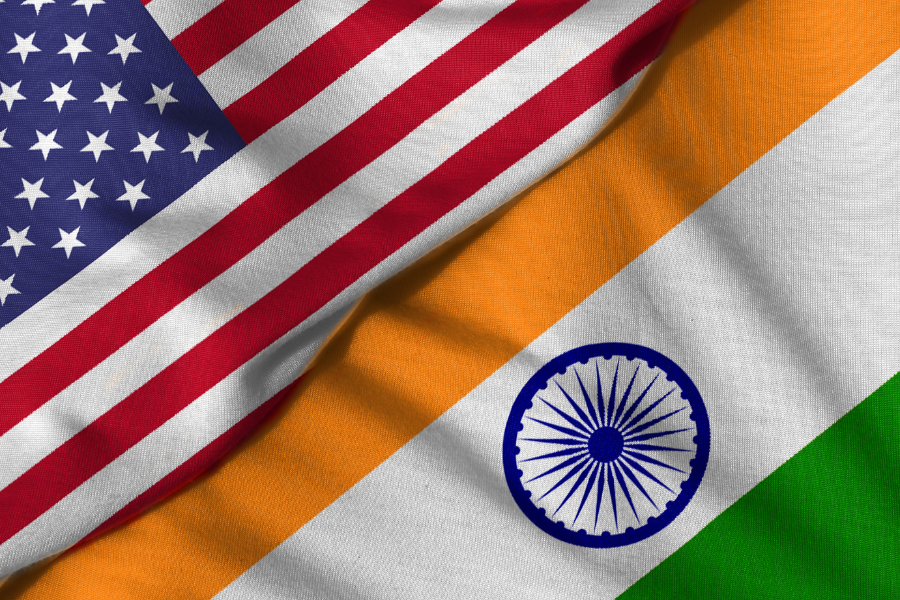
Tariffs are back at the center of US trade policy as President Donald Trump rolls out a fresh wave of duties on key trade partners, including Canada, Mexico, China, and potentially the EU. His latest move—reciprocal tariffs—aims to match import duties imposed on American goods by other nations. India, often labeled the “tariff king” by Trump, finds itself in the spotlight, with U.S. tariffs set to mirror India’s own trade barriers.

While these measures could increase costs for Indian exporters in sectors like textiles, machinery, and auto components, the overall impact is expected to be limited. Thanks to a strong trade surplus with the US, India has room to maneuver. By diversifying exports, strengthening supply chains, and leveraging its “Make in India” strategy, the country can offset potential losses and even turn this challenge into an opportunity for long-term economic resilience.

India_US_tpci

Tariffs are a key component of US President Donald Trump’s economic strategy. During his election campaign, he pledged to impose import duties on major U.S. trade partners. He firmly believes that tariffs will bolster American manufacturing, protect jobs, increase tax revenue, and drive economic growth, while also helping to “protect” the nation from illegal immigration and drug smuggling. 

President Trump recently announced a 25% tariff on all steel and aluminum imports. He has already implemented a 10% tax on Chinese goods—leading to retaliatory measures from China—and has threatened tariffs on imports from Canada and Mexico. 

The US is the world’s largest steel importer, with Canada, Brazil, and Mexico as its top three suppliers. In 2024, Canada supplied over 50% of the aluminum imported into the US.  Following the announcement, US companies that rely on steel and aluminum for manufacturing warned that the tariffs could drive up prices. In 2018, during his first term, Trump imposed tariffs of 25% on steel and 15% on aluminum but later negotiated exemptions for several countries, including Australia, Canada, and Mexico.

In 2024, China, Mexico, and Canada collectively accounted for over 40% of US imports.

Canada– The proposed 25% tariff on all goods from Canada, originally set to take effect on February 4, has been delayed by 30 days. In response, Canada has also postponed its own 25% retaliatory tariff on 155 billion Canadian dollars (US$ 107 billion; £86 billion) worth of U.S. imports. 

President Trump said the delay would allow time to negotiate a final economic deal with Canada.

Mexico– The proposed 25% tariffs on Mexican imports have also been postponed for a month, along with Mexico’s retaliatory tariffs on U.S. goods. 

Mexican President Claudia Sheinbaum agreed to deploy 10,000 National Guard troops to combat the trafficking of drugs, especially fentanyl, while the U.S. pledged to increase efforts to prevent the smuggling of high-powered weapons into Mexico.

To sum up, the new tariffs could heavily impact car manufacturing, as vehicle parts frequently move between the US, Mexico, and Canada before final assembly. Other Mexican exports likely to be affected include fruits, vegetables, spirits, and beer. Along with steel, Canadian goods such as timber, grains, and potatoes may see price hikes. However, Canadian energy imports would be subject to a 10% tariff instead of 25%.

China– The U.S. imposed a 10% tariff on all Chinese imports that came into force on February 4, with exemptions for shipments under US$800 (£645). In response, China introduced tariffs on February 10, including a 15% duty on U.S. coal and liquefied natural gas and a 10% tariff on crude oil, agricultural machinery, and large-engine cars. Beijing has repeatedly opposed a trade war with the U.S.

UK & EUPresident Trump has also floated the possibility of tariffs on the EU, claiming that it takes “almost nothing” from the U. while exporting extensively to the US market. In 2024, the U.S. had a US$ 213 billion trade deficit with the EU, which Trump called “an atrocity.”

As for the UK, the President stated that it was “out of line” but suggested that a solution could be negotiated. The UK exports pharmaceuticals, cars, and scientific instruments to the US. Business Secretary Jonathan Reynolds argued that the UK should be exempt from tariffs, as it imports more from the U.S. than it exports.

US government to impose Reciprocal tariffs. What are the Risks for India?

Furthermore, Trump’s announcement of reciprocal tariffs on all US trading partners has generated global concern and uncertainty. The move aims to address trade imbalances, as many countries impose higher tariffs on US goods than vice versa.

President Trump said, “On trade, I have decided for purposes of fairness, that I will charge a reciprocal tariff, meaning whatever countries charge the United States of America, we will charge them. No more, no less. This is every country, and essentially, when they treat us fairly, we treat them fairly.

According to a White House official, these measures aim to offset restrictive regulations, value-added taxes, government subsidies, and exchange rate policies that hinder the flow of U.S. products into foreign markets.

It is worth noting that developing nations like India impose high import duties to protect domestic industries, generate revenue, and promote economic growth. These tariffs help shield emerging sectors from foreign competition, encourage self-sufficiency, and address trade imbalances. On the other hand, developed nations such as the US keep tariffs low since their industries are already competitive on a global scale. Open markets benefit them by allowing businesses to expand internationally with minimal trade barriers.

With reference to India, the US President reiterated that India’s tariffs are rather high. He also referred to the country as the ‘tariff king’“India has more tariffs than nearly any other country,” he said.

According to a White House fact sheet dated February 13, “The U.S. average applied Most Favored Nation (MFN) tariff on agricultural goods is 5%. But India’s average applied MFN tariff is 39%. India also charges a 100% tariff on U.S. motorcycles, while we only charge a 2.4% tariff on Indian motorcycles.”

President Trump stated that under the reciprocal tariff plan, set to take effect on April 1, the US will impose tariffs on Indian goods at the same rate that India applies to American imports.

Impact of U.S. tariff reciprocity on Indian exports is likely to be negligible

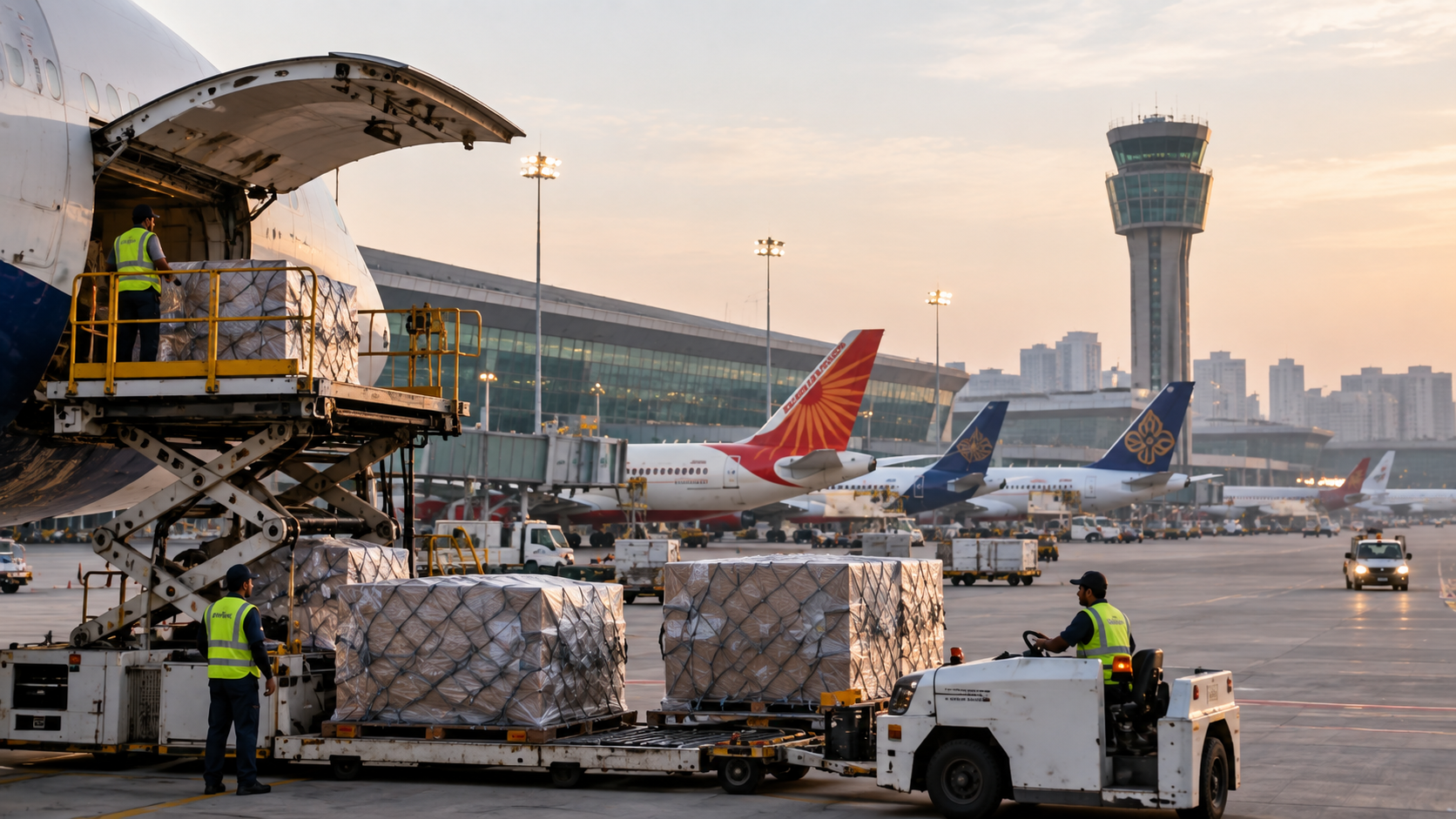
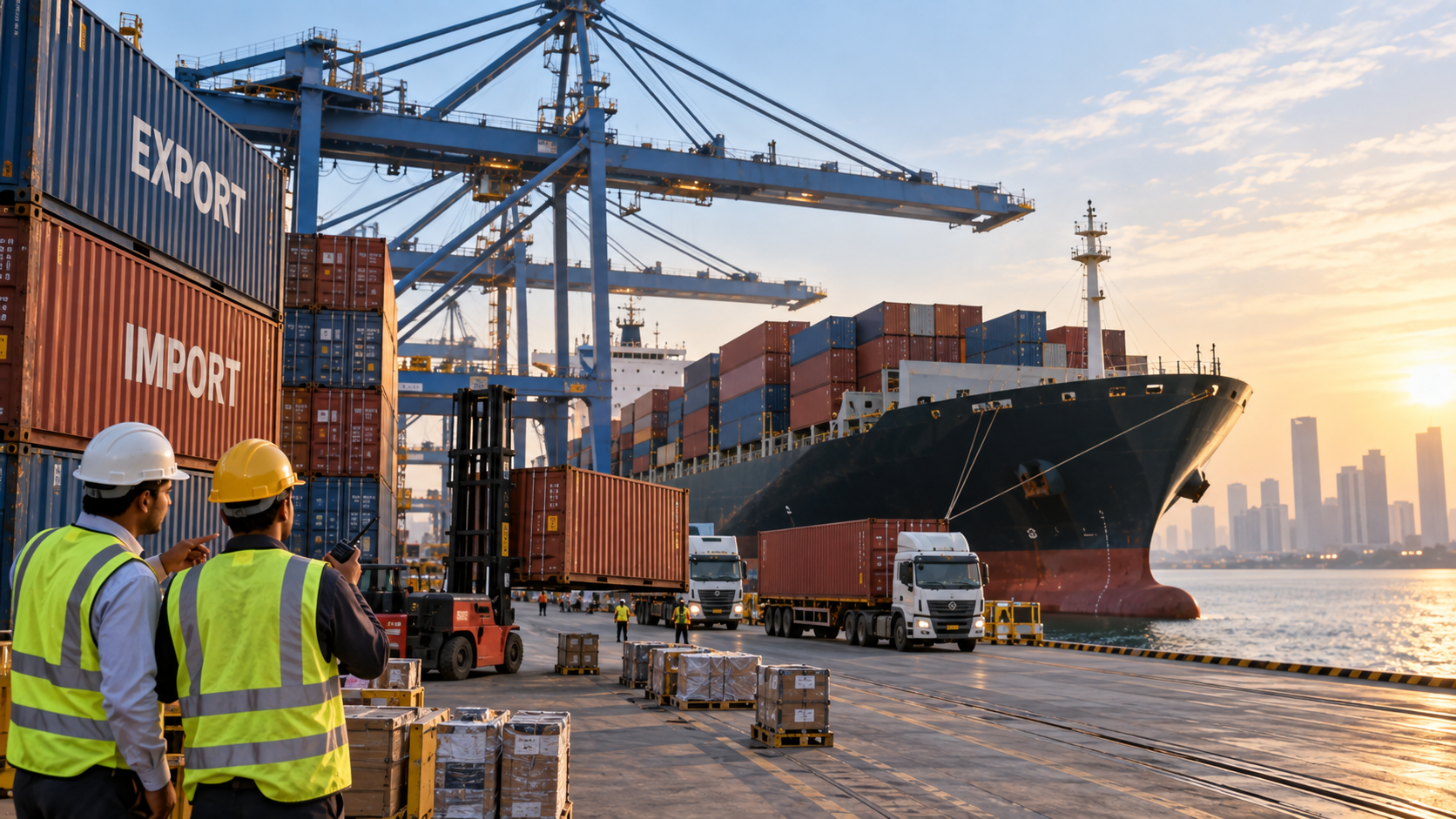
The US is India’s largest export destination, accounting for about 18% of the country’s total exports. Key exports to the US include electrical and industrial machinery, gems and jewelry, pharmaceuticals, fuels, iron and steel, textiles and clothing, vehicles, and chemicals, among others. In addition, up to 65% of software exporters’ revenue comes from the US.

India-US trade: From 2021 to 2024, the US remained India’s largest trading partner and one of the few countries with which India maintained a trade surplus. In 2023-24, bilateral goods trade between the two nations reached US$ 119.7 billion, with US$ 77.5 billion in exports, US$ 42.19 billion in imports, and a trade surplus of US$ 35.31 billion in India’s favour.

Between April and November 2024-25, the US became India’s second-largest trading partner, with total bilateral trade amounting to US$ 82.5 billion, including US$ 52.9 billion in exports, US$ 29.63 billion in imports, and a trade surplus of US$ 23.3 billion for India.

The economic think tank GTRI noted that the US government’s move to impose reciprocal tariffs in response to higher duties from its trading partners is unlikely to have a significant impact on India due to differences in their export profiles. 

GTRI Founder Ajay Srivastava stated that for about 75% value of the US exports to India, the average tariff is less than 5%. He added that India, on the other hand, faces high US tariffs on many labor-intensive goods, such as textiles, garments, and footwear, with rates ranging from 15% to 35% on several products.

He noted, “Given the differences in the export profiles of the two countries, reciprocal tariffs may not have a significant impact. In the new Trump era, India may wait to see the US decision in April on reciprocal tariffs and then respond in equal measures as we did in June 2019.” 

A report by State Bank of India highlighted, “Our estimates show overall incremental tariff levels even at 15-20% imposed by the USA would still limit the impact on exports to the US only in the range of 3-3.5%, which again should be negated through higher export goals”.

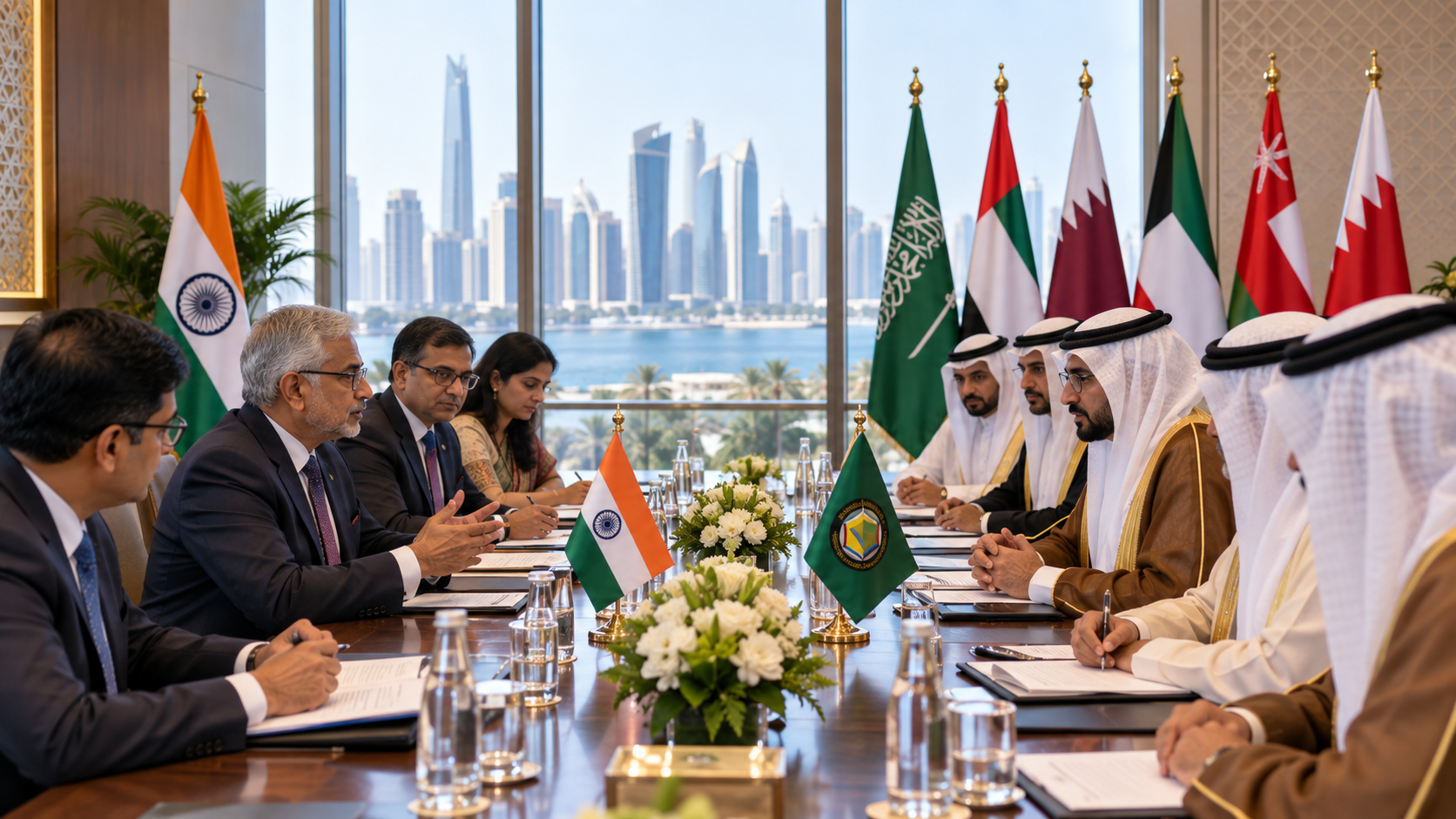
Experts suggest that the impact of US tariff reciprocity on Indian exports can be counterbalanced by India’s efforts in export diversification, enhancing value addition, and tapping into new trade routes. They anticipate that India will benefit from cheaper imports and increased US investments in critical sectors, aligning with its Make in India initiative. Furthermore, India is expected to gain from the ongoing shift in supply chains. As trade ties grow with Europe, the Middle East, and other regions, India is working to strengthen its supply chain networks to ensure stable export growth.
Previous Post
Next Post

Most Recent Posts

  • All Post
  • 8th Pay Commission
  • Aadhar
  • Aditya Birla Capital
  • Advertising Standards
  • Affordable Housing
  • Agriculture
  • Agriculture & Food
  • AI in Healthcare
  • AI Technology
  • Airlines
  • alcohol industry
  • Android
  • APEDA
  • Apple
  • Artificial Intelligence
  • Ashwini Vaishnaw
  • Asset Management
  • Atmanirbhar Bharat
  • Audio Devices
  • Audio Products
  • Auto Industry
  • Automobile
  • Automobiles
  • Automotive
  • Automotive Industry
  • Aviation
  • Bain Healthcare Report 2026
  • Bank
  • Banking
  • Banking Technology
  • Battery Industry
  • Beverage Industry
  • Beverages
  • Bihar
  • biotechnology
  • Bitcoin
  • BMW Group India
  • Brand Insight
  • BRICS
  • Bullion Market
  • Business
  • Business & Economy
  • Business & Trade
  • Business Leadership Post COVID-19
  • Business News
  • Business Terminology
  • Business Utilities
  • Buyback
  • Capital Goods
  • Capital Markets
  • CarsBusiness
  • CBIC
  • CCI
  • Child Investment
  • China
  • China technology news
  • Citizen Services
  • Clean Energy
  • Clean Technology
  • Cloud Computing
  • coal
  • Commerce
  • Commerce and Industry
  • Commercial Real Estate
  • Commercial Vehicles
  • Commodities
  • Communications
  • Companies
  • Competition Law
  • Compliance
  • Computer Accessories
  • connected cars
  • Consumer Affairs
  • Consumer Electronics
  • Consumer Finance
  • Consumer Goods
  • Consumer Health
  • Consumer Markets
  • Consumer News
  • Consumer Protection,
  • Consumer Rights
  • Consumer Spending
  • Consumer Trends
  • Content Creation
  • Copper
  • Corporate
  • corporate affairs
  • Corporate Earnings
  • Corporate Governance
  • Corporate News
  • Corporate Social Responsibility
  • Cost of Living
  • Country
  • CRED
  • Credit Cards
  • CREDIT RATING
  • Crude Oil
  • Cryptocurrency
  • CSR
  • Culture
  • Currency
  • Customs Duty
  • Cyber Security
  • Cybersecurity
  • Dairy Industry
  • Data & Analytics
  • Defence
  • Delhi Government
  • Delhi-NCR
  • Demographics
  • Derivatives
  • DGCA
  • DGFT
  • DigiLocker
  • Digital Assets
  • Digital Economy
  • Digital Health India
  • Digital Identity
  • Digital India
  • Digital Infrastructure
  • Digital passport for robots
  • Digital Payments
  • Digital Platforms
  • digital services
  • Diplomacy
  • Dixon Technologies
  • DPIIT
  • E Commerce
  • E-commerce
  • E-Governance
  • Ease of Doing Business
  • Economic Growth
  • Economy
  • Edible Oil Industry
  • Editor Choice
  • EdTech
  • Education
  • Electric Mobility
  • Electric Vehicles
  • Electronics
  • Employment
  • ENERGY
  • Engineering
  • Entertainment
  • Environment
  • EPFO
  • Ethanol Economy
  • EV Industry
  • EV Technology
  • Exports
  • EXTER
  • Farmers
  • Fashion
  • FINANCE
  • Finance Ministry,
  • Financial Marketing
  • Financial Markets
  • Financial News
  • Financial Planning
  • Financial Results
  • Financial Services
  • Fintech
  • FnTech
  • Food & Beverage
  • Food & Beverages
  • Food Exports
  • Food Industry
  • Food Manufacturing
  • Food Processing
  • Food Regulations
  • food safety
  • Foreign Exchange
  • Foreign Investment
  • Foreign Policy
  • Foreign Trade
  • Forex Reserves
  • fssai
  • FTA
  • Fuel
  • Fuel Prices
  • Future Energy
  • Gadgets
  • Gadgets & Apps
  • Gaming
  • GDP
  • Generative AI Healthcare
  • Geopolitics
  • GI Products
  • Global Brand Alliance
  • Global Economy
  • Global Markets
  • Global Politics
  • Global Tech
  • Global Trade Policy
  • Global Trends\
  • Gold
  • Gold Market
  • Gold Prices
  • Gols & Silver
  • Government
  • Government & Policy
  • Government Affairs
  • Government Bonds
  • Government Data
  • Government Initiatives
  • Government Policy
  • Government Policy & Regulation
  • Government Scheme
  • Government Schemes
  • Government Services
  • Green Energy
  • Green Mobility
  • GroupGlobal
  • GST
  • GST Council
  • GST Counsil
  • Hair Care
  • Hardware
  • Hatchback Segment
  • Health Supplements,
  • Horticulture
  • Housing
  • HSBC
  • Human Resources
  • humanoid robot market
  • Hyundai
  • IBT Infographics
  • iinvestment
  • Imports & Exports
  • Income Tax
  • India
  • India Auto Market
  • India Business News
  • India Inc
  • India News
  • India Retail
  • India-Canada Relations
  • India-China
  • India-Japan Relations
  • India-Russia Relations
  • India-South Korea Relations
  • India-US Relations
  • Indian Economy
  • Indian Navy
  • Industrial Pollution
  • Inflation
  • Infra
  • Infrastructure
  • Innovation
  • Instagram
  • Insurance
  • international
  • International Affairs
  • International Cooperation
  • International Relations
  • International Trade
  • Internet & Connectivity
  • Internet Policy
  • Internet Regulation
  • Interview
  • Investing
  • Investment News
  • Investments
  • iPhone News
  • IPO
  • IT Industry
  • Jewellery
  • Jio Platforms
  • JioBlackRock
  • Jobs & Careers
  • Joint Ventures
  • Kim Kardashian
  • Labour
  • Latest
  • Launches
  • Leadership
  • Leaderspeak
  • Lending
  • Lifestyle
  • Lifestyle Tech
  • List
  • Loans & Credit
  • Local News
  • Logistics
  • LPG
  • Luxury Cars
  • Machinery
  • Macroeconomics
  • Macroeconomy
  • maharashtra
  • Maharashtra News
  • Make in India
  • Makhana
  • Managed Workspaces
  • Manufacturing
  • Market Outlook
  • Markets
  • Maruti Suzuki
  • Mergers & Acquisitions
  • Meta
  • Microsoft
  • Middle East
  • Mobile Apps
  • Mobile Industry
  • Mobile Launch
  • Mobility
  • Monetary Policy
  • Monsoon
  • MoSPI
  • MSME
  • Mutual Funds
  • Nano Tech
  • National
  • National news
  • NEET 2026
  • NewsElectric
  • NewsTata
  • NPCI
  • NPS Vatsalya
  • Office Market
  • Oil & Gas
  • Oil and Gas
  • Others
  • OTT
  • Packaged Drinking Water
  • Packaged Foods
  • Packaging Industry
  • Packaging Innovation
  • Passenger Vehicles
  • Paytm
  • Pension & Retirement
  • Pensions
  • Personal Care
  • Personal Finance
  • Perspectives
  • Petroleum
  • PFRDA
  • Pharmaceuticals
  • PM Modi
  • PMAY-G
  • PMAY-U
  • PMAY,
  • PMI
  • policy
  • Population
  • PORTS
  • Positive News
  • PPF
  • Precious Metals
  • Pricing
  • Product Labeling
  • Product Labelling
  • Product Launch
  • Property Market
  • PSU
  • PSU Banks
  • Public Health
  • Public Policy
  • Public Safety
  • Public Sector
  • Public Services
  • Public Welfare
  • Quarterly Results
  • Railways
  • Rajasthan
  • Raksha Bandhan
  • Raksha Bandhan Gifts
  • Rare Earths
  • Ratings Agencies
  • RBI
  • Real Estate & Realty Sector
  • Recycling
  • Regulation
  • Regulatory Action
  • Regulatory Affairs
  • Regulatory Updates
  • REIT
  • Reliance Industries
  • Renewable Energy
  • RERA
  • Research
  • Retail
  • Retirement Planning
  • Road Infrastructure
  • Robotics & Automation
  • robotics standards
  • Rupee
  • Rural Development
  • Rural Housing
  • SAIL
  • Salaries
  • Samsung
  • Savings
  • Science & Technology
  • Sebi
  • Security
  • Semiconductor
  • Semiconductors
  • Services Sector,
  • SHIPPING
  • Silver Prices
  • Skill Development
  • Skills Development
  • Small Business
  • Smart Devices
  • Smart Home
  • Smart Mobility
  • Smartphones
  • Social Impact
  • Social Media
  • Society
  • Software Development
  • Solar Energy
  • Space Technology
  • Startups
  • Statistics
  • Steel Industry
  • Stock Market
  • stocks
  • streaming
  • Sugar Industry
  • Sukanya Samriddhi Yojana
  • Sustainability
  • SUV
  • Tamil Nadu Pollution Board
  • Tariffs
  • Tariffs & Duties
  • Tata Group
  • Tata Motors
  • Tata Sons
  • Tax Planning
  • Taxation
  • Tech
  • Tech Branding
  • Technology
  • Telecom & Technology
  • Telecom Industry
  • Top Story
  • Tourism
  • Trade
  • Trade Agreement
  • Trade Basket
  • Trade Partner
  • Trade Policy,
  • Transportation
  • Travel
  • Trending
  • Two-Wheelers
  • UIDAI
  • UPI
  • Urban Development
  • US-Iran Conflict Economic Impact
  • US–India Relations
  • Uttar Pradesh
  • Vaccines
  • VehiclesLuxury
  • vivo
  • Wastewater Management
  • Water Quality,
  • Wealth Management
  • Wearables
  • Wellness
  • WhatsApp
  • Wheat
  • Workplace
  • World
  • World News
  • Worldview
  • Yamaha
  • zLead Slider
    •   Back
    • Healthcare
    • Auto
    • Fmcg
    • Hospitality
    •   Back
    • Cash Crop
    • Organic
    • New Era Agri
    • Processed Food
    •   Back
    • Construction
    • Power
    • Mining
    • Telecom
    •   Back
    • ENERGY
    •   Back
    • Export/Import
    • Trade Deal
    • Trade Fair
    •   Back
    • Policies
    • Industry
    • Finance
    •   Back
    • Others technology
    • Mobile phone
    • Gadgets
    •   Back
    • Manufacturing
    • Services
    • Startup

India Business & Trade is a national media platform decoding the ideas, decisions and shifts shaping India’s growth story—across plicy, business, global commerce and a rapidly evolving marketplace.

Reach Us

India Business & Trade
M-62, Saket, New Delhi-110064, India

Subscribe To Newsletter

Stay ahead in the dynamic world of trade and commerce with India Business & Trade’s weekly newsletter.

Copyright © 2026 India Business & Trade. All Rights Reserved


Fatal error: Uncaught TypeError: Unsupported operand types: string * int in /var/www/sites/indiabusinesstrade.in/wp-content/plugins/royal-elementor-addons/admin/includes/wpr-templates-modal-popups.php:192 Stack trace: #0 /var/www/sites/indiabusinesstrade.in/wp-content/plugins/royal-elementor-addons/admin/includes/wpr-templates-modal-popups.php(128): WprAddons\Admin\Includes\WPR_Templates_Modal_Popups::get_template_settings() #1 /var/www/sites/indiabusinesstrade.in/wp-content/plugins/royal-elementor-addons/admin/includes/wpr-templates-modal-popups.php(106): WprAddons\Admin\Includes\WPR_Templates_Modal_Popups::render_popup_content() #2 /var/www/sites/indiabusinesstrade.in/wp-content/plugins/royal-elementor-addons/admin/includes/wpr-templates-modal-popups.php(64): WprAddons\Admin\Includes\WPR_Templates_Modal_Popups::display_popups_by_location() #3 /var/www/sites/indiabusinesstrade.in/wp-includes/class-wp-hook.php(341): WprAddons\Admin\Includes\WPR_Templates_Modal_Popups->render_popups() #4 /var/www/sites/indiabusinesstrade.in/wp-includes/class-wp-hook.php(365): WP_Hook->apply_filters() #5 /var/www/sites/indiabusinesstrade.in/wp-includes/plugin.php(522): WP_Hook->do_action() #6 /var/www/sites/indiabusinesstrade.in/wp-includes/general-template.php(3224): do_action() #7 /var/www/sites/indiabusinesstrade.in/wp-content/plugins/royal-elementor-addons/admin/templates/wpr-canvas.php(64): wp_footer() #8 /var/www/sites/indiabusinesstrade.in/wp-includes/template-loader.php(132): include('...') #9 /var/www/sites/indiabusinesstrade.in/wp-blog-header.php(19): require_once('...') #10 /var/www/sites/indiabusinesstrade.in/index.php(17): require('...') #11 {main} thrown in /var/www/sites/indiabusinesstrade.in/wp-content/plugins/royal-elementor-addons/admin/includes/wpr-templates-modal-popups.php on line 192