The Federal Reserve’s preferred inflation measure rose to 4.1% in May, although falling oil prices could offer consumers some relief in the coming months.
Key Highlights
- The US Personal Consumption Expenditures price index rose 4.1% year over year in May 2026.
- Core PCE inflation, excluding food and energy, increased to 3.4%.
- Higher fuel prices and stronger consumer spending contributed to the rise.
- The latest figures could strengthen expectations of at least one Federal Reserve interest-rate hike in 2026.
- Oil prices have since fallen sharply, potentially reducing inflationary pressure in future reports.
- Higher interest rates would make mortgages, credit cards, vehicle loans and business borrowing more expensive.
News Story
Washington, June 25, 2026: Inflation in the United States accelerated sharply in May, potentially strengthening concerns that the Federal Reserve may have to keep borrowing costs elevated or raise interest rates later this year.
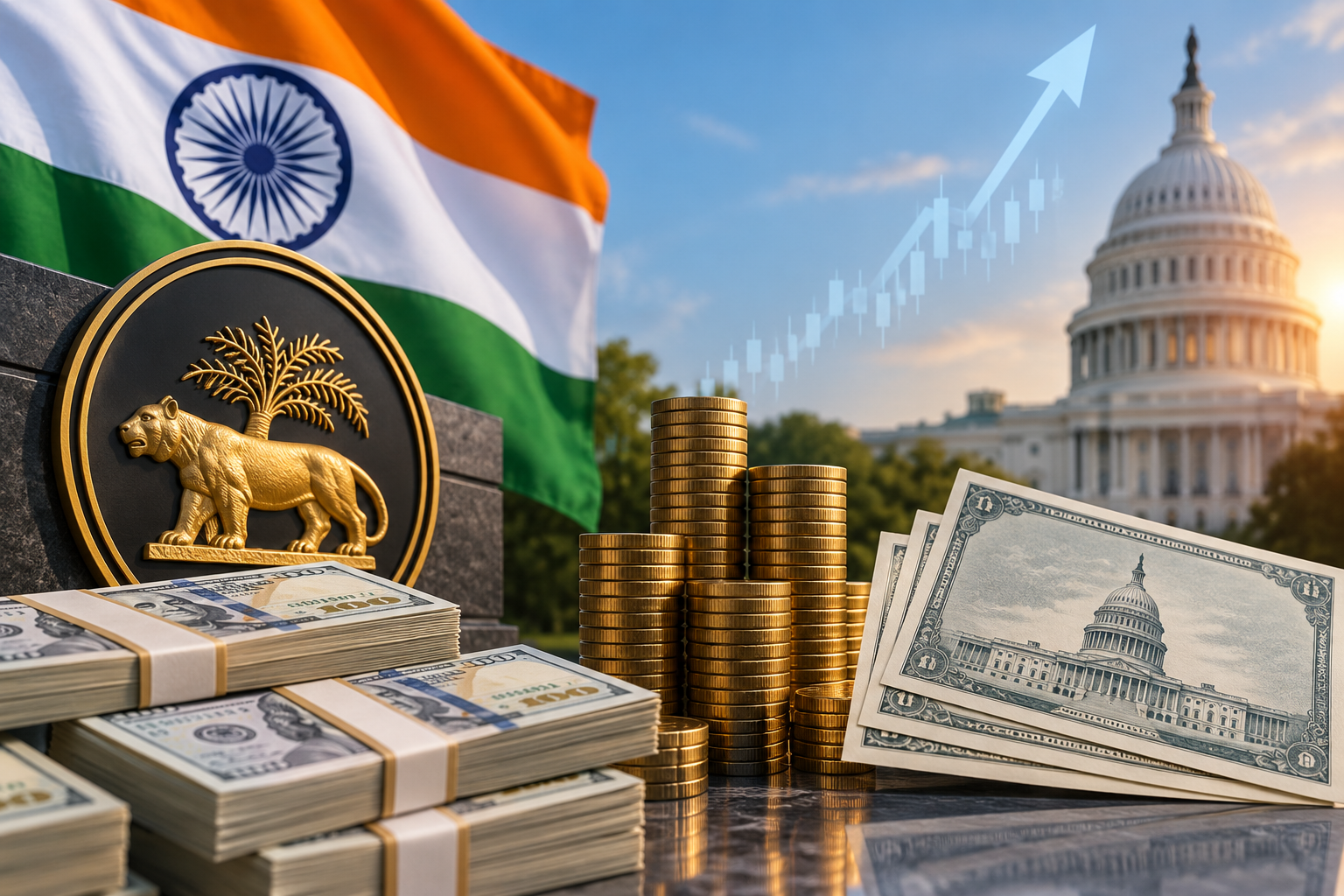
The Personal Consumption Expenditures price index, widely regarded as the Federal Reserve’s preferred measure of inflation, increased 4.1% from a year earlier, reaching its highest level in approximately three years.
On a monthly basis, prices rose 0.4%, reflecting continued pressure on American households already struggling with elevated costs for essential goods and services.
Core PCE inflation, which excludes the more volatile food and energy categories, rose 3.4% annually. The figure remained well above the Federal Reserve’s long-term inflation target of 2%, indicating that price pressures were not limited entirely to fuel.
Higher oil and gasoline prices associated with geopolitical tensions were among the major contributors to May’s inflation increase. Stronger consumer spending also added to demand-side pressure across the economy.
The latest reading is likely to influence expectations surrounding the Federal Reserve’s next policy moves. Chair Kevin Warsh has emphasised the central bank’s commitment to restoring price stability, while financial markets have increasingly considered the possibility of at least one rate increase before the end of 2026.
Higher interest rates are intended to slow inflation by making borrowing more expensive and reducing demand. However, they can also increase the cost of mortgages, credit-card debt, vehicle loans and business financing.
Despite the elevated May data, falling oil prices have offered some hope that inflation could ease during the coming months. Crude prices have dropped significantly from their recent wartime highs as geopolitical tensions have subsided and shipping activity through the Strait of Hormuz has resumed.
US Treasury Secretary Scott Bessent expressed confidence that lower gasoline prices would help move inflation back toward the Federal Reserve’s target.
Bond markets also reflected improving sentiment, with the yield on the benchmark 10-year US Treasury note falling as investors responded to lower oil prices and the possibility of reduced inflationary pressure.
However, policymakers are expected to wait for further economic data before changing interest rates. Persistent core inflation could keep the Federal Reserve cautious even if energy prices continue to decline.
For American consumers, the latest report highlights an ongoing affordability challenge, although easing fuel costs may eventually provide some relief to household budgets.
Category
US Economy / Inflation / Interest Rates