Reopening of the Strait of Hormuz could boost India’s trade with West Asia, ease inflation pressures, and strengthen the rupee.
Key Highlights
- The US-Iran peace deal is expected to revive India’s exports to West Asia.
- The Strait of Hormuz reopening could ease global energy supply disruptions.
- Lower oil prices may reduce India’s import bill and inflation risks.
- Exporters expect stronger trade growth and fresh business opportunities.
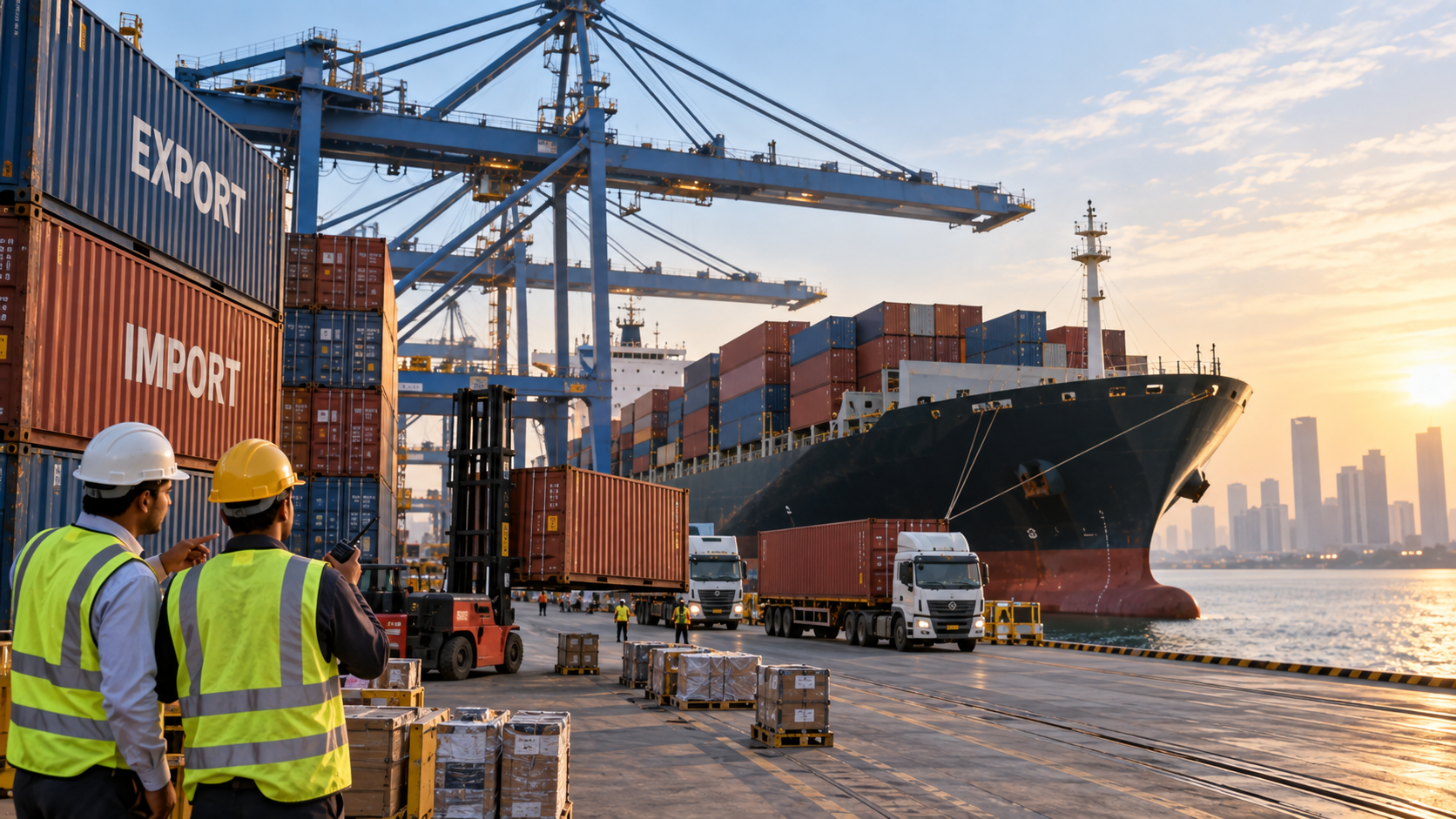
- Reduced freight and insurance costs could improve shipment efficiency.
- The agreement is scheduled to be formally signed in Geneva on June 19.
The announcement of a peace agreement between the United States and Iran to end their 107-day conflict is expected to provide a major boost to India’s exports to West Asia, while also supporting manufacturing activity and improving the outlook for the Indian economy.
The agreement, which is scheduled to be formally signed in Geneva on June 19, includes the reopening of the Strait of Hormuz—one of the world’s most critical energy shipping routes. The development comes after months of conflict that disrupted global energy supplies, drove crude oil prices above USD 100 per barrel, and raised concerns about a broader regional crisis.
According to economic think tank GTRI, India stands to benefit significantly from the restoration of stability in West Asia. The country sources nearly 50% of its crude oil imports, around 70% of its LPG requirements, and almost 90% of its LNG imports from the region.
GTRI Founder Ajay Srivastava said the conflict exposed India’s heavy dependence on West Asian energy supplies, as shipping disruptions increased the country’s import bill, fueled inflationary pressures, weakened the rupee, and forced refiners to source supplies from more distant markets.
With the Strait of Hormuz reopening, experts expect energy markets to stabilize, easing pressure on oil and gas prices while strengthening the rupee and improving India’s growth prospects.
Sharad Kumar Saraf, Founder Chairman of Technocraft Industries India, said the end of hostilities would remove uncertainties and create substantial opportunities for Indian exporters. He added that the development could lead to a significant increase in India’s exports over the next two to three years, supporting the country’s broader economic ambitions.
The Federation of Indian Export Organisations (FIEO) also believes that easing geopolitical tensions will help normalize global energy supplies and moderate prices.
FIEO President S. C. Ralhan noted that lower energy costs could reduce pressure on India’s import bill, support currency stability, ease inflation concerns, and create a more favorable environment for trade and economic growth.
Impact on India-West Asia Trade
The conflict had severely disrupted India’s trade with Gulf nations. India recorded one of its sharpest export declines in recent months, with exports falling 7.44% in March to USD 38.92 billion.
Exports to West Asia plunged 57.95% to USD 3.5 billion during the period, while imports from Gulf countries declined 51.64%. Under normal conditions, India exports goods worth around USD 6 billion to the region.
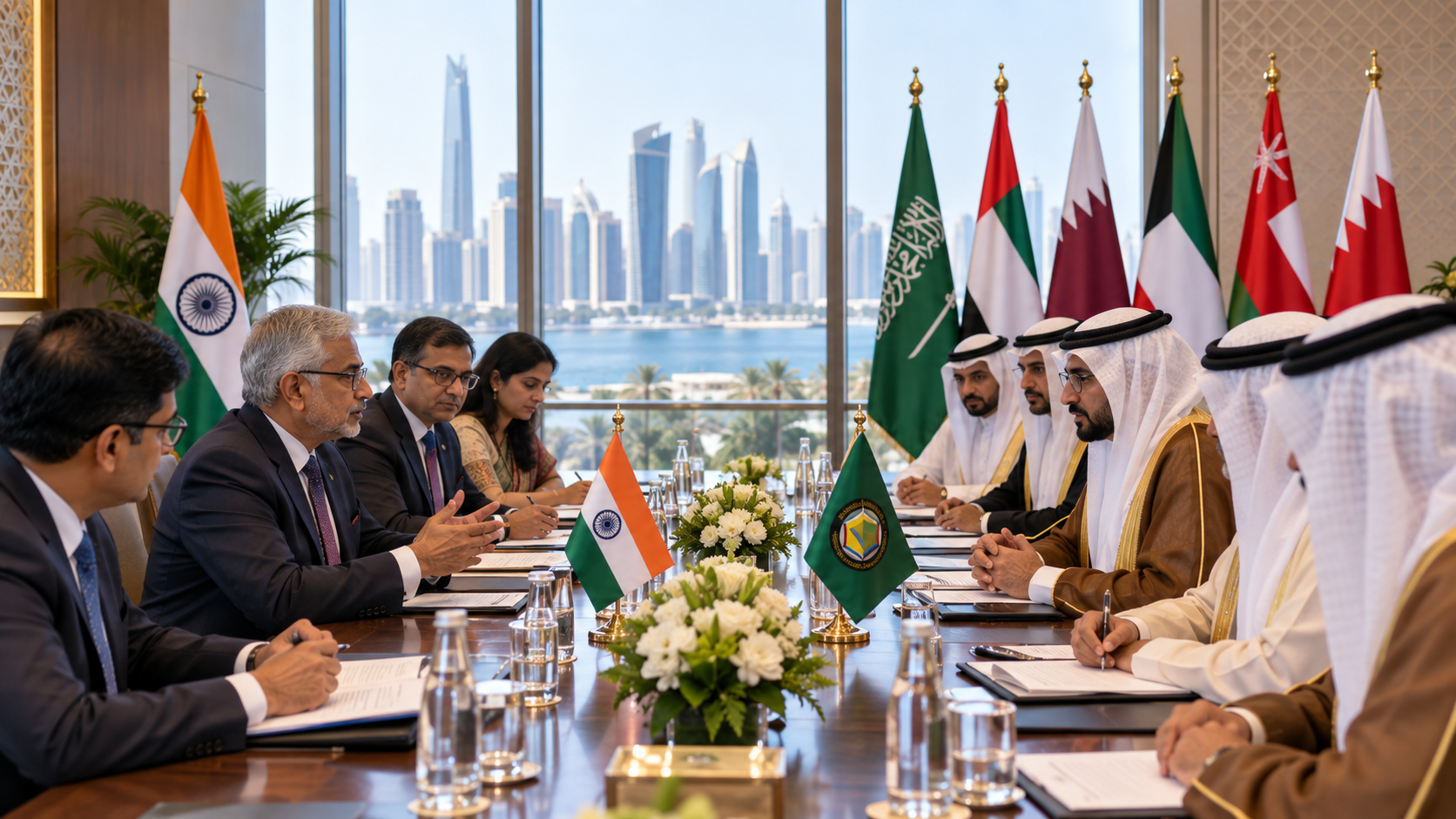
The Gulf Cooperation Council (GCC)—comprising the UAE, Saudi Arabia, Qatar, Oman, Kuwait, and Bahrain—remains one of India’s most important trading blocs.
India’s major exports to GCC nations include engineering goods, refined petroleum products, food and agricultural products, rice, meat, marine products, gems and jewellery, chemicals, pharmaceuticals, textiles, and machinery. Key imports include crude oil, LNG, LPG, petrochemicals, fertilizers, plastics, aluminium, and other mineral fuels.
Exporters and trade experts believe that smoother shipping operations, lower freight and insurance costs, and reduced geopolitical uncertainty could pave the way for stronger trade growth between India and West Asia in the months ahead.