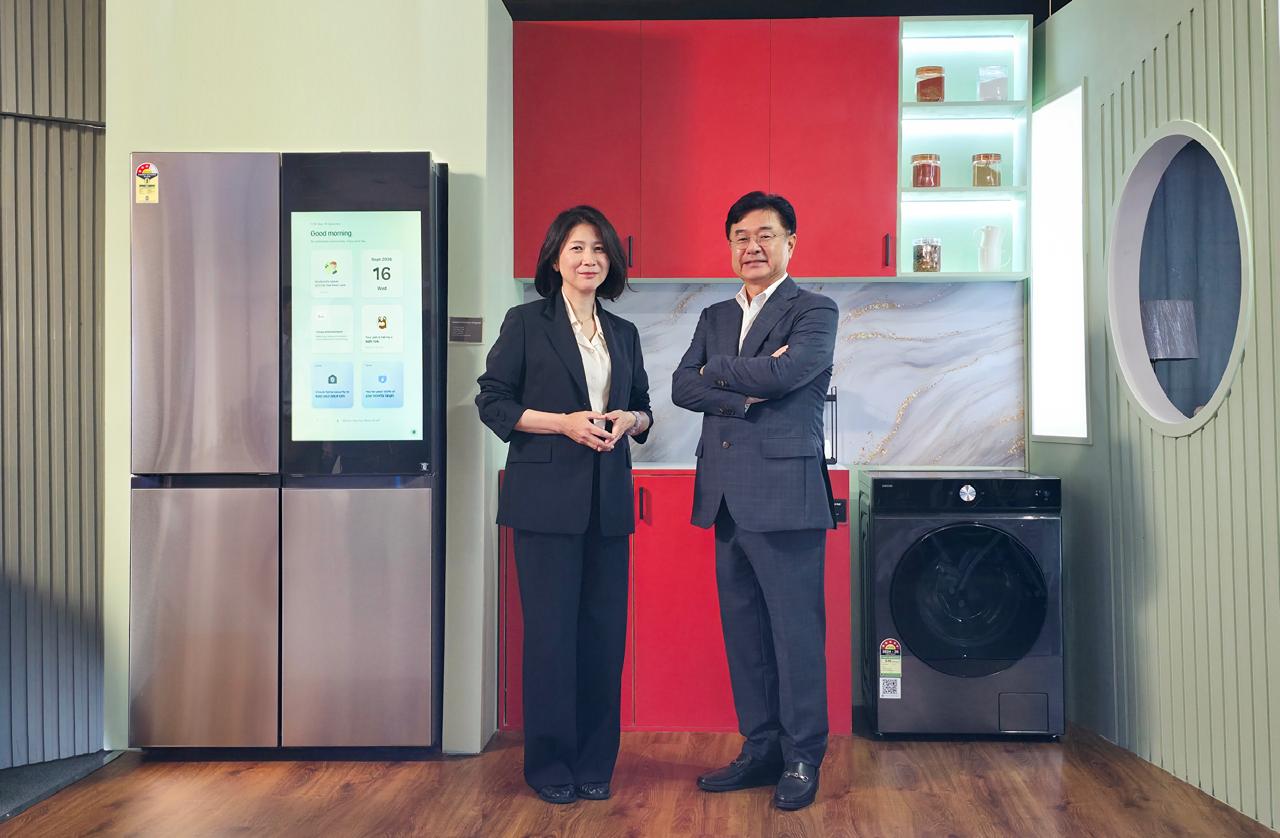
PM’s Advisor Tarun Kapoor says reducing oil imports through faster electric mobility adoption is now an economic and strategic necessity for India.
Key Highlights
- West Asia crisis exposed India’s dependence on imported crude oil.
- Electric mobility is now a strategic priority to improve energy security.
- Focus on localisation to reduce dependence on China for critical EV components.
- Two- and three-wheelers remain the biggest opportunity for faster EV adoption.
- Government aims for rapid expansion of EV production and investments over the next five years.
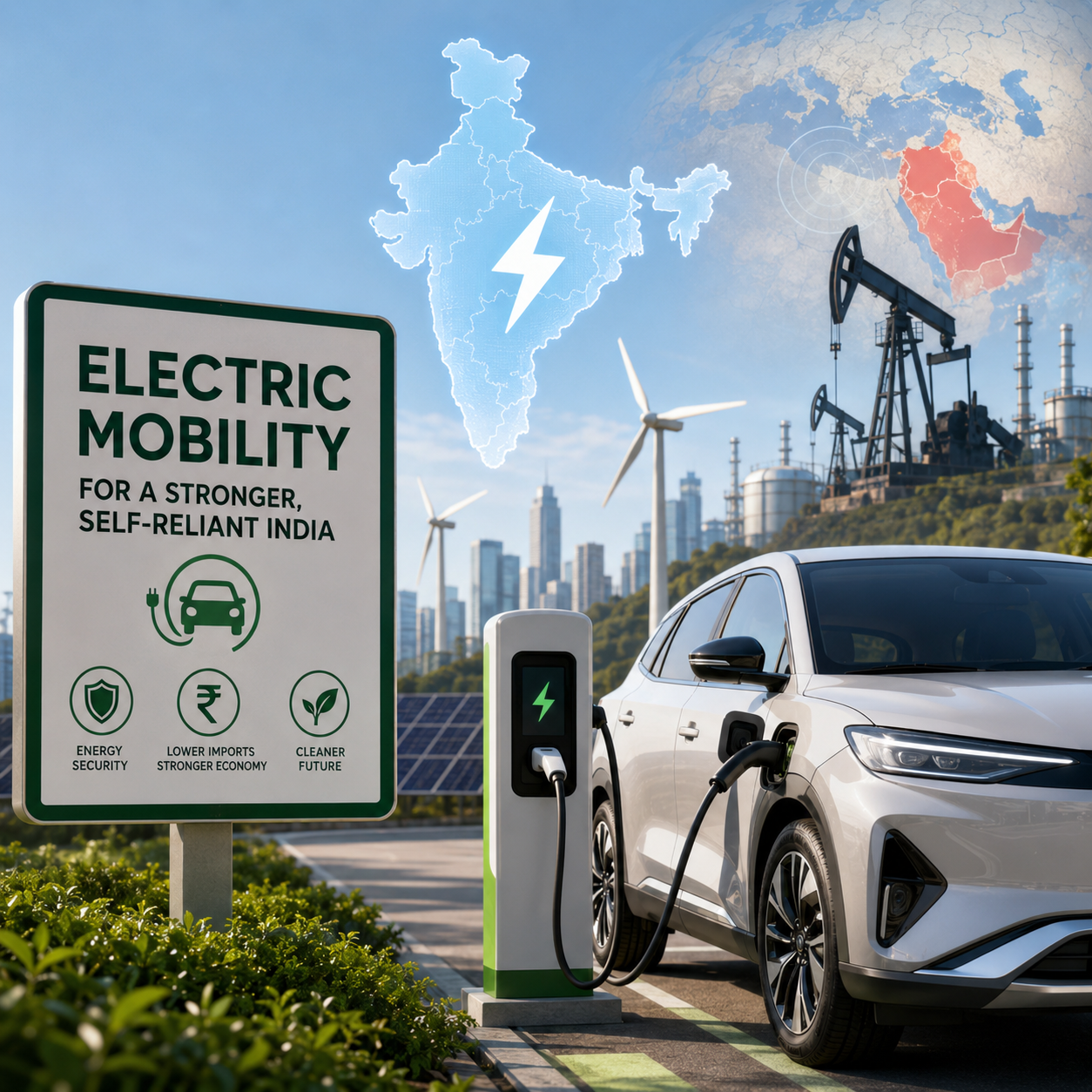
The recent geopolitical tensions in West Asia have reinforced the urgency of India’s transition towards electric mobility, with the government describing the shift as a national priority for strengthening energy security and reducing dependence on imported crude oil.
Speaking at a conference on “Building India an Electric Mobility Hub for Viksit Bharat” in New Delhi, Prime Minister’s Advisor Tarun Kapoor said the crisis demonstrated how vulnerable India’s economy remains to external energy shocks. He noted that reducing crude oil imports would not only improve energy security but also strengthen the Indian economy and support the rupee.
Kapoor said even a modest reduction of five percent in petroleum consumption could significantly lower India’s import bill. According to him, the fastest and most effective way to achieve this is by accelerating the adoption of electric vehicles across the country.
He pointed out that India’s transition has already gained momentum in the two-wheeler and three-wheeler segments, but electric passenger cars still have a long way to go. Since nearly 60 percent of petrol consumption in the country comes from two-wheelers, expanding electric mobility in this category could deliver the biggest immediate impact.
Kapoor also welcomed the recently announced Delhi Electric Vehicle Policy, calling it a positive step towards increasing EV adoption.
Beyond increasing the number of electric vehicles on the road, Kapoor stressed the importance of building a strong domestic manufacturing ecosystem. He said India must reduce its dependence on China for critical EV components, battery materials and minerals. While imports cannot be eliminated entirely, domestic production of key components would protect the industry from future supply disruptions and export restrictions.
He assured the industry of continued government support for localisation and self-reliance initiatives.
Kapoor urged manufacturers to significantly increase investments and production capacity, saying India needs ambitious targets to achieve large-scale EV adoption. He expressed confidence that within the next five years, electric vehicles should become a common sight on Indian roads, making India a globally recognised leader in electric mobility.
The government’s message is clear: electric mobility is no longer just an environmental initiative but a key pillar of India’s economic resilience, energy independence and long-term growth.
Keywords: Electric Vehicles, EV Adoption, West Asia Crisis, Tarun Kapoor, Energy Security, Oil Imports, EV Manufacturing, Viksit Bharat