Global Economic Growth Could Slow Sharply in 2026 as Geopolitical Tensions, Energy Disruptions, and Inflation Weigh on Recovery
Highlights
- World Bank has lowered its global growth forecast for 2026 to 2.5%.
- Growth could fall to as low as 1.3% in a worst-case scenario.
- Middle East conflict is disrupting energy and commodity markets.
- Commodity prices are now expected to rise by 22% in 2026.
- Artificial Intelligence remains a potential long-term growth driver.
The World Bank has revised its global economic growth forecast for 2026 downward to 2.5%, warning that the world economy faces mounting risks from geopolitical tensions, rising energy costs, and persistent inflationary pressures.
If the forecast materializes, it would represent the slowest pace of global growth since the COVID-19 pandemic. The international financial institution noted that ongoing conflict in the Middle East has created fresh challenges for the global economy by disrupting energy markets, increasing inflation, and weakening growth prospects across many regions.
According to the report, nearly two-thirds of the world’s economies are expected to experience weaker growth as a result of the changing global outlook. Supply disruptions affecting energy and key commodities from the Gulf region have contributed to rising prices and increased economic uncertainty.
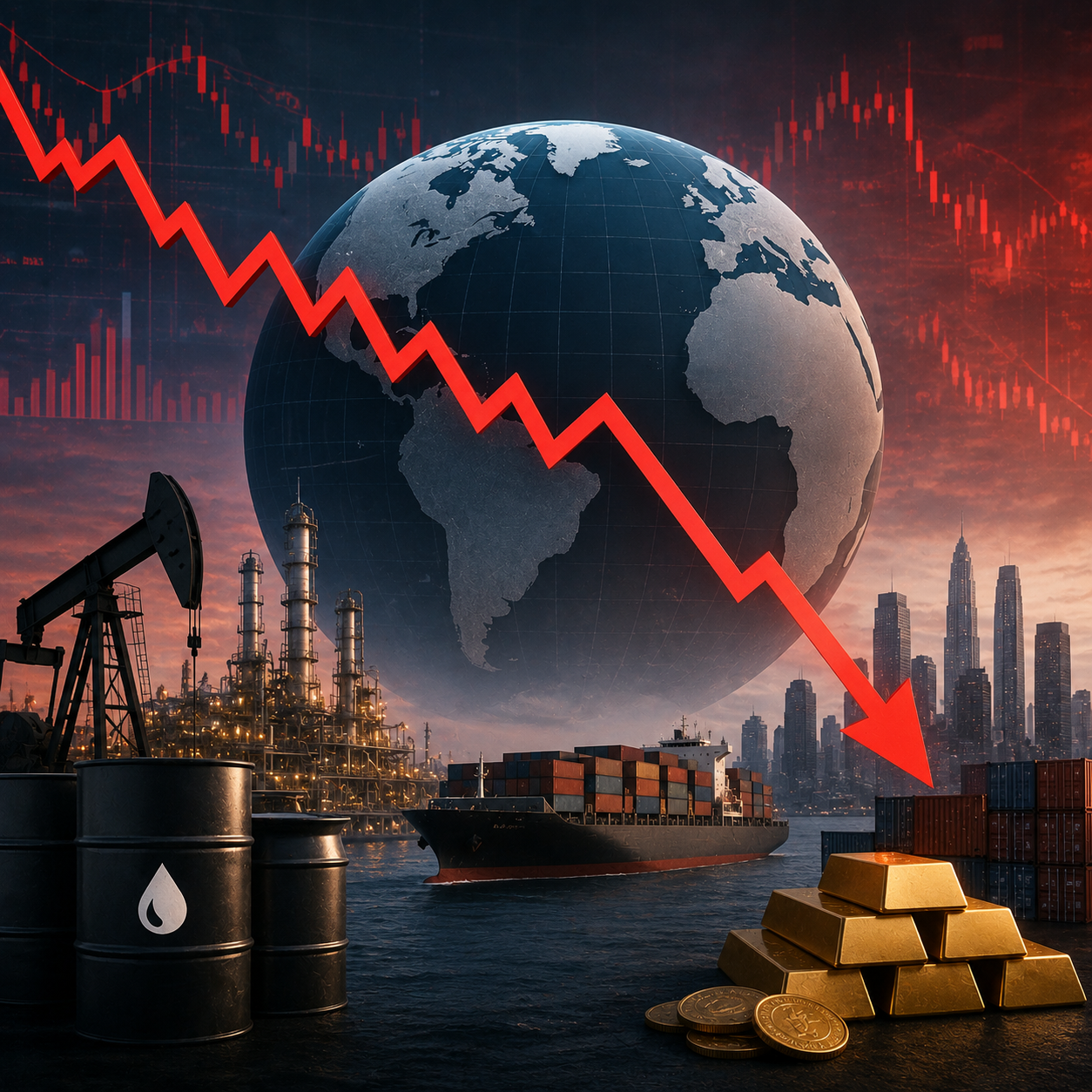
The World Bank also significantly revised its commodity market outlook. It now expects commodity prices to rise by 22% in 2026, a sharp reversal from its January projection, which anticipated a 7% decline. In addition, natural gas prices in Europe are projected to increase by nearly 30% this year due to tighter global LNG supplies.
The report warned that global growth could weaken even further if energy supply disruptions become more severe than expected and are accompanied by heightened financial stress. Under such a downside scenario, global economic growth could slow dramatically to just 1.3% in 2026, raising concerns about a potential worldwide economic slowdown.
Despite the challenging outlook, the World Bank highlighted Artificial Intelligence (AI) as a promising source of future productivity gains and long-term economic growth, suggesting that technological innovation could help offset some of the pressures facing the global economy.