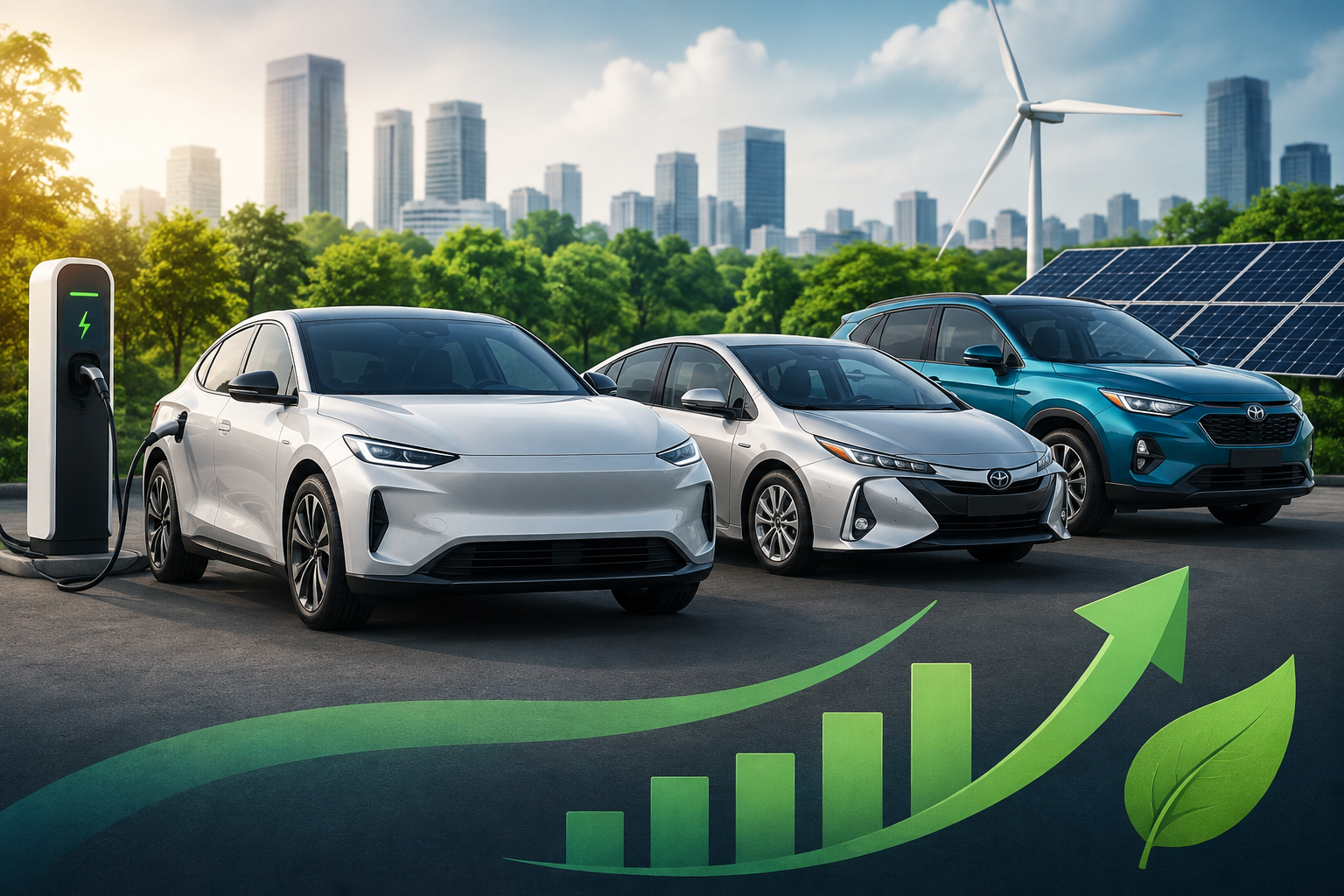
The government’s proposed CAFE norms aim to push automakers towards cleaner and more fuel-efficient vehicles.
Electric and hybrid cars could benefit from special credits, while companies selling high-emission cars may face additional costs.
Highlights
- New CAFE norms are proposed to take effect from April 1, 2027.
- EVs and hybrid vehicles could receive “super credits” under the policy.
- Higher-emission petrol and diesel cars may effectively become costlier.
- Small cars could get some relief under the proposed framework.
- Automakers may change their product and pricing strategies to meet emission targets.
- The broader aim is to cut fuel consumption, oil-import dependence and vehicle emissions.
New Delhi: Buying an electric or hybrid car could become relatively more attractive from 2027, while some petrol and diesel vehicles with higher emissions may turn costlier. The change could come under the government’s proposed new Corporate Average Fuel Efficiency (CAFE) framework, according to a report in Dainik Bhaskar.
The proposed policy is expected to come into effect from April 1, 2027. CAFE norms do not simply set an emission limit for each individual model. Instead, they assess the average performance of vehicles sold by an automobile manufacturer. This encourages companies to sell a larger proportion of fuel-efficient and low-emission cars.
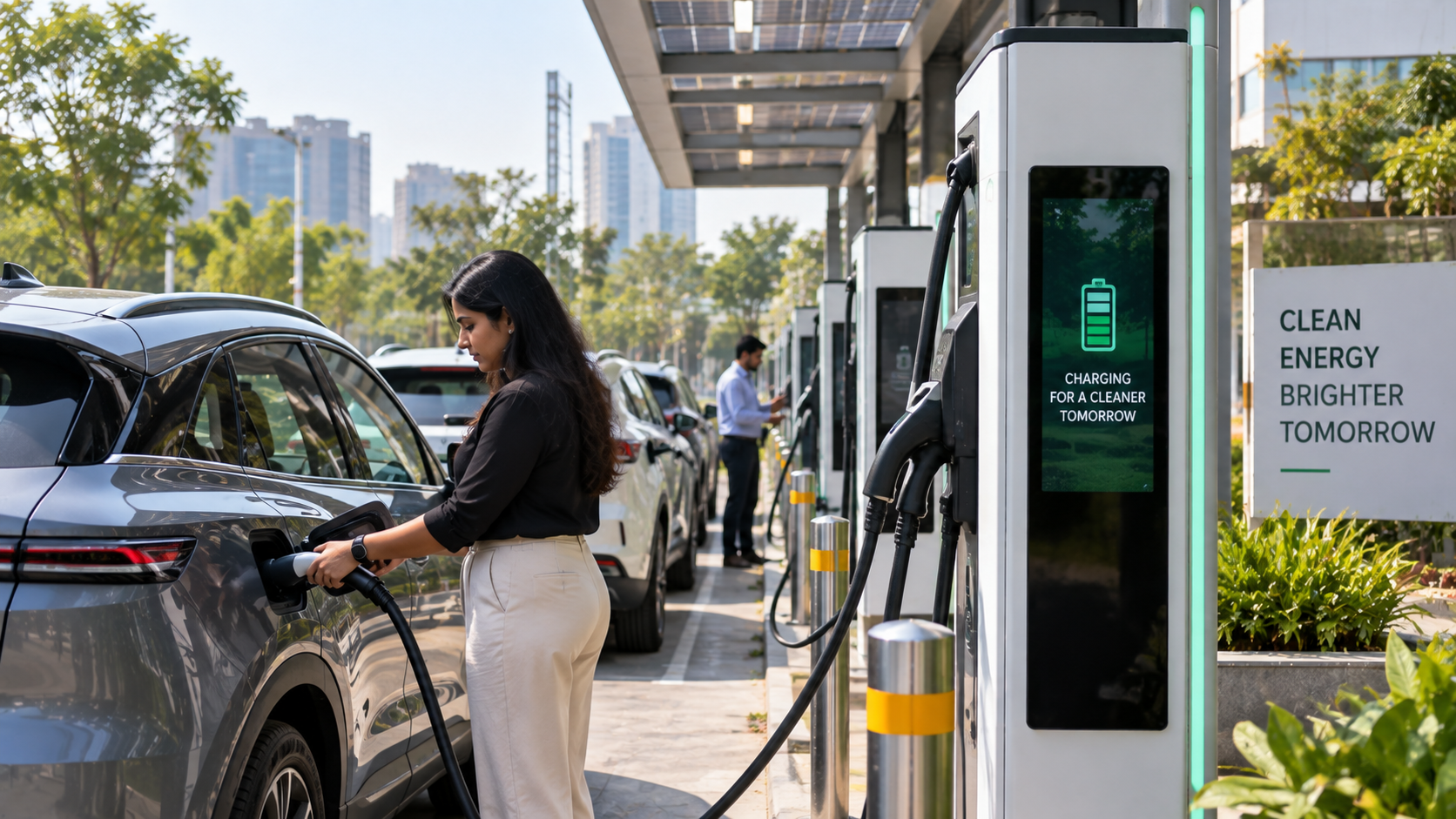
One of the biggest changes could be the proposed super-credit mechanism for electric and hybrid vehicles. Under this system, cleaner vehicles may receive additional weight while calculating a company’s overall fleet performance. This could make it easier for automakers with a larger portfolio of EVs and hybrids to meet their targets.
The policy could also influence car prices. Manufacturers whose fleet emissions exceed prescribed limits may have to purchase credits or bear additional compliance costs. Such expenses could eventually be reflected in the prices of vehicles with relatively high emissions.
The newspaper report says credits could potentially be traded between companies. This means a manufacturer performing better than required on emission norms may be able to sell surplus credits to another automaker that falls short of its target.
Small cars may also receive some relief. The framework is expected to recognise the importance of affordable vehicles in the Indian market while simultaneously encouraging manufacturers to introduce fuel-saving technologies such as tyre-pressure monitoring, LED lighting and improved gear-shift systems.
For consumers, however, this does not automatically mean every diesel or petrol car will become expensive from April 2027. Actual prices will depend on individual manufacturers, their fleet mix, compliance strategy and the final rules notified by the government.
The broader objective of the proposed CAFE regime is to reduce fuel consumption and emissions while accelerating India’s transition towards cleaner mobility. Over time, a greater share of EVs and hybrids could also help reduce India’s dependence on imported petroleum.