Government Reopens Overseas Trade in Atta, Maida and Other Wheat Flour Products After Years of Restrictions
Key Highlights
- India has lifted restrictions on exports of wheat flour and related products, marking a major policy change after controls introduced in 2022.
- The relaxation covers atta, maida, semolina or sooji, wholemeal atta and other resultant wheat-flour products.
- Export restrictions were originally introduced amid concerns over domestic wheat availability, rising prices and global supply disruption.
- The reopening could help Indian flour mills reconnect with international buyers and rebuild overseas markets.
- Gulf countries, North America, Europe, Africa and parts of Asia represent potential markets for Indian wheat products.
- Increased exports could create additional demand for domestically produced wheat, potentially supporting farmers.
- The government will still need to monitor wheat production, stocks and domestic prices to protect food security.
- The policy could strengthen India’s value-added agricultural and processed-food exports.
India has lifted the export ban on wheat flour and related products including atta, maida, semolina, wholemeal atta and resultant atta, reopening an important overseas market for the country’s flour milling and food-processing industry. The decision represents a major shift from the restrictions imposed during the global food-market disruption of 2022.
India had initially restricted wheat exports in May 2022 as the Russia-Ukraine conflict disrupted international supplies while a severe heatwave and domestic price pressures raised concerns over India’s own wheat availability. Restrictions were subsequently extended to wheat flour products to ensure adequate supplies for domestic consumers.
Exporters Get Global Market Access
The latest relaxation could provide a significant opportunity for Indian flour mills and exporters that had limited access to international markets during the restriction period. India has a large wheat-producing base, extensive milling capacity and an established food-export ecosystem.
Demand for Indian-style atta is particularly strong among Indian and South Asian communities overseas, while maida has wider commercial applications across bakeries, restaurants and processed-food manufacturers. Markets across the Gulf, North America, Europe, Africa and parts of Asia could therefore become important destinations.
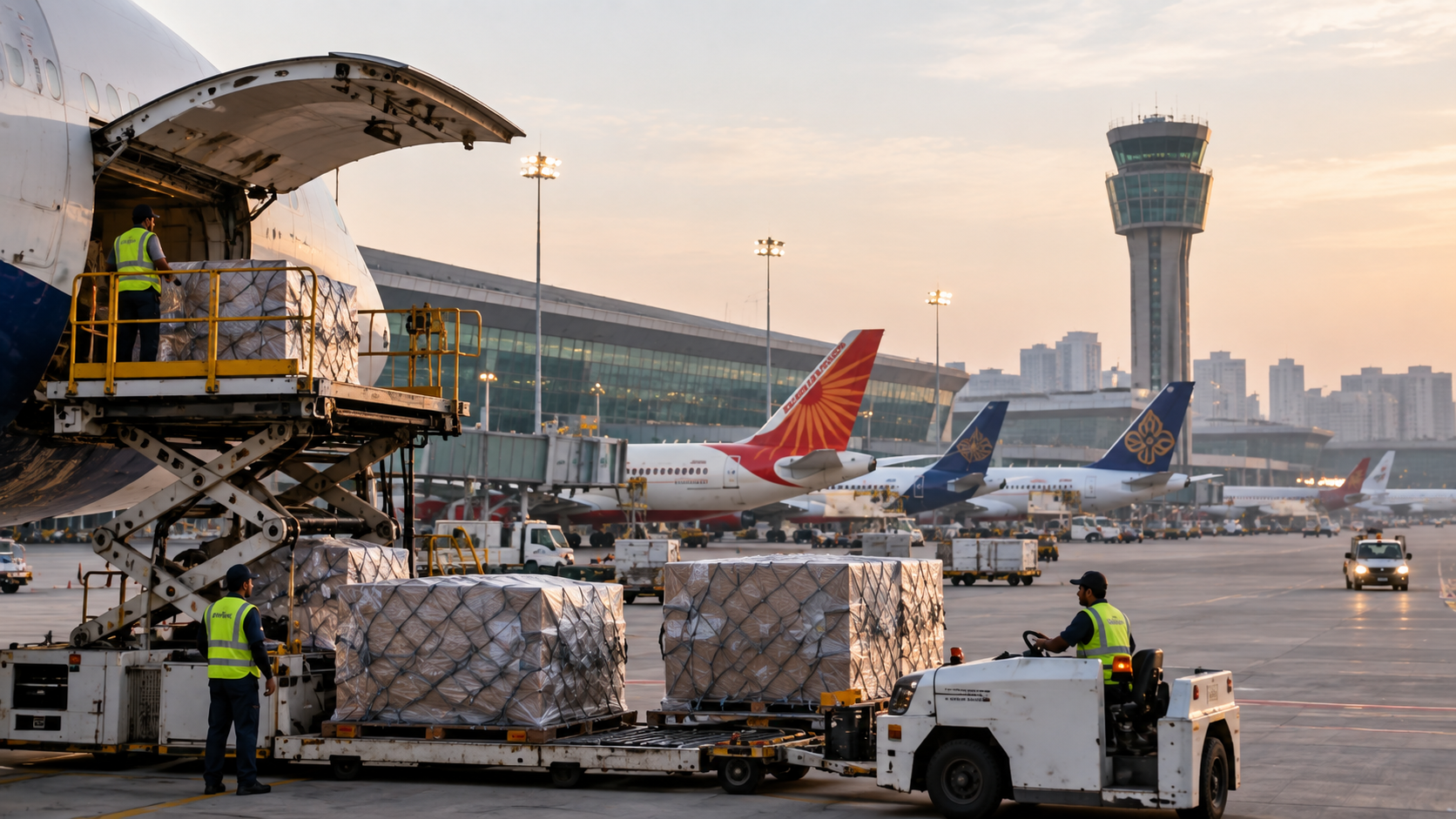
The policy could also support packaging, warehousing, logistics and international distribution businesses as export volumes increase.
Farmers Could See Additional Demand
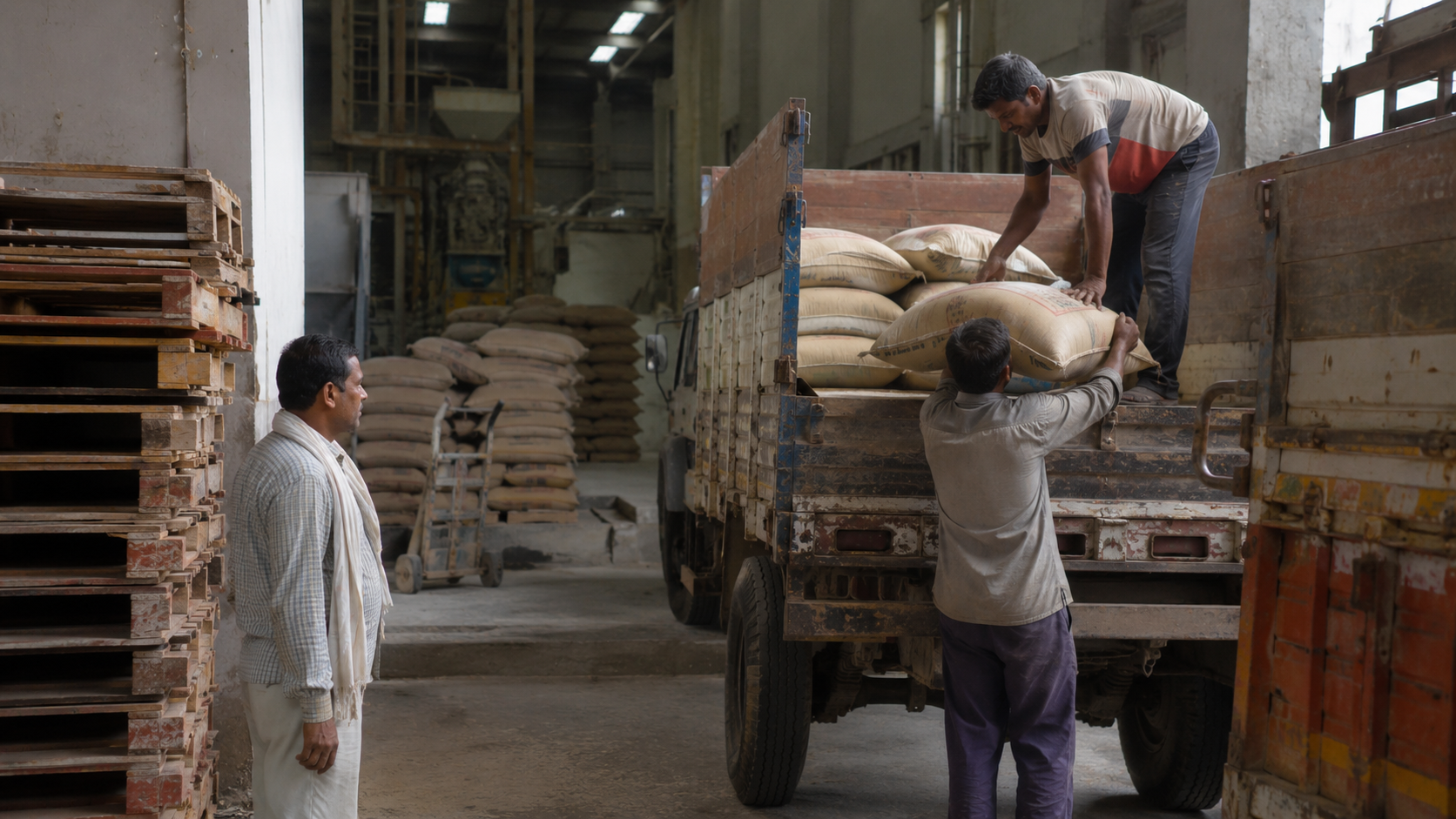
Higher overseas demand for flour products could encourage mills to purchase more wheat domestically, potentially improving market opportunities for farmers. However, the impact will depend on export volumes, domestic production and prevailing wheat prices.
For consumers, the key issue will be whether higher exports put pressure on domestic wheat and flour prices. The government will therefore need to closely track harvest levels, procurement, inventories and consumption as exporters begin securing international orders.
The reopening also gives India an opportunity to move beyond exports of raw agricultural commodities and capture greater value through processed and packaged food products.
If domestic supplies remain comfortable, the policy could help Indian companies rebuild international relationships while strengthening the country’s processed-food export industry. The challenge will be maintaining a balance between export opportunities, farmer returns, affordable consumer prices and national food security.