India’s finished steel consumption rises faster than domestic output
Key Highlights
- Finished steel consumption rose 7.9% year-on-year to 56.0 million tonnes during April-July 2026.
- Finished steel production increased at a slower 4.7% to 54.7 million tonnes.
- Imports jumped 36.6% to 2.77 million tonnes, valued at ₹28,330.8 crore.
- Exports increased 35% to 2.29 million tonnes, but India remained a net importer by volume.
- China, Korea and Japan together supplied around 76% of India’s finished steel imports.
- Stainless steel imports surged 111.4% to 497,000 tonnes.
- Crude steel production increased 2.4% to 56.2 million tonnes.
- Hot-rolled coil prices were 15.5% higher year-on-year in August.
- 98 producers across 15 states have received Green Steel Certificates.
New Delhi: India’s steel consumption continued to expand faster than domestic production during April-July 2026, creating a widening supply gap and contributing to a sharp increase in finished steel imports.
According to provisional Joint Plant Committee data released by the Ministry of Steel, finished steel consumption increased 7.9% year-on-year to 56.0 million tonnes during the four-month period. Domestic finished steel production grew at a slower 4.7% to 54.7 million tonnes, leaving a gap of approximately 1.3 million tonnes.
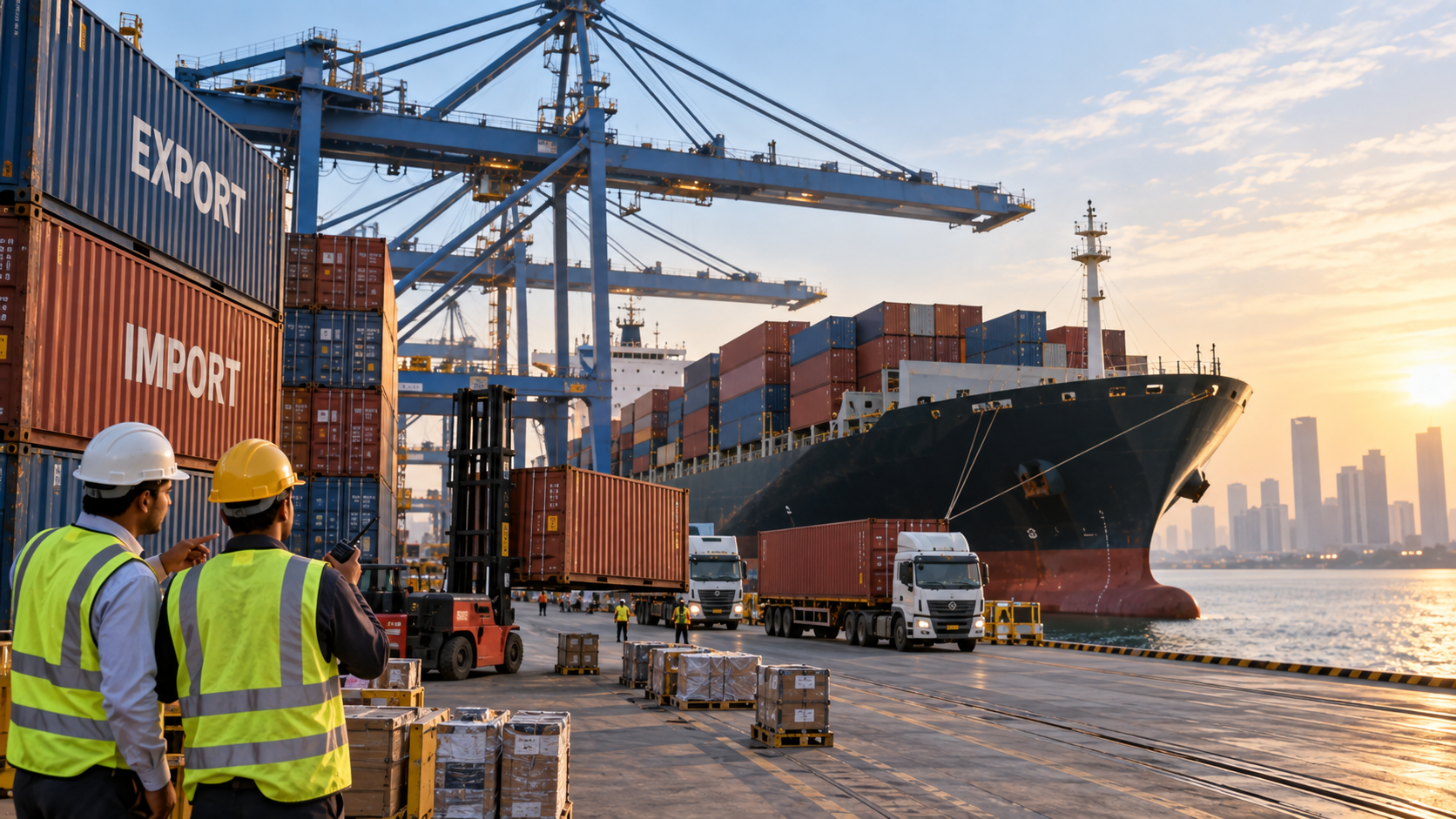
Finished steel imports consequently climbed 36.6% to 2.77 million tonnes, while their value jumped 43.1% to ₹28,330.8 crore. Exports also recorded strong growth, rising 35% to 2.29 million tonnes worth ₹18,105.4 crore. Despite the increase in outbound shipments, India remained a net importer of finished steel by volume.
Asian Suppliers Dominate Imports
China accounted for 30.9% of India’s finished steel imports at 855,800 tonnes, followed closely by Korea with 30.2% and Japan with 14.9%. Together, the three Asian suppliers accounted for roughly 76% of total imports during April-July. Vietnam emerged as the largest destination for Indian finished steel exports with a 15.4% share.
Import pressure was particularly visible in stainless steel. Imports more than doubled, rising 111.4% to 497,000 tonnes. Domestic stainless steel consumption increased 25% to 1.77 million tonnes, while production declined 4.2% to 1.38 million tonnes.
Alloy steel performed comparatively better, with production increasing 26.7% to 3.71 million tonnes. Consumption rose 22.1% to 4.02 million tonnes, while imports increased 9.4%.
Steel Prices Remain Elevated
Overall crude steel production increased 2.4% to 56.2 million tonnes, while hot metal output grew 2.7% to 31.9 million tonnes. In July alone, finished steel production increased 3.9% to 14.0 million tonnes against a 6.8% increase in consumption to 14.4 million tonnes.
Prices also remained above year-earlier levels. Average hot-rolled coil prices stood at ₹70,448 per tonne in August, up 15.5% year-on-year, while TMT prices increased 5.8% to ₹58,003 per tonne.
Domestic Capacity Opportunity
The Ministry of Steel is also focusing on raw-material security and sustainability. The Mines and Minerals (Development and Regulation) Amendment Act, 2026, notified on August 17, is expected to support mine development and domestic availability of key minerals such as iron ore.
Meanwhile, 98 steel producers across 15 states have received Green Steel Certificates covering products including TMT bars, coils, plates, wire rods and pipes.
The latest numbers highlight an opportunity for domestic producers to expand capacity as Indian steel consumption rises. However, the rapid increase in imports—particularly stainless steel—also underlines the need to strengthen domestic production in higher-value steel segments.