Faster growth needed to reach 2047
Key Highlights
- India’s economy expanded 7.3% in the latest quarter.
- Growth was below the 7.8% recorded a year earlier.
- India needs around 9.25% annual growth to reach its 2047 development target.
- Per-capita income was around $2,813 in 2025.
- The target is to raise per-capita income to about $18,000 by 2047.
- Economists warn that India faces a potential middle-income trap.
- Productivity, skills and investment will be crucial to achieving the long-term target.
India’s ambition to transform itself into a developed economy by 2047 is facing a demanding growth challenge, with the country needing to sustain significantly faster economic expansion over the next two decades.
The latest economic performance remains strong by global standards, but economists cited in the newspaper report point out that India’s current growth trajectory may not be sufficient to achieve the government’s long-term development ambitions without a substantial improvement in productivity, incomes and investment.
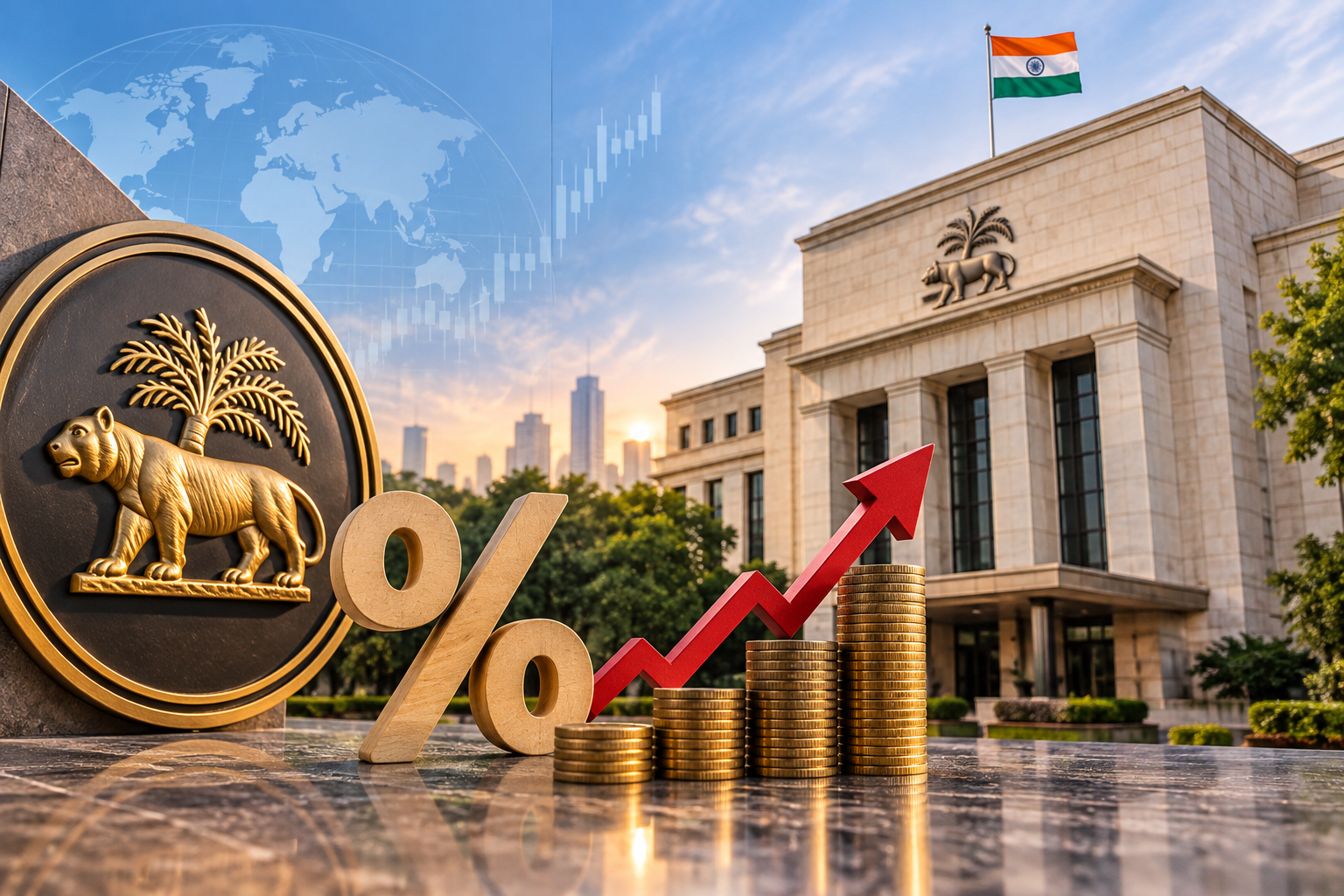
India’s economy expanded 7.3% in the latest quarter, slowing from 7.8% a year earlier. While the growth rate remains among the strongest for a major global economy, the longer-term requirement is considerably higher.
Growth requirement remains substantial
According to the report, India would need to maintain an annual growth rate of around 9.25% for the next two decades to achieve the income levels associated with its developed-economy ambition.
The challenge becomes clearer when looking at per-capita income. India’s per-capita income stood at approximately $2,813 in 2025, while the target highlighted in the report is to raise it to around $18,000 by 2047.
That would require not only rapid expansion of the overall economy but also a substantial increase in productivity and incomes across the population.
The government’s vision of a developed India by the centenary of independence in 2047 therefore depends on maintaining a high growth rate for an exceptionally long period.
Current growth is strong but below the required pace
India has maintained relatively strong economic momentum in recent years, supported by infrastructure spending, manufacturing investment, services exports and domestic demand.
However, the latest quarterly growth rate of 7.3% remains below the 9.25% pace identified as necessary for the more ambitious income target.
The report notes that even if India continues to grow faster than most major economies, simply maintaining the current pace may not be enough to close the income gap with developed nations.
This makes the quality and composition of growth increasingly important.
The middle-income challenge
One of the biggest risks identified by economists is the possibility of India falling into a middle-income trap.
Countries can encounter this problem when rapid growth during the early stages of development begins to slow before they become high-income economies. Rising wages can make low-cost manufacturing less competitive, while productivity improvements may not be sufficient to move the economy into higher-value industries.
For India, avoiding such a situation will require a transition from an economy driven largely by low-cost labour and domestic consumption towards one increasingly powered by advanced manufacturing, technology, innovation and high-productivity services.
Productivity will be critical
Improving productivity is likely to be one of the most important requirements for India’s long-term development.
The report highlights the importance of raising wages and productivity while ensuring that businesses can generate enough value to support higher incomes.
India will need to create more productive employment opportunities for its large working-age population. Greater participation in formal employment, improved education and skills, and better access to technology could help increase output per worker.
The country also needs continued investment in infrastructure, manufacturing capacity, logistics and digital systems.
Investment and manufacturing can support the transition
India’s recent investment cycle offers an important foundation for faster growth.
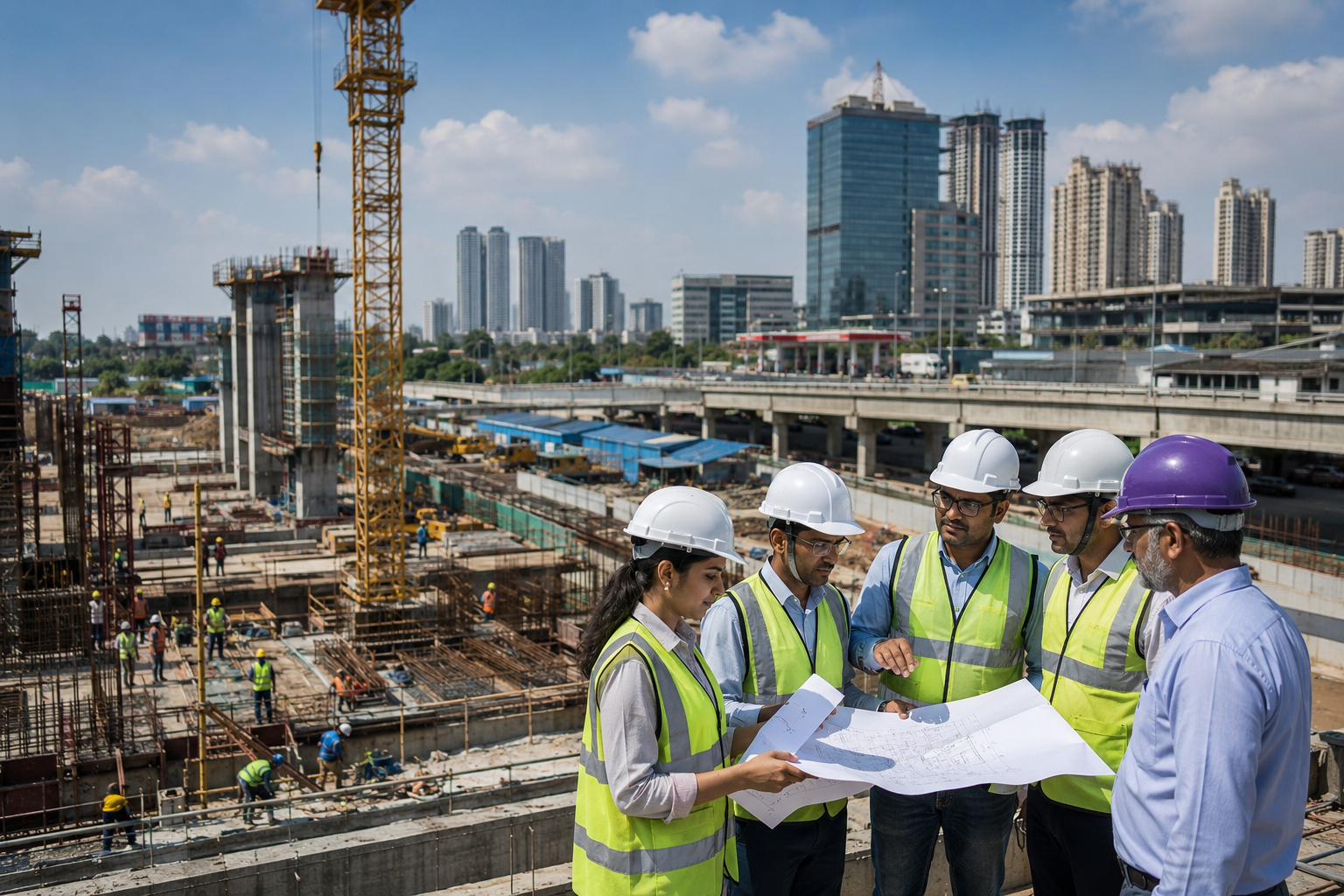
Public infrastructure expenditure has helped create demand for construction, engineering and capital goods, while private companies have increasingly announced investments in manufacturing and other sectors.
A deeper manufacturing base could help India create large numbers of productive jobs while increasing its participation in global supply chains.
However, simply increasing investment will not be sufficient. Investment needs to translate into higher productivity, stronger exports and sustainable employment growth.
Services remain a major advantage
India also has a significant advantage in its globally competitive services sector.
Information technology, business services, financial services and other knowledge-intensive industries have become important sources of exports and foreign exchange.
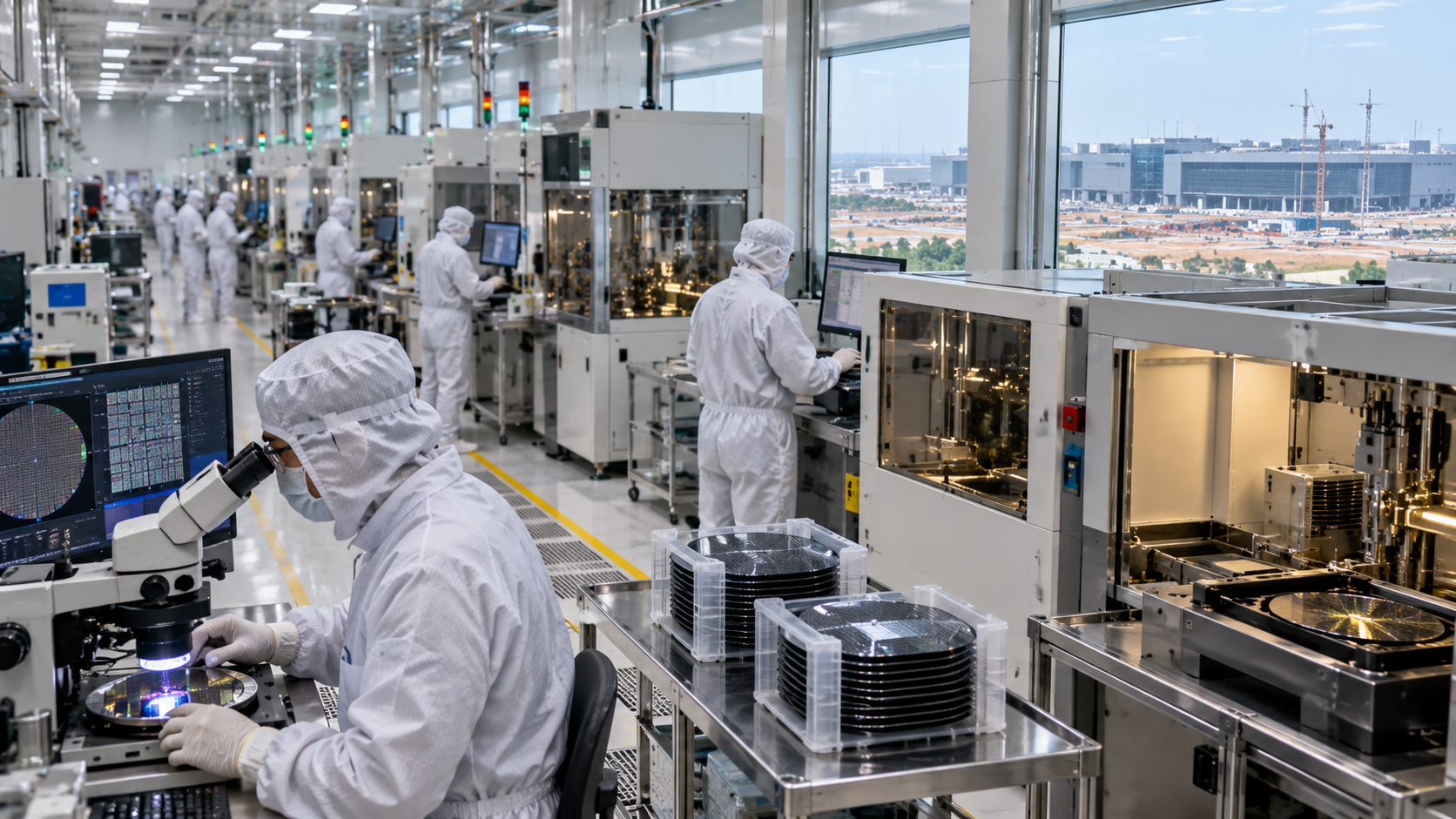
The next phase of growth could increasingly involve combining India’s services strengths with manufacturing and emerging technologies such as artificial intelligence, electronics, semiconductors and advanced engineering.
The road to 2047
India’s 2047 development ambition therefore represents a much larger challenge than simply maintaining high headline GDP growth.
The country needs sustained expansion, rising per-capita income, higher productivity and broader access to economic opportunities.
The gap between the current per-capita income of roughly $2,813 and the targeted $18,000 level illustrates the scale of the transformation required.
For India to achieve that objective, policymakers will need to maintain investment momentum while strengthening education, skills, infrastructure, manufacturing competitiveness and the business environment.
The latest growth figures demonstrate that India already possesses significant economic momentum. The bigger question is whether that momentum can be sustained—and accelerated—long enough to deliver the income gains required for the country to realise its 2047 development vision.