Consumption Resilience Supports Recovery
India’s consumer economy is showing resilience despite geopolitical uncertainty, elevated input costs and uneven economic conditions, with rural demand recovering and urban consumption gaining momentum across FMCG and consumer durables.
Key Highlights
- FMCG value growth accelerated to 6.8% in April-June, compared with 3.6% in the previous quarter.
- Rural consumption has strengthened, supported by a broader consumer base and improving demand conditions.
- Urban consumption is also recovering as newer consumption avenues support spending.
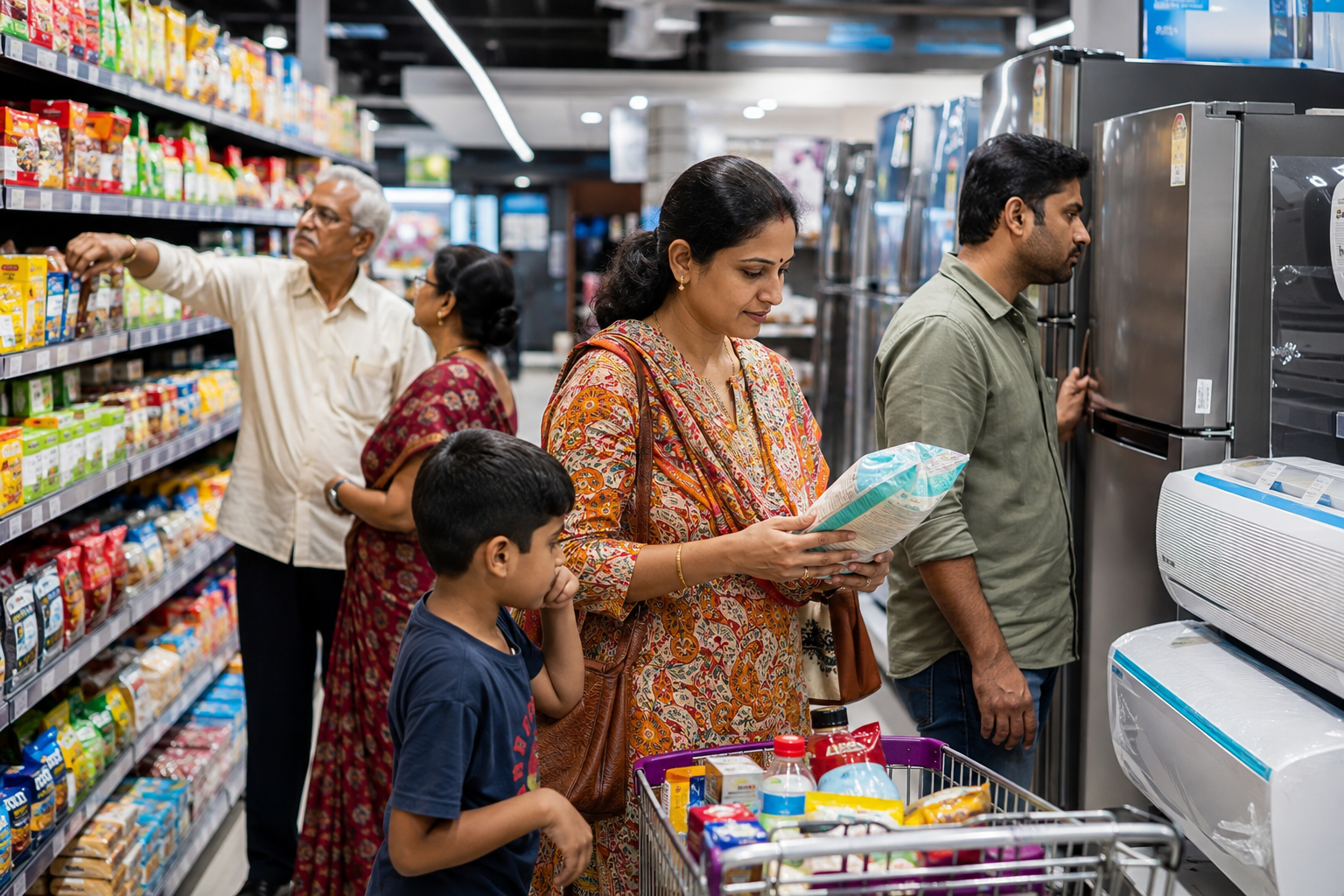
- Consumer durables, including air conditioners and refrigerators, recorded strong demand during the summer season.
- AC sales surged around 20-25% year-on-year during March-June amid intense heatwave conditions.
- Companies are protecting entry-level price points while increasingly offering premium products and promotions.
- Persistent geopolitical uncertainty, inflation and supply-chain pressures remain key risks for consumer demand.
News Story
India’s consumer economy is demonstrating resilience despite a challenging macroeconomic environment, with rural demand recovering and urban consumption beginning to catch up, according to industry trends highlighted in the latest market assessment.
The recovery comes against a backdrop of geopolitical uncertainty, elevated input costs and uneven economic conditions. However, demand for everyday consumer products and several categories of consumer durables has remained relatively firm, suggesting that household consumption continues to provide support to the broader economy.
FMCG demand has shown a notable improvement. Value growth in the sector reached 6.8% during April-June, compared with 3.6% in the January-March period, indicating a sequential recovery in consumer spending. Rural consumption has emerged as an important contributor, helped by a broader consumption base and the expansion of newer consumption avenues.
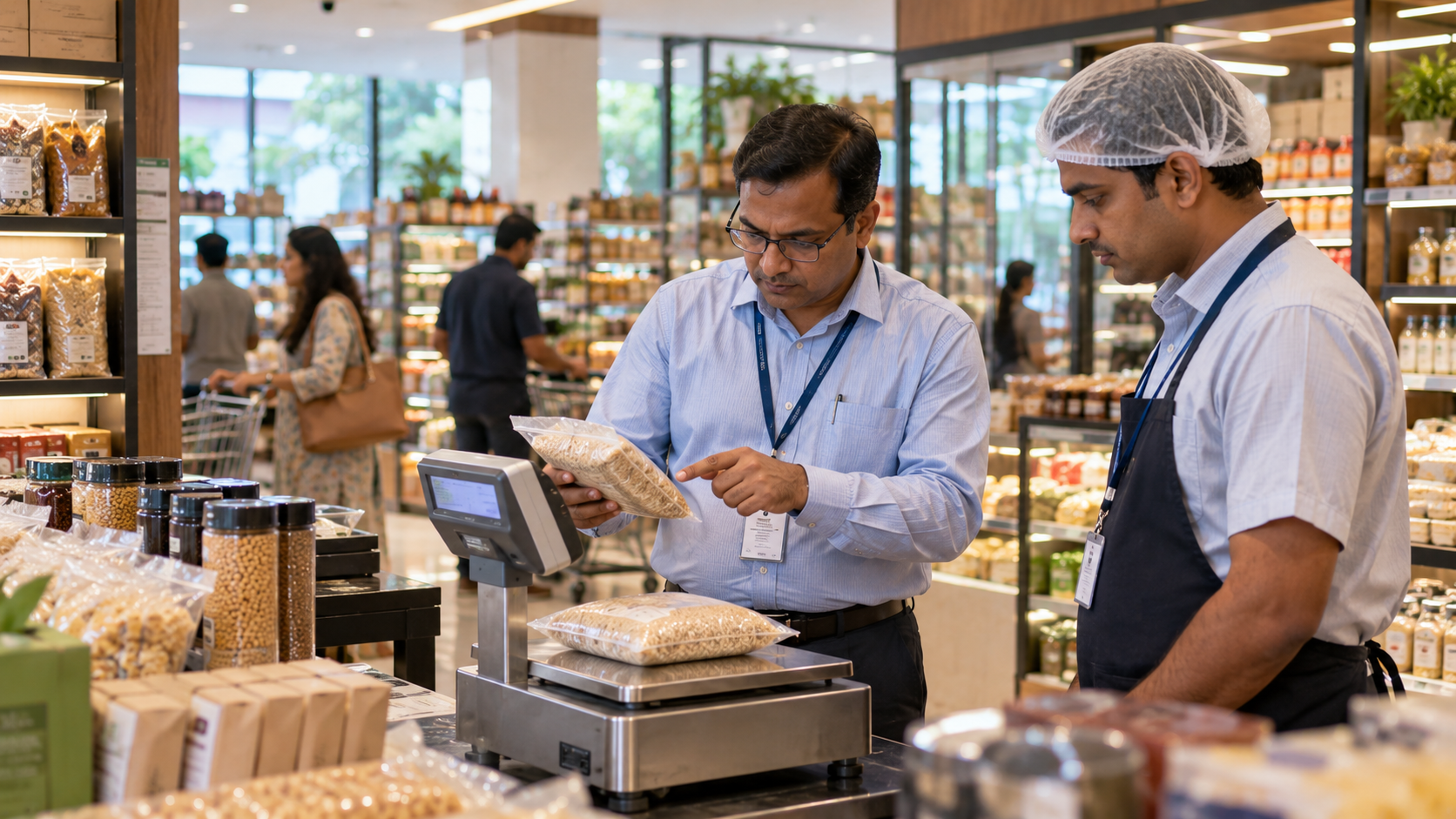
Companies are also adapting their strategies to changing consumer behaviour. Several FMCG players have protected entry-level price points to retain affordability while simultaneously pushing premium offerings and promotional initiatives. This approach reflects the divergence in purchasing patterns, with consumers remaining price-conscious in some categories while continuing to spend on higher-value products in others.
The rural market remains particularly important for FMCG companies. Improved consumption conditions and a wider distribution footprint are supporting demand beyond traditional urban centres. Companies are increasingly looking to smaller towns and rural markets to sustain growth as urban consumers become more selective in their spending.
Consumer durables have similarly recorded strong momentum. The summer season, particularly the intense heat experienced across several parts of India, boosted demand for air conditioners and other cooling products. AC sales were estimated to have grown by around 20-25% year-on-year during March-June, reflecting increased consumer demand amid higher temperatures.
Refrigerator demand has also remained healthy, with sales growth of roughly 10-12% year-on-year during the period. Washing-machine sales recorded growth of around 8-10%, highlighting continued demand across major household appliance categories.
The performance of consumer electronics companies further reflects the improving demand environment. The clipping cited strong growth across several durable categories, while manufacturers continued to introduce new products and expand their presence across different price segments.
However, the recovery is not without risks. Companies continue to face higher raw-material costs, packaging expenses and logistics pressures. Geopolitical disruptions, including instability around major trade and shipping routes, could further increase input and transportation costs.
Industry executives also pointed to inflation and supply-chain uncertainty as factors that could influence consumer sentiment in the coming months. While demand remains relatively stable, companies are closely monitoring purchasing behaviour as consumers balance affordability with the desire for better products and convenience.
The urban market is showing signs of a catch-up, supported by newer consumption avenues and continued demand for premium products. At the same time, rural consumption is providing a broader base for FMCG growth.
Industry observers expect the overall consumer sector to remain resilient, although the pace of expansion could depend on inflation, commodity prices, employment conditions and the strength of rural incomes.
The current trend suggests that India’s consumption story is becoming increasingly broad-based. Rural demand is recovering, while urban consumers are gradually returning to discretionary spending, creating a more balanced environment for FMCG and durable-goods companies despite continuing economic volatility.