Local Currency Trade Gets Push
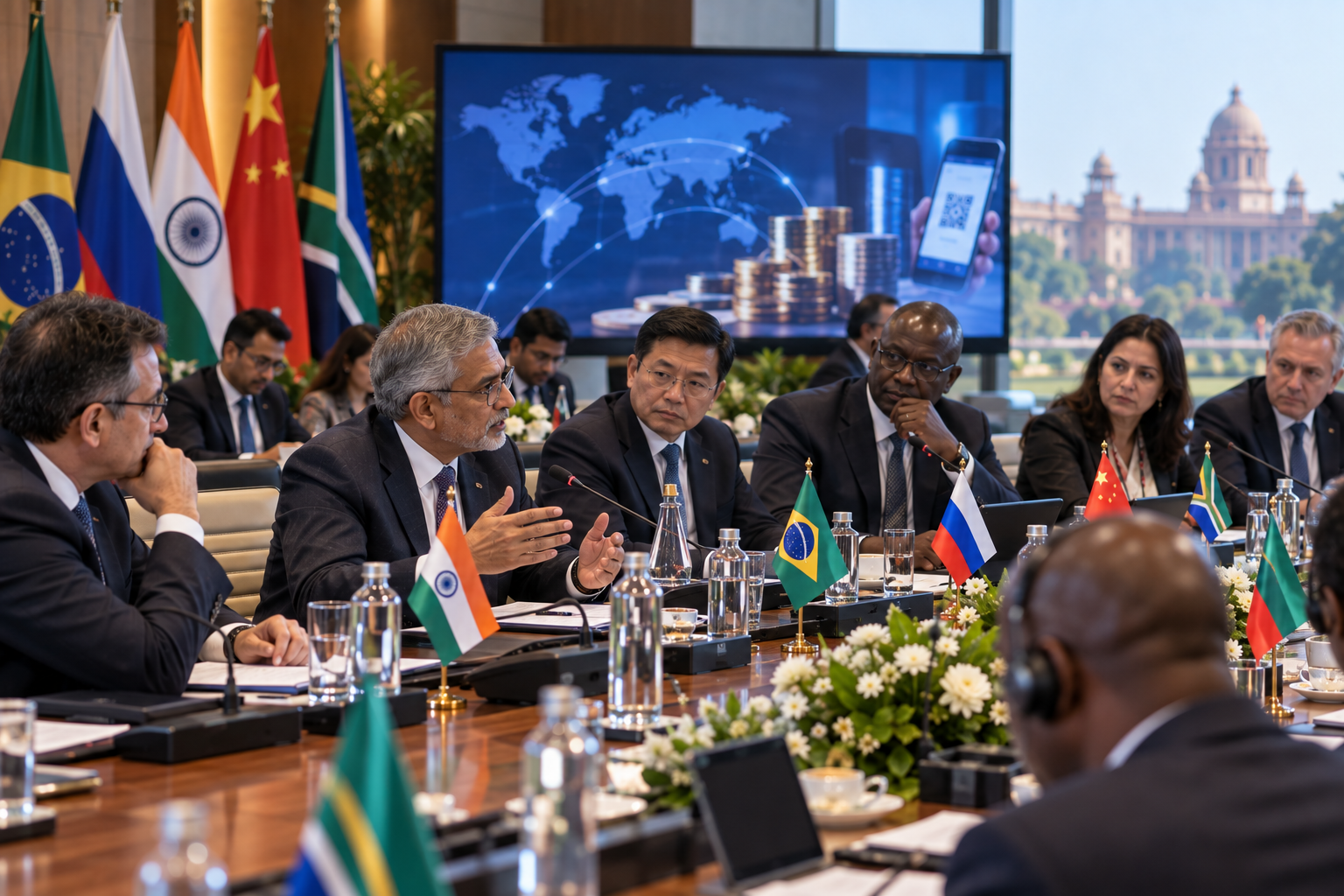
BRICS economies should deepen financial markets, strengthen banking linkages and develop robust risk-management mechanisms if they want to significantly expand trade and investment in local currencies, experts said on Friday.
The push comes as the expanded BRICS grouping seeks to strengthen economic cooperation amid changes in global trade and finance. Experts believe that simply encouraging countries to settle transactions in their national currencies will not be sufficient. Stronger financial infrastructure and banking connectivity will be essential to make local-currency transactions commercially viable at scale.
Anil Talreja, Partner at Deloitte, said greater use of national currencies in trade and investment could support the group’s objective, provided it is accompanied by deeper financial markets, stronger banking relationships and effective risk-management systems.
Technology could play an important role in this process. Linking fast-payment platforms operated by different BRICS economies could reduce transaction times and costs while improving accessibility for businesses and consumers. Interoperability between central bank digital currencies could provide another avenue for strengthening cross-border settlements.
BRICS has become an influential economic grouping following its expansion. The bloc now comprises Brazil, Russia, India, China, South Africa, Egypt, Ethiopia, Iran, the UAE, Saudi Arabia and Indonesia. Partner countries include Belarus, Bolivia, Kazakhstan, Cuba, Malaysia, Nigeria, Thailand, Uganda, Uzbekistan and Vietnam.
Together, the 11 BRICS members represent around 49.5% of the world’s population, approximately 40% of global GDP and around 26% of global trade.
However, expanding the bloc’s economic influence will require reducing the practical barriers faced by businesses operating across borders.
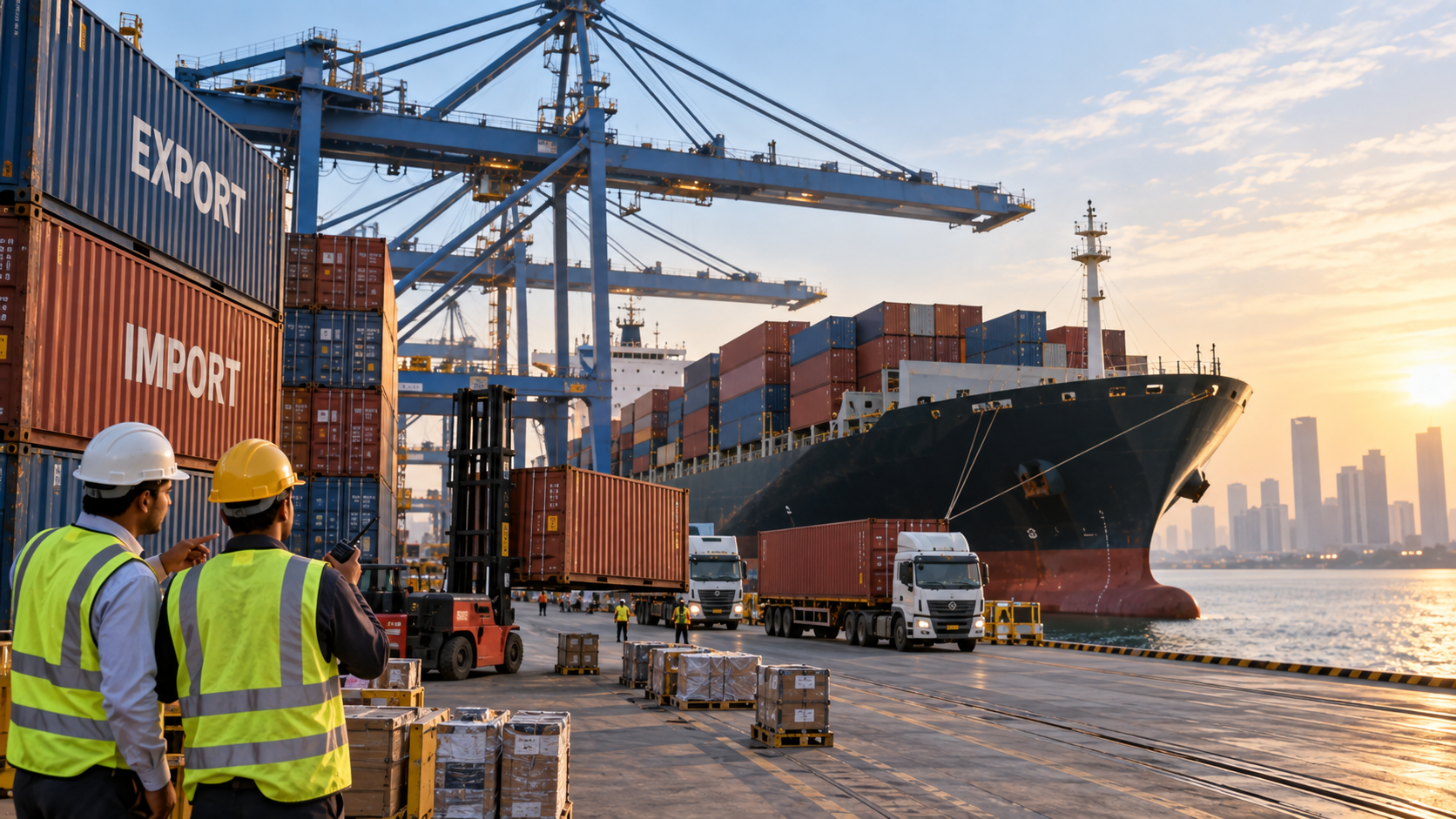
Talreja said BRICS countries should develop an enabling trade architecture by reducing non-tariff barriers, harmonising standards, recognising certifications across markets, simplifying customs procedures and improving regulatory transparency.
These measures could reduce compliance costs for companies while making cross-border trade more predictable.
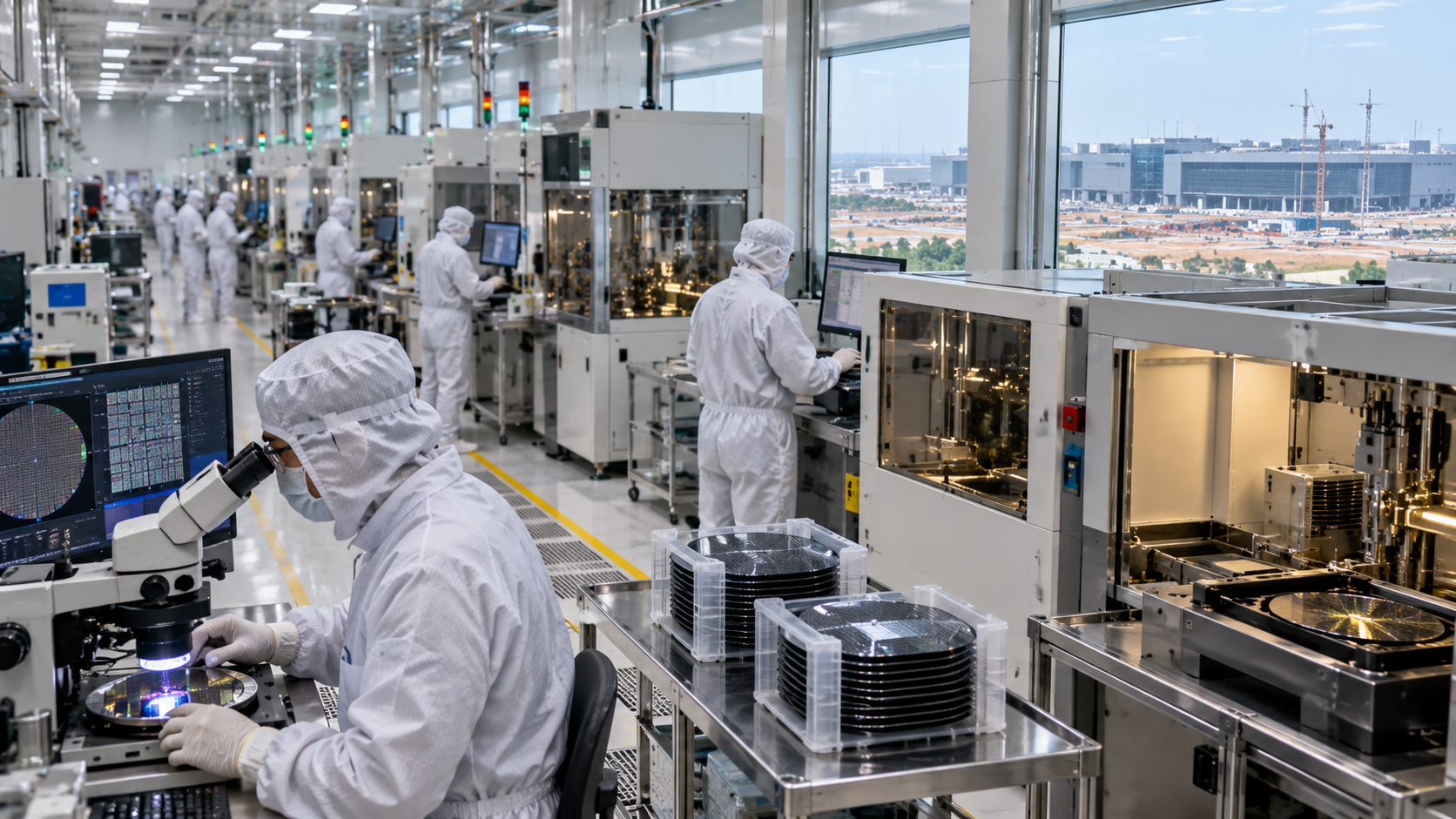
The need for greater coordination has become particularly important as export controls and technology restrictions increasingly influence global trade flows. BRICS economies could benefit from cooperation in securing access to critical technologies, rare-earth minerals, advanced manufacturing equipment and power-sector equipment.
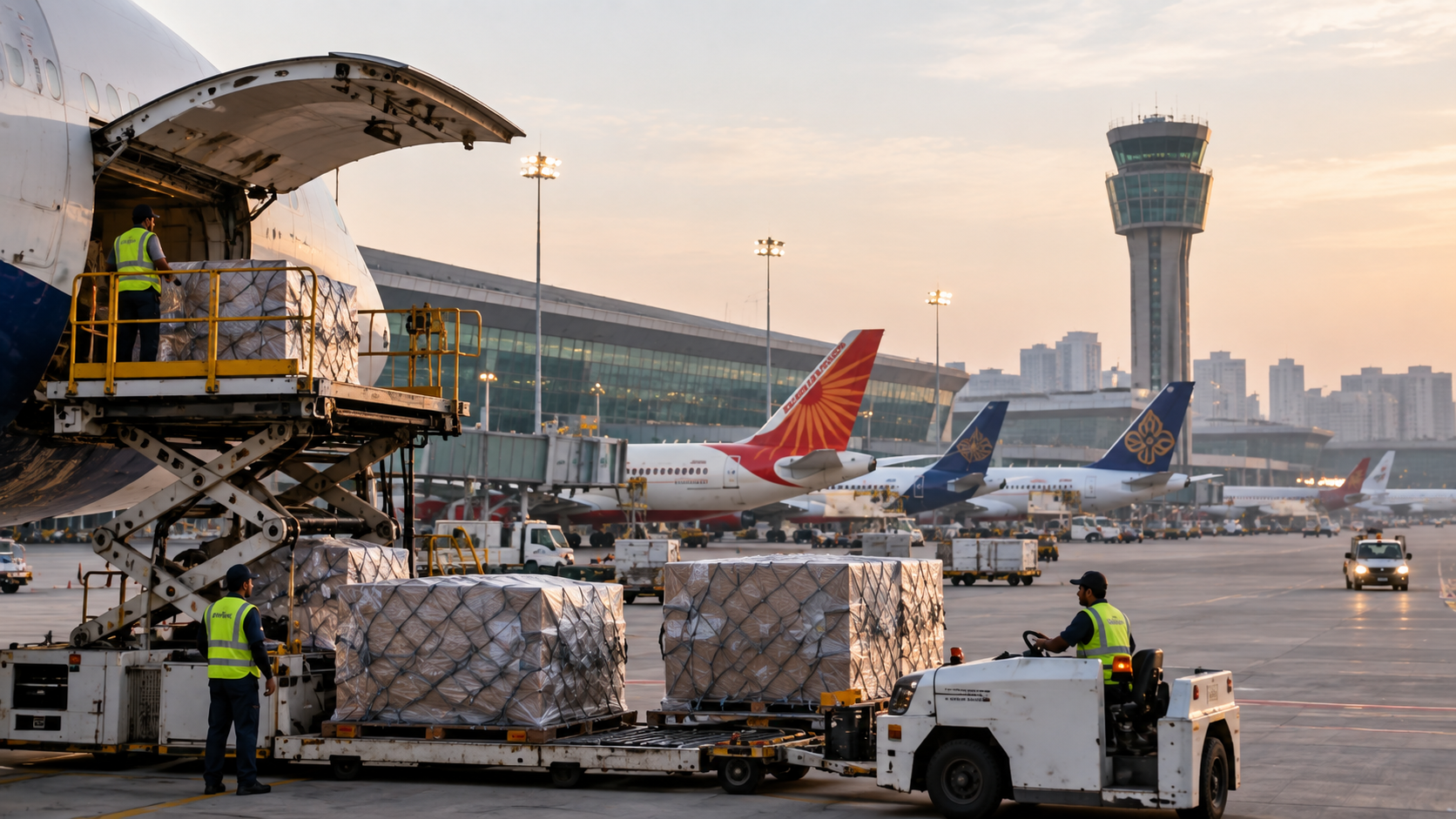
Diversifying supply chains could also reduce vulnerabilities created by geopolitical tensions and disruptions in international trade.
Industry body ASSOCHAM President Nirmal Kumar Minda said BRICS has evolved into a powerful platform for economic cooperation. He argued that the next phase should focus on deepening trade and investment through greater trust, transparency and business-to-business partnerships.
Greater commercial engagement among member economies could create new opportunities for companies while supporting economic diversification and supply-chain resilience.
For India, stronger banking and payment connectivity within BRICS could complement its broader efforts to promote digital payments and local-currency settlement. Greater interoperability would potentially make it easier for exporters, importers and investors to conduct transactions without depending entirely on traditional international payment channels.
The challenge will be to ensure that financial connectivity is supported by adequate liquidity, transparent regulations and effective mechanisms for managing currency and settlement risks.
If these foundations are established, deeper banking links could help BRICS move from political discussions on de-dollarisation and local-currency trade towards a more practical framework for cross-border commerce and investment.