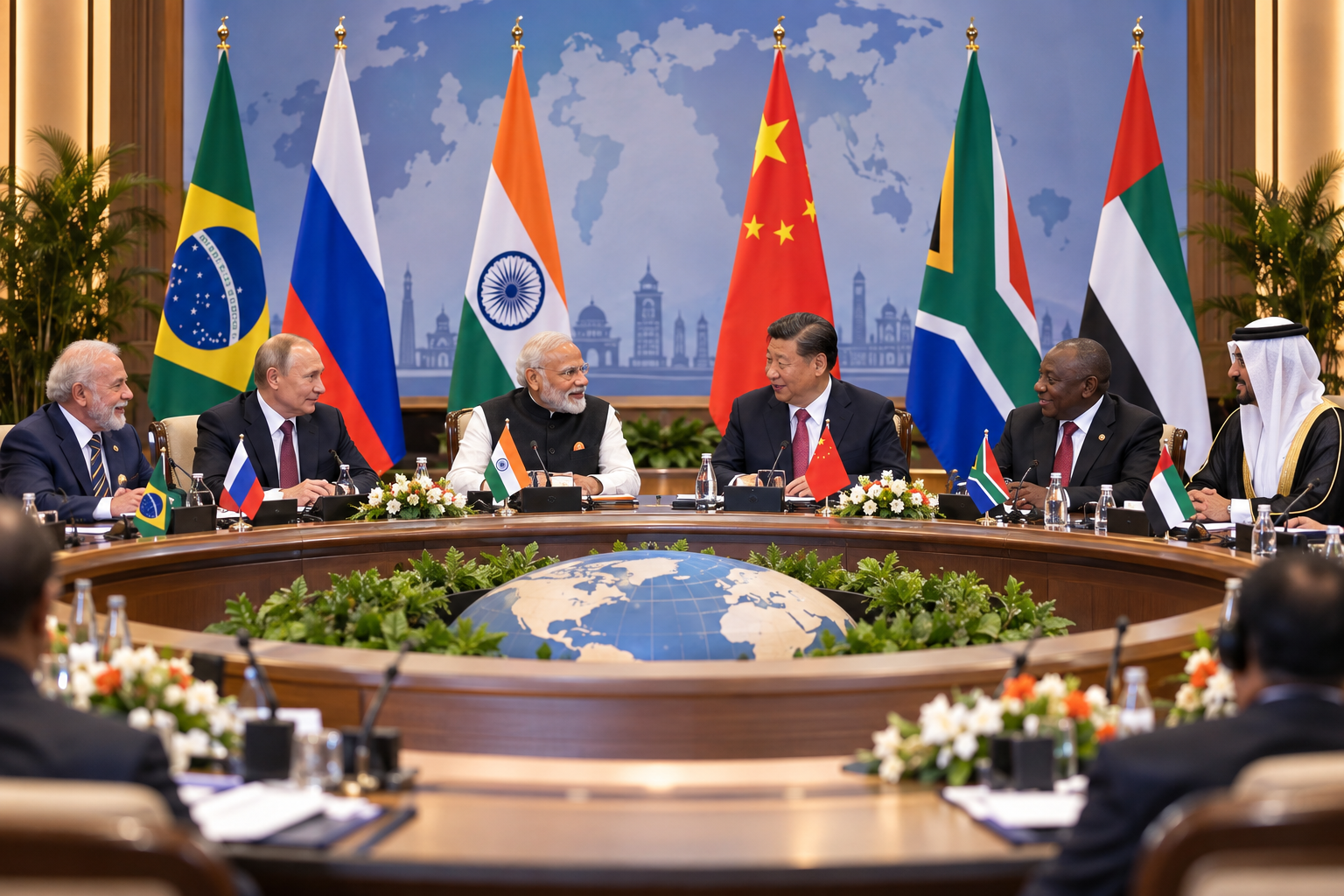
BRICS leaders have adopted the New Delhi Declaration at the 2026 Summit, reinforcing cooperation across trade, investment, supply chains, energy security and sustainable development.
Highlights
- BRICS leaders adopted the New Delhi Declaration at the 2026 Summit.
- Trade, investment and resilient supply chains remain major areas of economic cooperation.
- BRICS countries are working on stronger global value-chain integration.
- Members are seeking easier trade and lower transaction costs through customs cooperation.
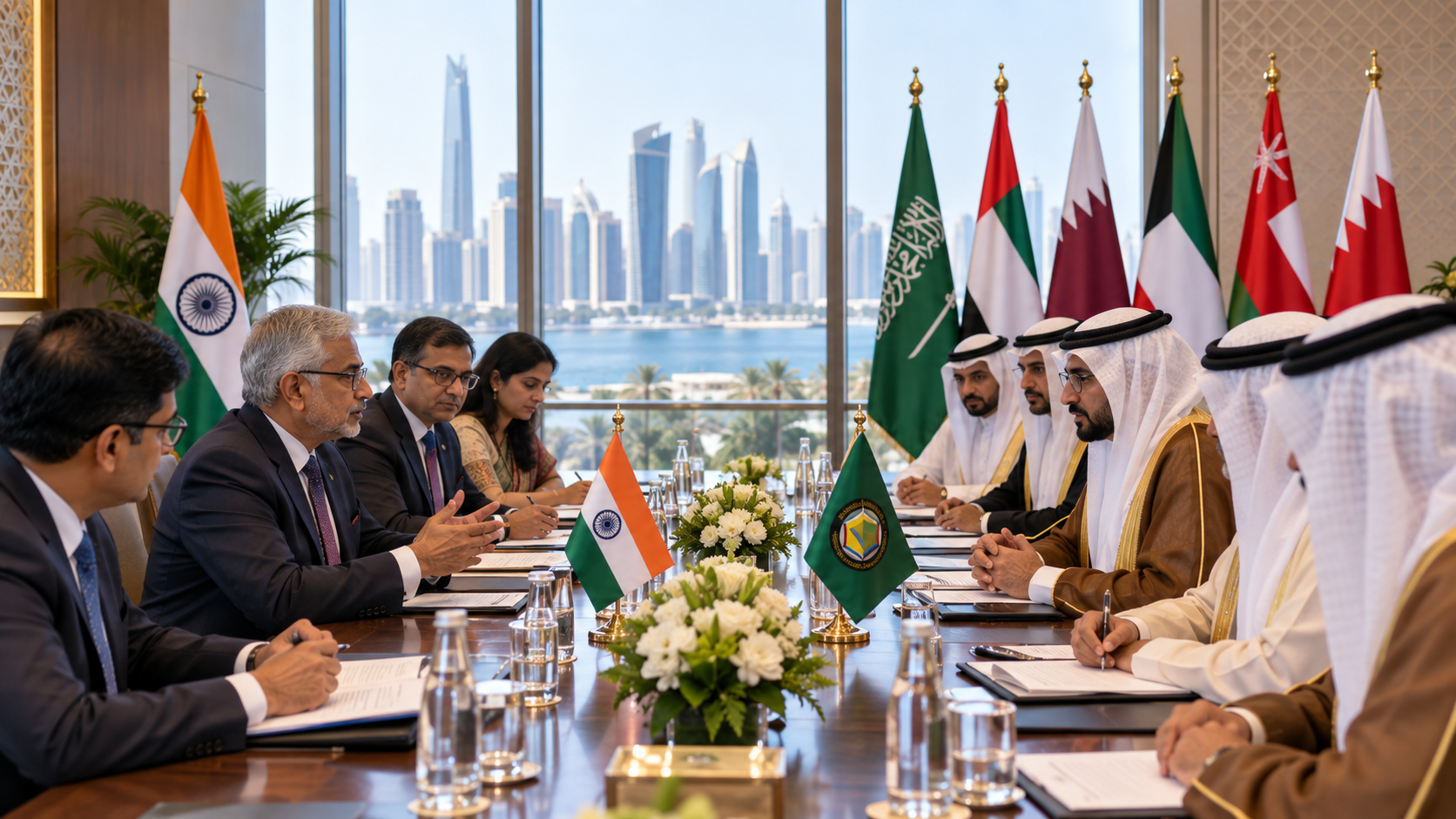
BRICS leaders have adopted the New Delhi Declaration at the 2026 Summit in India, outlining a broader roadmap for cooperation as the grouping seeks to strengthen trade, investment, supply chains and the voice of emerging economies in global governance.
The declaration comes as BRICS expands its economic footprint and seeks greater coordination among member countries amid geopolitical tensions, supply-chain disruptions and uncertainty in the global economy.
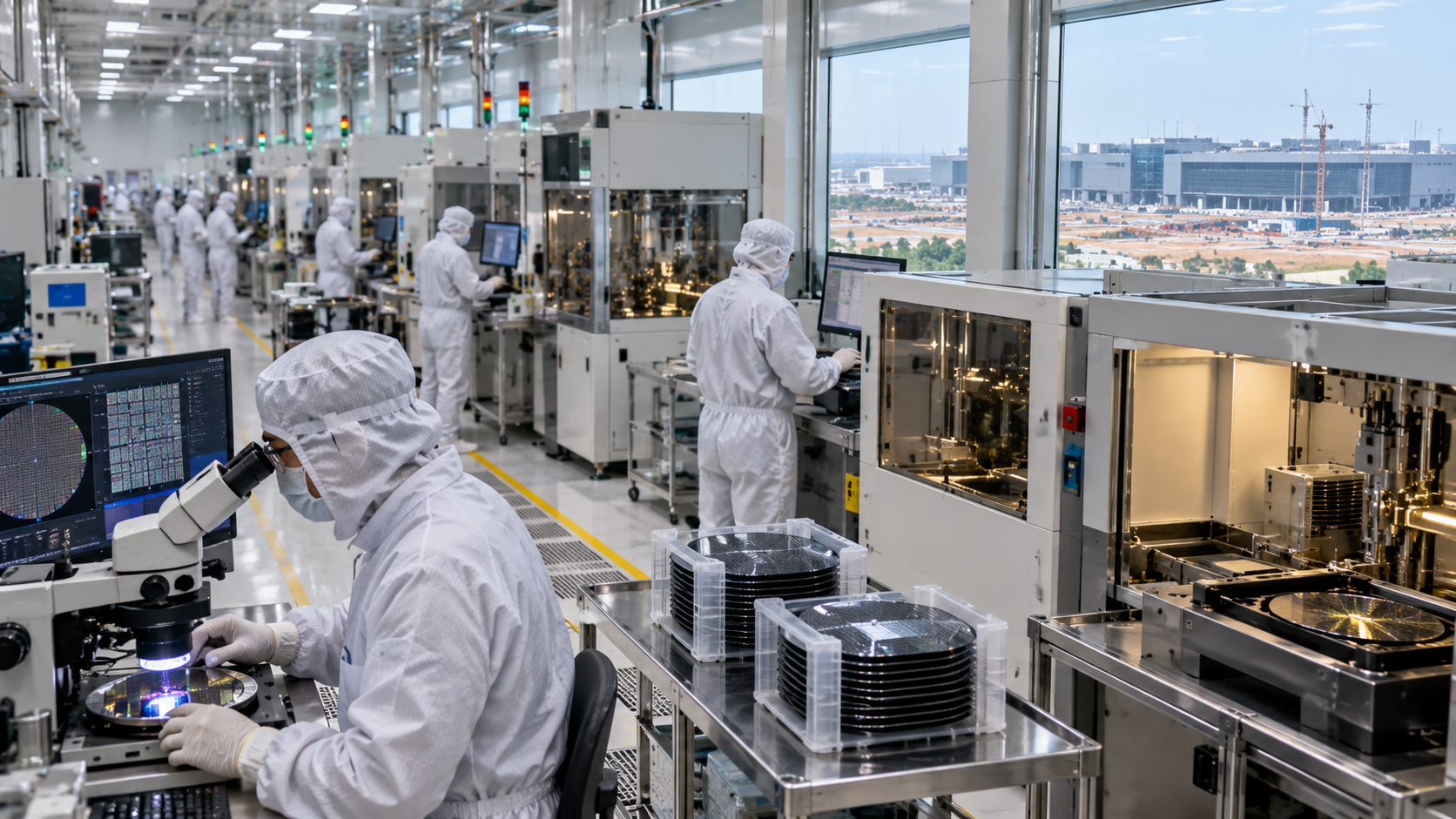
Economic cooperation is one of the major pillars of BRICS engagement. Under India’s 2026 chairship, members have been working on initiatives covering trade facilitation, global value chains, logistics, startups, technology and sustainable development.
Trade and Supply Chains in Focus
One of the important areas is building more resilient global value chains.
BRICS members have developed a Global Value Chains Action Plan for 2026-2030, aimed at improving cooperation and making supply networks more resilient, efficient and productive.
The initiative is also expected to support greater market participation and economic diversification among member countries.
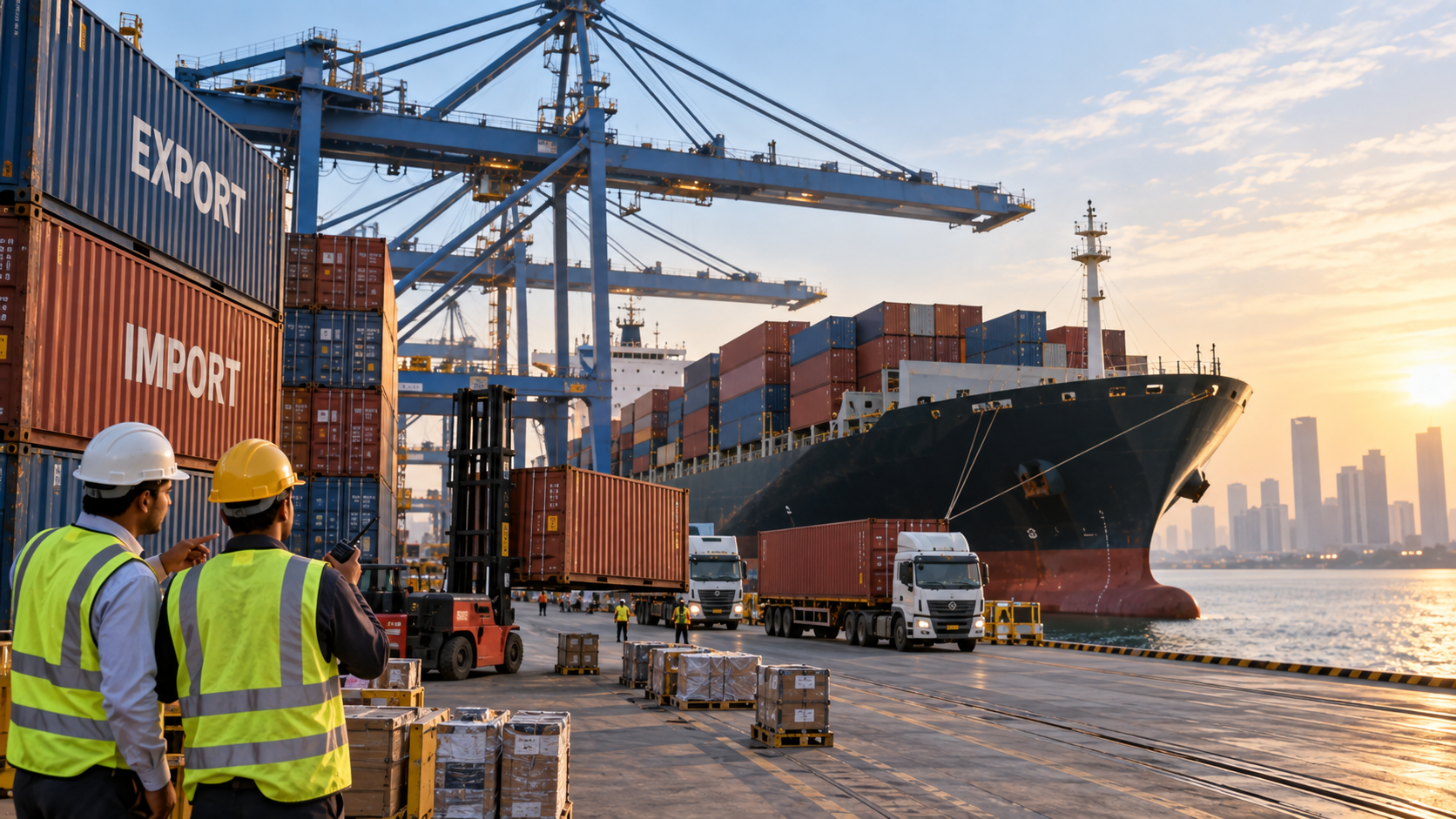
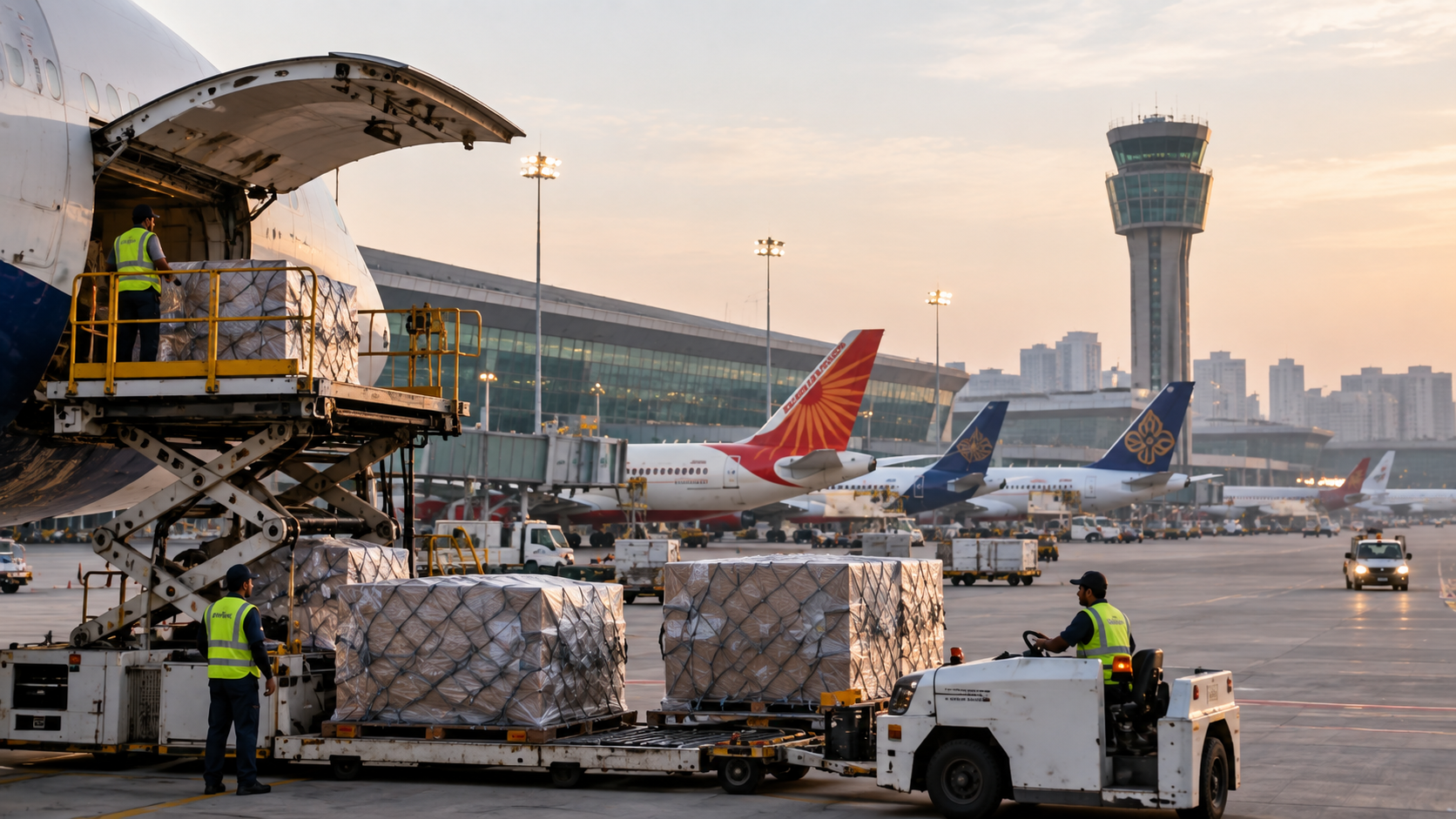
Another initiative is the BRICS Logistics Supply Chain Cooperation Framework, which focuses on transportation, freight and shipping cooperation while encouraging stronger local production ecosystems and more climate-resilient logistics.
Push to Make Trade Easier
BRICS countries are also moving towards greater customs cooperation.
Members have indicated support for an agreement on cooperation and mutual administrative assistance in customs matters. The initiative is aimed at facilitating faster trade, reducing transaction costs, improving ease of doing business and strengthening border security.
India has separately called for deeper, more resilient and balanced intra-BRICS trade as the grouping expands its economic influence.
BRICS’ Growing Economic Weight
The declaration comes as BRICS’ share of the global economy continues to expand.
Prime Minister Narendra Modi said at the BRICS Business Forum that BRICS countries and partners together now represent 21 nations. The grouping accounts for around half of the world’s population, about 40% of global GDP and more than 25% of world trade.
Modi called for deeper economic integration and stronger trade and talent connections among BRICS economies.
Startups and Innovation Get Attention
Economic cooperation is also expanding beyond traditional trade.
BRICS members have backed an Incubator Network connecting startups, incubators and national agencies across member countries.
A BRICS Startup Innovation Fund has also been proposed to help mobilise financing for early- and growth-stage startups and promote innovation-led entrepreneurship across participating economies.
Stronger Voice for Global South
Beyond trade, BRICS continues to position itself as an important platform for developing and emerging economies.
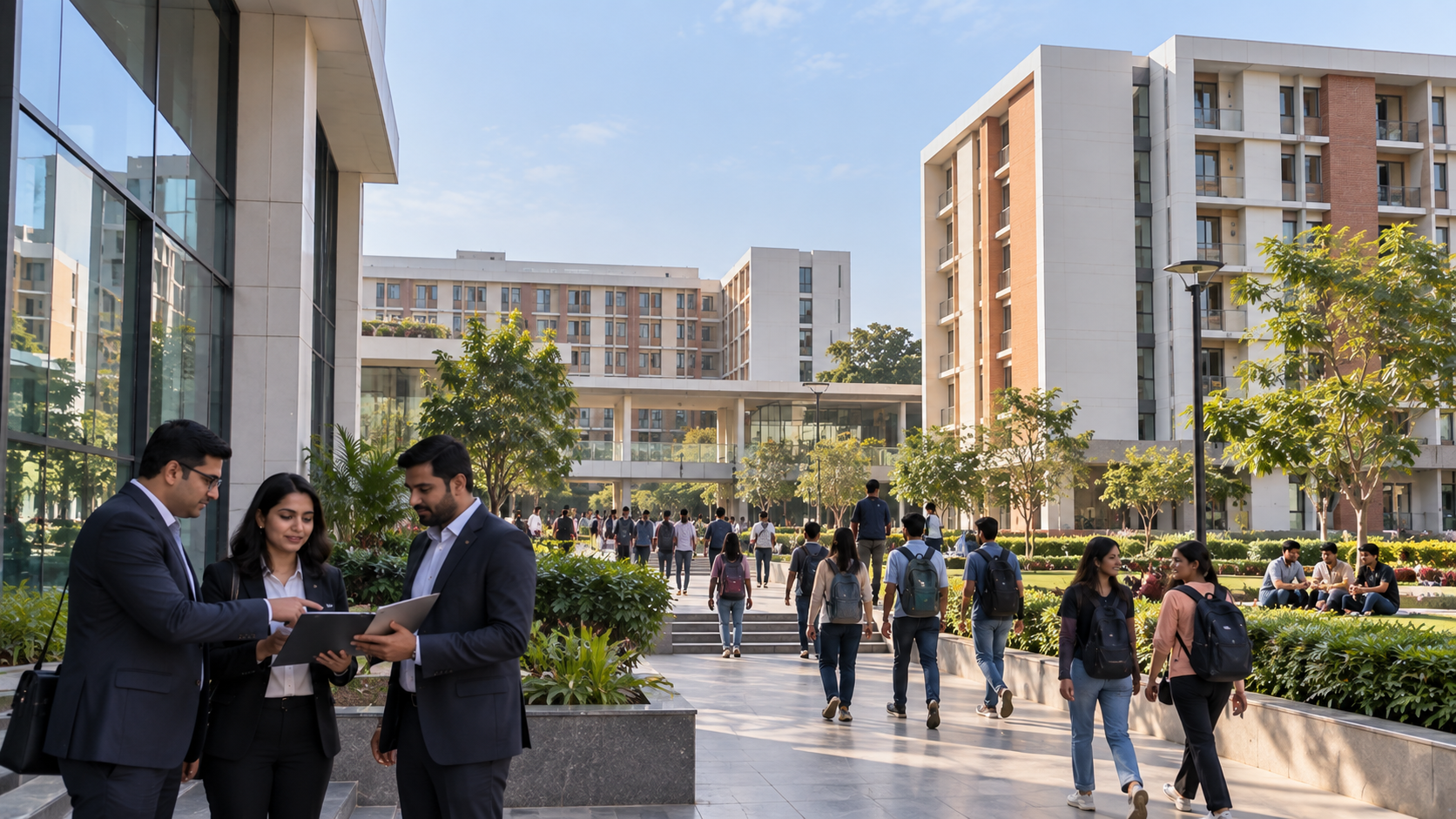
India’s 2026 chairship has focused on resilience, innovation, cooperation and sustainability, alongside greater representation for the Global South. Discussions around the summit have also highlighted the need to reform multilateral institutions so they better reflect current global economic and geopolitical realities.
For businesses and investors, deeper BRICS cooperation could gradually create opportunities across manufacturing, infrastructure, logistics, energy, technology, startups and cross-border trade.