The New Delhi Declaration has strengthened the grouping’s focus on the Global South, including reforms in global financial institutions, development financing and deeper economic cooperation.
Highlights
- India has placed Global South priorities at the centre of its BRICS 2026 chairship.
- BRICS has called for greater representation of emerging economies in global institutions.
- Members are seeking reforms in the IMF, World Bank and other multilateral institutions.
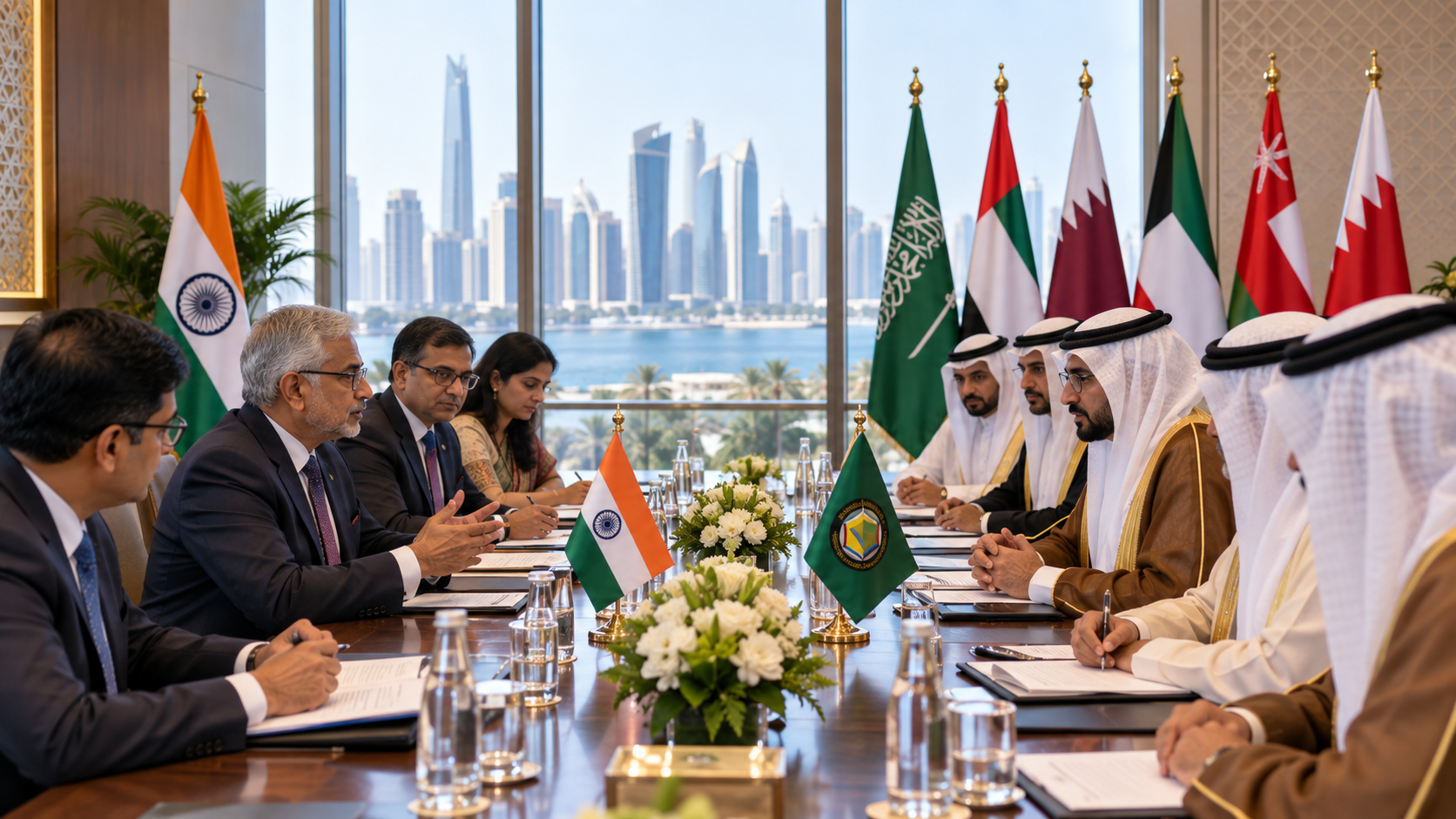
India is seeking to strengthen the voice of the Global South through BRICS as emerging and developing economies push for greater influence over global trade, finance and governance.
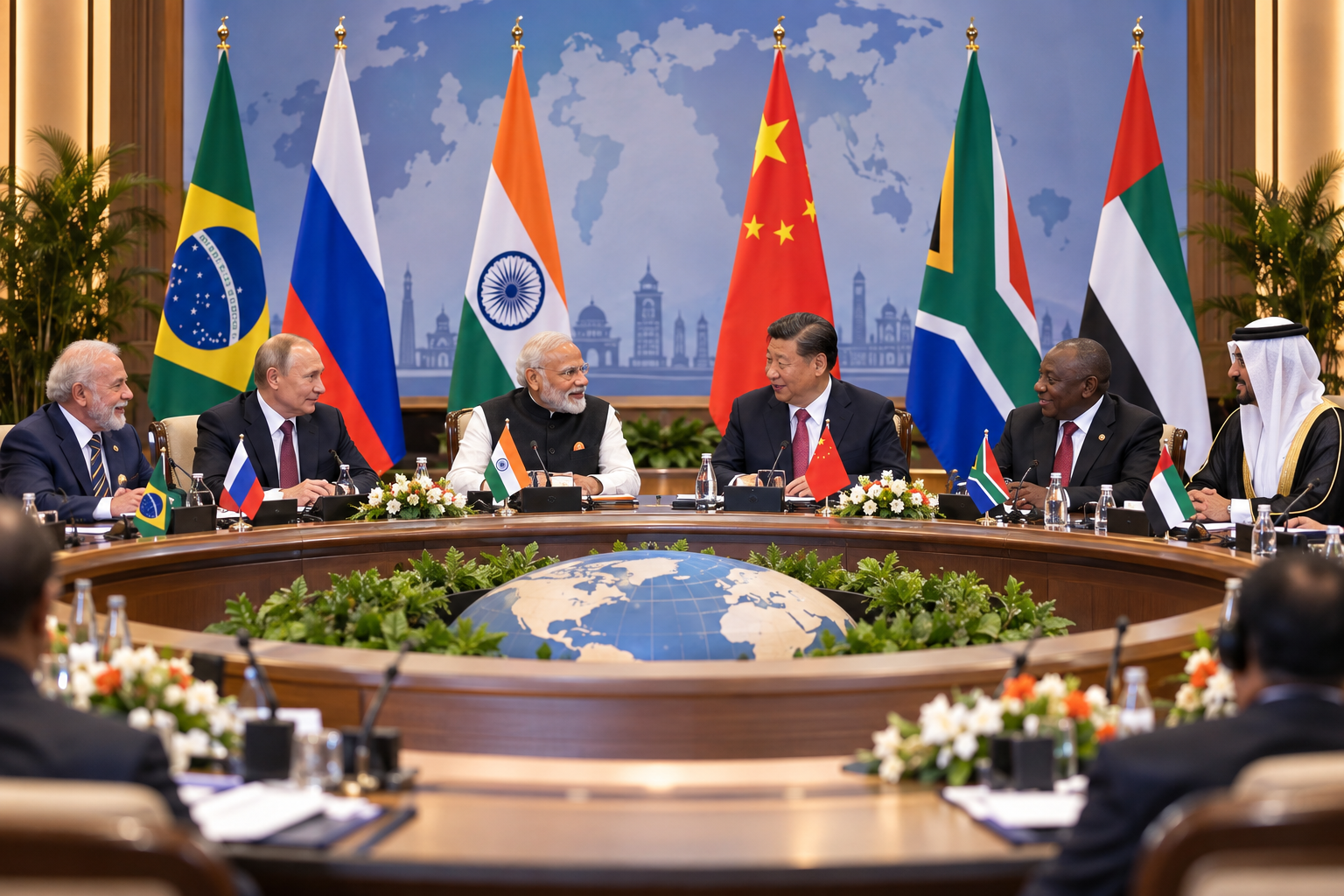
The issue has emerged as one of the central themes of the BRICS Summit 2026 in New Delhi, where leaders unanimously adopted the New Delhi Declaration.
The declaration backs a bigger role for the Global South and calls for reforms in international institutions to better reflect the growing economic weight of emerging and developing economies.
India, which holds the BRICS chairship in 2026, has positioned the grouping as a platform that can translate greater representation of developing countries into practical economic cooperation.
BRICS now comprises 11 members — Brazil, China, Egypt, Ethiopia, India, Indonesia, Iran, Russia, Saudi Arabia, South Africa and the UAE. Together, they account for around 49.5% of the global population, 40% of global GDP and 26% of global trade, according to the Indian government.
Push for IMF and World Bank Reforms
One of the most significant issues for the Global South is representation in international financial institutions.
BRICS finance ministers and central bank governors have called for a greater voice for emerging-market and developing economies in the IMF and World Bank.
They have also backed a more inclusive and transparent process for selecting the leadership of these institutions, with greater regional diversity and representation for developing economies.
For India, such reforms are important as developing economies account for an increasingly large share of global growth but continue to seek greater influence over international economic decision-making.
Trade and Payments Could Become Key Pillars
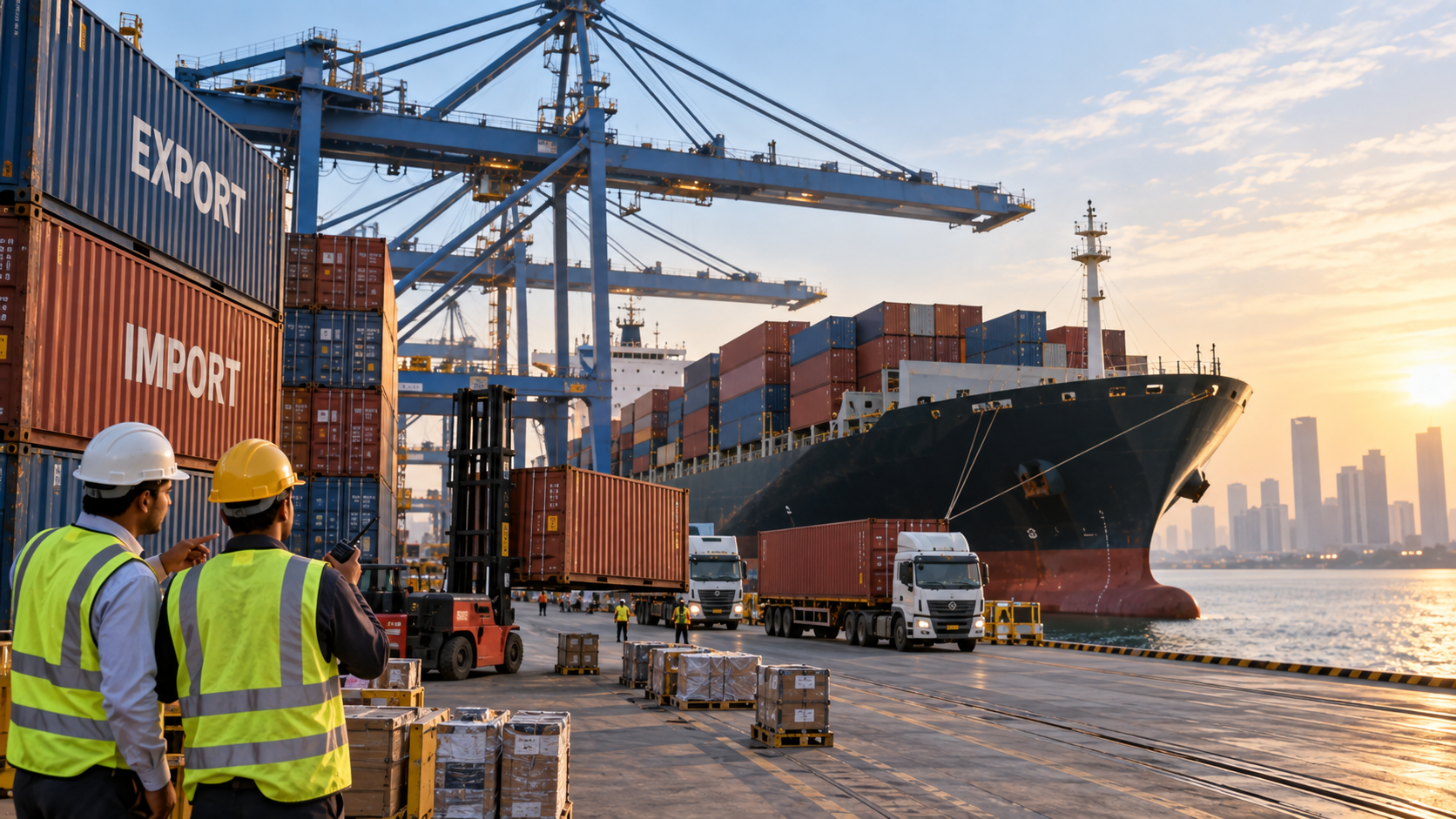
BRICS is also attempting to deepen economic integration among developing economies.
India has called for more resilient and balanced intra-BRICS trade, greater market access, diversified supply chains and simpler regulatory procedures. New Delhi has also encouraged member and partner countries to connect payment systems and promote trade using local currencies.
BRICS finance ministers and central banks are examining ways to make cross-border payments faster, cheaper and more accessible, including interoperability between payment and messaging systems. However, the grouping has not announced a common BRICS currency.
These initiatives could be particularly important for Global South economies seeking to reduce transaction costs and strengthen trade with other developing markets.
Development Financing in Focus
Infrastructure financing is another major concern for developing countries.
BRICS members have backed a greater role for the New Development Bank in financing infrastructure and sustainable development projects across BRICS and the wider Global South.
The grouping wants the bank to mobilise additional resources, expand local-currency financing and help reduce financing costs for development projects.
India Positions BRICS as Global South Platform
India’s approach goes beyond expanding BRICS membership.
Its 2026 chairship is based on the theme “Building for Resilience, Innovation, Cooperation and Sustainability,” with development and the aspirations of the Global South forming an important part of the agenda.
India has also stressed the importance of reforming multilateral institutions to reflect contemporary global realities, an issue Prime Minister Narendra Modi discussed with UN Secretary-General António Guterres during the summit.
With BRICS expanding across Asia, Africa, Latin America and the Middle East, the grouping is increasingly becoming an important forum for South-South economic cooperation.
For India, the challenge now will be turning the Global South agenda into measurable outcomes — from easier trade and cheaper financing to stronger representation of developing countries in global institutions.