New ethanol economy: What’s next for India’s sugar mills?

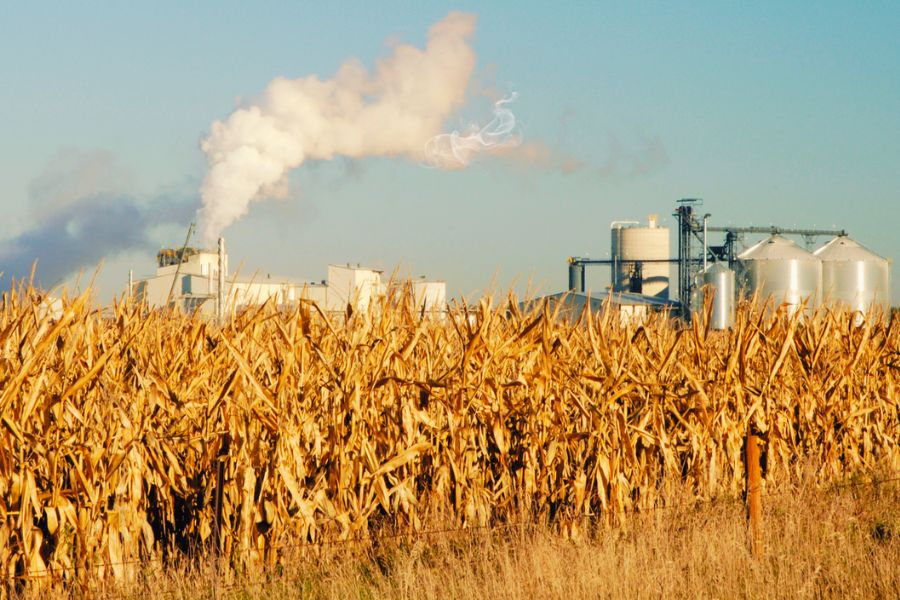
Sugarcane harvests bring energy and income to millions across Uttar Pradesh, Maharashtra, Karnataka and Tamil Nadu. Yet behind the busy season lies a sector under stress: mills face rising costs, mounting arrears, and growing competition from grain-based ethanol. India’s push for cleaner fuels has opened new opportunities — but also new challenges for sugar, which is deeply tied to rural livelihoods. The way forward, experts say, lies not in a clash between feedstocks but in reimagining mills as bio-refineries that can sustain both farmers and the energy transition.
ethanol

In states such as Uttar Pradesh, Maharashtra, Karnataka and Tamil Nadu, sugarcane harvest season sets the local economic rhythm. India produced roughly 45.3 million tonnes of sugarcane in 2023–24, according to the Agriculture Ministry’s annual report; trade estimates put 2024–25 production slightly lower. Farmers cut the stalks, tractors ferry the cane to mills, and local markets register a spike in wages, purchases and transport — all centred on mills that turn cane into sugar, molasses and power.

That tight link between crop and community is where the sector’s strain is most immediately felt. Despite a government push for ethanol blending, which aims to reduce crude imports and create steady demand for agricultural feedstocks, sugar mills are under heavy financial pressure — roughly ₹40,000 crore, per an Economic Times assessment. Those macro losses translate into delayed payments to farmers, squeezed cashflows for cooperatives, and postponed investments in modernisation.

Ethanol blending was meant to give mills a reliable secondary revenue stream. In practice the picture is more mixed. State-mandated cane prices and rising input costs have kept mills’ production costs high; ethanol procurement and pricing have not always covered these gaps. At the same time, the ethanol pool has shifted: grain feedstocks such as maize and broken or damaged rice have grown rapidly as inputs for fuel ethanol. Reporting indicates that in 2024–25 grain-based ethanol made up a larger share (reported regionally at roughly 650 crore litres) while sugar-based ethanol was closer to 250 crore litres in some calculations, a shift industry bodies have highlighted as material to mill economics.

The consequences are tangible. Smallholders waiting on mill payments see household budgets and farm plans upended — in Andhra Pradesh, for example, farms are reported to be owed ₹32 crore after factory closures, while a single unit needs an estimated ₹60 crore to restart operations. In Maharashtra, production fell sharply this season (reported down 29 lakh tonnes, from about 110 lakh tonnes to 81 lakh tonnes), worsening local revenue shortfalls. These local shocks compound the national picture and underline why policymakers and industry leaders now emphasise balanced, pragmatic solutions rather than looking for blame.

Looking ahead, independent analyses and S&P Global reporting suggest grain-based ethanol supply could more than double in the near term — a development that improves energy security but also changes competitive dynamics for mills that built their ethanol strategies around sugarcane. The policy challenge is therefore to support diversification and bio-refinery investments while ensuring fair access and predictable pricing for mills and farmers alike

Practical paths for mills and communities

1.) Diversification into bio-refinery models: Mills can evolve from seasonal sugar factories into year-round bio-refineries. That means producing ethanol, generating power from bagasse, making compressed biogas (CBG) from press mud and residues, and even moving into green chemicals and bioplastics. Multiple income streams reduce exposure to sugar price swings.

2.) Value-added sugars and niche products: Premium products — organic, low-glycemic or specialty sugars, jaggery powders — command better margins in domestic and export markets. Processing and branding these products can add value right at source.

3.) 2G and residue-based fuels: Second-generation ethanol from cane trash and agricultural residues avoids food-versus-fuel debates and makes better use of the crop’s full biomass. Investment and policy support for 2G technology would enable mills to tap abundant feedstock that currently goes uncollected or is burned.

4.) Bagasse and cogeneration: Modern, efficient cogeneration units using bagasse can make mills energy exporters — selling surplus power to the local grid and creating a steady revenue stream independent of sugar prices.

5.) Farmer-centric supply chains: Strengthened farmer aggregation (through FPOs), transparent pricing mechanisms, advance payment systems and seasonal credit lines would stabilise incomes and encourage smallholders to participate in diversified cropping systems and residue collection.

6.) Balanced feedstock policy: A calibrated, predictable approach to feedstock allocation — where sugar- and grain-based ethanol both have defined windows and procurement mechanisms — can prevent sudden market shocks. Industry bodies have proposed balanced ratios to ensure sugar mills are not crowded out.

Policymakers can help by ensuring ethanol pricing reflects true production costs across feedstocks, offering bridge financing or viability gap support for mills investing in bio-refinery upgrades, and creating incentives for 2G technology adoption. Aligning cane pricing mechanisms with ethanol incentives so that when mills produce fuel, some of the price risk shifts away from them would also help. Importantly, export opportunities for specialty sugar and ethanol should be facilitated when domestic surpluses threaten local margins.

Plan ahead

The millions tied directly and indirectly to sugarcane depend on a system that turns planted stalks into stable income. If the mills modernise and diversify, they can become engines of rural resilience: employers, buyers of residue, and anchors for agritech and logistics services. If the sector remains locked into a single-product mindset, the next monsoon, the next swing in global sugar prices, or the next policy shift could deepen distress.

India’s ethanol push was the right call for energy security and rural opportunity. The next step must be pragmatic adaptation — policy that balances feedstocks and rewards investment, and industry that embraces the bio-refinery future. That is how sugar-growing regions can convert not just cane, but also the social and economic energy of their communities, into a sustainable and dignified future.


Read more:

From waste to watts: Why bio-energy could spark the next energy revolution in India

How biofuels are strengthening India’s energy backbone


FAQs 

1. Why is India’s sugar industry under financial stress despite the ethanol push?
According to Economic Times, mills face rising costs due to state-mandated cane prices, high input costs, and falling sugar production in key states. Ethanol revenues haven’t fully offset these pressures, leaving the sector with around ₹40,000 crore in stress.

2. How is grain-based ethanol affecting sugar mills?
Grain-based ethanol — from maize, rice, and other cereals — has grown rapidly, with output touching about 650 crore litres in 2024–25, compared to ~250 crore litres from sugarcane (Economic Times). This diversification strengthens India’s energy security but reduces the dominance of sugar mills in ethanol markets.

3. What happens to farmers when mills delay payments?
Delayed payments impact household incomes, farm investments, and even local economies. For example, farmers in Andhra Pradesh were reported to be owed ₹32 crore after factory closures (Times of India). This ripple effect hurts smallholders, daily-wage workers, and allied sectors like transport and agri-inputs.

4. What alternatives do sugar mills have beyond sugar and ethanol?
Experts suggest diversifying into bio-refineries, producing not just ethanol but also compressed biogas (CBG), cogeneration from bagasse, 2G fuels, green chemicals, and specialty sugars. Such models reduce dependence on sugar prices and create multiple income streams.

5. What policy measures could balance sugar- and grain-based ethanol?
Industry bodies recommend a balanced feedstock policy with predictable procurement, better ethanol pricing to reflect costs, viability gap funding for new tech, and export opportunities. A calibrated approach ensures both sugarcane- and grain-based producers can thrive without undercutting each other.

Previous Post
Next Post

Most Recent Posts

  • All Post
  • 8th Pay Commission
  • Aadhar
  • Aditya Birla Capital
  • Advertising Standards
  • Affordable Housing
  • Agriculture
  • Agriculture & Food
  • AI in Healthcare
  • AI Technology
  • Airlines
  • alcohol industry
  • Android
  • APEDA
  • Apple
  • Artificial Intelligence
  • Ashwini Vaishnaw
  • Asset Management
  • Atmanirbhar Bharat
  • Audio Devices
  • Audio Products
  • Auto Industry
  • Automobile
  • Automobiles
  • Automotive
  • Automotive Industry
  • Aviation
  • Bain Healthcare Report 2026
  • Bank
  • Banking
  • Banking Technology
  • Battery Industry
  • Beverage Industry
  • Beverages
  • Bihar
  • biotechnology
  • Bitcoin
  • BMW Group India
  • Brand Insight
  • BRICS
  • Bullion Market
  • Business
  • Business & Economy
  • Business & Trade
  • Business Leadership Post COVID-19
  • Business News
  • Business Terminology
  • Business Utilities
  • Buyback
  • Capital Goods
  • Capital Markets
  • CarsBusiness
  • CBIC
  • CCI
  • Child Investment
  • China
  • China technology news
  • Citizen Services
  • Clean Energy
  • Clean Technology
  • Cloud Computing
  • coal
  • Commerce
  • Commerce and Industry
  • Commercial Real Estate
  • Commercial Vehicles
  • Commodities
  • Communications
  • Companies
  • Competition Law
  • Compliance
  • Computer Accessories
  • connected cars
  • Consumer
  • Consumer Affairs
  • Consumer Electronics
  • Consumer Finance
  • Consumer Goods
  • Consumer Health
  • Consumer Markets
  • Consumer News
  • Consumer Protection,
  • Consumer Rights
  • Consumer Spending
  • Consumer Trends
  • Content Creation
  • Copper
  • Corporate
  • corporate affairs
  • Corporate Earnings
  • Corporate Governance
  • Corporate News
  • Corporate Social Responsibility
  • Cost of Living
  • Country
  • CRED
  • Credit Cards
  • CREDIT RATING
  • Crude Oil
  • Cryptocurrency
  • CSR
  • Culture
  • Currency
  • Customs Duty
  • Cyber Security
  • Cybersecurity
  • Dairy Industry
  • Data & Analytics
  • Defence
  • Delhi Government
  • Delhi-NCR
  • Demographics
  • Derivatives
  • DGCA
  • DGFT
  • DigiLocker
  • Digital Assets
  • Digital Economy
  • Digital Health India
  • Digital Identity
  • Digital India
  • Digital Infrastructure
  • Digital passport for robots
  • Digital Payments
  • Digital Platforms
  • digital services
  • Diplomacy
  • Dixon Technologies
  • DPIIT
  • E Commerce
  • E-commerce
  • E-Governance
  • Ease of Doing Business
  • Economic Growth
  • Economy
  • Edible Oil Industry
  • Editor Choice
  • EdTech
  • Education
  • Electric Mobility
  • Electric Vehicles
  • Electronics
  • Employment
  • ENERGY
  • Engineering
  • Entertainment
  • Environment
  • EPFO
  • Ethanol Economy
  • EV Industry
  • EV Technology
  • Exports
  • EXTER
  • Farmers
  • Fashion
  • FINANCE
  • Finance Ministry,
  • Financial Marketing
  • Financial Markets
  • Financial News
  • Financial Planning
  • Financial Results
  • Financial Services
  • Fintech
  • FnTech
  • Food & Beverage
  • Food & Beverages
  • Food Exports
  • Food Industry
  • Food Manufacturing
  • Food Processing
  • Food Regulations
  • food safety
  • Foreign Exchange
  • Foreign Investment
  • Foreign Policy
  • Foreign Trade
  • Forex Reserves
  • fssai
  • FTA
  • Fuel
  • Fuel Prices
  • Future Energy
  • Gadgets
  • Gadgets & Apps
  • Gaming
  • GDP
  • Generative AI Healthcare
  • Geopolitics
  • GI Products
  • Global Brand Alliance
  • Global Economy
  • Global Markets
  • Global Politics
  • Global Tech
  • Global Trade Policy
  • Global Trends\
  • Gold
  • Gold Market
  • Gold Prices
  • Gols & Silver
  • Government
  • Government & Policy
  • Government Affairs
  • Government Bonds
  • Government Data
  • Government Initiatives
  • Government Policy
  • Government Policy & Regulation
  • Government Scheme
  • Government Schemes
  • Government Services
  • Green Energy
  • Green Mobility
  • GroupGlobal
  • GST
  • GST Council
  • GST Counsil
  • Hair Care
  • Hardware
  • Hatchback Segment
  • Health Supplements,
  • Horticulture
  • Housing
  • HSBC
  • Human Resources
  • humanoid robot market
  • Hyundai
  • IBT Infographics
  • iinvestment
  • Imports & Exports
  • Income Tax
  • India
  • India Auto Market
  • India Business News
  • India Inc
  • India News
  • India Retail
  • India-Canada Relations
  • India-China
  • India-Japan Relations
  • India-Russia Relations
  • India-South Korea Relations
  • India-US Relations
  • Indian Economy
  • Indian Navy
  • Industrial Pollution
  • Inflation
  • Infra
  • Infrastructure
  • Innovation
  • Instagram
  • Insurance
  • international
  • International Affairs
  • International Cooperation
  • International Relations
  • International Trade
  • Internet & Connectivity
  • Internet Policy
  • Internet Regulation
  • Interview
  • Investing
  • Investment News
  • Investments
  • iPhone News
  • IPO
  • IT Industry
  • Jewellery
  • Jio Platforms
  • JioBlackRock
  • Jobs & Careers
  • Joint Ventures
  • Kim Kardashian
  • Labour
  • Latest
  • Launches
  • Leadership
  • Leaderspeak
  • Lending
  • Lifestyle
  • Lifestyle Tech
  • List
  • Loans & Credit
  • Local News
  • Logistics
  • LPG
  • Luxury Cars
  • Machinery
  • Macroeconomics
  • Macroeconomy
  • maharashtra
  • Maharashtra News
  • Make in India
  • Makhana
  • Manufacturing
  • Market Outlook
  • Markets
  • Maruti Suzuki
  • Mergers & Acquisitions
  • Meta
  • Microsoft
  • Middle East
  • Mobile Apps
  • Mobile Industry
  • Mobile Launch
  • Mobility
  • Monetary Policy
  • Monsoon
  • MoSPI
  • MSME
  • Mutual Funds
  • Nano Tech
  • National
  • National news
  • NEET 2026
  • NewsElectric
  • NewsTata
  • NPCI
  • NPS Vatsalya
  • Office Market
  • Oil & Gas
  • Oil and Gas
  • Others
  • OTT
  • Packaged Drinking Water
  • Packaged Foods
  • Packaging Industry
  • Packaging Innovation
  • Passenger Vehicles
  • Paytm
  • Pension & Retirement
  • Pensions
  • Personal Care
  • Personal Finance
  • Perspectives
  • Petroleum
  • PFRDA
  • Pharmaceuticals
  • PM Modi
  • PMAY-G
  • PMAY-U
  • PMAY,
  • PMI
  • policy
  • Population
  • PORTS
  • Positive News
  • PPF
  • Precious Metals
  • Pricing
  • Product Labeling
  • Product Labelling
  • Product Launch
  • Property Market
  • PSU
  • PSU Banks
  • Public Health
  • Public Policy
  • Public Safety
  • Public Sector
  • Public Services
  • Public Welfare
  • Quarterly Results
  • Railways
  • Rajasthan
  • Raksha Bandhan
  • Raksha Bandhan Gifts
  • Rare Earths
  • RBI
  • Real Estate & Realty Sector
  • Recycling
  • Regulation
  • Regulatory Action
  • Regulatory Affairs
  • Regulatory Updates
  • REIT
  • Reliance Industries
  • Renewable Energy
  • RERA
  • Research
  • Retail
  • Retirement Planning
  • Road Infrastructure
  • Robotics & Automation
  • robotics standards
  • Rupee
  • Rural Development
  • Rural Housing
  • SAIL
  • Salaries
  • Samsung
  • Savings
  • Science & Technology
  • Sebi
  • Security
  • Semiconductor
  • Services Sector,
  • SHIPPING
  • Silver Prices
  • Skill Development
  • Skills Development
  • Small Business
  • Smart Devices
  • Smart Home
  • Smart Mobility
  • Smartphones
  • Social Impact
  • Social Media
  • Society
  • Software Development
  • Solar Energy
  • Space Technology
  • Startups
  • Statistics
  • Steel Industry
  • Stock Market
  • stocks
  • streaming
  • Sugar Industry
  • Sukanya Samriddhi Yojana
  • Sustainability
  • SUV
  • Tamil Nadu Pollution Board
  • Tariffs
  • Tariffs & Duties
  • Tata Group
  • Tata Motors
  • Tata Sons
  • Tax Planning
  • Taxation
  • Tech
  • Tech Branding
  • Technology
  • Telecom & Technology
  • Telecom Industry
  • Top Story
  • Tourism
  • Trade
  • Trade Agreement
  • Trade Basket
  • Trade Partner
  • Trade Policy,
  • Transportation
  • Travel
  • Trending
  • Two-Wheelers
  • UIDAI
  • UPI
  • Urban Development
  • US-Iran Conflict Economic Impact
  • US–India Relations
  • Uttar Pradesh
  • VehiclesLuxury
  • vivo
  • Wastewater Management
  • Water Quality,
  • Wealth Management
  • Wearables
  • Wellness
  • WhatsApp
  • Wheat
  • Workplace
  • World
  • World News
  • Worldview
  • Yamaha
  • zLead Slider
    •   Back
    • Healthcare
    • Auto
    • Fmcg
    • Hospitality
    •   Back
    • Cash Crop
    • Organic
    • New Era Agri
    • Processed Food
    •   Back
    • Construction
    • Power
    • Mining
    • Telecom
    •   Back
    • ENERGY
    •   Back
    • Export/Import
    • Trade Deal
    • Trade Fair
    •   Back
    • Policies
    • Industry
    • Finance
    •   Back
    • Others technology
    • Mobile phone
    • Gadgets
    •   Back
    • Manufacturing
    • Services
    • Startup

India Business & Trade is a national media platform decoding the ideas, decisions and shifts shaping India’s growth story—across plicy, business, global commerce and a rapidly evolving marketplace.

Reach Us

India Business & Trade
M-62, Saket, New Delhi-110064, India

Subscribe To Newsletter

Stay ahead in the dynamic world of trade and commerce with India Business & Trade’s weekly newsletter.

Copyright © 2026 India Business & Trade. All Rights Reserved


Fatal error: Uncaught TypeError: Unsupported operand types: string * int in /var/www/sites/indiabusinesstrade.in/wp-content/plugins/royal-elementor-addons/admin/includes/wpr-templates-modal-popups.php:192 Stack trace: #0 /var/www/sites/indiabusinesstrade.in/wp-content/plugins/royal-elementor-addons/admin/includes/wpr-templates-modal-popups.php(128): WprAddons\Admin\Includes\WPR_Templates_Modal_Popups::get_template_settings() #1 /var/www/sites/indiabusinesstrade.in/wp-content/plugins/royal-elementor-addons/admin/includes/wpr-templates-modal-popups.php(106): WprAddons\Admin\Includes\WPR_Templates_Modal_Popups::render_popup_content() #2 /var/www/sites/indiabusinesstrade.in/wp-content/plugins/royal-elementor-addons/admin/includes/wpr-templates-modal-popups.php(64): WprAddons\Admin\Includes\WPR_Templates_Modal_Popups::display_popups_by_location() #3 /var/www/sites/indiabusinesstrade.in/wp-includes/class-wp-hook.php(341): WprAddons\Admin\Includes\WPR_Templates_Modal_Popups->render_popups() #4 /var/www/sites/indiabusinesstrade.in/wp-includes/class-wp-hook.php(365): WP_Hook->apply_filters() #5 /var/www/sites/indiabusinesstrade.in/wp-includes/plugin.php(522): WP_Hook->do_action() #6 /var/www/sites/indiabusinesstrade.in/wp-includes/general-template.php(3224): do_action() #7 /var/www/sites/indiabusinesstrade.in/wp-content/plugins/royal-elementor-addons/admin/templates/wpr-canvas.php(64): wp_footer() #8 /var/www/sites/indiabusinesstrade.in/wp-includes/template-loader.php(132): include('...') #9 /var/www/sites/indiabusinesstrade.in/wp-blog-header.php(19): require_once('...') #10 /var/www/sites/indiabusinesstrade.in/index.php(17): require('...') #11 {main} thrown in /var/www/sites/indiabusinesstrade.in/wp-content/plugins/royal-elementor-addons/admin/includes/wpr-templates-modal-popups.php on line 192