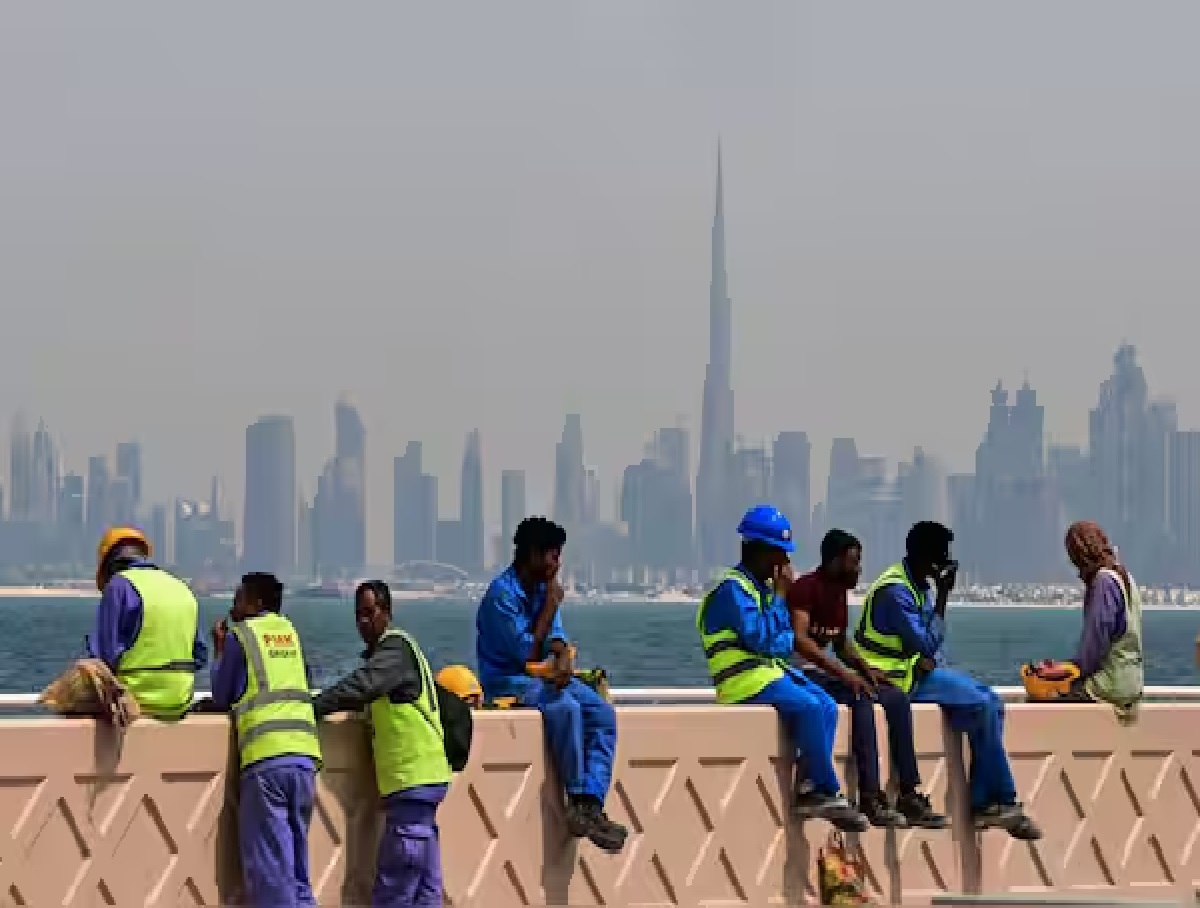
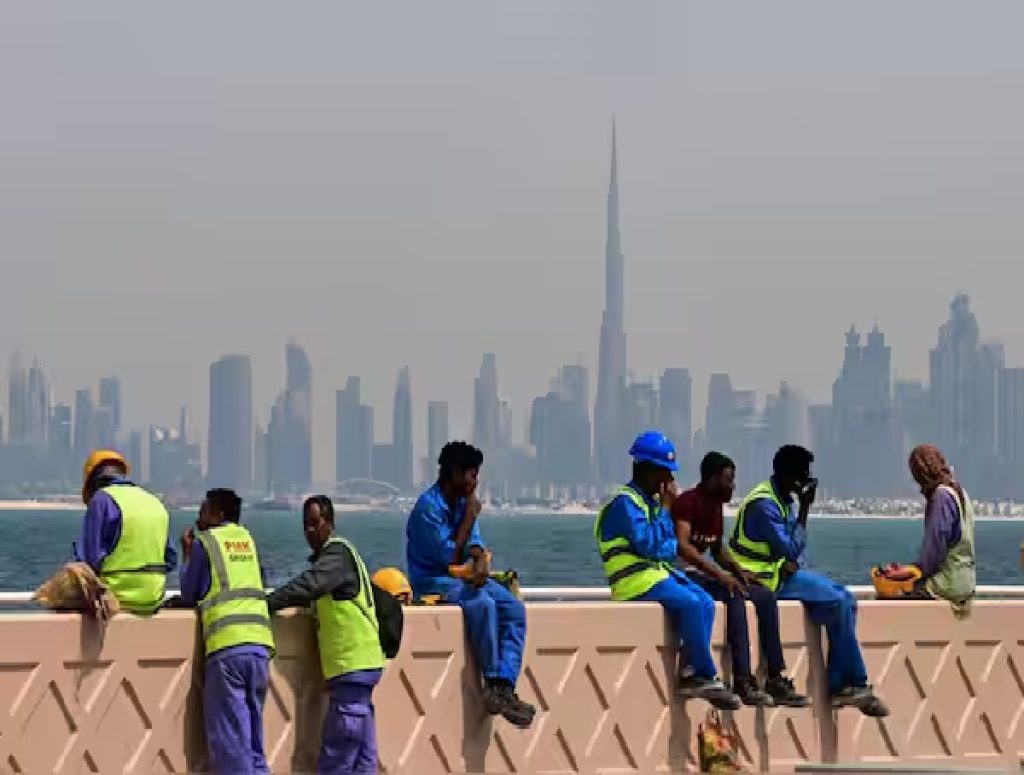
- The Gulf Slowdown: Nearly half of India’s 19 million overseas workers are in the Gulf. With the region’s economic growth expected to drop from 4.4% to just 1.3%, hiring is drying up and many workers are returning home.
- Export Hubs Hurting: Local factories making shoes, clothes, leather goods, and glassware are facing fewer international orders and higher costs, leading to hiring freezes and weak wage growth.
- The AI Factor: Back-office, customer support, and IT jobs are facing new pressure as companies increasingly turn to automation and artificial intelligence.
- The Big Picture: While India’s overall economy is still growing at around 7%, finding a high-quality job is becoming much harder for the 6 to 7 million young people entering the workforce every year.
For decades, millions of Indian families relied on a simple, dependable formula for financial security: get a job in a Gulf nation and send money back home, or find steady work in one of India’s bustling export factories making clothes, shoes, or glassware.
Today, both of those pillars are under severe pressure.
As geopolitical tensions and conflict escalate across the Middle East—specifically involving Iran and the broader region—the ripple effects are hitting home. Economists are warning of a double whammy that could make the domestic job market incredibly competitive and stressful for young job seekers.
Why the Gulf is No Longer a Guaranteed Escape Valve
India has a massive diaspora of nearly 19 million citizens living abroad, and roughly half of them live and work in Gulf countries. For generations, these workers have sent billions of dollars back to India, lifting their families into the middle class and boosting local economies.
However, the ongoing war is chilling economic activity in the Middle East. The World Bank estimates that economic growth in the Gulf region will plummet sharply to 1.3% from 4.4%.
What does this mean in plain terms?
- Fewer New Jobs: Construction, hospitality, and service sectors in the Gulf are cutting back on hiring.
- Workers Returning Home: Migrants who are returning to India are finding it incredibly difficult to secure similar-paying jobs in their hometowns, forcing them to compete in an already crowded local market.
Domestic Factories Face a Global Chill
It isn’t just overseas jobs that are at risk. Back home, manufacturing hubs in northern and western India that rely heavily on foreign orders are feeling the squeeze.
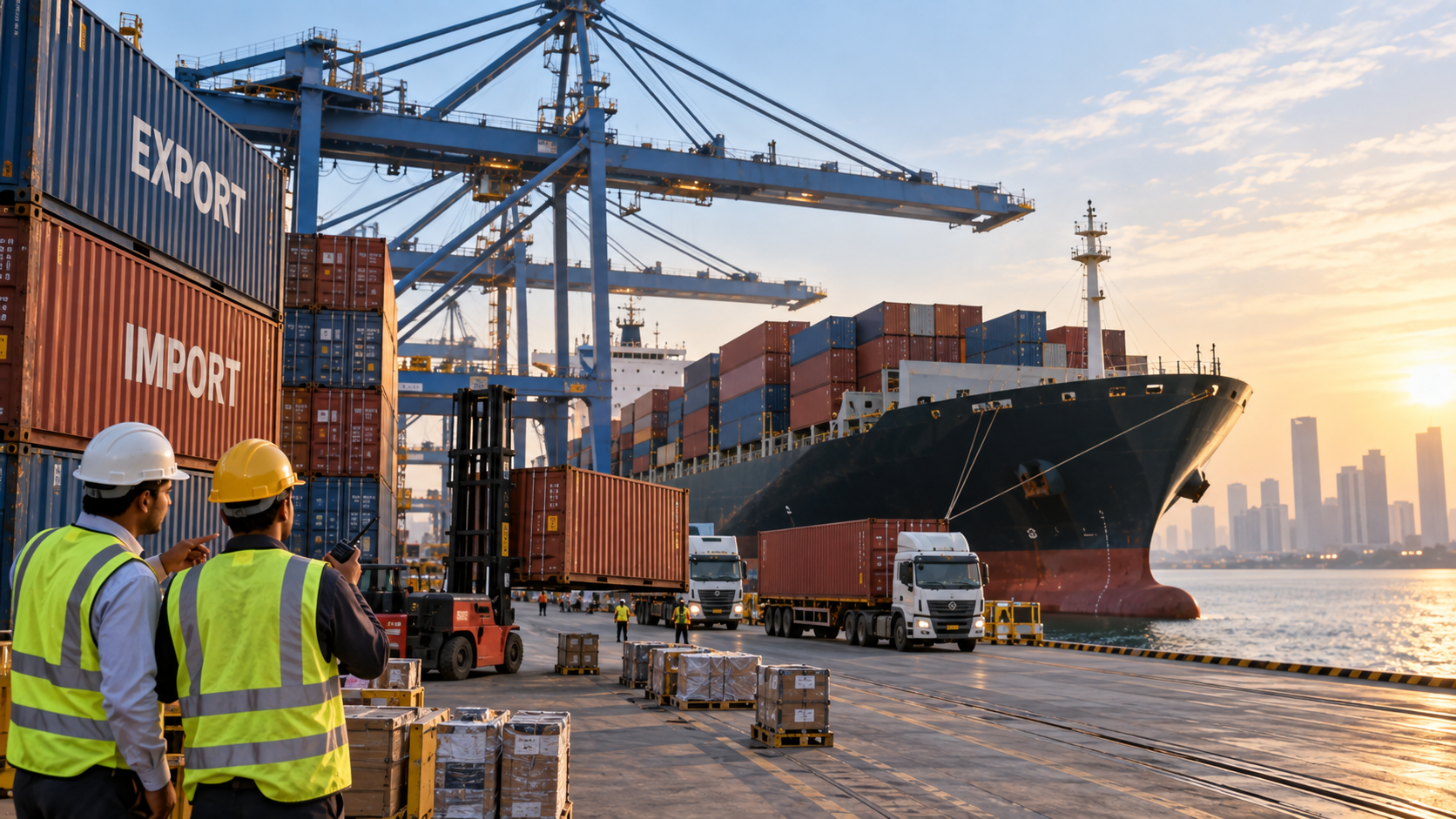
Because of the conflict and general global economic anxiety, international demand for labor-intensive goods—like footwear, garments, and leather products—has weakened. At the same time, shipping and operating costs are rising. When factory owners see their orders drop and costs rise, the first things they freeze are hiring and wage hikes.
The Invisible Pressure: AI and Automation
To make matters more complicated, India’s famous white-collar sectors are facing their own internal shift. The rapid rise of artificial intelligence (AI) and automation is beginning to reshape entry-level office jobs.
Sectors that traditionally absorbed hundreds of thousands of college graduates—like customer support, tech helpdesks, and back-office data entry—are hiring fewer people as software takes over routine tasks.
What This Means for India’s Youth
On paper, India’s economy looks strong, growing at nearly 7% a year, with urban unemployment officially sitting at a moderate 6.6%. But economists and recruiters say these “headline numbers” hide a frustrating reality on the ground.
Every single year, between 6 and 7 million young Indians enter the workforce. Right now, the economy is struggling to create enough quality jobs to absorb them. Instead of stable careers with good benefits, many are forced to take lower-paying, insecure gig work.
Experts warn that if domestic manufacturing and skills training aren’t modernized quickly to create more local jobs, the growing frustration among unemployed youth could impact consumer spending and lead to further social tensions and protests, which have already flared up in parts of northern India.