Highlights
- Peppermint farming is gaining popularity due to rising demand.
- Used in medicines, toothpaste, cosmetics and food products.
- Market price of peppermint oil ranges from ₹900–₹1,400 per kg.
- Crop matures within 90–120 days.
- Requires less water and offers good profit potential.
- Price fluctuations remain a major challenge for farmers.
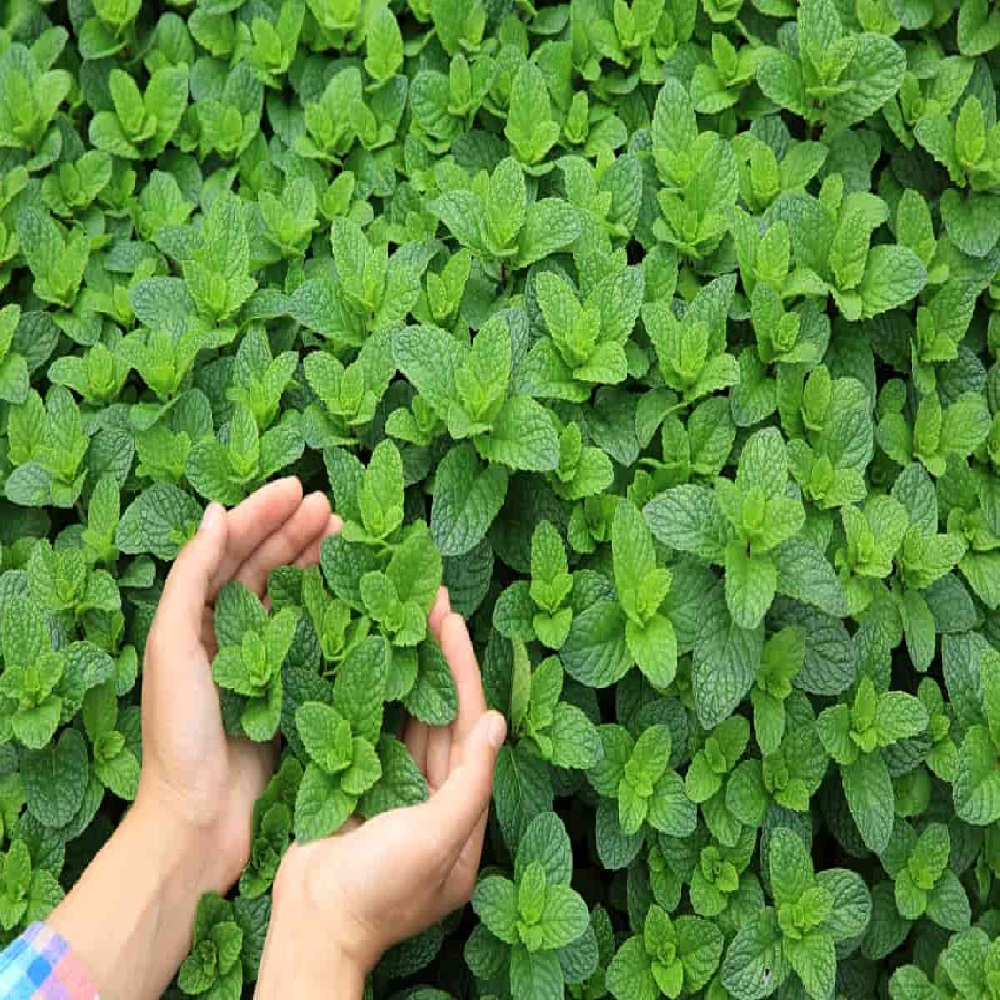
Peppermint farming is becoming increasingly popular among farmers in many parts of India due to its growing demand in the medicine, cosmetic, food and oil industries. Farmers are showing interest in peppermint cultivation because it requires less investment compared to some traditional crops and can provide good profits if managed properly.
Peppermint, also known as mint, is mainly cultivated for its oil. The oil extracted from peppermint leaves is used in products like toothpaste, cough syrups, pain balms, chewing gums, perfumes and herbal medicines. Due to the increasing use of natural and herbal products, the demand for peppermint oil has been rising in both domestic and international markets.
Good Income Opportunity for Farmers
Agriculture experts say peppermint cultivation can give better returns than many traditional crops. Farmers can earn profits from both green leaves and oil extraction. The crop usually becomes ready for harvesting within 90 to 120 days after sowing. In suitable weather conditions, farmers can even take more than one harvest in a year.
The average market price of peppermint oil generally ranges between ₹900 and ₹1,400 per kilogram depending on quality, demand and production levels. Fresh peppermint leaves are also sold in local vegetable markets and food processing industries.
Major Producing States
States like Uttar Pradesh, Punjab, Haryana and parts of Madhya Pradesh are among the major peppermint-producing regions in India. Uttar Pradesh is considered one of the leading producers due to favorable climate and soil conditions.
Benefits of Peppermint Farming
High Demand in Multiple Industries
Peppermint oil is widely used in pharmaceutical, cosmetic and food sectors, ensuring steady market demand.
Low Water Requirement
Compared to crops like paddy, peppermint requires less water, making it suitable for areas facing water shortages.
Short Duration Crop
Farmers can harvest the crop within a few months, allowing faster income generation.
Export Potential
Indian peppermint oil is also exported to several countries, creating international market opportunities.
Challenges and Risks
Despite its benefits, peppermint farming also has some risks. Market prices can fluctuate sharply due to oversupply or reduced export demand. Farmers may also face problems like pest attacks, poor oil quality and lack of proper storage facilities.
Experts advise farmers to learn proper cultivation techniques and stay updated on market trends before investing heavily in peppermint farming.