Highlights
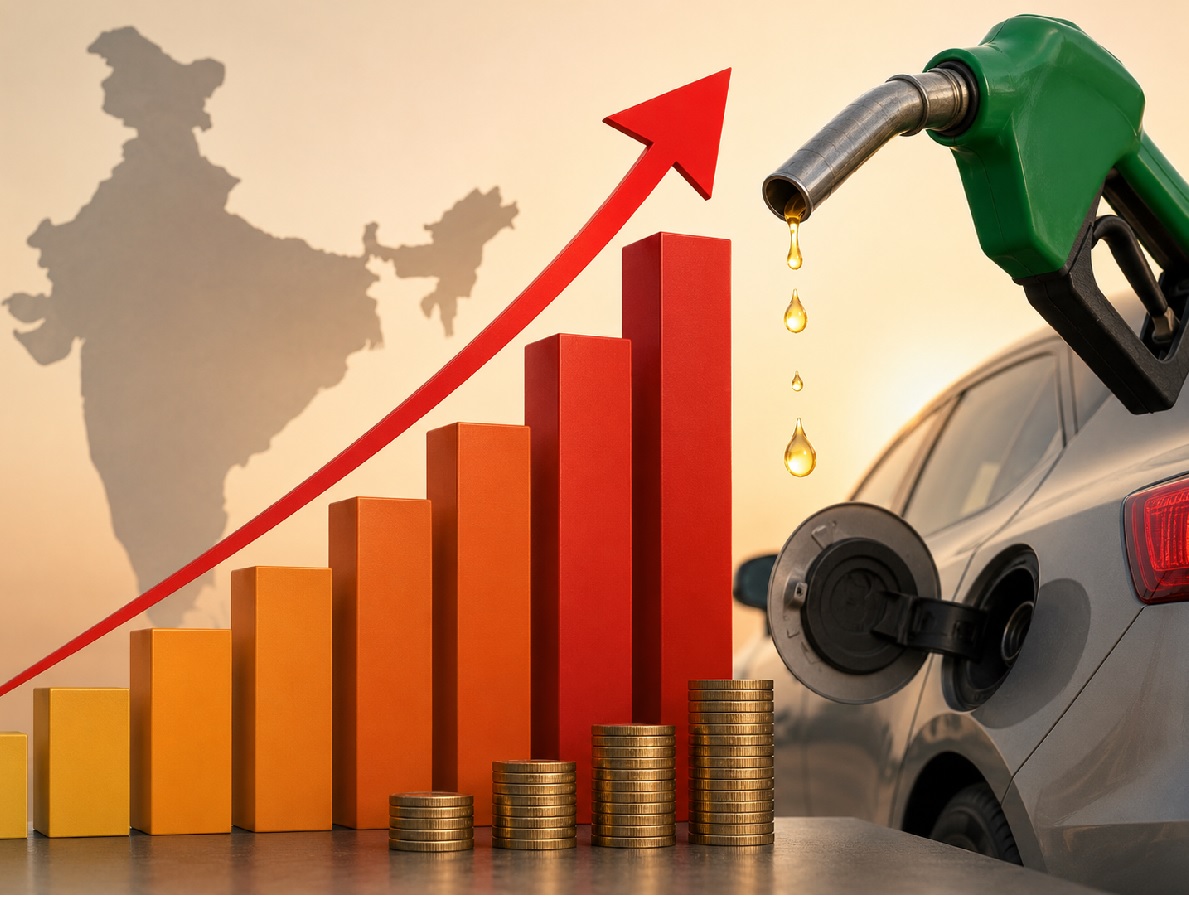
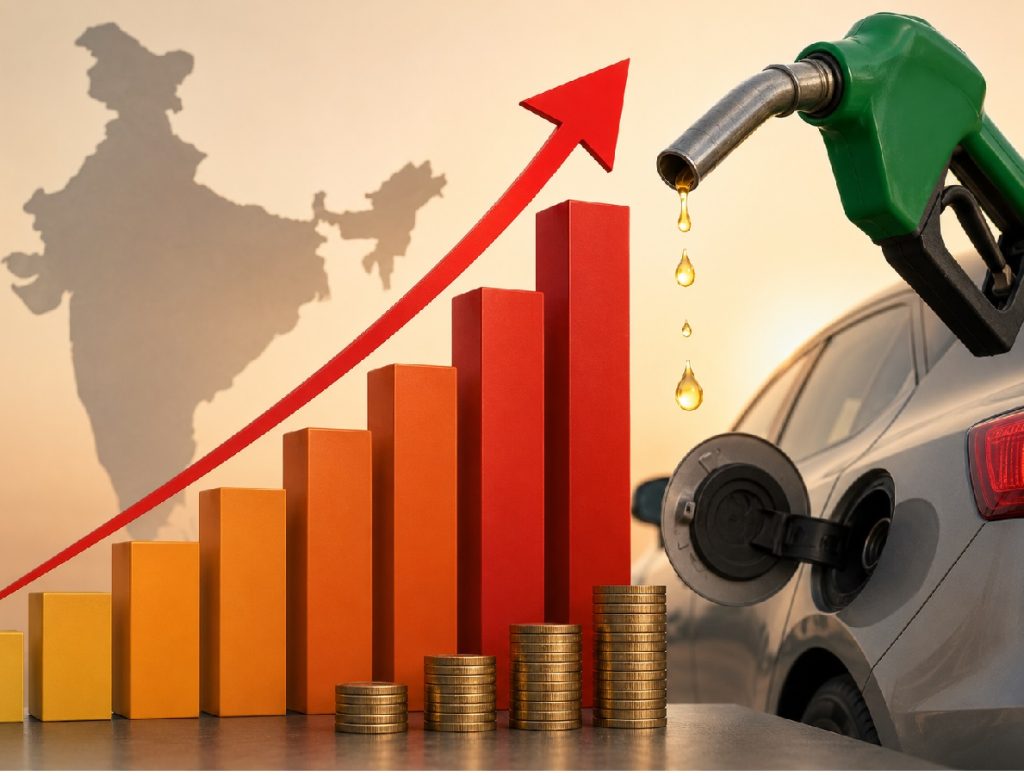
- Fourth Consecutive Hike: State-run oil marketing companies (OMCs) hiked petrol by ₹2.61 per litre and diesel by ₹2.71 per litre on Monday, marking the fourth increase in just 11 days.
- Delhi Petrol Crosses ₹100: Following the fresh revision, petrol prices in the national capital breached the ₹100-mark for the first time in four years, landing at ₹102.12 per litre.
- Massive Under-Recoveries: Despite a cumulative jump of nearly ₹7.5 per litre since May 15, state-run oil companies still face a theoretical shortfall of ₹20 to ₹33 per litre to fully recover past losses.
- Geopolitical Pressures: The ongoing West Asia crisis has pushed global crude oil benchmarks up by over 40% since February, causing state-run fuel retailers to inherit a staggering ₹1.2 lakh crore in cumulative losses.
NEW DELHI — Inflationary pressures are hitting Indian households harder than ever. Already dealing with surging prices of daily essentials, vegetables, and edible oils, consumers faced a massive blow on Monday as petrol and diesel prices were hiked steeply yet again.
This latest revision marks the fourth calculated price hike within the last 11 days, bringing the cumulative increase to approximately ₹7.50 per litre. For the first time in four years, the retail price of petrol in Delhi has breached the symbolic three-digit threshold, surging to ₹102.12 per litre, while diesel rose to ₹95.20 per litre.
The Math Behind the Hikes
The recent aggressive step-ups—enacted in tranches of roughly ₹3.00, ₹0.90, ₹0.90, and today’s massive ₹2.61–2.71 jump—come after an extended 74-day price freeze. During this freeze, state-run OMCs (IOCL, BPCL, and HPCL) absorbed heavy financial blows following the outbreak of the West Asia conflict on February 28.
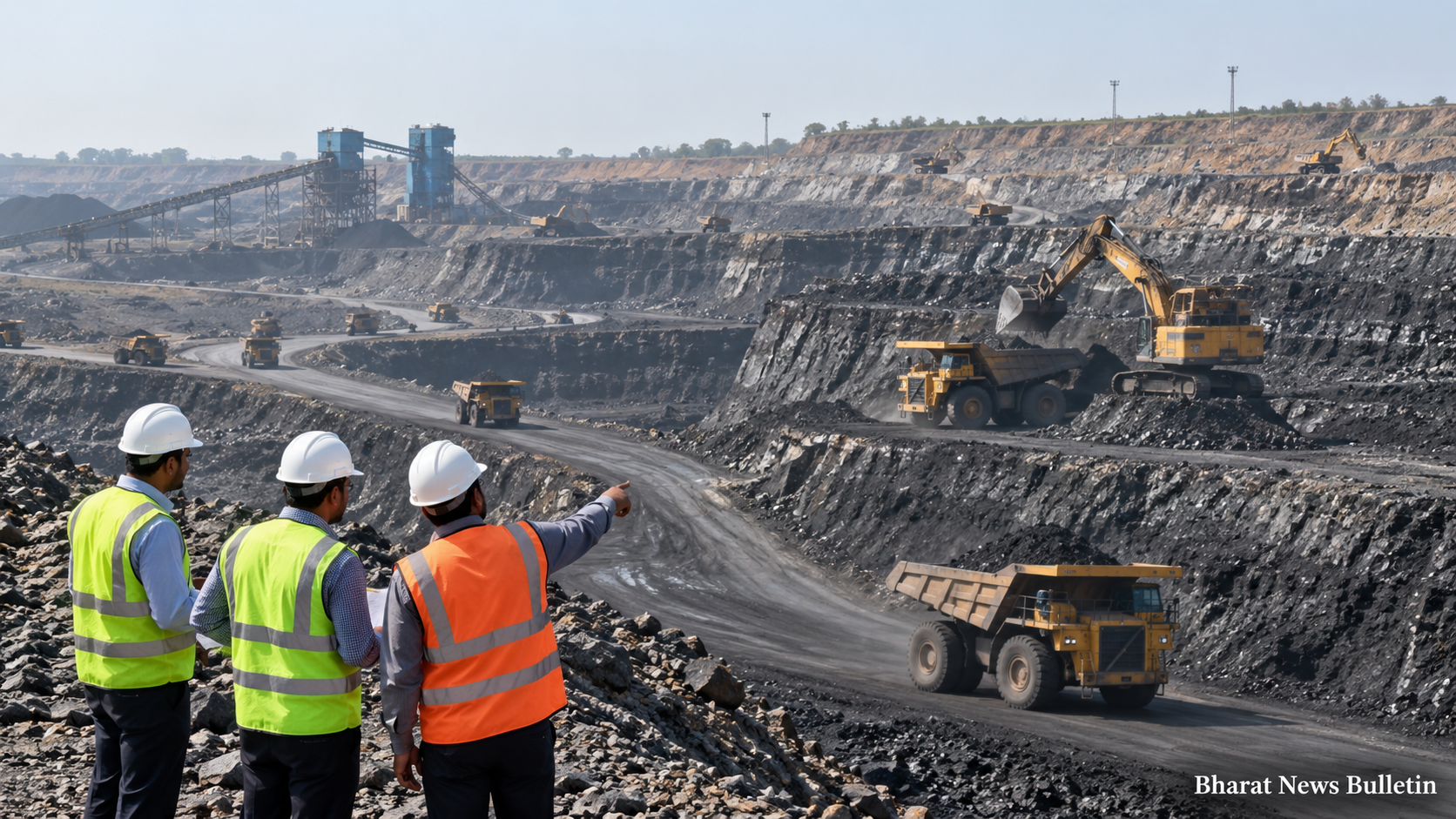
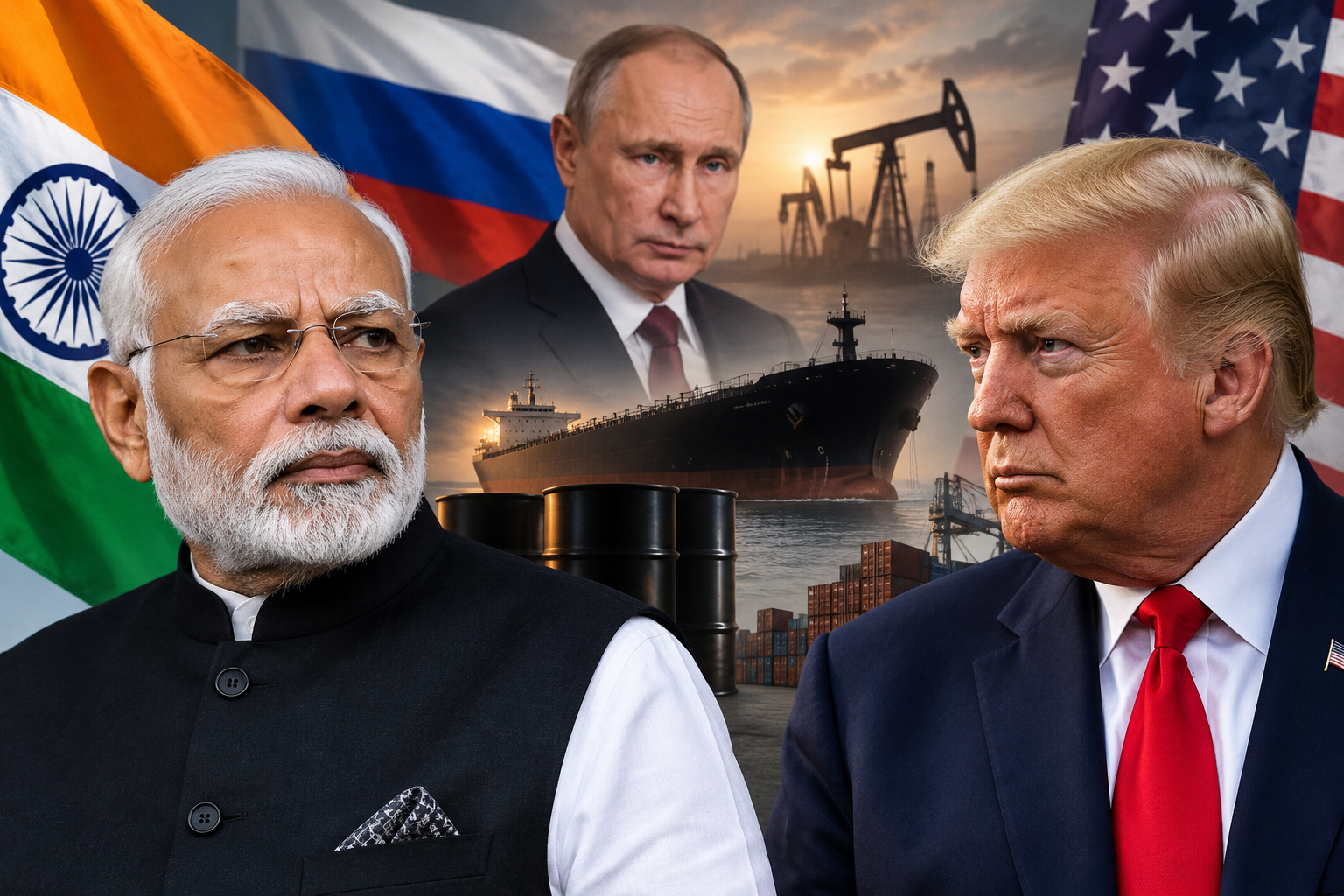
As geopolitical tensions disrupted traffic along the critical Strait of Hormuz chokepoint, Brent crude oil prices skyrocketed by over 42%, soaring past the $100 per barrel mark. Because India imports roughly 88% of its crude requirements, selling fuel at frozen domestic retail rates while importing expensive oil caused daily combined losses to peak at ₹1,600 crore, leaving a massive ₹1.2 lakh crore hole in OMC balance sheets.
Financial market experts reveal that despite the ₹7.50 retail relief, a profound pricing mismatch remains. To entirely offset past under-recoveries and restore historical marketing margins, retail prices would theoretically need to climb by an additional ₹28 to ₹33 per litre.
Will Prices Increase Again?
While a single massive price spike remains politically and economically unviable due to immediate consumer inflation concerns, energy analysts warn that staggered, incremental hikes are highly likely to continue.
However, there is a glimmer of immediate relief on the horizon. Global crude prices cooled by nearly 5% on Monday, dropping to the $99–$105 per barrel range amid fresh diplomatic hopes of an Iran-US understanding. If international crude benchmarks stabilize below $100 and the pressured Indian rupee holds firm, the intensity of future domestic fuel price shocks could ease considerably.
What Category is This Story?
This news story belongs to the Business, Economy & Finance category. Given its widespread impact on everyday household budgets and transport logistics across India, it also heavily trends under Consumer Utilities and National News, making it ideal for Google Discover audiences tracking hyper-local fuel updates.