Peace agreement set to be formally signed on June 19 as Strait of Hormuz reopens and energy markets anticipate relief.
Key Highlights
- The United States and Iran have agreed to end their four-month conflict.
- President Donald Trump announced the peace deal on June 15.
- The formal signing ceremony is scheduled for June 19 in Geneva.
- The US naval blockade on Iran will be lifted and the Strait of Hormuz reopened.
- A 14-point framework includes a ceasefire and nuclear negotiations.
- Iran could gain access to up to US$24 billion in frozen assets.
- Israel has criticised the agreement over unresolved security concerns.
- India could benefit through lower energy costs and reduced inflation pressures.
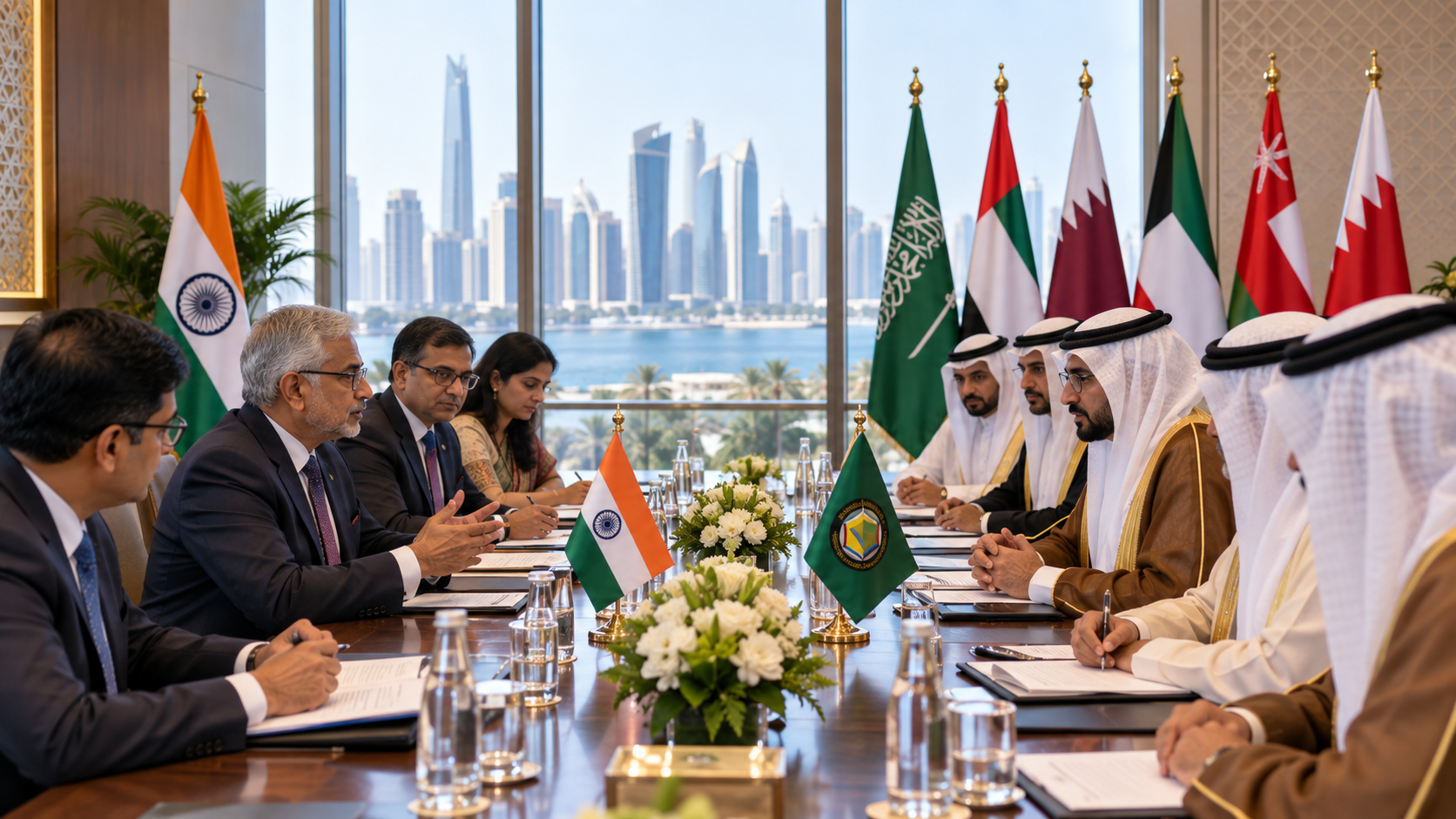
The United States and Iran have reached a landmark peace agreement aimed at ending a four-month conflict that rattled global energy markets and heightened fears of a broader regional war in the Middle East. US President Donald Trump announced on June 15 that the deal had been finalised, with the formal signing ceremony scheduled for June 19 in Geneva, Switzerland.
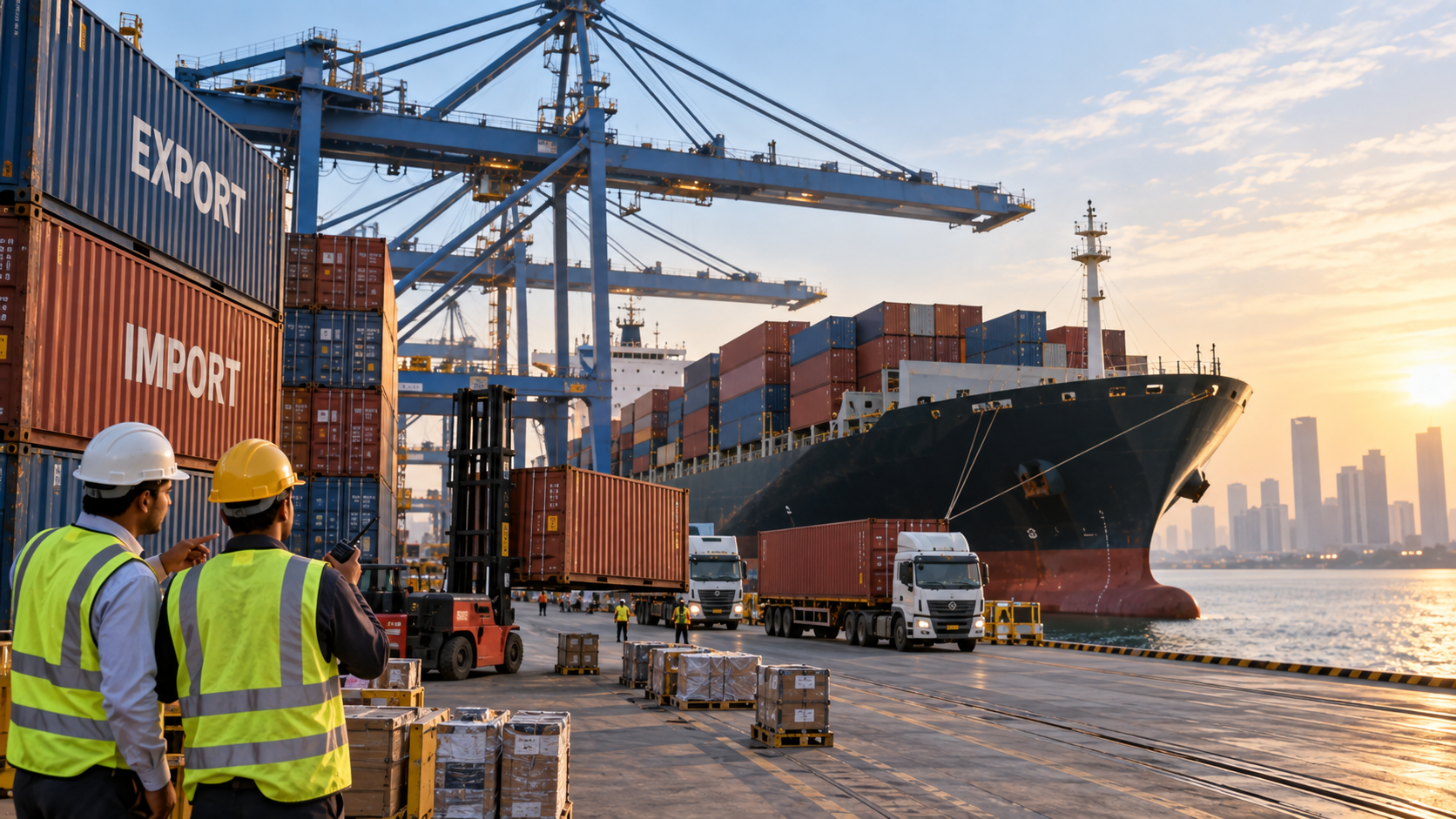
The agreement is expected to bring an immediate cessation of military operations and restore stability to one of the world’s most strategically important regions. A key provision includes the lifting of the US naval blockade on Iran and the reopening of the Strait of Hormuz, a critical maritime corridor through which nearly one-fifth of global oil trade passes. The reopening of the waterway is expected to ease supply disruptions that had driven crude oil prices above US$100 per barrel during the conflict.
According to officials involved in the negotiations, the peace framework consists of a 14-point memorandum of understanding covering multiple areas of cooperation and conflict resolution. The provisions reportedly include an immediate ceasefire, technical discussions on clearing mines from regional waterways, a 60-day framework for negotiations over Iran’s nuclear programme, and phased sanctions-related concessions.
Iran is also expected to regain access to up to US$24 billion in frozen assets, including an initial release of approximately US$12 billion before formal negotiations commence. However, some aspects of the agreement remain subject to further clarification, particularly regarding the future of Iran’s nuclear activities and regional security commitments.
The conflict began on February 28, when the United States and Israel launched coordinated military operations against Iran over concerns surrounding Tehran’s nuclear programme. The hostilities significantly disrupted global energy supplies, as shipping through the Strait of Hormuz was severely affected, triggering inflationary pressures and increasing economic uncertainty worldwide.
While Iran has portrayed the agreement as a strategic victory that compelled Washington and its allies to negotiate, the deal has drawn criticism from Israel. Israeli officials argue that the framework leaves unresolved concerns related to Iran’s missile programme, proxy groups, and broader nuclear capabilities.
For India, the peace agreement could deliver substantial economic benefits. As one of the world’s largest importers of crude oil, India faced mounting pressure from elevated energy prices during the conflict. A normalisation of oil flows through the Strait of Hormuz could help lower fuel import costs, ease inflationary pressures, support the rupee, and improve overall economic growth prospects.
Despite optimism surrounding the announcement, analysts caution that the agreement remains fragile until formally signed and implemented. The coming weeks are expected to determine whether this diplomatic breakthrough evolves into a lasting peace arrangement or merely a temporary pause in hostilities.