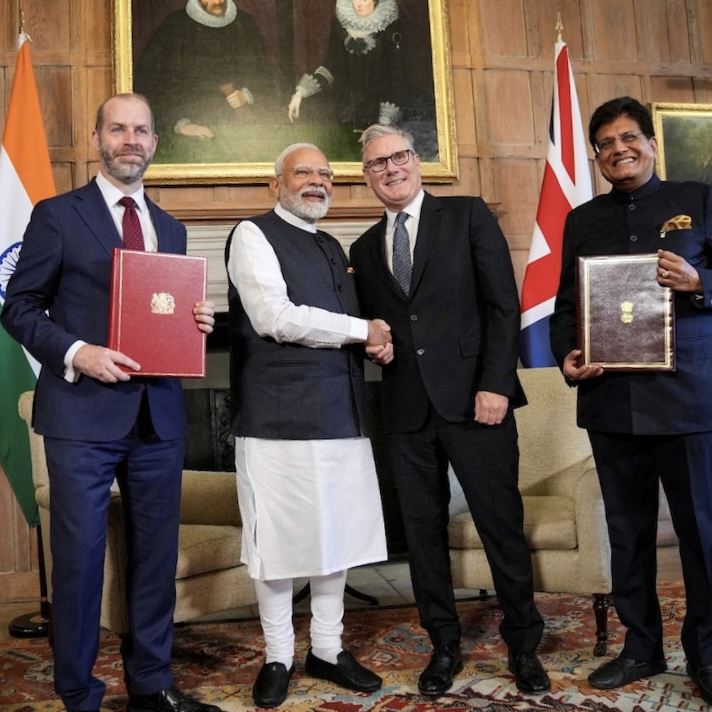
Landmark trade pact to boost Indian exports, reduce tariffs on British goods, enhance professional mobility, and create new opportunities for MSMEs, farmers, and service professionals.
Highlights:
- India-UK Comprehensive Economic and Trade Agreement (CETA) comes into force on July 15, 2026.
- Bilateral trade expected to double from $56 billion to $112 billion by 2030.
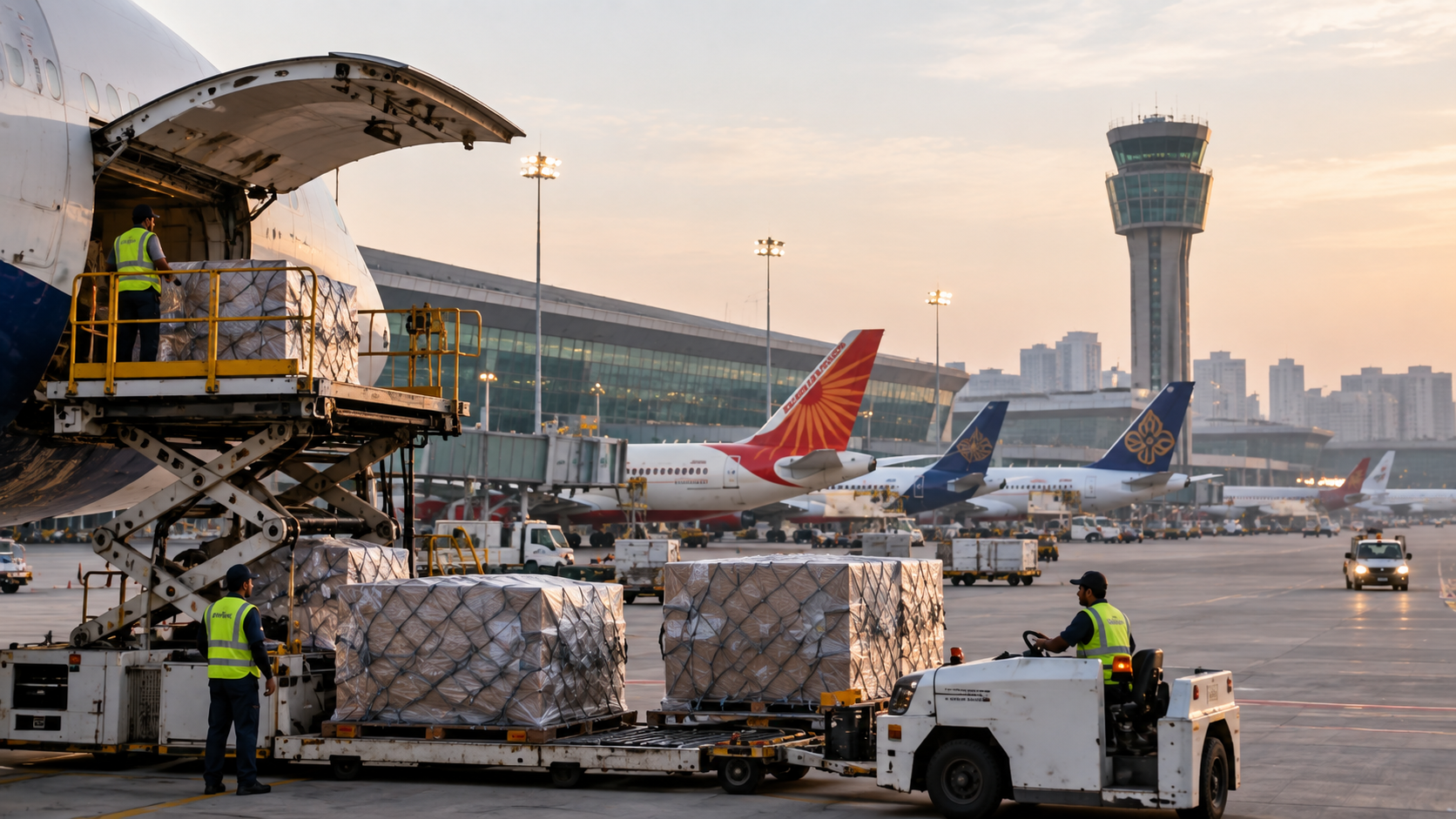
- Zero-duty access for major Indian exports including textiles, pharmaceuticals, gems & jewellery, and agricultural products.
- Tariffs on British cars, Scotch whisky, chocolates, perfumes, and medical equipment to be reduced in phases.
- Indian professionals to benefit from easier visa provisions and exemption from dual social security contributions.
New Delhi, 18 June.
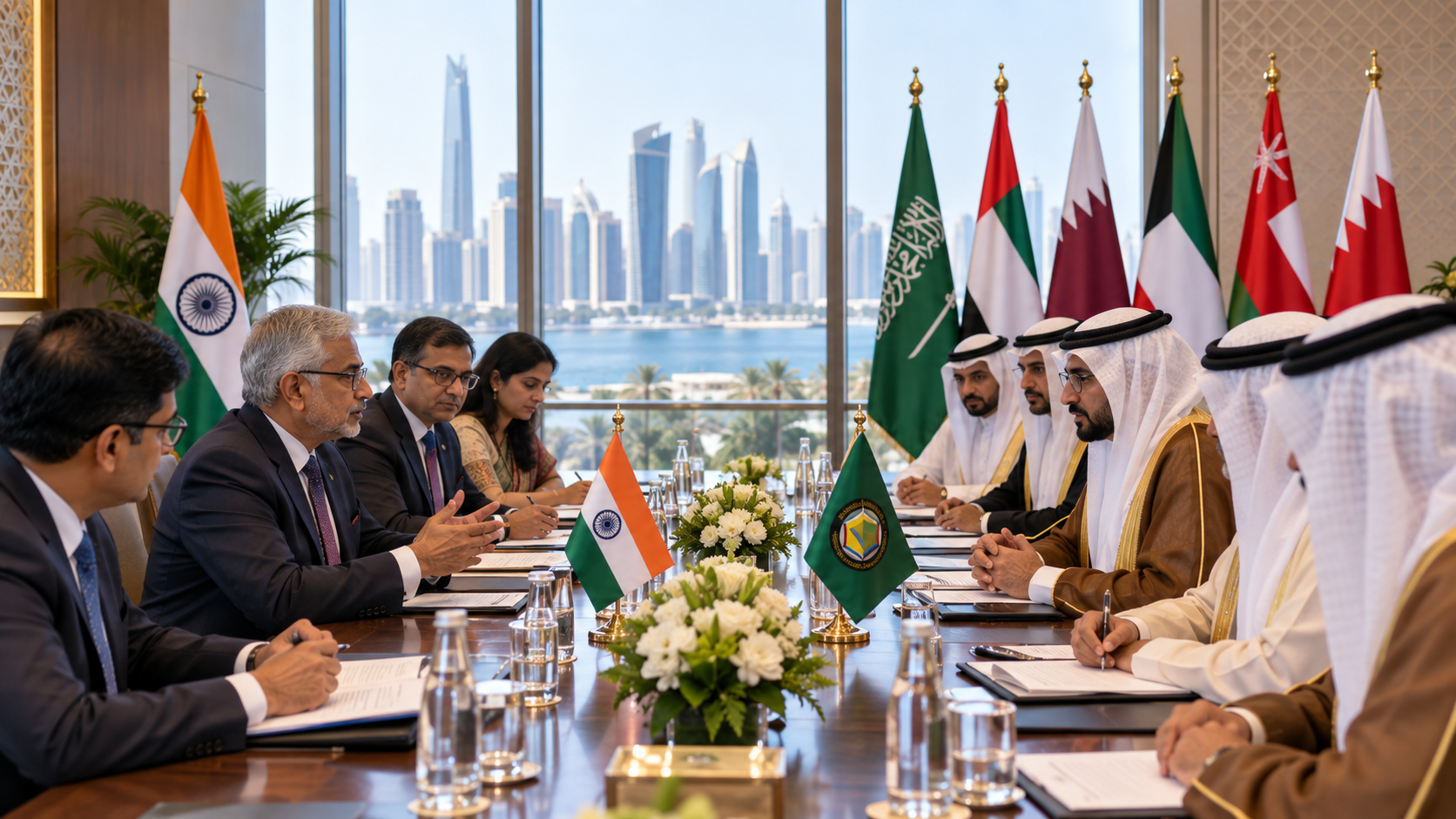
Announced by Prime Minister Narendra Modi, this landmark agreement aims to double the bilateral trade volume between the two nations from the current $56 billion to $112 billion by 2030.
This agreement marks a significant shift in trade dynamics, fostering export growth, streamlining professional mobility, and providing Indian consumers access to premium British goods.
1. Opportunities for Indian Exports
With the removal of tariffs, Indian goods will become significantly more competitive in the UK market.
- Key Growth Sectors: Textiles, leather and footwear, electronics, gems and jewelry, engineering and sports goods, toys, pharmaceuticals, and chemicals are expected to see a major boost.
- Agricultural Exports: Commodities such as tea, basmati rice, grapes, mangoes, spices, onions, makhana, litchi, and various vegetables will now enter the UK at zero duty. This will directly benefit farmers in Maharashtra, Gujarat, Punjab, Haryana, Bihar, Kerala, and the North-Eastern states.
- MSME Empowerment: Indian Micro, Small, and Medium Enterprises (MSMEs) will now be eligible to participate in UK government procurement tenders.
- Textile Advantage: With zero tariffs, Indian textile and garment items will become cheaper than those from competing nations like Bangladesh, Pakistan, and Cambodia.
2. UK Imports to India: Tariff Reductions
In a reciprocal move, India has reduced tariffs on several British products, which will be implemented in a phased manner over the next decade.
- Consumer Goods: British cars, premium liquor (Scotch whisky), chocolates, perfumes, soaps, and medical equipment will become more affordable in India.
- Automotive Policy:
- Cars > 3000cc: Tariff reduced from 110% to 30%. A quota of 10,000 units is set for the first year, with a 5% annual reduction thereafter, stabilizing at 10%.
- Cars 1500cc: Initial tariff reduced from 66% to 50%, with a quota of 20,000 units in the first year. Tariffs will decrease by 10% annually, stabilizing at 10%.
- Liquor: Tariffs on British liquor will be reduced from 150% to 75% over 10 years. In the first year of implementation, the tariff will be 110%.
- Exclusions: To protect domestic interests, no tariff concessions have been granted on dairy products, apples, oats, or edible oils.
3. Professional Mobility and Visa Provisions
CETA simplifies the movement of professionals between the two nations:
- Visa Allocations: Every year, the UK will grant visas to 1,800 Indian chefs, musicians, and yoga teachers.
- IT and Corporate Professionals: No cap has been set on the number of Indian IT workers eligible to provide services in the UK. Corporate professionals will be eligible for three-year visas, extendable as needed.
- Social Security Benefit: A major relief for Indian workers is the removal of dual social security/Provident Fund (PF) deductions. Indian workers going to the UK for up to three years will no longer face double taxation on their social security contributions, resolving a long-standing financial burden.
- Digital Services: Indian professionals will be allowed to provide services to the UK digitally.
Trade Impact: Tariff Snapshot
Source: Ministry of Commerce
| Item | Previous Tariff | Post-Agreement Tariff |
|---|---|---|
| Marine Products | Up to 20% | Zero |
| Leather & Footwear | Up to 16% | Zero |
| Textiles & Apparel | Up to 12% | Zero |
| Processed Foods | Up to 70% | Zero |
| Fruits, Vegetables, Grains | 8% – 20% | Zero |
| Electrical Machinery | Up to 14% | Zero |
| Gems & Jewelry | Up to 4% | Zero |
| Chemicals | 8% – 14% | Zero |
Editor’s Note: The India-UK CETA is a strategic milestone. By eliminating duties on labor-intensive sectors and streamlining visa regulations for professionals, the agreement provides a robust framework for long-term economic integration. The primary focus for India moving forward will be scaling production and maintaining quality standards to capitalize on these new market openings.