India-UK CETA to take effect from July 15; duty-free access for Indian exports, while British cars, liquor, chocolates, and medical equipment become cheaper in India
Highlights:
- Duty on Indian exports to Britain reduced to zero across key sectors from July 15.
- Textiles, leather, electronics, gems & jewelry, marine products, and processed foods expected to see export growth.
- Farmers to benefit from increased exports of basmati rice, fruits, vegetables, spices, and ready-to-eat foods.
- British cars, liquor, chocolates, medical equipment, and toiletries to become cheaper in India through phased tariff cuts.
- India and the UK target doubling bilateral trade from $56 billion to $112 billion by 2030 under CETA.
New Delhi. 18 june
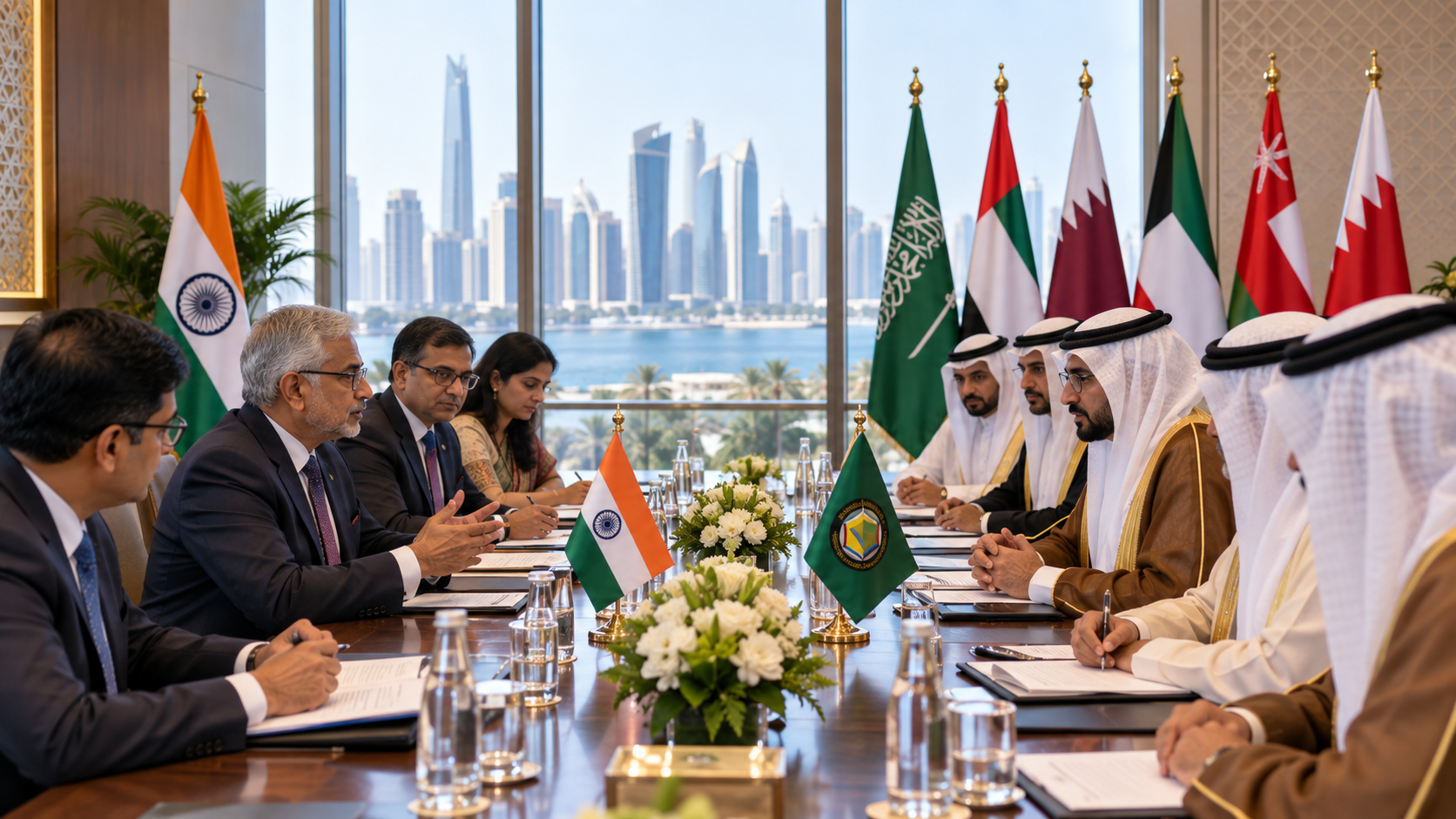
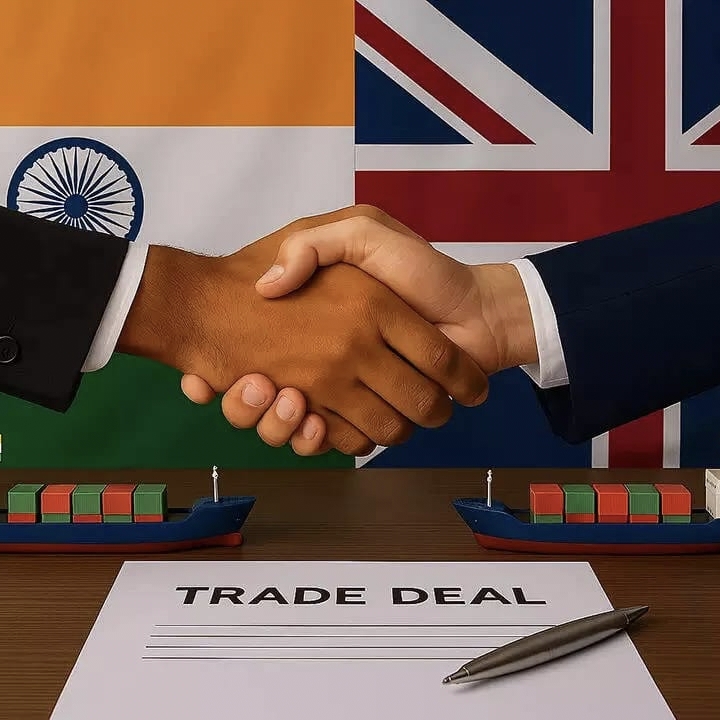
From the upcoming July 15, Indian goods will be able to be sold without duty in another developed country, Britain. Last year in July, India signed the Comprehensive Economic and Trade Agreement (CETA) with Britain, which is being implemented from July 15. Prime Minister Narendra Modi shared this information on the social media platform X
What will be the benefits?
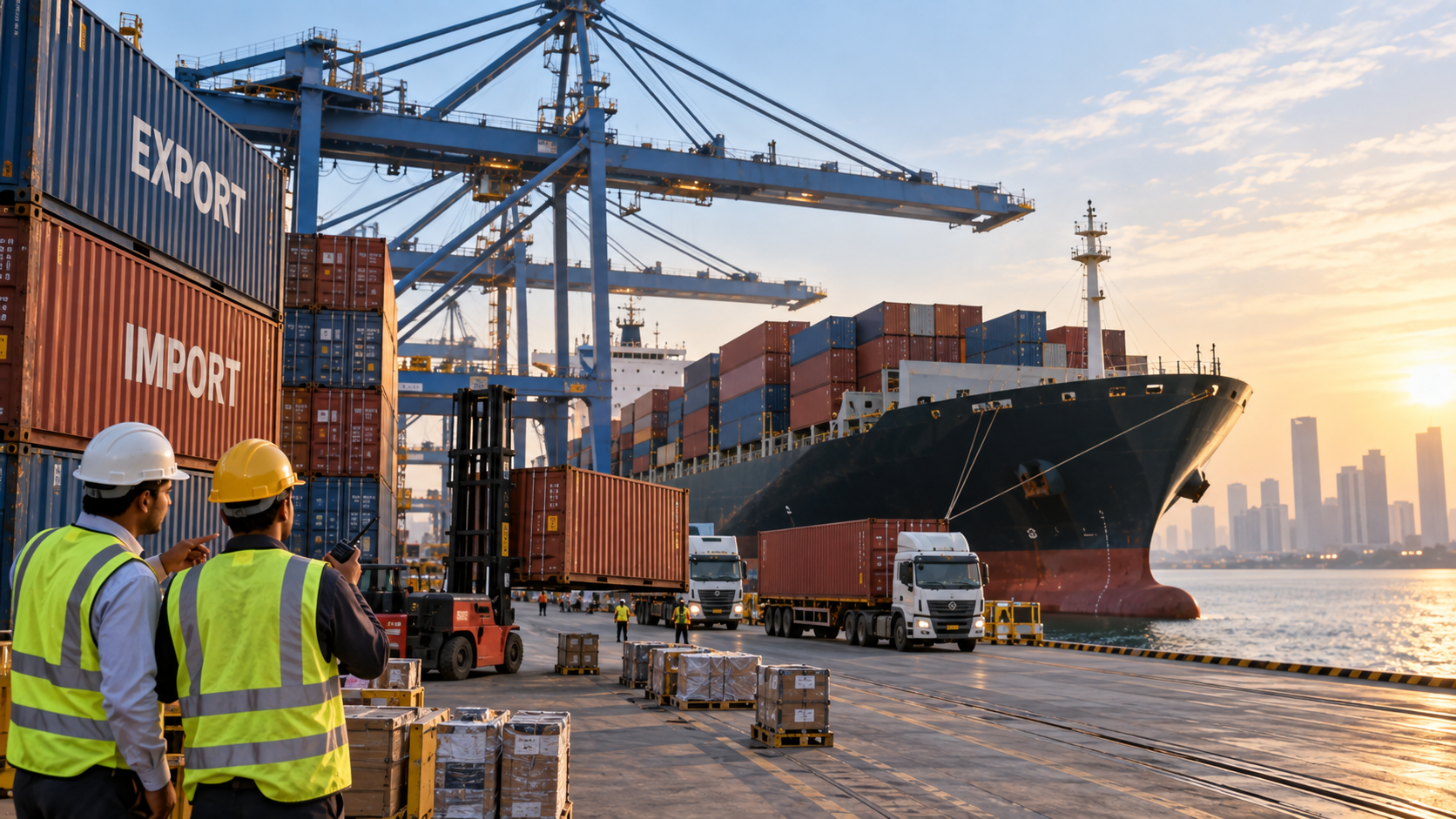
With the implementation of this agreement, exports from employment-oriented sectors like textiles, leather and footwear items, electronics, gems and jewelry, engineering and sports goods, toys, medicine, and chemicals, along with India’s agricultural products, processed food, and marine products, will increase. This is because there will now be no duty on the export of all these items in Britain. Currently, a duty ranging from 8 percent to 70 percent is levied on these items. In agricultural products, mainly fruits, vegetables, basmati rice, other grains, pickles, and ready-to-eat meals will benefit farmers as there will be no duty on their export, while MSMEs will benefit from the increase in exports from employment-oriented sectors. According to the agreement, Indian MSMEs will now also be able to participate in Britain’s government procurement. Both countries have set a target to increase their current trade of $56 billion to $112 billion by 2030 under CETA.
With the abolition of duties, there will be a huge increase in the export of various items from India like tea, basmati rice, grapes, mangoes, spices, onions, fox nuts (makhana), litchi, and vegetables. Opening the path for the export of agricultural products will benefit the economies of states like Maharashtra, Gujarat, Punjab, Haryana, Bihar, Kerala, and several northeastern states.
On the other hand, from the upcoming July 15, both British cars and liquor will be available in India at lower prices than before. The duty levied on these items has been reduced. The reduction will be on a phased annual basis. Apart from this, duties have also been exempted on British medical equipment, spacecraft-related parts, chocolates, toiletries, and many food items. Except for cars and liquor, the average duty on other items was 15 percent, which will now remain at up to 3 percent. No duty exemption has been given on the import of dairy products, apples, oats, and edible oils. Currently, Britain exports $8.6 billion to India, and 94 percent of these items are subject to duty. British salmon, lamb, aircraft parts, machinery, and electronics will also become cheaper in the Indian market. Duties on toiletries like chocolates, auto parts, automobiles, soaps, and perfumes will be reduced in a phased manner over 10 years.
How textile will take lead in the UK market
According to the Ministry of Commerce, Britain currently imports textiles and garments worth $27 billion annually, and India’s share in this is only $1.79 billion. With the trade agreement, Indian textile items will become cheaper in the British market compared to countries like Bangladesh, Pakistan, and Cambodia, which will increase our exports. Britain currently imports the most electronics items from China and Vietnam, but with zero duty, the export of electronics will also increase. There is full scope to increase gems and jewelry exports to Britain. Britain imports jewelry worth $3 billion annually, while India exports jewelry worth only $400 million annually to Britain. With the abolition of duties, this export could double in the next two to three years.
Due to high duties, India was exporting very few agricultural products to the British market. Britain imports agricultural products and other food items worth $37.52 billion annually, and India’s share in this is only $810 million. Now, with the abolition of duties, there will be a huge increase in the export of various items from India such as tea, basmati rice, grapes, mangoes, spices, onions, fox nuts, litchi, and vegetables. Opening the path for the export of agricultural products will benefit the economies of several states including Maharashtra, Gujarat, Punjab, Haryana, Bihar, Kerala, and the North East.
Similarly, Britain imports marine products worth $5.4 billion annually, and India’s share in this is only 2.25 percent. Now, with the abolition of duties, the path for the export of marine products to Britain will be cleared, which will benefit states like Andhra Pradesh, Tamil Nadu, Gujarat, Kerala, and Odisha. Along with marine products, there is also a huge potential for processed food exports to Britain. Britain imports processed food worth $50 billion annually, and India’s share in this is only $310 million.
Tariffs on goods in the UK market before and after the trade agreement
| Item | Current Duty | Duty after Agreement |
|---|---|---|
| Marine Products | Up to 20% | Zero |
| Leather Footwear | Up to 16% | Zero |
| Textiles & Other Clothing | Up to 12% | Zero |
| Processed Foods | Up to 70% | Zero |
| Fruits, Vegetables, Grains | 8-20% | Zero |
| Electrical Machinery | Up to 14% | Zero |
| Gems & Jewelry | Up to 4% | Zero |
| Chemicals | 8-14% | Zero |
| Source: Ministry of Commerce |
Farmers, fishermen, and small entrepreneurs will get trade benefits
India-UK Trade Agreement
Export of employment-oriented sectors and agricultural products will increase
**Opportunity to increase export of products from all states to Britain
Taking another step towards a trade agreement with developed countries, India signed the Comprehensive Economic and Trade Agreement (CETA) with Britain on Thursday. This agreement will lead to a massive increase in the exports of India’s agricultural products, processed food, and marine products, along with employment-oriented sectors such as textiles, leather and footwear items, electronics, gems and jewelry, engineering and sports goods, toys, medicines, and chemicals. This is because there will now be no duty on the export of all these items in Britain. Until now, a duty ranging from 8 percent to 70 percent was levied on these items. Farmers will benefit from the zero duty on the export of mainly fruits, vegetables, basmati rice, other grains, pickles, and ready-to-eat food, while MSMEs will benefit from the increase in exports from employment-oriented sectors. According to the agreement, Indian MSMEs will now also be able to participate in Britain’s government procurement. Both countries have set a target of taking their current trade of $56 billion to $112 billion by 2030 under CETA. The implementation of CETA is expected to take place over the next one year.
Chocolates and toiletries will also be at lower prices
**No exemption on dairy, apples, oats, and edible oil
With the trade agreement between India and Britain, both British cars and liquor will now be available at lower prices than before. India has decided to reduce the duty levied on these items. However, this reduction will be on a phased annual basis. Apart from this, duties have also been exempted on British medical equipment, spacecraft-related parts, chocolates, toiletries, and many food items. Except for cars and liquor, the average duty on other items was 15 percent, which will now remain at up to 3 percent. However, no exemption has been given by India on the import of dairy products, apples, oats, and edible oil. Currently, Britain exports $8.6 billion to India, and 94 percent of these items are subject to duty. As soon as the trade agreement is implemented, salmon, lamb, aircraft parts, machinery, and electronics will be exempted from duty. At the same time, duties on toiletries like chocolates, auto parts, automobiles, soaps, and perfumes will be reduced in a phased manner over 10 years.
A quota has been fixed for duty exemption on the import of passenger cars. The duty on the import of petrol cars with a capacity above 3000cc is currently 110 percent, which has now been reduced to 30 percent. In the first year, 10,000 cars of this capacity will be able to be imported at this rate. The duty will be reduced by 5 percent every year, which will stabilize at 10 percent. The import quota will also increase every year. 20,000 cars with a 1500cc capacity will be imported in the first year, and a duty of 50 percent instead of 66 percent will be levied on them. From the second year onwards, their duty will be reduced by 10 percent every year, which will stabilize at 10 percent. The same formula has been applied for the import of hybrid cars. Similarly, a duty of 150 percent is currently levied on British liquor, which will be brought down to 75 percent in 10 years. In the first year of implementation of the trade agreement, a duty of 110 percent will be levied on British liquor. Anant S. Iyer, Director General of the Confederation of Indian Alcoholic Beverage Companies (CIABC), said that we hope the government will ensure that Scotch whisky and other spirits are not dumped in India at low import prices. This will affect the sale of expensive Indian brand liquor.
Apart from all this, India has also decided to give Britain an opportunity to participate in India’s government procurement. British companies will be able to participate in tenders for government procurement. Opportunities will also be given to British professionals in the service sector.
Britain opens doors for young professionals, chefs, yoga teachers
Jagran Bureau, New Delhi.
The signing of the Comprehensive Economic and Trade Agreement (CETA) between India and Britain will not only benefit Indian farmers and MSMEs. India’s young professionals and those working on contract will also get an opportunity to work in Britain. They will get a work visa according to their qualifications. Britain will also give visas to 1800 chefs, musicians, and yoga teachers from India every year. Indian professionals will also be able to provide their services in Britain digitally. This will benefit youths associated with the IT and financial sectors. The biggest thing is that no conditions of any kind will be imposed on giving visas to Indian professionals working on contract.
Through CETA between the two countries, professionals associated with communication, environment, academic, finance, health, social, tourism, entertainment, construction, and transport services will get an opportunity to work in Britain. Those providing services on contract will be able to provide their services there for any 12 months within 24 months. The same rule will also apply to independent professionals. People associated with the corporate world will be given visas for three years and more time if needed. No limit has been placed on the number of Indian workers to provide services in the IT sector. This means that any number of IT workers will be able to go to Britain. Yoga teachers, musicians, and chefs will also be able to go to Britain to work temporarily for one year. After the implementation of CETA, both countries will select some such professions in the next year whose professionals will be able to provide their services in both countries. Workers going from India for three years will now no longer have to suffer financial losses in the name of social security. Currently, if any company sends an Indian worker to Britain, then in the name of social security, the provident fund (PF) amount is deducted in Britain along with India. But the worker is unable to get back the amount deducted in Britain. Now, there will be no deduction in the name of social security from employees going to Britain for three years. Along with Britain, India has also agreed to give British professionals an opportunity to work in India. However, the legal profession has not been included in this.