
Isha Ambani said Reliance Consumer Products aims to reach ₹1 lakh crore in revenue by FY2030 while expanding its FMCG footprint in India and overseas markets.
Key Highlights:
- RCPL targets ₹1 lakh crore revenue by FY2030.
- FMCG business generated ₹22,000 crore gross revenue in FY2026.
- Campa crossed ₹4,700 crore in gross sales.
- Reliance Retail surpassed 20,000 stores nationwide.
- JioMart now serves over 1,200 cities through 3,100+ stores.
- Reliance plans ₹30,000 crore investment in integrated food parks.
News Story:
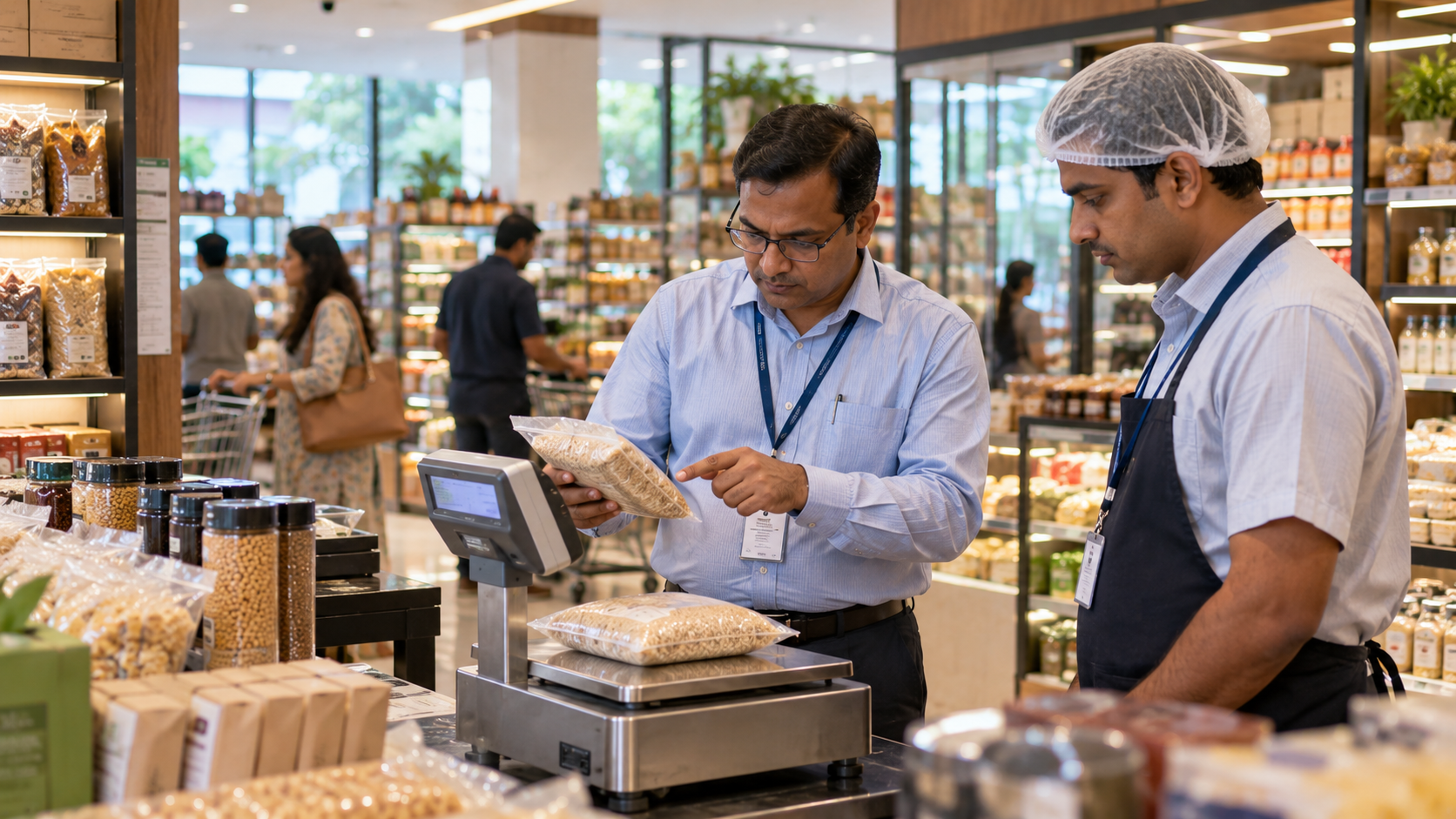
Mumbai, June 19: Reliance Consumer Products Limited (RCPL) has set an ambitious target of achieving ₹1 lakh crore in revenue by FY2030, according to Reliance Retail Director Isha Ambani. Speaking at Reliance Industries’ 49th Annual General Meeting, she said the company aims to become one of India’s largest FMCG players while building a strong global consumer products platform.
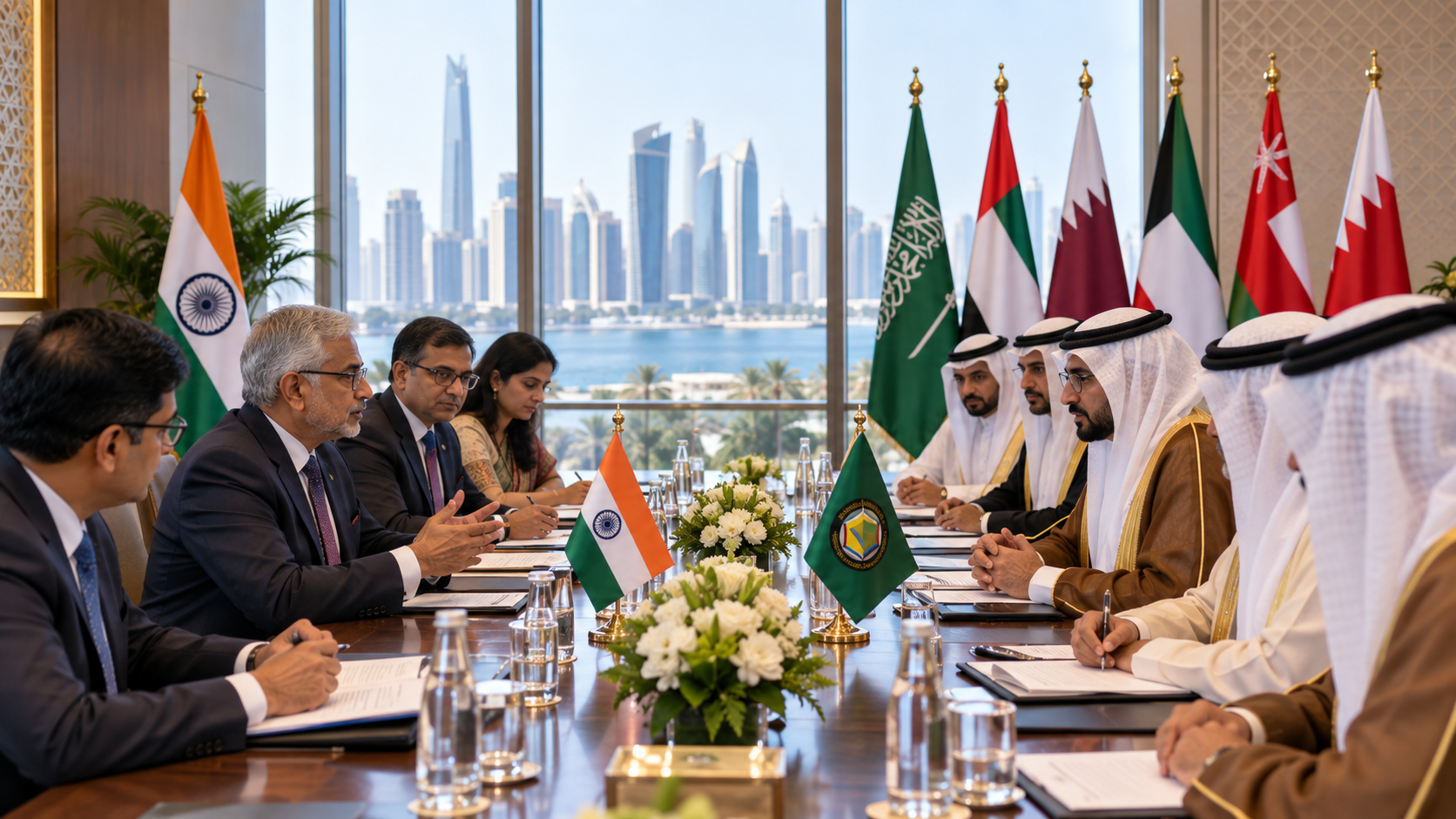
RCPL reported gross revenue of ₹22,000 crore in FY2026 and has expanded its presence to more than 40 countries through exports and franchise operations. The company highlighted the rapid growth of its consumer brands, particularly Campa, which recorded gross sales exceeding ₹4,700 crore during the year and has emerged as India’s fourth-largest carbonated soft drink brand, gaining double-digit market share in several key regions.
Reliance Retail also continued its strong expansion, crossing the milestone of 20,000 stores during the fourth quarter of FY2026. The retail business reported gross revenue of ₹3.7 lakh crore, reflecting annual growth of 11.8 percent. Meanwhile, JioMart has become one of India’s largest quick-commerce networks, serving more than 1,200 cities and over 5,100 pin codes through a network of 3,100-plus stores.
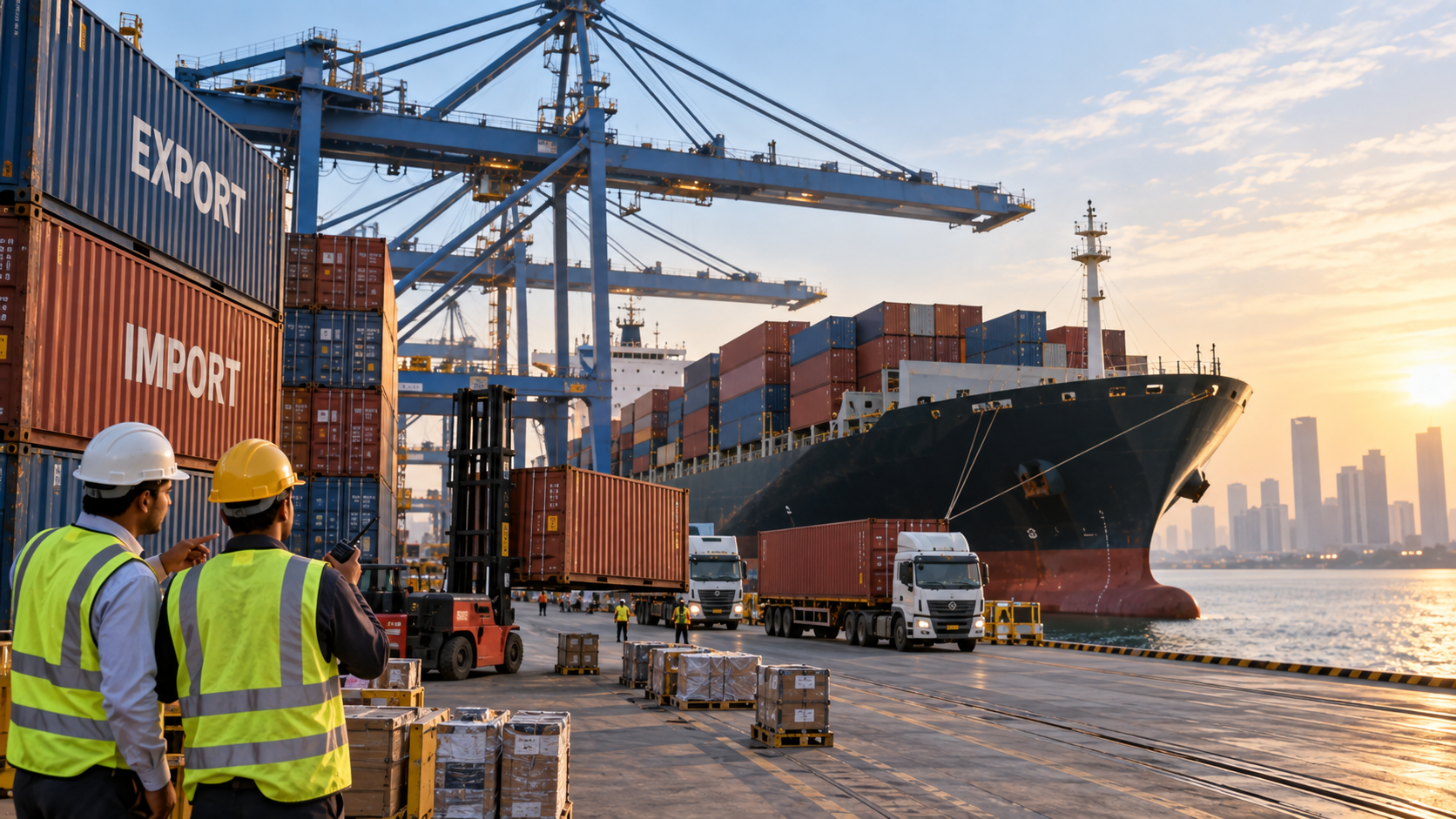
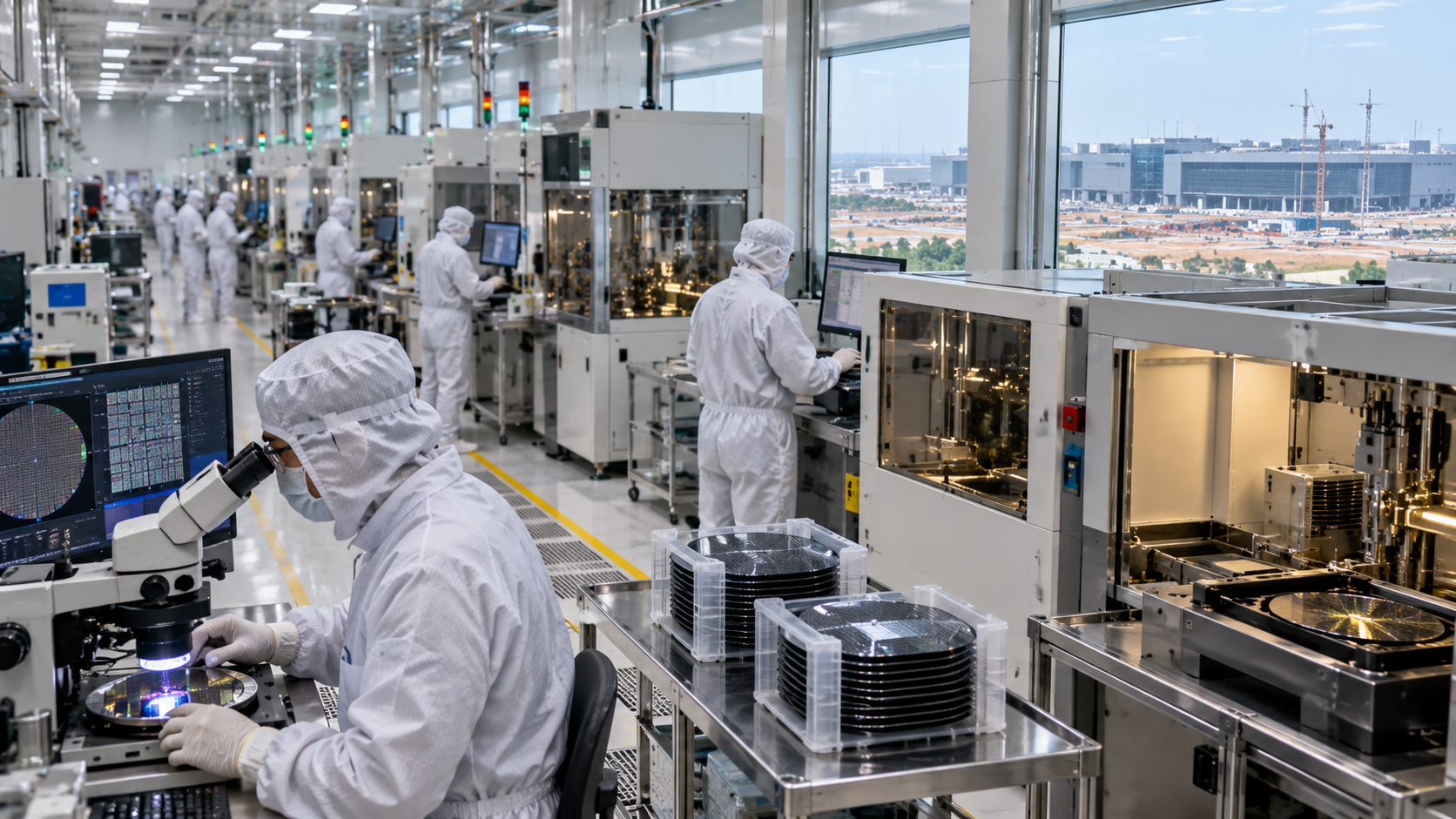
The company is now focusing on integrating its consumer business with manufacturing and exports. Reliance plans to expand production capabilities across beverages, food products, garments and affordable electronics. As part of this strategy, the company will invest an additional ₹30,000 crore over the next three years to build a network of integrated food parks aimed at strengthening supply chains, supporting farmers and boosting domestic manufacturing.