The US has temporarily eased sanctions on Iranian oil exports, a move that could help India access additional crude supplies and benefit from lower global oil prices
Key Highlights:
- US grants a 60-day waiver for Iranian oil transactions until August 21.
- Decision follows Iran’s agreement to allow international nuclear inspections.
- Additional Iranian oil supply could ease pressure on global crude prices.
- India may gain access to another major source of crude imports.
- Lower oil prices could help reduce India’s import bill and inflation.
- Strait of Hormuz stability may improve energy supply security.
News Story:
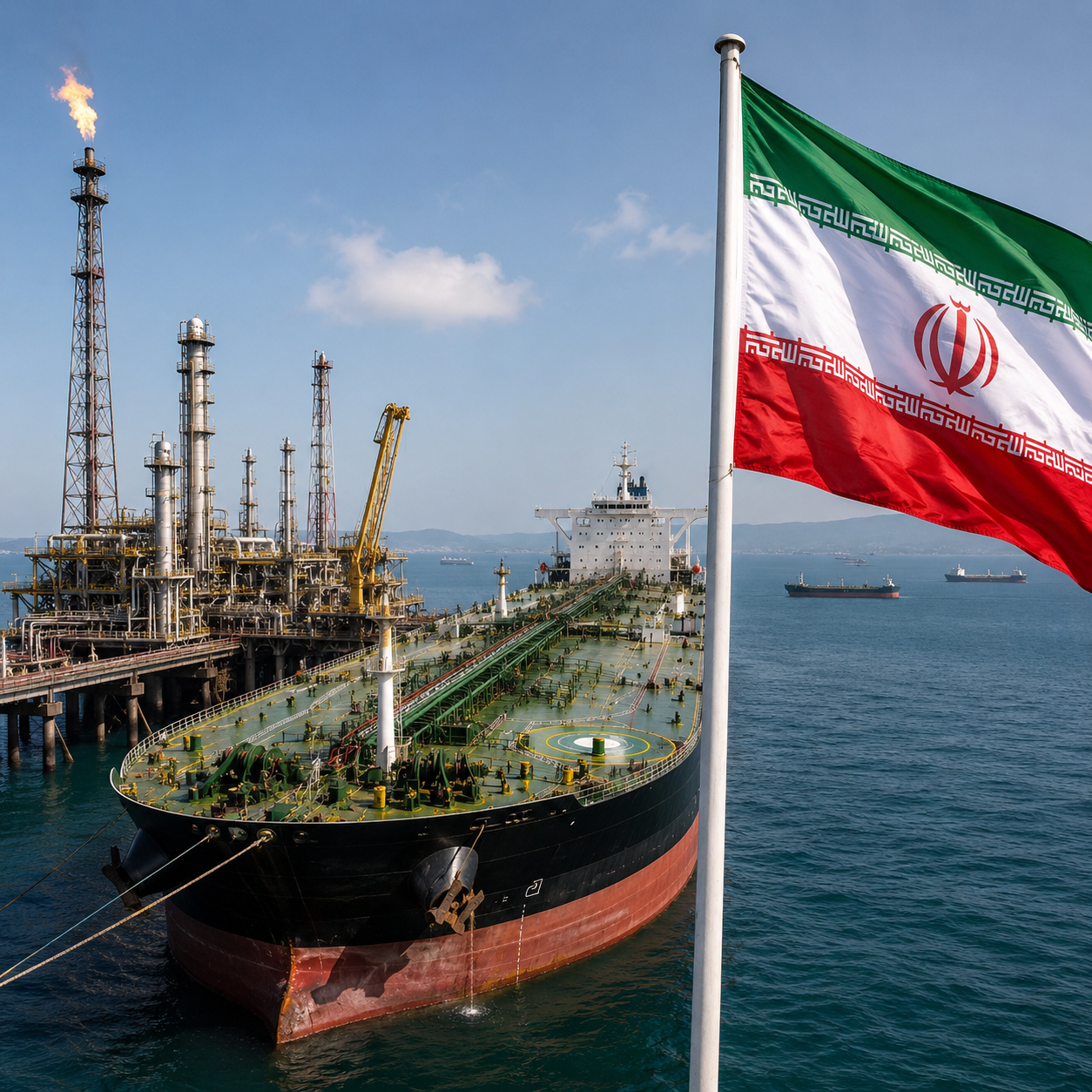
New Delhi, June 23: The United States has announced a temporary easing of sanctions on Iranian oil exports, allowing the production, sale, transportation and import of Iranian crude and petroleum products for a 60-day period ending August 21, 2026. The decision comes as part of broader diplomatic efforts following Iran’s agreement to permit inspections by the International Atomic Energy Agency (IAEA).
The move is being viewed as a significant development for global energy markets. Traders reacted quickly to the announcement, with crude oil prices declining on expectations of additional supply entering the market. The temporary waiver also covers related services such as shipping, insurance and banking, making oil transactions easier during the approved period.
For India, one of the world’s largest crude oil importers, the development could offer both direct and indirect benefits. Before US sanctions were reimposed in 2018, Iran was among India’s key oil suppliers due to its competitive pricing and favorable trade terms. While Indian refiners may not immediately resume large-scale purchases, the possibility of Iranian crude returning to international markets strengthens India’s options for sourcing energy.
India currently imports nearly 85 percent of its crude oil requirements and remains highly sensitive to global price fluctuations. Additional supply from Iran could help keep international oil prices under control, reducing pressure on India’s import bill, inflation and fuel costs. The development may also improve India’s bargaining power with existing suppliers.
Another important factor is the Strait of Hormuz, a critical shipping route through which a large share of India’s oil imports passes. The latest US-Iran understanding includes commitments aimed at ensuring safe maritime movement in the region. Reduced geopolitical tensions around the waterway could improve energy security and lower the risk of supply disruptions.
Energy analysts believe that if diplomatic negotiations continue positively and sanctions are eased further, Iran could gradually regain its position as a major oil exporter. Such a scenario would increase global crude availability and potentially create long-term advantages for large importing nations like India.