Government plans a subsidy-backed framework to bridge the cost gap between green and grey ammonia, making domestic green urea production commercially viable.
Highlights:
- Government explores subsidy to make green urea production competitive.
- SECI may procure green ammonia and supply it to fertilizer companies at grey ammonia prices.
- ₹19,744 crore green energy infrastructure support proposed under the roadmap.
- India imports nearly 10 million tonnes of urea annually, while several domestic plants are over 30 years old.
- Strong industry participation signals growing interest in setting up green urea plants.
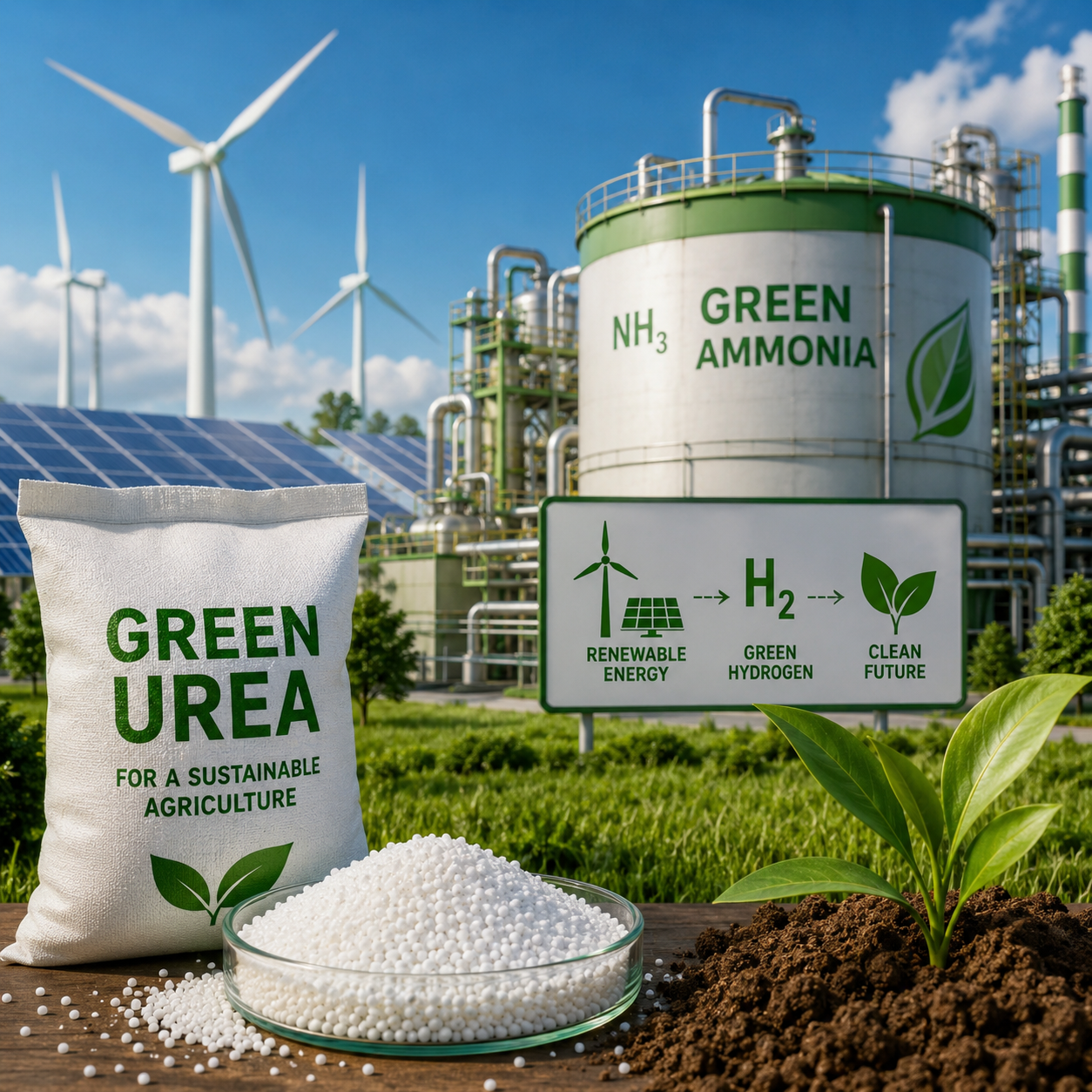
The Government of India is working on an ambitious plan to accelerate domestic green urea production by addressing one of the industry’s biggest challenges—the high cost of green ammonia. To make green urea commercially viable, the government is evaluating multiple support mechanisms, including subsidies that would bridge the cost difference between green and conventional grey ammonia.
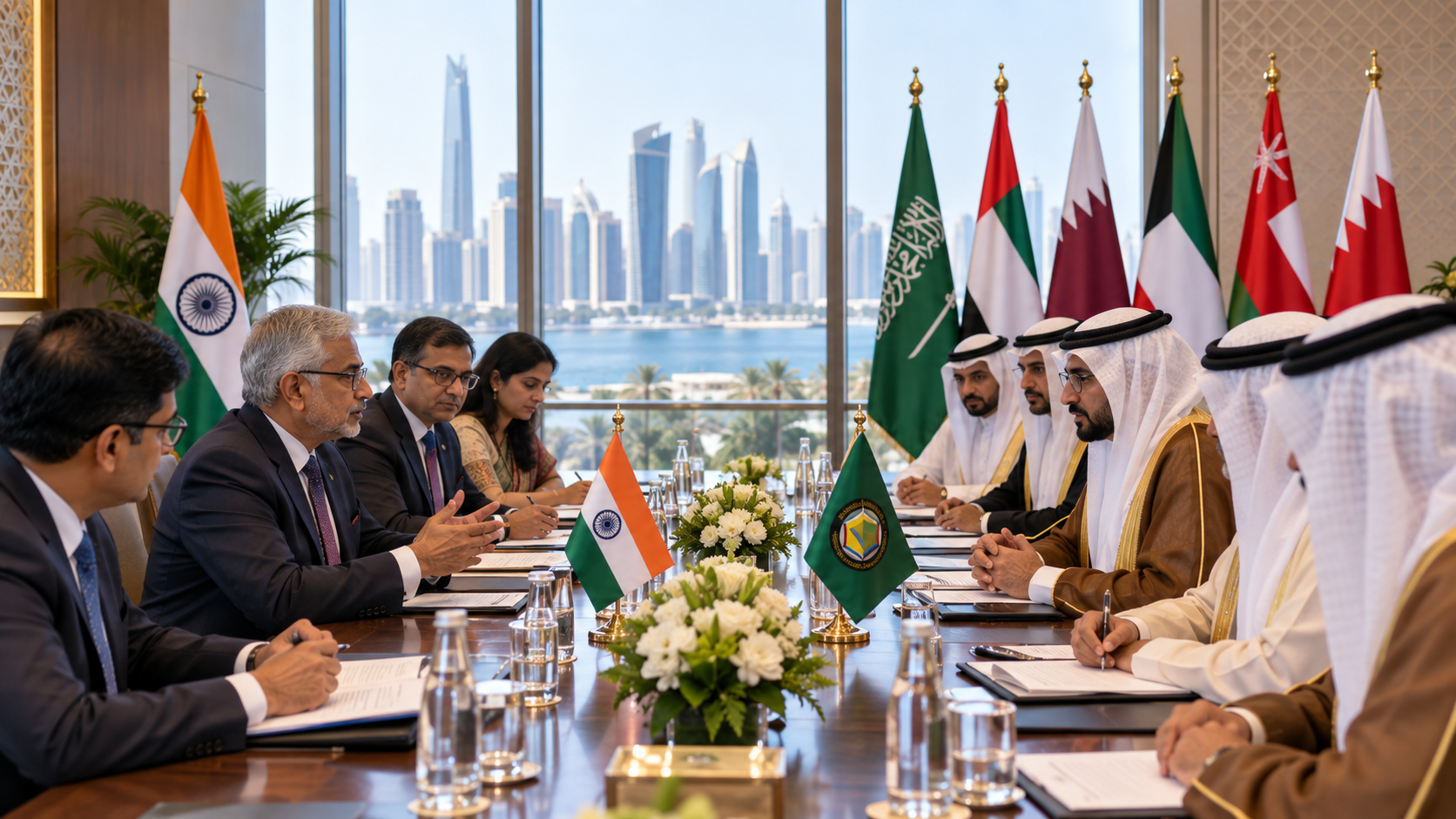
The proposal was discussed during a stakeholder meeting held ahead of the Expression of Interest (EOI) process for setting up green urea plants. Industry participants highlighted that producing green urea without financial support would remain economically uncompetitive because green ammonia, the primary raw material, is significantly more expensive than grey ammonia.
The Department of Fertilizers recently invited EOI applications for establishing green urea manufacturing facilities. The meeting, chaired by PDIL Chairman and Managing Director and Joint Secretary K.K. Pathak, witnessed strong participation from companies across the fertilizer value chain, reflecting growing industry confidence in the initiative.
According to the proposed framework, the Solar Energy Corporation of India (SECI) will act as an intermediary. SECI would purchase green ammonia from producers and supply it to domestic fertilizer manufacturers at prices comparable to conventional grey ammonia. This mechanism is expected to eliminate the cost disadvantage currently faced by green ammonia producers while encouraging fertilizer companies to adopt cleaner feedstock.
The broader roadmap also includes financial support from multiple ministries. The Ministry of New and Renewable Energy (MNRE) has been proposed a budget allocation of ₹19,744 crore to strengthen green energy infrastructure. Meanwhile, the Department of Fertilizers will develop the institutional and market framework needed to integrate green ammonia into India’s fertilizer production ecosystem.
The initiative comes at a crucial time for India’s fertilizer sector. The country imports nearly 10 million tonnes of urea every year, increasing its dependence on global markets. In addition, several domestic urea plants are more than three decades old, highlighting the need for modern and sustainable production facilities.
If approved, the proposed subsidy mechanism could reduce import dependence, encourage investments in green hydrogen and green ammonia, strengthen India’s clean energy ecosystem, and support the country’s long-term climate and agricultural sustainability goals.