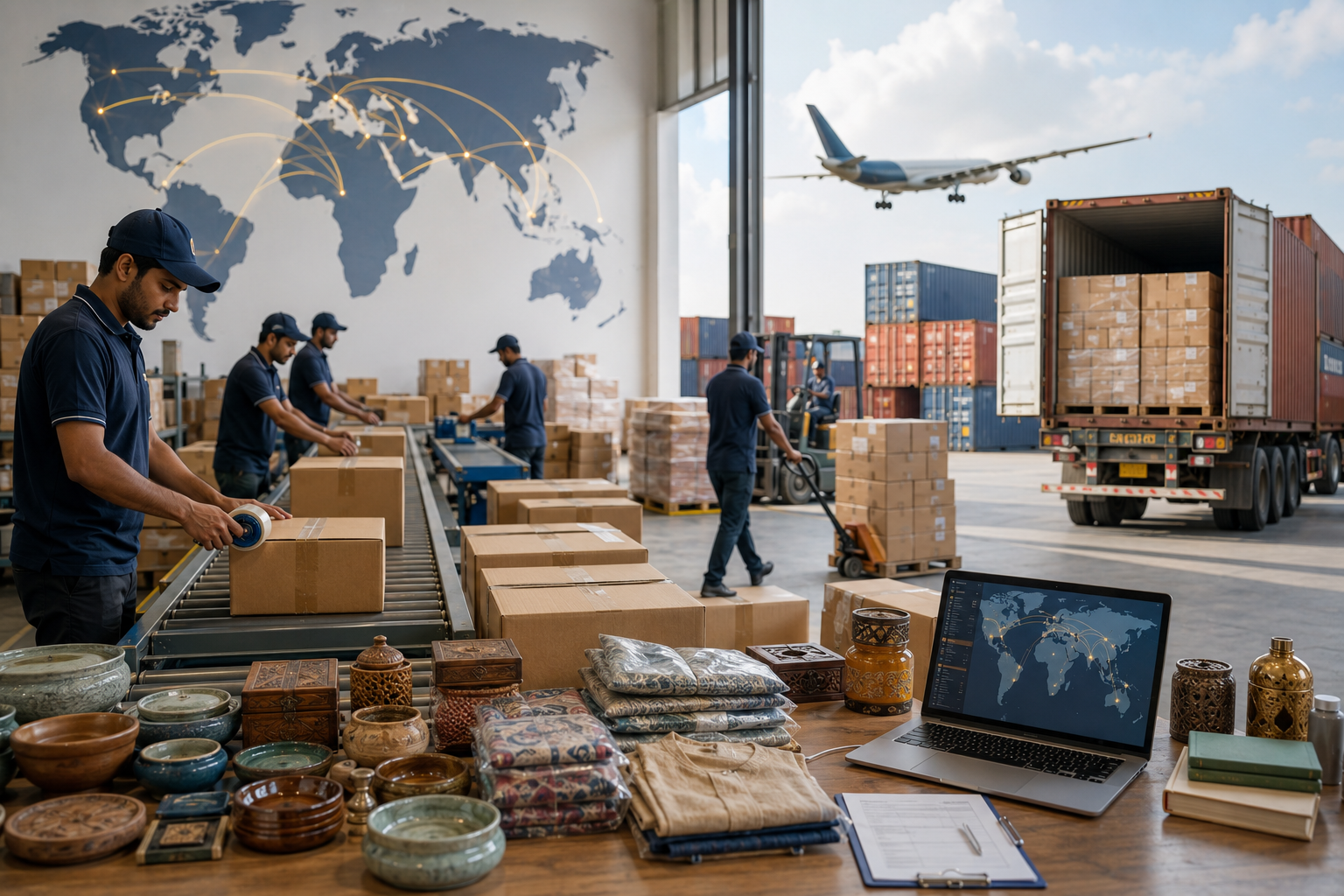
Inventory-based e-commerce model now allowed for exports of India-made products; move aims to accelerate cross-border online trade and boost MSME exports.
Key Highlights
- Government allows FDI in inventory-based e-commerce model exclusively for exports.
- Policy applies only to goods manufactured or produced in India.
- Restrictions on inventory-based e-commerce remain for domestic retail.
- Move aims to boost India’s e-commerce exports and global market access.
- Decision becomes effective after FEMA notification.
- Supports DGFT’s initiative to expand digital exports.
- India currently has around USD 2 billion in e-commerce exports.
- Global e-commerce trade is projected to reach USD 2 trillion by 2030.
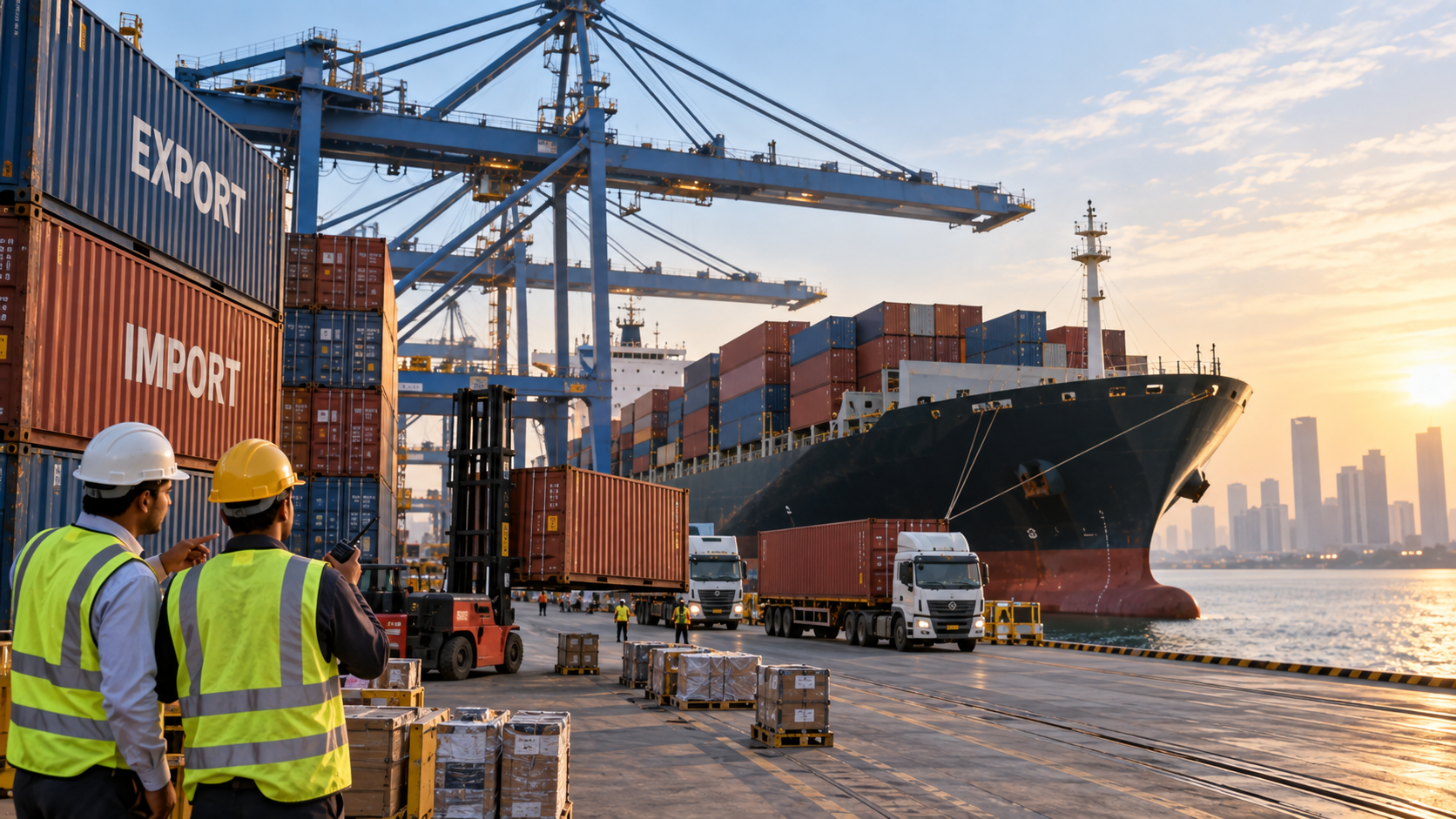
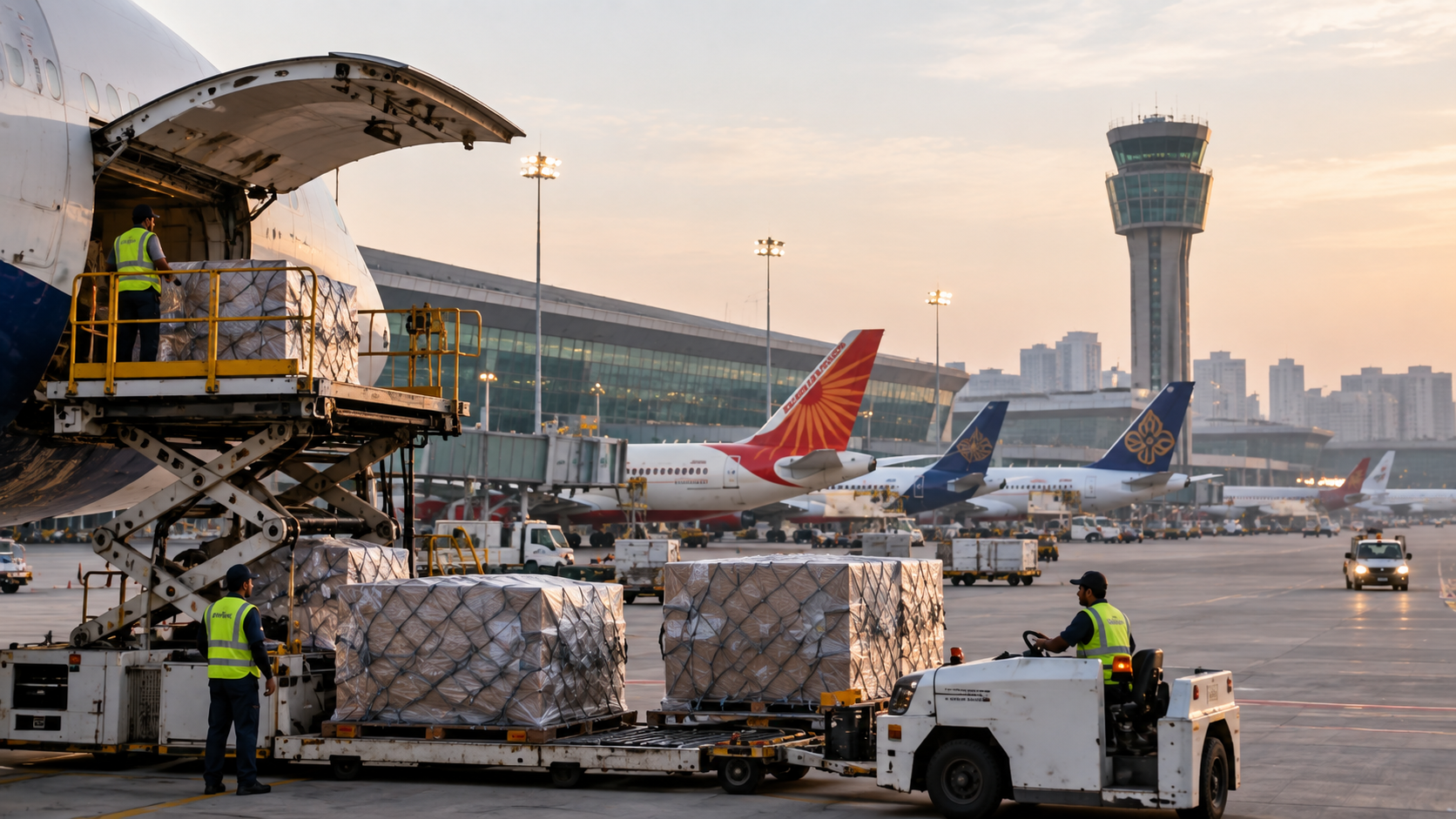
In a significant policy move to strengthen India’s export ecosystem, the Government of India has allowed Foreign Direct Investment (FDI) in the inventory-based e-commerce model exclusively for export purposes. The decision is expected to help Indian manufacturers and exporters access international markets more efficiently while ensuring that domestic retail regulations remain unchanged.
The Department for Promotion of Industry and Internal Trade (DPIIT) announced that the restrictions applicable to inventory-based e-commerce businesses will no longer apply when companies export products that are manufactured or produced in India. However, the existing ban on FDI in inventory-based e-commerce for domestic business-to-consumer (B2C) retail continues to remain in force.
Under the revised policy, e-commerce companies receiving foreign investment can own inventory only for exporting Indian-made products in accordance with the Foreign Trade Policy 2023 and the Foreign Exchange Management (Export of Goods & Services) Regulations, 2015.
The move follows recommendations from the Directorate General of Foreign Trade (DGFT) and industry stakeholders, who have been advocating policy reforms to unlock India’s potential in cross-border digital commerce.
India’s e-commerce exports currently stand at around USD 2 billion, significantly lower than China’s USD 350 billion. With global e-commerce trade estimated at nearly USD 800 billion and projected to touch USD 2 trillion by 2030, the government aims to position India as a stronger player in the international digital trade ecosystem.
Officials believe the policy will particularly benefit MSMEs, manufacturers and exporters, enabling them to directly serve overseas customers through online platforms. It is also expected to complement the government’s ongoing efforts to establish e-commerce export hubs and simplify export procedures.
Industry experts view the decision as a major step towards increasing India’s share in global e-commerce exports without affecting the interests of domestic retailers, as the relaxation is limited solely to export activities.