The United States has reduced the proposed Section 301 tariff on Indian exports to 10% after India banned imports of goods made with forced labour.
The new tariff replaces the temporary Section 122 regime and applies to most manufactured exports from July 24.
Highlights
- US lowers proposed tariff on Indian exports from 12.5% to 10% under the Section 301 forced-labour investigation.
- India secured the lower rate after banning imports made using forced or compulsory labour.
- The new tariff replaces the temporary Section 122 global tariff that expired on July 24, 2026.
- Around 70% of India’s exports to the US will now attract MFN duty plus a 10% Section 301 tariff.
- Steel, aluminium, copper and certain auto products remain under Section 232 tariffs of 25%-50%.
- GTRI says the tariff lacks a credible factual basis and appears aimed at maintaining the US tariff wall.
By : Ajay Srivastava
New Delhi: The United States has reduced the proposed tariff on Indian exports under its Section 301 forced-labour investigation from 12.5% to 10%, providing partial relief to Indian exporters. The revised tariff came after India amended its Foreign Trade Policy to prohibit imports of goods produced using forced or compulsory labour.
The final decision, announced by the Office of the US Trade Representative (USTR), came into effect on July 24, 2026, replacing the temporary Section 122 global tariff that had been in place since February.
According to the USTR, 60 economies were reviewed for their efforts to prevent trade in goods produced with forced labour. India has been placed in the lower 10% tariff band along with 16 other economies, while 43 countries will face a higher 12.5% tariff.
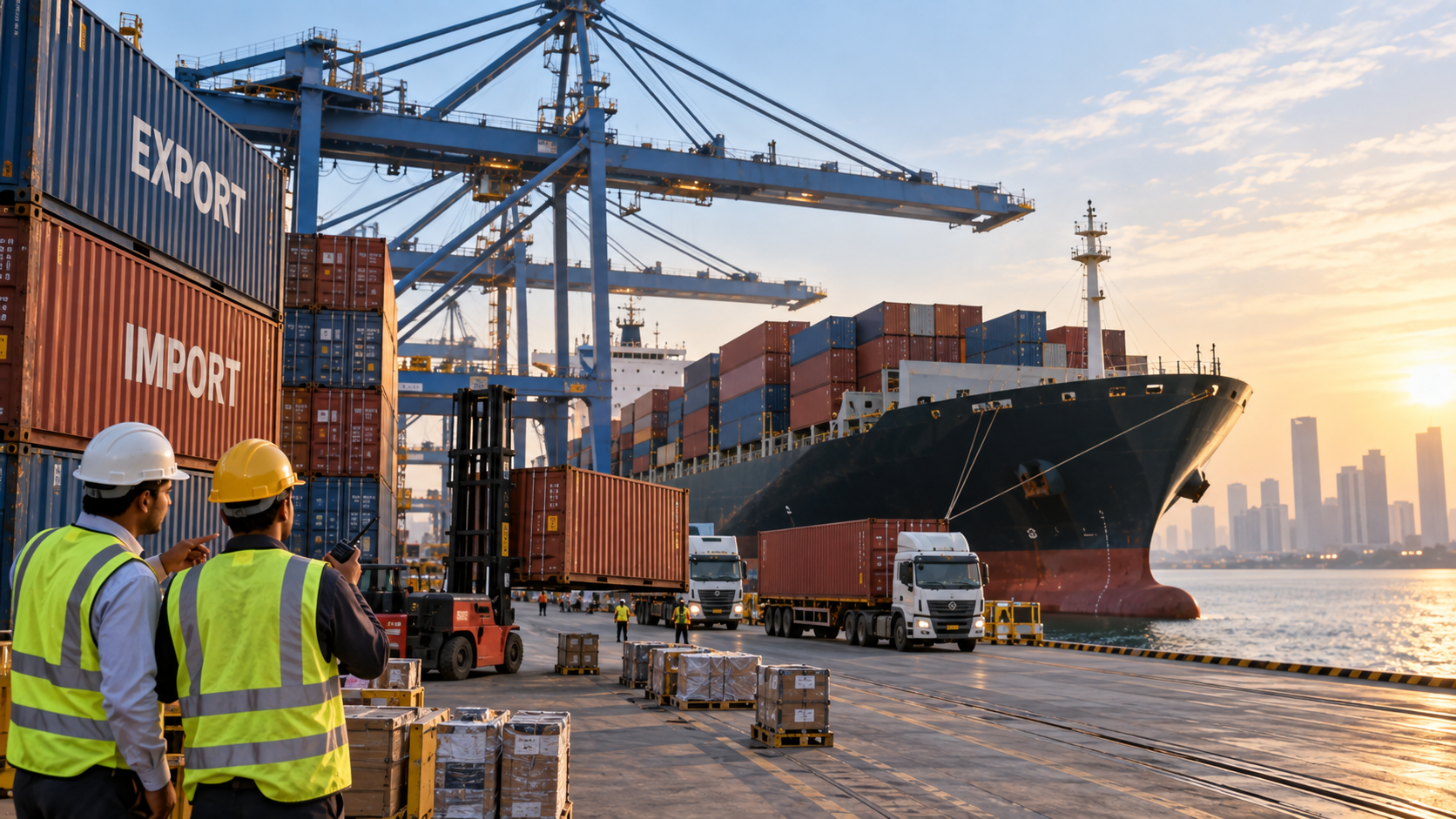
For Indian exporters, the biggest impact will be on manufactured goods. Around 70% of India’s exports to the US—including engineering products, textiles and garments, chemicals, machinery, plastics, leather goods, gems and jewellery, furniture and several other manufactured products—will now be subject to the normal US MFN duty plus the new 10% Section 301 tariff.
Products already covered under Section 232, such as steel, aluminium, copper products, automobiles and auto components, will continue to attract 25% to 50% tariffs, with no change under the latest announcement.
The US has also provided exemptions for several categories, including critical raw materials, selected industrial inputs, medical supplies, humanitarian goods and products covered under US free trade agreements. Goods shipped before July 24 and entering the US by July 28 are also exempt under the transition rules.
The Global Trade Research Initiative (GTRI) has criticised the decision, arguing that the United States has not presented credible evidence that India imports goods made with forced labour. It noted that India has already strengthened its trade policy by banning such imports and already has domestic laws prohibiting forced labour.
GTRI also warned that the Trump administration is expected to announce the outcome of another Section 301 investigation into excess manufacturing capacity, which could result in additional tariffs on industrial products. It added that future country-specific tariffs on India cannot be ruled out, particularly over issues such as Russian oil purchases or broader geopolitical concerns.