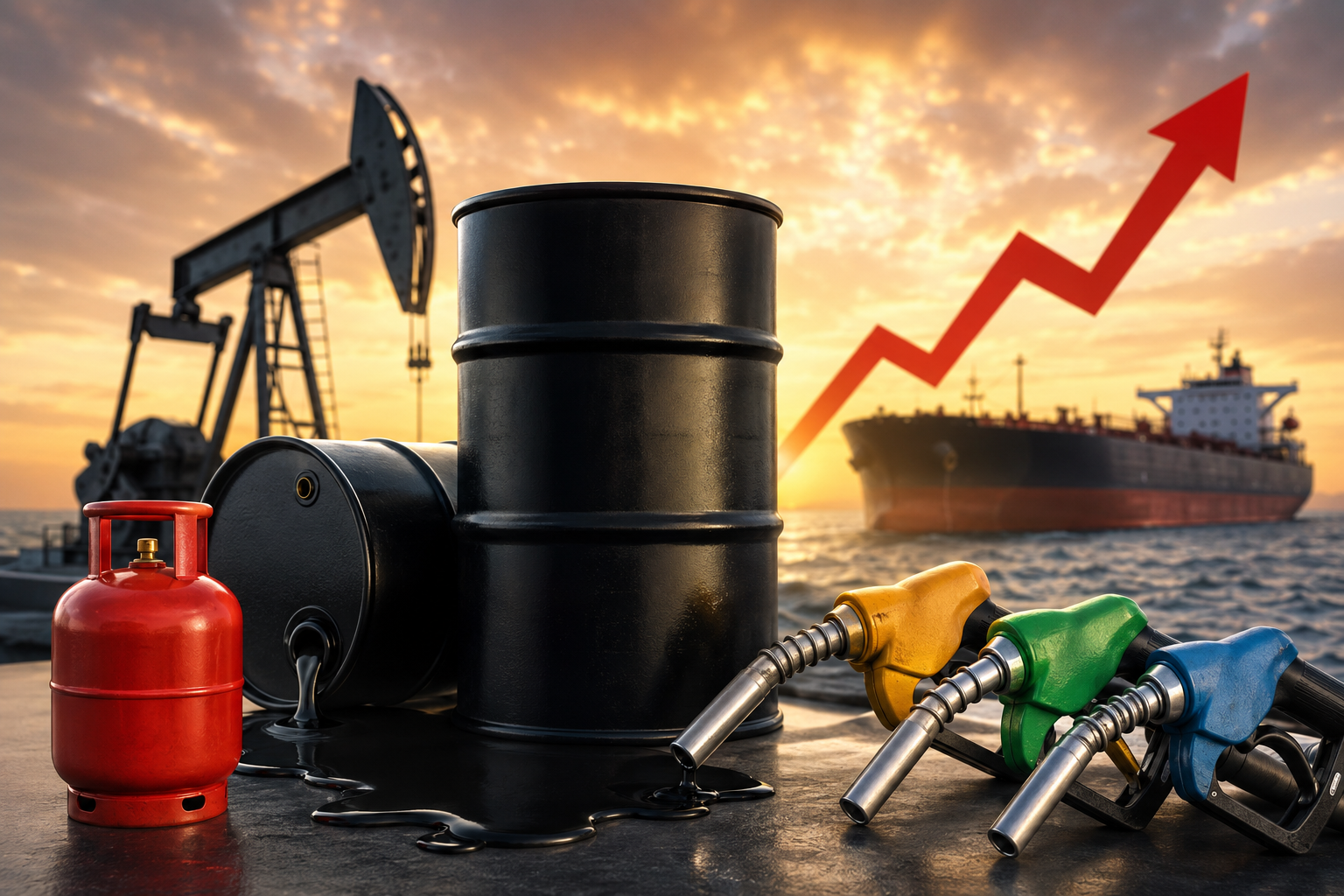
Brent crude has climbed above $100 per barrel amid rising West Asia tensions, raising concerns over inflation and India’s import bill.
Petrol, diesel and LPG prices remain unchanged for now, but prolonged high oil prices could increase costs across the economy.
Highlights
- Brent crude has crossed the $100 per barrel mark due to supply disruptions in West Asia.
- Petrol, diesel and LPG prices remain unchanged across India on July 24.
- Delhi’s 14.2 kg domestic LPG cylinder continues to cost ₹942, while the 19 kg commercial cylinder is ₹2,930.
- Higher crude prices could increase India’s oil import bill and fuel inflation.
- Transport, logistics, aviation and manufacturing sectors may face higher costs if crude remains elevated.
- Consumers could eventually see higher prices for goods and services if global oil prices stay high.
Story
Rising geopolitical tensions in West Asia have pushed global crude oil prices sharply higher, with Brent crude crossing the $100-per-barrel mark on July 24. The surge has renewed concerns over India’s fuel prices, inflation and overall economic outlook, as the country imports more than 85% of its crude oil requirements.
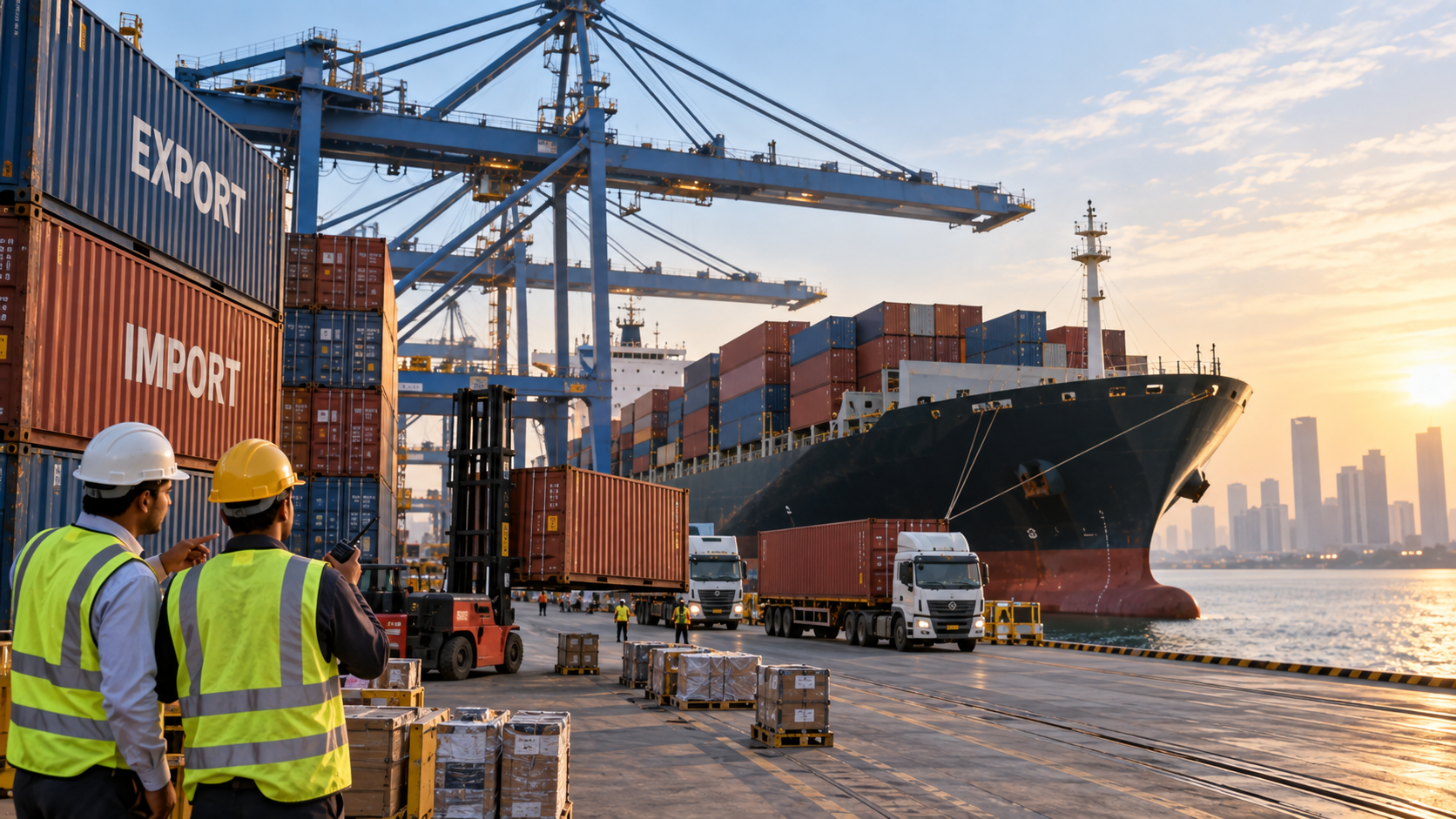
The latest jump in oil prices has been driven by supply concerns following continued disruptions in key shipping routes, including the Strait of Hormuz and the Red Sea. These waterways are among the world’s busiest energy transport corridors, and any disruption directly impacts global crude supplies.
Despite the sharp rise in international crude prices, India’s oil marketing companies have not revised petrol and diesel prices. Domestic fuel prices remained unchanged on Friday, providing temporary relief to consumers.
LPG prices have also been kept unchanged. According to the latest rates, a 14.2 kg domestic LPG cylinder in Delhi continues to cost ₹942, while the 19 kg commercial cylinder remains priced at ₹2,930. Similar stability has been maintained in other major cities.
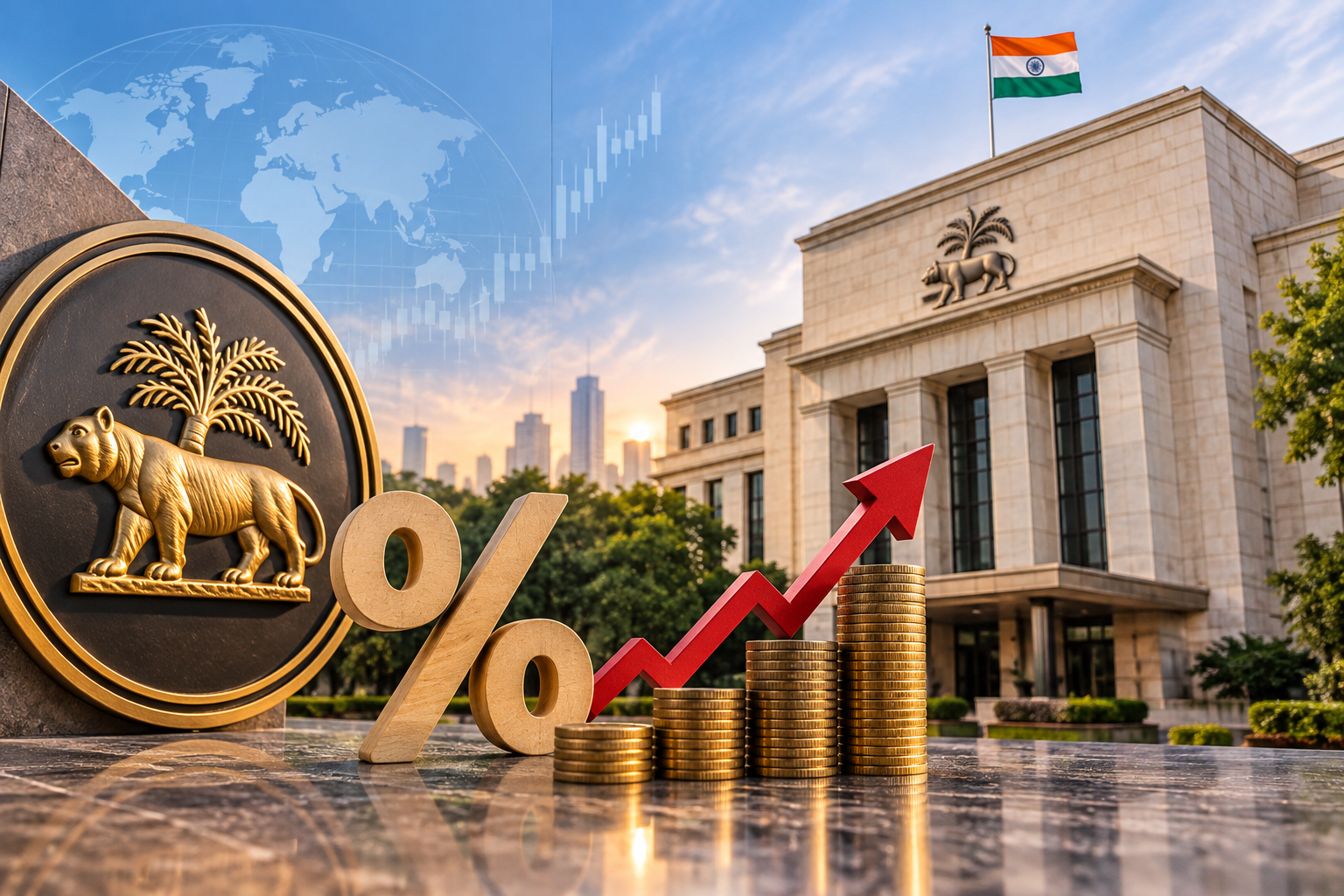
However, analysts caution that if crude oil continues to trade above $100 for an extended period, pressure on domestic fuel prices could increase. Higher crude prices raise India’s import bill, widen the current account deficit and add pressure on the rupee.
The impact goes beyond petrol and diesel. Costlier fuel increases transportation and logistics expenses, which eventually raises the prices of food, consumer goods and other essential products. Industries such as aviation, chemicals, plastics and manufacturing, which depend heavily on petroleum-based inputs, may also face higher production costs.
For consumers, the immediate relief is that fuel and LPG prices have not changed. But if geopolitical tensions persist and crude oil remains expensive, the possibility of higher fuel prices and broader inflation cannot be ruled out in the coming weeks.