
Section 301 Duty Reduced
Key Highlights
- U.S. reduced proposed tariff on India from 12.5% to 10%.
- India placed in the lower tariff tier under Section 301 measures.
- Around 45% of Indian exports remain exempt from the additional duty.
- Pharmaceuticals, smartphones and several specified products remain unaffected.
- Steel, aluminium and auto parts already under Section 232 are excluded.
- India engaged extensively with USTR through consultations and hearings.
- Textile-specific mechanism is yet to be implemented.
- India and the U.S. continue Bilateral Trade Agreement (BTA) negotiations.
New Delhi: The United States has reduced the proposed additional tariff on Indian imports under its Section 301 investigation, placing India in the lower tariff category with an additional 10% duty, down from the 12.5% initially proposed in June 2026. The revised measures were announced by the U.S. Trade Representative (USTR) on July 23.
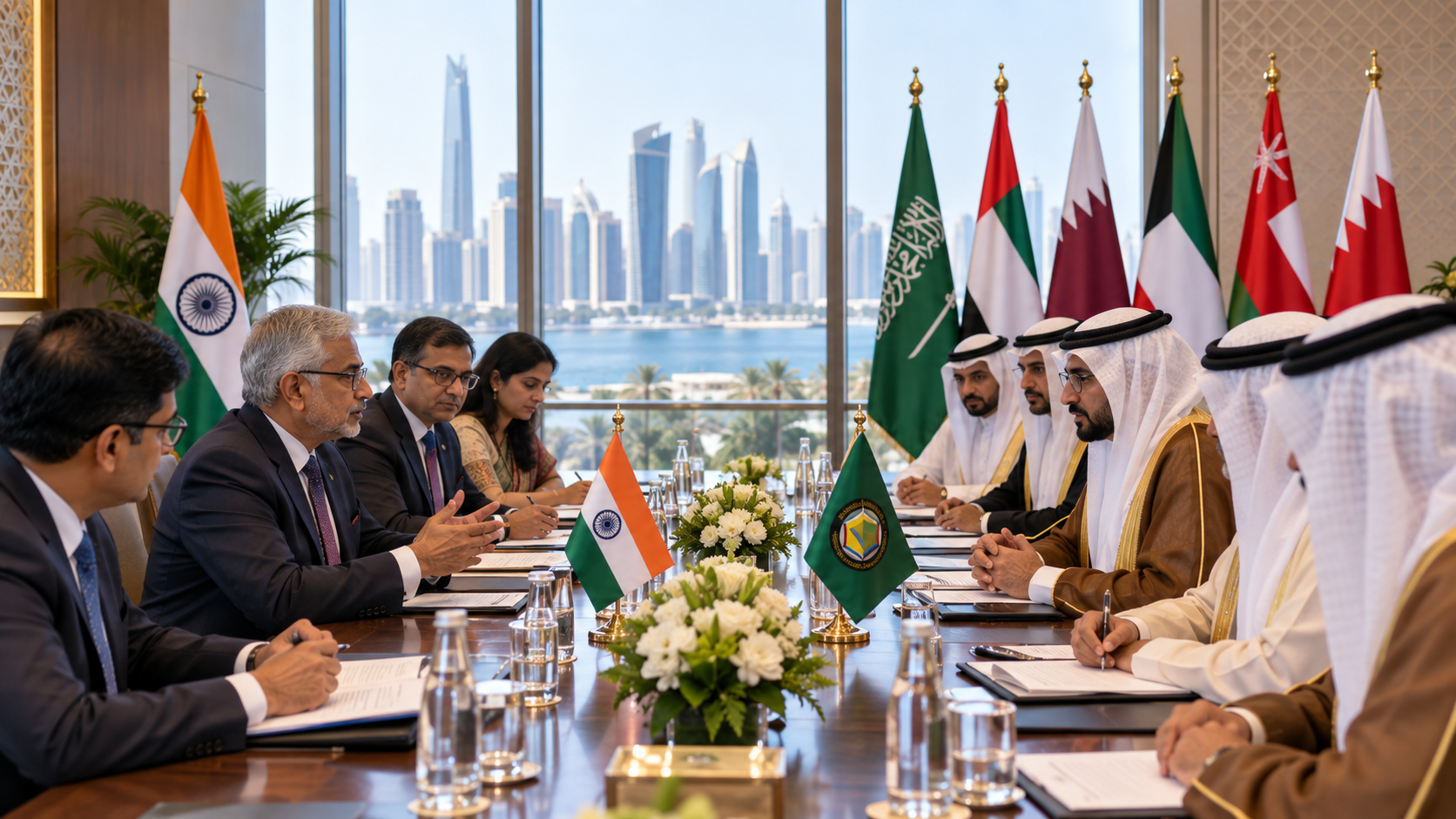
The decision follows a USTR investigation into the policies and enforcement of forced labour import restrictions across 60 economies, including India. According to the Government of India, continuous engagement through written submissions, public hearings and bilateral consultations helped secure a lower tariff rate for Indian exports.
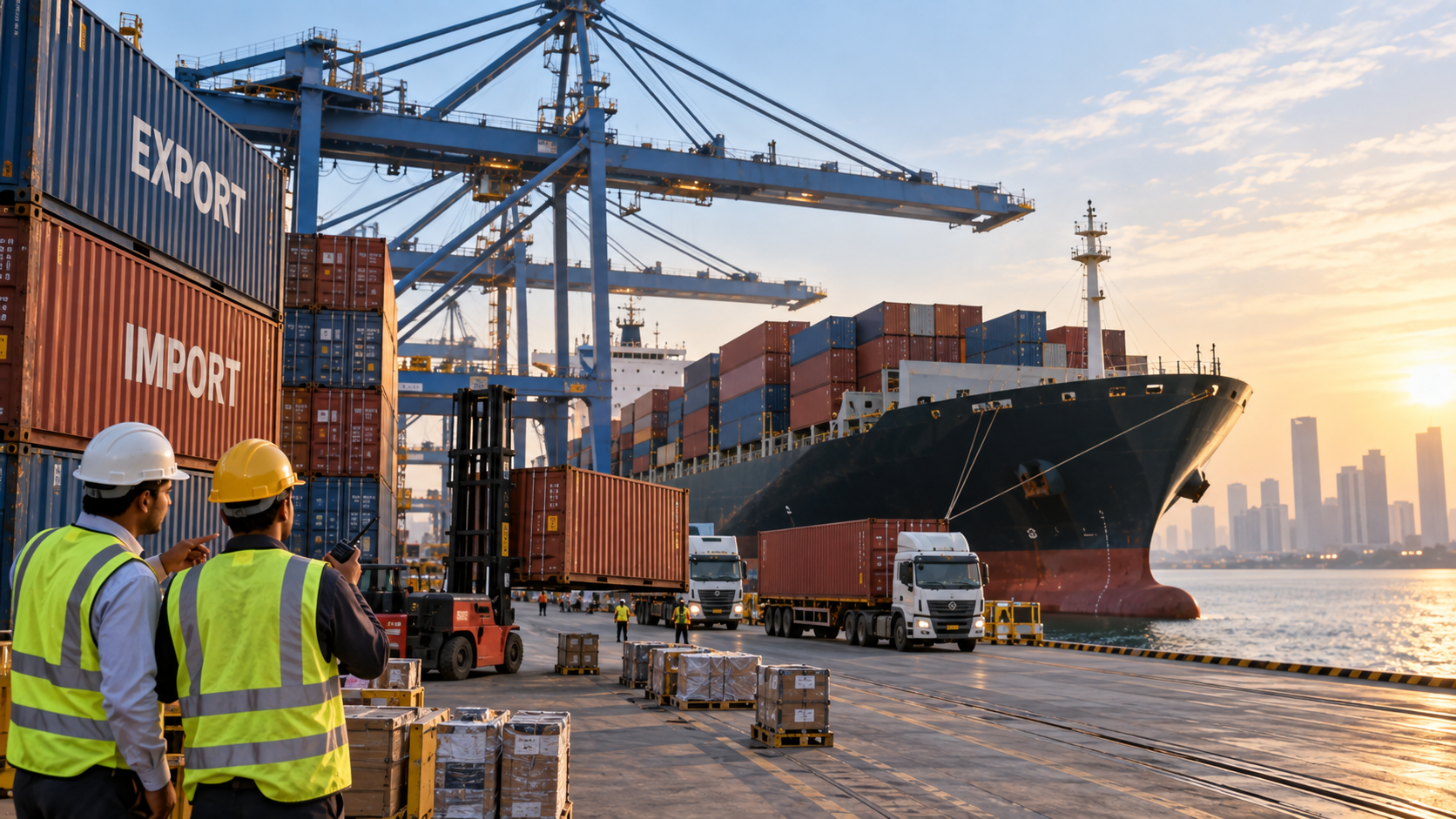
A significant portion of India’s exports to the United States will remain unaffected by the new duty. Products such as generic pharmaceuticals, smartphones and several other specified goods continue to be exempt from the additional tariff. Similarly, steel, aluminium and auto parts, which are already covered under separate Section 232 measures, will not attract the new 10% duty.
The government estimates that nearly 45% of India’s exports to the U.S. will remain outside the scope of the Section 301 tariff. The remaining 55% of exports will be subject to the additional 10% duty, though India will continue to enjoy a comparatively lower tariff burden than many other countries covered under the investigation.
The USTR has also proposed a separate textile-specific mechanism, but the framework has not yet been finalised or implemented. India said discussions on the issue are continuing as part of the ongoing negotiations for the India-U.S. Bilateral Trade Agreement (BTA).
The Government of India reaffirmed its commitment to strengthening trade ties with the United States and stated that efforts are underway to conclude the Bilateral Trade Agreement at the earliest. Officials believe the lower tariff rate provides Indian exporters with a competitive advantage while broader trade negotiations continue between the two countries.