
Risk-based payment checks may be introduced
Key Highlights
- RBI considering new UPI fraud prevention measures.
- Extra verification may apply to suspicious transactions.
- High-risk payments could face a one-hour delay.
- Banks oppose delays for all large-value transactions.
- New beneficiaries and unusual timings may trigger checks.
- NPCI raises concerns over mandatory payment delays.
- Proposal aims to strengthen digital payment security.
India’s digital payment ecosystem could soon witness important security upgrades as the Reserve Bank of India (RBI) and leading banks evaluate new measures to curb the sharp rise in online financial fraud. The proposed framework aims to enhance transaction security without disrupting the speed and convenience of UPI payments for most users.
According to discussions between banks and the RBI, additional verification may be introduced only for transactions identified as potentially risky. Instead of delaying every high-value payment, banks have suggested adopting a risk-based approach that focuses on suspicious transactions while allowing routine payments to continue instantly.
Under the proposal, customers initiating a high-risk UPI transfer may receive a confirmation pop-up asking whether they genuinely intend to complete the payment. If the customer confirms the transaction, the payment will be processed immediately. If the customer declines, the transaction will be cancelled. However, if there is no response, the transfer could be delayed by approximately one hour before reaching the beneficiary.
Banks have recommended that these additional checks should be triggered only in situations where fraud risk appears elevated. Examples include unusually large transactions conducted late at night, payments to a beneficiary for the first time, or transfers to newly opened bank accounts.
The RBI is reportedly examining whether additional safeguards should initially apply to transactions above ₹10,000, although several banks have proposed increasing the threshold to ₹20,000 or ₹25,000 to minimise inconvenience for regular users.
The central bank recently released a discussion paper on digital fraud prevention, seeking industry feedback on mechanisms that could reduce financial losses arising from cybercrime. One of the proposals under consideration involves introducing a cooling-off period for suspicious payments before funds are credited to the recipient.
While banks broadly support stronger fraud prevention measures, they have cautioned against imposing delays on every large-value transaction. They argue that mandatory waiting periods could slow digital payments, reduce user confidence, and encourage some consumers to return to cash transactions.
The National Payments Corporation of India (NPCI) has also reportedly expressed reservations about a blanket delay model. Industry sources indicate that NPCI believes India’s digital payments ecosystem has evolved around real-time transactions, and delays alone may not effectively prevent sophisticated investment scams or fraud involving mule accounts.
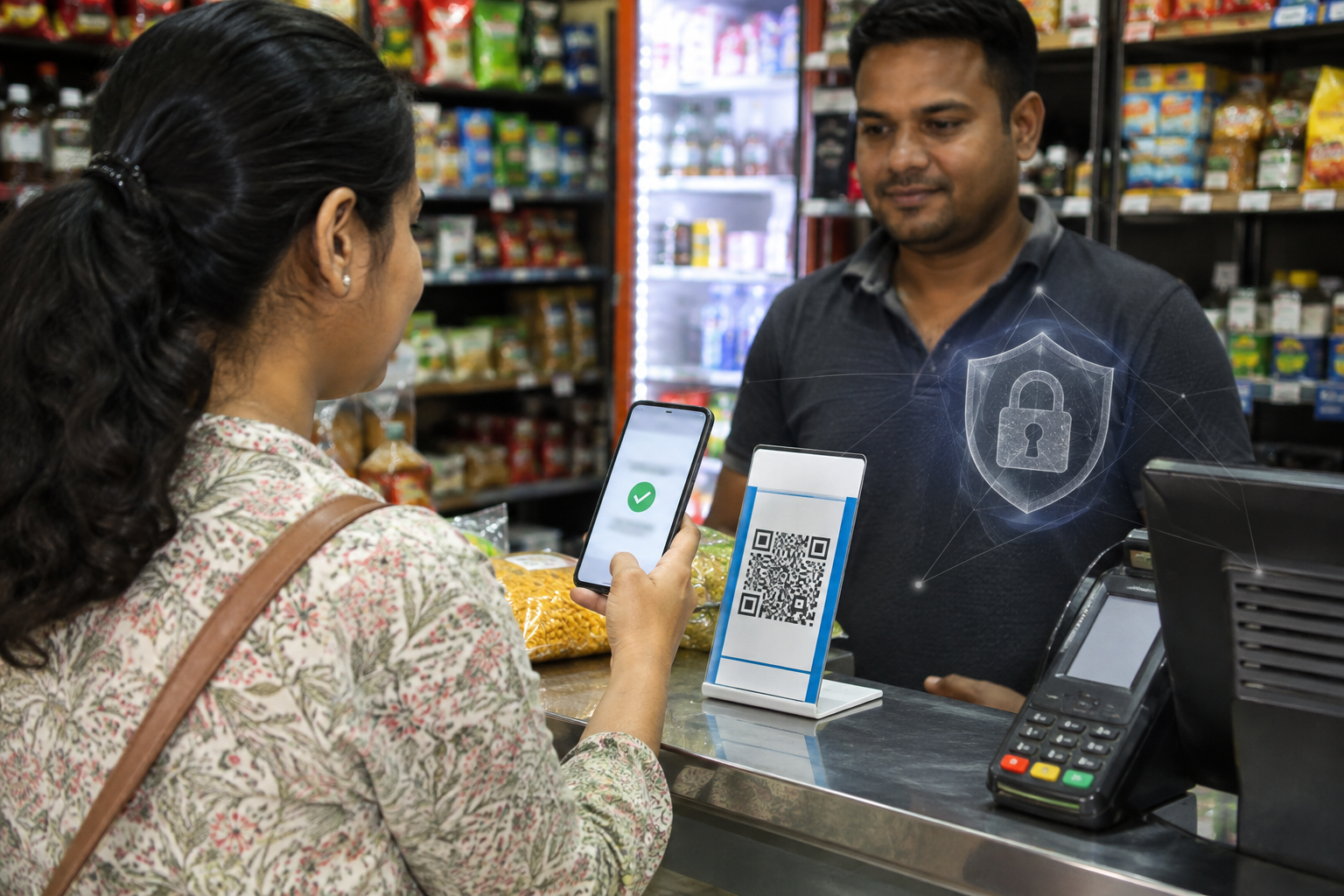
The proposed safeguards could also affect certain small merchants who receive payments through QR codes linked to personal savings accounts. Since such payments are technically classified as person-to-person (P2P) transactions, they may fall within the scope of the new verification mechanism.
The urgency behind these discussions reflects the rapid increase in digital fraud across the country. Banking industry data indicates that reported digital fraud cases have grown from around 2.6 lakh in 2021 to 28 lakh in 2025, while the total value involved has surged from approximately ₹551 crore to over ₹22,900 crore. The RBI is expected to carefully evaluate stakeholder feedback before finalising any changes to the UPI payment framework.