Export duty on petrol and diesel has been increased.
The move follows changes in global oil prices and refining margins.
Highlights
- Windfall tax revised with effect from August 3.
- Petrol export tax increased to Rs 3.5 per litre from Rs 2.5 per litre.
- Diesel export tax raised to Rs 24 per litre from Rs 15.5 per litre.
- Revision is part of the government’s fortnightly review.
- Decision is linked to changes in global crude prices and export margins.
- Windfall taxes are imposed when refiners earn unusually high profits due to elevated international energy prices.
The Central Government has increased the windfall tax on exports of petrol and diesel, with the revised rates coming into effect from August 3, according to an official notification. The move is part of the government’s regular fortnightly review of windfall taxes on petroleum products.
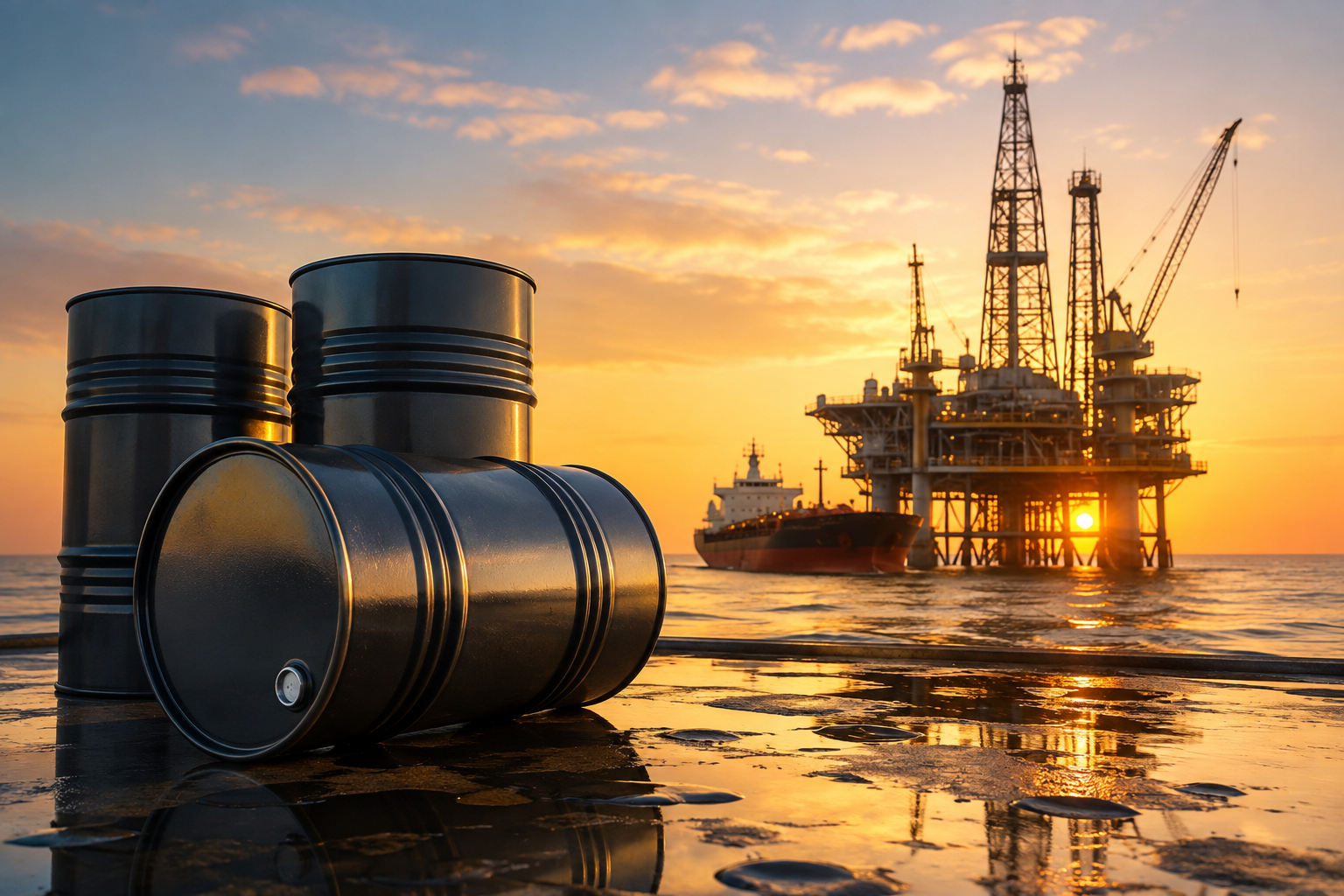
Under the revised rates, the windfall tax on petrol exports has been increased to Rs 3.5 per litre from Rs 2.5 per litre. Similarly, the levy on diesel exports has been raised to Rs 24 per litre from Rs 15.5 per litre. The increase reflects the government’s assessment of improved export margins for fuel producers amid changing global market conditions.
India reviews these taxes every two weeks to ensure that extraordinary profits earned by refiners due to fluctuations in international crude oil prices are appropriately taxed. Windfall taxes are generally imposed when global energy prices rise sharply, allowing oil producers and refiners to earn significantly higher-than-normal profits.
The government considers several factors before revising these duties, including international crude oil prices, export margins, and overall market conditions. By adjusting the tax periodically, authorities aim to balance the interests of consumers, the domestic fuel market, and government revenue while ensuring that excessive gains from global price spikes are partially shared with the public exchequer.
The latest revision comes at a time when international oil markets continue to witness volatility due to changing supply-demand dynamics and geopolitical developments. Export-oriented refiners will now have to factor in the higher levy while shipping petrol and diesel overseas.