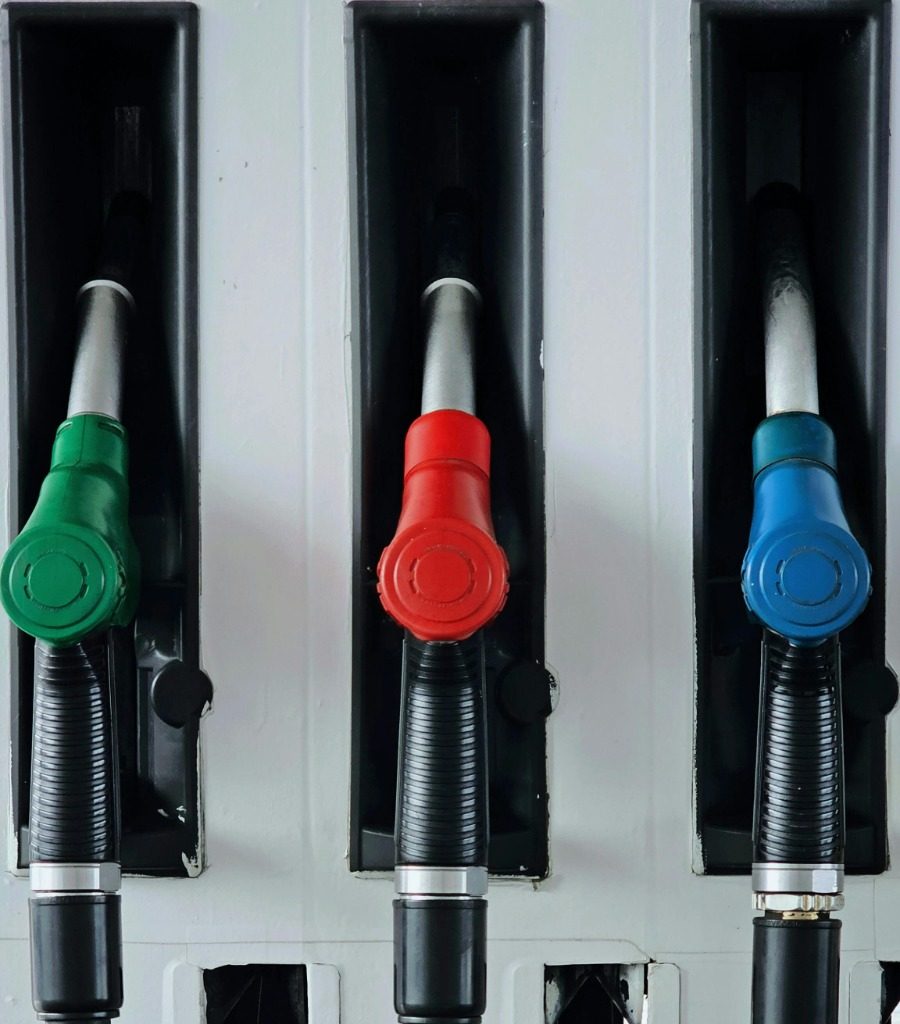
The Indian automotive market has reached a critical tipping point. As of mid-May 2026, a global energy crisis has forced a substantial revision in domestic fuel prices, making traditional Internal Combustion Engine (ICE) and CNG vehicles increasingly expensive to operate. This economic pressure is expected to trigger a massive surge in Electric Vehicle (EV) adoption across the country. In a significant blow to the common man’s pocket, India has officially increased the prices of petrol, diesel, and CNG effective today. Driven by the ongoing global energy crisis, the price hike sees petrol and diesel climbing by 3 rupees per liter, while CNG rates have been hiked by 2 rupees per kg. As fossil fuel costs continue to pinch, the shift toward Electric Vehicles (EVs) is no longer just an environmental choice—it’s becoming a financial necessity.The EV Surge: Why Now?With running costs for internal combustion engine (ICE) vehicles rising, the Indian market is witnessing a massive pivot toward electric mobility. Manufacturers are responding with more affordable options and innovative ownership models like Battery-as-a-Service (BaaS), which significantly lowers the initial purchase price.Top Picks for Electric Two-WheelersIf your daily commute is burning a hole in your pocket, these brands offer reliable alternatives:Performance & Tech: Ola Electric, Ather Energy, and Ultraviolette.Reliability & Legacy: TVS iQube, Bajaj Chetak, and Hero Vida.Utility & Budget: River (the SUV of scooters), Greaves Ampere, and Kinetic Green.Popular Electric Cars to ConsiderFrom compact city cars to family SUVs, the 2026 EV lineup is stronger than ever:Budget-Friendly: Tata Tiago EV, MG Comet, and Tata Punch EV.Family SUVs & MPVs: Tata Nexon EV, Mahindra XUV 3XO EV, and the newly launched Kia Carens Clavis EV.Premium & Upcoming: Hyundai Creta EV, Maruti Suzuki e-Vitara, and the VinFast VF6. Strategic Advantage: Battery-as-a-Service (BaaS)One of the biggest hurdles to EV adoption—the high upfront cost—is being dismantled. Companies like Kia and MG are now offering cars where you pay for the vehicle body upfront and “subscribe” to the battery. This model, coupled with the recent fuel hike, makes the per-kilometer cost of an EV nearly 70-80% cheaper than a petrol car.

Luxury Home Demand in India Hits Record High After 12 Years
India’s residential real estate market has reached a major milestone in 2024, recording its highest growth in the last 12 years. According to a recent report by Knight Frank, home sales across the country increased by 7% compared to last year. The biggest growth has come from luxury housing in cities like Delhi-NCR, Mumbai, and Bengaluru. The report shows that homes priced above ₹1 crore made up 46% of total property sales during the last six months of 2024. This clearly indicates that more buyers are now choosing premium and luxury homes over standard housing options. Experts say the demand is rising because people now want a better lifestyle, bigger homes, modern amenities, and safer investments. Wealthy Indians and Non-Resident Indians (NRIs) are playing a key role in this trend. Luxury housing demand has reportedly grown by 38% annually. In Delhi-NCR, areas such as Golf Course Road in Gurugram, Greater Noida, and Central Delhi have seen strong demand for high-end apartments and villas. Better infrastructure, improved roads, business hubs, and rising incomes among upper-middle-class families are supporting this growth. Real estate developers are also changing their strategies to attract premium buyers. Builders are now focusing on modern architecture, eco-friendly construction, smart home technology, spacious layouts, and world-class facilities such as clubhouses, gyms, and advanced security systems. Industry experts believe luxury homes are no longer just status symbols. Buyers now see them as long-term investment opportunities that can provide better returns in the future. Gurugram, in particular, is emerging as a major luxury real estate hub due to its corporate presence and fast-growing infrastructure. Noida and Greater Noida are also becoming attractive locations for luxury housing projects. Infrastructure developments like expressways and the upcoming Jewar International Airport are increasing property demand in these regions. The rise in luxury housing is not only benefiting the real estate sector but is also creating new jobs and increasing government revenue. Experts expect this trend to continue in the coming years as more people invest in premium properties and modern lifestyles across urban India.

Buying Jewellery? Why Your Next Gold Purchase Just Got a Lot More Expensive
New Delhi: The Central Government has introduced stricter rules for duty-free gold imports in a major move aimed at controlling India’s rising gold import bill and regulating the domestic gold market. The Directorate General of Foreign Trade (DGFT) has tightened regulations for gems and jewellery exporters importing gold under the Advance Authorisation (AA) scheme, with immediate effect. Under the new rules, exporters will now be allowed to import a maximum of 100 kilograms of gold duty-free under a single licence. Industry experts believe the decision could increase operational costs for jewellery manufacturers and may eventually lead to higher gold prices for consumers. The latest step comes shortly after the government increased import duty on gold from 6 percent to 15 percent. Officials say the move is intended to reduce excessive imports and improve monitoring of gold transactions across the country. According to the revised guidelines, exporters applying for a licence for the first time will have to undergo a physical verification process. Regional authorities will inspect manufacturing units to check their production capacity and operational status before approving imports. For exporters seeking renewal of licences, the government has made export performance mandatory. Companies will now need to fulfil at least 50 percent of their previous export obligation to qualify for a fresh import licence. Exporters failing to meet this condition may not receive permission for further duty-free imports. The government has also strengthened monitoring mechanisms to track gold movement more closely. Licence holders will be required to submit reports every 15 days, certified by an independent Chartered Accountant (CA), detailing their gold imports and exports. Regional authorities will then send monthly consolidated reports to DGFT headquarters for nationwide monitoring. India has witnessed a record surge in gold imports during the financial year 2025-26. Gold imports reportedly increased by more than 24 percent in value terms, reaching a historic level of 71.98 billion dollars. Switzerland remains India’s largest source of gold imports, accounting for nearly 40 percent of total imports, followed by the United Arab Emirates and South Africa. However, the government’s decision has raised concerns within the jewellery industry. The All India Gems and Jewellery Council warned that higher import duties and stricter regulations could increase the risk of illegal gold trading and smuggling activities through the grey market. For common consumers, the new rules could mean costlier jewellery in the coming months as businesses pass on higher import and compliance costs. Experts believe the government will continue balancing economic stability with the interests of the jewellery industry and consumers.

Petrol, diesel rates rise by up to Rs 3 per litre in metro cities amid West Asia tensions and mounting losses for state-run fuel retailers
New Delhi: Fuel prices across India were increased on Friday, with state-run oil marketing companies raising petrol and diesel rates by up to Rs 3 per litre following continued volatility in global crude oil markets. The revised prices came into effect immediately and are expected to further impact household budgets, transportation costs and inflationary pressures across sectors. In the national capital, petrol prices were increased by Rs 3 per litre, taking the retail rate to Rs 97.77 per litre. Diesel prices in Delhi also rose sharply to Rs 90.67 per litre. Among the four metro cities, Kolkata witnessed the steepest increase in petrol prices. Petrol in the city became costlier by Rs 3.29 and is now retailing at Rs 108.74 per litre. In Mumbai, petrol prices rose by Rs 3.14 to Rs 106.68 per litre, while Chennai recorded an increase of Rs 2.83, pushing the rate to Rs 103.67 per litre. Diesel prices also saw a significant upward revision across major cities. In Kolkata, diesel prices increased by Rs 3.11 to Rs 95.13 per litre. Mumbai recorded a similar hike, with diesel now priced at Rs 93.14 per litre. In Chennai, diesel prices climbed by Rs 2.86 to reach Rs 95.25 per litre. The latest fuel price hike comes amid a sharp rise in international crude oil prices triggered by ongoing geopolitical tensions in West Asia. Brent crude prices have remained around or above the $100 per barrel mark due to concerns over supply disruptions in the Strait of Hormuz following the continuing US-Israel-Iran conflict. Government data released on Thursday also showed a sharp rise in wholesale fuel inflation during April. Petrol inflation surged to 32.4 percent from 2.50 percent in the previous month, while inflation in high-speed diesel jumped to 25.19 percent from 3.62 percent. Industry experts believe public sector oil companies have been under severe financial stress as they continued absorbing a major portion of rising import costs over recent months. According to estimates cited in media reports, state-run refiners were reportedly losing nearly Rs 10 billion per day on fuel sales as retail prices failed to match rising crude import costs. India, the world’s third-largest oil consumer, remains highly dependent on imported crude oil. Any disruption in global supply chains or shipping routes directly impacts domestic fuel prices, freight costs and manufacturing expenses, increasing pressure on both consumers and businesses.

Meta Launches Incognito Chat on WhatsApp for Safer AI Conversations
Key Points: A Major Step Towards Private AI CommunicationMeta has announced a new feature called “Incognito Chat” for WhatsApp and the Meta AI app, aiming to provide users with more secure and private conversations with artificial intelligence. The company says the feature is designed for people who want to ask sensitive or personal questions without worrying about their chats being stored permanently or viewed later. Chats Will Disappear After the Session EndsAccording to Meta, Incognito Chat creates a temporary AI conversation visible only to the user. Once the chat session ends, messages disappear automatically and are not saved in chat history. This feature is expected to give users more confidence while discussing personal topics such as health concerns, workplace matters, education, or financial advice with AI tools. Meta Claims It Cannot Access User ConversationsOne of the biggest highlights of the new feature is Meta’s claim that even the company itself cannot read or access conversations happening in Incognito Chat mode. Meta says all messages are processed within a highly secure system that keeps both incoming questions and AI-generated replies protected from outside access. Private Processing Technology Powers the FeatureMeta explained that Incognito Chat uses a technology called “Private Processing,” which creates a protected cloud environment for handling AI requests. The company says messages remain encrypted during processing and are deleted once the session is completed. This system is built on a Trusted Execution Environment (TEE), which acts like a secure digital vault for handling private information safely. Growing Need for AI PrivacyThe launch comes at a time when AI chatbots are becoming a regular part of daily life. Millions of users across the world now rely on AI assistants for advice, information and communication. As AI usage grows, concerns over data privacy and misuse of personal conversations have also increased. Experts believe Meta’s new feature could help address these concerns and encourage safer use of AI technology. Meta Plans More AI Features for WhatsAppAlongside Incognito Chat, Meta also introduced plans for another upcoming feature called “Sidechat.” This tool will allow Meta AI to assist users directly inside ongoing WhatsApp conversations without interrupting the main chat thread. The company says Sidechat will also use the same Private Processing technology to maintain user privacy. Gradual Rollout Expected in Coming MonthsMeta confirmed that Incognito Chat will begin rolling out gradually on WhatsApp and the Meta AI app over the next few months. However, the company has not yet shared details about exact launch dates, supported devices or country-wise availability.
India’s Seafood Sector Scores Massive Win as EU Greenlights Continued Aquaculture Exports
India is likely to continue exporting seafood to the EU after 2026.The EU recognised India’s improved food safety and monitoring systems.Seafood exports to the EU are worth over US$ 1.5 billion.Farmed shrimp remains India’s biggest seafood export to Europe.The decision is expected to boost jobs, exports and foreign exchange earnings. India has been included in the revised draft list published by the European Union on 12 May 2026 for continued export of aquaculture products to the EU market, addressing concerns arising from the earlier omission in Implementing Regulation (EU) 2024/2598 issued on 4 October 2024. The earlier regulation had not included India among third countries authorised to export products of animal origin intended for human consumption to the EU from September 2026. The revised draft list follows compliance measures undertaken by India in line with the European Commission Delegated Regulation (EU) 2023/905, which requires exporting countries to ensure that animals and animal products exported to the EU are free from the use of antimicrobial medicinal products for growth promotion and antimicrobials reserved for human treatment. The European Commission, in its press communication dated 12 May 2026, stated that the updated list includes countries that have demonstrated compliance with EU restrictions on antimicrobial use in food-producing animals and have provided the necessary guarantees and assurances under EU regulations. India’s proposed inclusion is a major positive development for the country’s seafood export sector and reflects the European Union’s confidence in India’s regulatory systems, residue monitoring mechanisms and food safety standards. Once formally adopted by the European Commission, the revised regulation is expected to ensure uninterrupted export of Indian aquaculture products to the EU market beyond September 2026. The European Union is one of the key destinations for Indian seafood exports. During 2025–26, the EU emerged as the third-largest market for Indian seafood exports, accounting for 18.94 per cent of total export value, worth US$ 1.593 billion. Exports to the EU recorded significant growth over 2024–25, with export value rising by 41.45 per cent and quantity by 38.29 per cent. Farmed shrimp continued to constitute the major share of exports to the region. The development also recognises sustained efforts undertaken by the Department of Commerce through organisations such as the Marine Products Export Development Authority (MPEDA) and the Export Inspection Council (EIC) to strengthen regulatory compliance and promote responsible aquaculture practices. Initiatives including the National Residue Control Programme (NRCP), Post Harvest Testing Programme, rigorous testing and surveillance systems for banned antibiotics and pharmacologically active substances, as well as stakeholder training and awareness programmes, have significantly strengthened India’s food safety and residue monitoring framework. India has consistently enhanced its systems relating to veterinary medicinal products, antimicrobial residues, traceability and quality assurance in aquaculture production and seafood processing. The proposed inclusion is viewed as a positive outcome of continued technical engagement and regulatory cooperation between India and the European Union, and is expected to support export growth, employment generation and foreign exchange earnings from the seafood sector.

Storing the future: How batteries are rewriting the global energy narrative
The global energy transition is entering a new phase where battery storage is emerging as a critical pillar of modern power infrastructure. As renewable energy capacity expands rapidly across the world, the need for flexible and reliable energy storage systems has intensified. From large-scale battery installations in China and Australia to solar-plus-storage projects in the United States and emerging markets like India and Brazil, energy storage is increasingly becoming central to grid stability, energy security, and decarbonisation strategies. Falling battery costs, rising electricity demand, and growing investments in renewable energy are accelerating this transformation. At the same time, innovations in storage technologies are expanding the role batteries can play in balancing intermittent renewable power generation. As global electricity systems evolve, battery storage is no longer a complementary technology—it is becoming a foundational component of the future energy economy. The global energy landscape is undergoing a profound transformation, with battery storage emerging as a central pillar of modern power systems. Across continents, large-scale battery installations are rapidly being deployed—from solar-rich regions like Texas to Inner Mongolia’s vast grasslands and repurposed coal plant sites near Sydney. This surge reflects a convergence of economic, technological, and geopolitical forces that are accelerating the adoption of energy storage at an unprecedented pace. A recent report from InfoLink Consulting shows that global energy storage installations climbed to 275.3 GWh in 2025, registering a significant 61.3% increase compared to the previous year. The growth momentum is expected to continue in 2026, with an additional 353.4 GWh of capacity projected to be deployed worldwide, largely driven by rising electricity demand. The global shipments of energy storage cells surged to 612.39 GWh in 2025—nearly double the previous year’s level—and are forecast to climb further to 801 GWh in 2026. Shipments of battery energy storage systems (BESS) also rose sharply by 75.5% to 421.2 GWh in 2025, with expectations of reaching 600 GWh this year. How solar and wind expansion is fuelling battery adoption The rapid expansion of renewable energy—especially solar and wind—has amplified the need for storage. These energy sources are inherently variable, producing electricity intermittently depending on weather conditions. Batteries help address this challenge by storing excess power when supply is abundant and releasing it during periods of high demand or low generation. This capability enables more efficient grid management and reduces reliance on fossil fuel-based backup generation. Where coal and gas plants once filled gaps in supply, batteries are increasingly stepping in as a cleaner and more flexible alternative. Cost trends reinforce this transition. According to BloombergNEF, average costs have fallen by around 75% between 2018 and 2025 and are projected to decline by a further 25% by 2035. This rapid reduction contrasts with rising costs in other clean energy technologies, making batteries particularly attractive. As a result, developers are building projects at larger scales, creating battery fleets capable of delivering substantial amounts of power. In Inner Mongolia, for example, several large installations collectively provide gigawatt-hour-scale capacity, rivaling traditional power plants for short durations. Similarly, in Scotland, major battery facilities are being developed on former coal mining sites, symbolizing the shift from fossil fuels to cleaner energy solutions. Battery storage demand surges on renewable and economic drivers Global battery storage installations are witnessing rapid expansion, reflecting rising demand fuelled by large-scale solar and wind investments, broader electrification, and the need for stronger grid reliability. According to Wood Mackenzie, global energy storage market grew by 43% in 2025, adding 106 GW of new capacity compared to 73 GW in 2024, reflecting strong growth and investor interest. Total installed capacity has reached over 270 GW, with projections indicating a nearly sixfold rise to 1,545 GW by 2034. This trend highlights the growing importance of energy storage in the global energy transition. A key driver behind this boom is the dramatic decline in battery costs, coupled with rising global electricity demand—particularly from energy-intensive infrastructure such as data centers. Analysts had already projected strong growth in installations for 2026, expecting a significant year-on-year increase led by regions such as Europe, the Middle East, Africa, and Latin America. However, geopolitical tensions—especially conflict in the Middle East—have further intensified the shift toward batteries by increasing the cost and uncertainty of fossil fuel supplies. As a result, 2026 is shaping up to be a pivotal year in which batteries take on a more influential role in the global energy system. This momentum is already visible in market activity. Battery manufacturers, particularly in China, are reporting rising profits as global demand accelerates. In countries like Vietnam, developers are reconsidering traditional fossil fuel-based projects in favor of renewable energy systems paired with battery storage. The economics are increasingly compelling: batteries are no longer seen merely as a complementary clean technology but as a core investment option in power infrastructure. Industry sentiment reflects this shift, with storage systems now viewed as essential components of future energy networks. Global energy shift: The rising role of battery storage in key markets Australia provides a compelling case study of how battery storage is reshaping national energy systems. As the world’s largest battery market on a per capita basis, the country has demonstrated how storage can enhance grid reliability and reduce dependence on gas-fired generation. The Waratah Super Battery in New South Wales, for instance, has already shown its potential by supplying more power during peak evening demand than some gas plants. Once fully operational, it is expected to play a critical role in stabilizing the grid and addressing potential energy shortages. Falling construction costs have further improved project economics, reinforcing investor confidence in large-scale storage. China’s role in this transformation is particularly significant. The country dominates global battery manufacturing, benefiting from years of investment in its electric vehicle supply chain. This has led to an oversupply of lithium-ion batteries, driving prices down and making storage solutions more accessible worldwide. China also accounts for a substantial share of existing grid-scale installations, supported in part by past policies that encouraged renewable projects to include storage. The resulting market dynamics mirror earlier
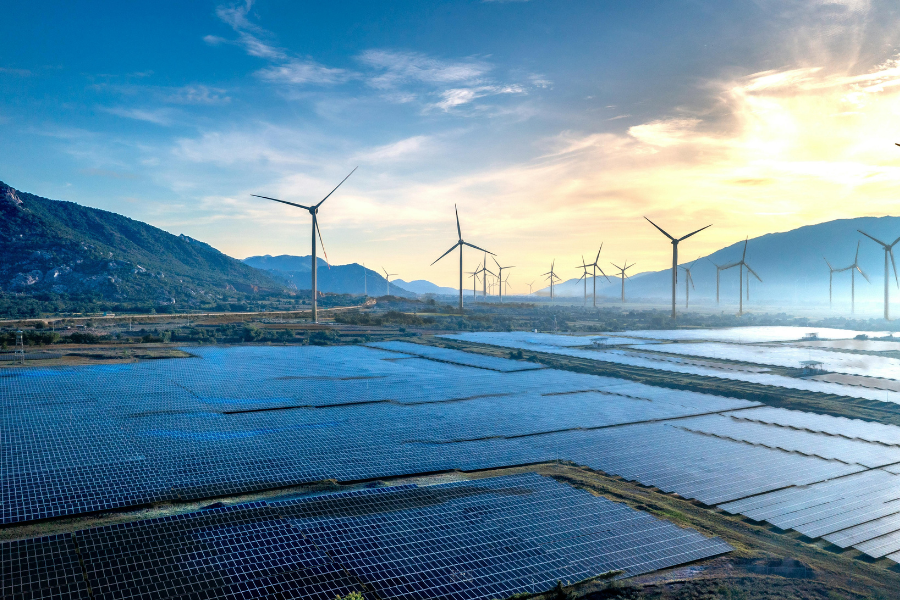
Wind power emerges as cornerstone of global energy transition.
In 2025, the global wind industry recorded a historic 165 GW of new capacity, marking a 40% year-on-year increase and taking total installed capacity to 1,299 GW across 138 countries. According to the Global Wind Report 2026, onshore wind dominated additions with 155.3 GW (+42%), while offshore installations reached 9.3 GW (+16%), pushing cumulative offshore capacity to 92.3 GW, close to the 100 GW milestone. Asia led growth with nearly 80% of new installations (around 131 GW), driven primarily by China (120.5 GW) and India (6.3 GW). Europe added 19.1 GW, surpassing 300 GW total capacity, while North America contributed 7.3 GW. The top five markets accounted for 86% of global additions. Over the 2026–2030 period, close to 969 GW of new capacity is projected to be installed, although regulatory bottlenecks and grid limitations continue to pose significant challenges to further expansion. The global wind industry achieved a historic milestone in 2025, installing a record 165 GW of new capacity—an increase of 40% over the previous year, according to the Global Wind Energy Council (GWEC). The findings, detailed in the Global Wind Report 2026, underscore the sector’s resilience and rapid expansion amid ongoing volatility in global energy markets, including supply disruptions and surging oil and gas prices. With Asia at the forefront, accelerated growth is driving fast-growing energy markets toward ‘electro-state’ economies, while demonstrating that wind power, when deployed at scale, can compete effectively with all major energy sources—from coal to nuclear. As the global energy transition accelerates, wind energy is emerging as a key driver of clean and reliable power generation. By harnessing the natural movement of air, it provides a sustainable and virtually limitless source of electricity that meets current needs without compromising the environment. In the face of rising climate concerns and the push for decarbonisation, wind power stands out for its environmental as well as economic and social benefits. In addition to delivering clean energy, it enhances energy security, generates employment, and drives technological innovation. Global capacity expansion The report highlights that by the close of 2025, global wind power capacity had climbed to 1,299 GW, with 138 countries incorporating wind energy into their electricity systems. Last year delivered record growth, with 155.3 GW of new onshore wind capacity (up 42%) and an additional 9.3 GW of offshore wind installations (up 16%). This growth highlights wind power’s increasingly central role in the global energy transition, offering a resilient, reliable, cost-effective, and domestically sourced alternative to fossil fuels at a time of heightened economic uncertainty. Around 9.2 GW of new offshore wind capacity was connected to grids globally in 2025, lifting total installed capacity to 92.3 GW and bringing the sector close to the 100 GW milestone. China led additions with 6.6 GW, while Europe brought nearly 2 GW online, including over 1 GW from the UK alone. Asia continued to dominate the global wind landscape, accounting for 131 GW of new installations—nearly 80% of the global total. This surge was led by China and India, which together added more than 126 GW of capacity during the year. China alone contributed over 120 GW, reinforcing its position as the world’s largest wind energy market. India also delivered a strong performance, nearly doubling its annual installations to a record 6.3 GW in 2025, up from 3.4 GW in 2024—an impressive 86% increase, followed by Germany (5.2 GW) and Brazil (2.3 GW). Beyond Asia, other regions also recorded significant progress. Europe surpassed the 300 GW mark in total installed wind capacity, adding 19.1 GW of new capacity in 2025—its second-highest annual addition and a 16% increase compared to the previous year. Growth in key markets such as Germany and Turkey played a crucial role in this expansion. Within the European Union, the EU-27 bloc installed 15.1 GW, reflecting a 17% rise year-on-year, however, this still falls short of the pace required to meet the bloc’s 2030 climate and energy targets. Leading regions in new wind capacity additions Region 2025 2024 2023 2022 2021 Asia-Pacific 131.8 88.3 82.9 43.2 55.1 Europe 19.1 16.6 18.2 19.5 18 North America 7.3 5.4 8.1 9.6 13.4 LatAm & Caribbean 3.7 5 6.3 5.2 5.8 Africa & Middle East 2.6 2 1 0.3 1.7 Source: Global Wind Energy Council; figures in GW Emerging regions across Africa and the Middle East also contributed notable volumes, defying expectations and demonstrating growing interest in wind energy as part of broader diversification strategies. Africa and the Middle East recorded another strong year of wind installations in 2025, led by renewed expansion in South Africa and exceptional growth in Saudi Arabia. In a notable development, the 1,500 MW Dawadmi wind farm in Saudi Arabia achieved a global benchmark by becoming the lowest-cost wind project in 2025, at just US$ 1.338/kWh. With new manufacturing facilities planned in Saudi Arabia and Oman, the Middle East is projected to add over 18 GW of onshore wind capacity between 2026 and 2030. In contrast, Latin America and the Caribbean was the only region to register a decline in annual additions during 2025. In Brazil, which installed 2.3 GW last year, new capacity additions have slowed, largely due to weaker electricity demand and rising curtailment. A significant concentration of growth was observed among the world’s leading wind markets. According to industry sources, the top five countries—China, the United States, India, Germany, and Brazil—collectively accounted for 86% of all new capacity additions in 2025. These countries together account for nearly 75% of global installed wind capacity, underscoring the critical role of supportive policies, large-scale investment, and robust infrastructure in accelerating deployment and shaping the sector’s future. Top five countries leading in new wind capacity additions in 2025 Country Annual installations (GW) Total capacity (GW) China 120.5 640.5 USA 6.9 161.2 India 6.3 54.5 Germany 5.7 77.7 Brazil 2.3 36 Source: Global Wind Energy Council The above data shows that China overwhelmingly dominates global wind capacity additions, installing 120.5 GW in a single year and accounting for the vast majority of new growth among the

Global energy trends in 2025 Signal a faster shift toward clean energy
Global energy trends in 2025 reflect a period of transition marked by slower overall demand growth and rapid expansion of clean energy technologies. According to the International Energy Agency’s Global Energy Review, energy consumption increased at a more moderate pace, even as electricity demand continued to grow strongly across sectors. Global energy demand rose by 1.3%, below the 1.4% decade average, while electricity demand increased by around 3%. Solar photovoltaic (PV) emerged as the largest contributor to global energy supply growth for the first time, accounting for over 25% of the increase. Meanwhile, renewable sources and nuclear together met nearly 60% of demand growth. The emissions in advanced economies grew by 0.5%, outpacing the 0.3% increase in emerging and developing economies. Even as the transition gathers pace, emissions trends, shifting fuel consumption patterns, and regional disparities reveal a global energy landscape that remains uneven, influenced by economic conditions, technological progress, and climate variability. Global carbon emissions saw a modest increase in 2025, rising at a slower pace as the rapid expansion of solar power helped balance out emission gains in advanced economies. According to the latest edition of the International Energy Agency’s (IEA) Global Energy Review, global energy demand expanded at a slower pace in 2025 compared to the previous year, even as electricity consumption continued to grow at a much faster rate than overall demand. A notable milestone highlighted in the report is that solar photovoltaic (PV) emerged as the largest contributor to the growth in global energy supply for the first time. The IEA report states that global energy demand growth eased to 1.3% in 2025. This figure is slightly below the average growth rate of 1.4% recorded over the past decade and significantly lower than the level seen in 2024. The slowdown in demand growth can be attributed to several key factors, including Weaker global economic expansion, Milder weather conditions in certain regions, and Accelerated adoption of more energy-efficient technologies. Together, these factors helped restrain overall energy consumption growth. Electricity demand and power sector shifts Electricity demand worldwide maintained strong momentum in 2025, increasing by about 3%, which is more than twice the pace of overall energy demand growth. Despite being slightly lower than the surge seen in 2024—largely due to reduced cooling needs in regions such as India and Southeast Asia amid less intense heatwaves—it remained above the long-term average of the past decade. The expansion was broad-based, driven by consumption across residential and commercial buildings as well as industrial activity, and further supported by rising demand from electric vehicles and the growing footprint of data centres. While all major fuels and energy technologies contributed to meeting the growing demand, their rates of expansion differed significantly. Solar PV stood out as the single largest contributor to the increase in global energy supply in 2025, accounting for more than 25% of the total growth. This marks the first instance in which a modern renewable energy source has led the expansion of global primary energy supply. Natural gas followed as the second-largest contributor, with a 17% share, reflecting its continued importance in electricity generation across many parts of the world. Taken together, renewables and nuclear power accounted for nearly 60% of the growth in energy demand. Importantly, the growth in electricity generation from these sources exceeded the total rise in electricity demand, highlighting their expanding role in the global power mix. Reflecting IEA projections, global oil demand recorded a 0.7% increase in 2025. This increase was influenced by the continued rise in electric vehicle adoption, which has begun to limit the growth in demand for traditional road fuels. Electric car sales increased by more than 20% during the year, surpassing 20 million units and accounting for roughly one in every four new cars sold worldwide. Coal demand trends showed regional variation. In China, the rapid expansion of renewable energy reduced reliance on coal in power generation. In contrast, coal demand rose in the United States, where higher natural gas prices led to a shift from gas to coal in electricity generation. Despite these differences, the overall rate of growth in global coal demand slowed in 2025. Regional trends and emissions outlook Across the global totals, energy demand trends diverged sharply among major economies. As per the report, energy demand growth in the United States rose to its second-highest level this century—excluding post-recession recovery years, driven by Strong electricity demand from data centres, Robust industrial activity, and Colder winter temperatures. China continued to be the largest contributor to global energy demand growth in absolute terms last year, though its growth rate dropped sharply to 1.7% as renewables displaced less efficient coal and energy efficiency improvements intensified. Growth in global energy-related carbon dioxide (CO₂) emissions also slowed in 2025, rising by about 0.4%. China’s emissions declined during the year, supported by the rapid deployment of renewable and other low-emissions technologies. For the first time since the 1970s—excluding the Covid-19 pandemic—India’s energy-related CO₂ emissions held steady, with an unusually strong monsoon season significantly curbing emissions growth. Notably, India’s carbon dioxide (CO₂) emissions increased by 0.5% in the latter half of 2025 and by just 0.7% over the entire year—the slowest pace of growth in more than two decades. In contrast, advanced economies experienced an increase in emissions, driven by higher fossil fuel consumption during an unusually cold winter. As a result, emissions in advanced economies grew by 0.5%, outpacing the 0.3% increase in emerging and developing economies for the first time since the 1990s. The report also highlighted notable developments in the electricity sector during the year. Solar PV generation increased by an additional 600 terawatt-hours globally in 2025, marking the largest annual increase ever recorded for any electricity generation technology. This expansion contributed to a decline in coal-fired power generation worldwide. Battery storage also emerged as the fastest-growing technology in the power sector, with approximately 110 gigawatts of new capacity added—exceeding the largest-ever annual additions for natural gas. Additionally, more than 12 gigawatts of nuclear power capacity entered construction, highlighting

India’s next smartphone shift: from scale to value?
India has emerged as the largest supplier of smartphones to the United States, accounting for nearly 40% of total imports—a dramatic shift that signals a reordering of global electronics manufacturing. According to multiple industry reports and trade data, this surge has been driven by a rapid relocation of production away from China amid geopolitical tensions, tariff pressures, and supply chain diversification strategies. Research from S&P Global Market Intelligence indicates that India’s share of U.S. smartphone imports rose to over 40% in 2025, up sharply from low double digits a year earlier. Meanwhile, estimates from Canalys suggest India’s share reached as high as 44% in certain periods, largely due to Apple accelerating iPhone production in the country. This transition reflects both policy support—such as India’s Production Linked Incentive (PLI) scheme—and a broader strategic shift by global firms. Yet, the key question remains: does this milestone reflect genuine industrial upgrading, or merely a geographic shift in assembly? India has officially become the largest supplier of smartphones to the US. The development, widely reported across business media, marks a pivotal moment in global trade dynamics. India now supplies roughly 40% of smartphones imported by the United States, overtaking China, which had long dominated the sector (TOI). This is not an incremental gain. Data from S&P Global Market Intelligence suggests India’s share of U.S. smartphone imports rose to around 42.2% in 2025, compared to 13.6% in 2024, indicating a rapid reallocation of manufacturing capacity (S&P Global Market Intelligence). Similarly, Canalys estimates indicate India’s share reached up to 44% in certain quarters, driven largely by Apple’s shift of iPhone production to India. In contrast, China’s share has declined sharply, underscoring a broader reconfiguration of global supply chains. Geopolitics, not just competitiveness At the core of this shift lies geopolitics as much as economics. US–China trade tensions, tariffs on Chinese electronics, and pandemic-era disruptions have compelled global companies to diversify their production bases. India has emerged as a preferred destination due to: Policy incentives such as the PLI scheme A growing manufacturing base Relative geopolitical alignment with Western markets According to Reuters, India became the leading production base for smartphones sold in the U.S. for the first time, with exports rising sharply as global firms scaled up local manufacturing. Apple has been the central driver of this shift, significantly expanding iPhone production in India, with a growing share of U.S.-bound devices now originating from Indian factories. The value chain question: who captures the gains? While the headline suggests a manufacturing breakthrough, the underlying economics tell a more complex story. The smartphone industry operates through a globally fragmented value chain: Brand owners (Apple, Samsung) capture the largest share through design, software ecosystems, and intellectual property Component suppliers (semiconductors, displays, sensors) account for a significant portion of value Assembly operations, where India is currently strongest, capture only a small fraction This implies that even as India’s export volumes rise, its share of total value captured remains limited. S&P Global data shows that imports of electronic components into India have increased alongside exports, indicating that domestic manufacturing remains dependent on global supply chains. An assembly-led success story India’s current position is best understood as an assembly-driven expansion. Global contract manufacturers such as Foxconn and Pegatron have enabled rapid scaling of production. However: High-value components are still largely imported Domestic firms have limited presence in core technology segments Intellectual property ownership remains concentrated abroad Even Chinese firms are now exporting “Made in India” smartphones, highlighting that the shift is geographic rather than structural. This creates the risk of an “assembly trap”—a scenario where export volumes grow, but value capture remains low. Early signs of upgrading Despite these constraints, there are early indicators of progress. India has begun pushing for component manufacturing and local value addition through policy interventions. Recent approvals for electronics manufacturing projects and incentives for domestic production suggest a strategic shift beyond assembly. There are also emerging signs of India participating upstream in the value chain, including exports of certain components to global markets. However, these developments remain at an early stage and are yet to significantly alter the structure of value capture. China’s dominance in electronics manufacturing is rooted not just in scale, but in ecosystem depth. It has built an integrated system spanning: Raw materials Components Assembly Design and innovation Even today, China accounts for a dominant share of global smartphone exports, supported by strong domestic firms and deep supply chain integration (S&P Global Market Intelligence). India, by contrast, is still in the early stages of building such an ecosystem. Conclusion India supplying around 40% of U.S. smartphone imports is a milestone that reflects both policy success and global realignment. It signals that India has become central to global electronics manufacturing. Yet, the deeper reality is more nuanced. India has captured scale—but not yet value. The next phase of India’s industrial journey will depend on whether it can move beyond assembly into components, design, and intellectual property. Ultimately, the real measure of success will not be how many smartphones India exports—but how much of their value it owns.